Waterfowl refueling at wetland restoration project in Livingston County during spring migration. Photo by Tom Gerth.

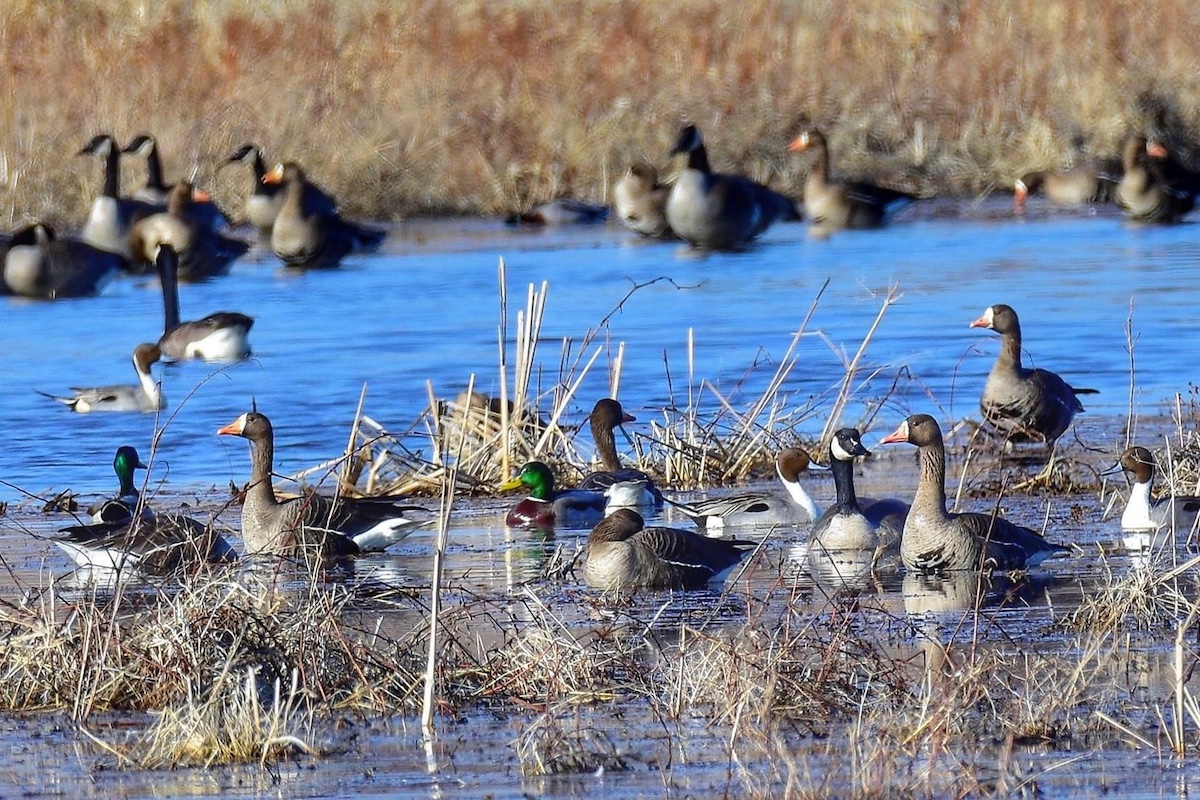
Waterfowl refueling at wetland restoration project in Livingston County during spring migration. Photo by Tom Gerth.
Spring is here and hopefully that means some much-needed rain is on the way. Central Illinois continues to experience severe drought conditions during one of the most important seasons for waterfowl and shorebirds…spring migration.
Illinois serves as an important stopover area for waterfowl and shorebirds on their way north to their breeding grounds. One million plus ducks travel through Illinois in the spring months and it’s vital that they have adequate stopover habitat to send them north in a healthier condition. The availability of stopover habitats – shallow wetlands and flooded agricultural fields – is critical for building up energy reserves necessary for successful reproduction. In short, the more wetland habitat we can provide in the spring, the healthier ducks will return to the breeding grounds, and the more young ducks we should see in the fall. With the current drought conditions, Illinois is in desperate need of some timely spring rains to recharge these seasonal wetlands.
Coincidentally, there is an Illinois wetland restoration initiative focused on just that…restoring shallow wetlands for both fall and spring stopover habitat. The U.S. Fish and Wildlife Service’s Partners for Wildlife program specializes in collaborating with diverse partners and private landowners across the state to restore these shallow seasonal wetlands. In a state that is 97 percent privately owned, it is vital that we focus restoration efforts on private lands to provide a mixture of habitat complexes and corridors across the state.
The “Partners Program” works with private landowners who are interested in restoring and enhancing the wildlife habitat on their properties. On wetland restorations, it starts with online review (aerial imagery, soils maps, LiDAR maps) followed by on-site visits. If a project looks feasible, the next steps are to conduct elevation surveys, draft designs and plans, and get cost estimates from local contractors. Lastly, we finalize the budget, earmark contributions from various partners and finalize landowner agreements showing all partner contributions. Once all partners have signed off, we give the contractors the greenlight to move forward with construction. Our biologists then assist with construction management, seedings and long-term monitoring to ensure projects meet their full potential for years to come.
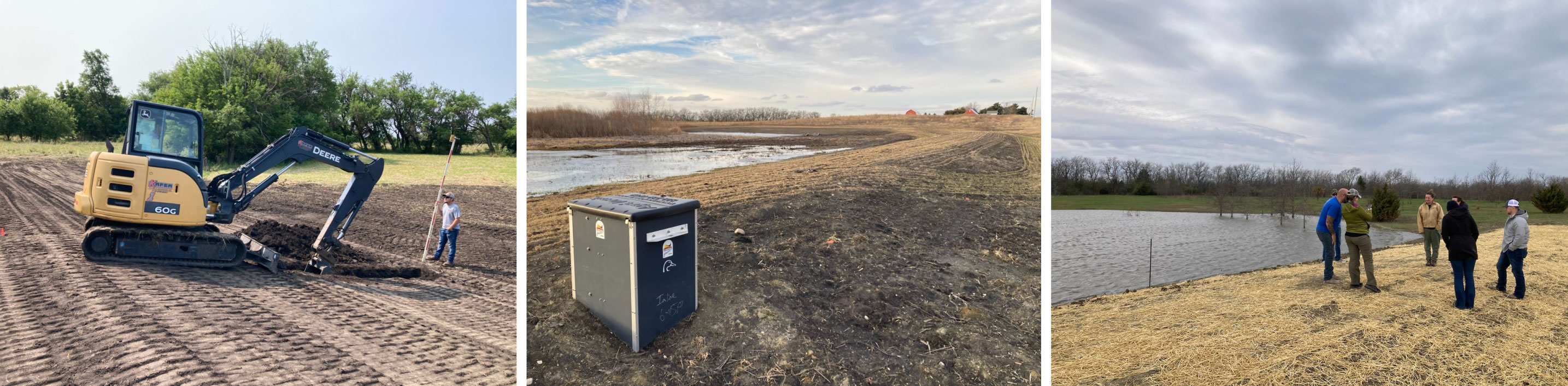
One positive aspect of the recent drought is the window of opportunity it has created for new wetland construction. The dry conditions have allowed our program to work with many private landowners and contractors over the last two years to move dirt, install structures and complete projects.
In late 2023, the USFWS Partners Program, in partnership with Illinois Department of Natural Resources (IDNR), Illinois Pheasants Forever (PF), local PF chapters, The Nature Conservancy and private landowners, joined forces (and funds) to move forward with Phase II of an ongoing wetland restoration initiative in central Illinois known as the “Creating Habitat Diversity in Central Illinois” initiative. This partnership effort was made possible through the IDNR’s Habitat Fund. The Habitat Fund is a special grant program administered by IDNR that provides funding toward habitat restoration and enhancement projects. The funding is generated through the purchases of State Habitat Stamps by Illinois outdoorsmen and women.
The goal of these grant projects is to align with and support the goals of the Illinois Wildlife Action Plan. The goal of this specific initiative is to restore small seasonal wetlands also known as prairie potholes. Small wetlands surrounded by large blocks of grasslands maximize habitat potential, species diversity, pollinators, water quality, nutrient reduction and flood storage during large rainfall events.
In the late 1800s, most of these seasonal wetlands were drained for agricultural production through the installation of shallow drainage ditches and tile. These extensive drainage efforts transformed Illinois into one of the most productive agricultural regions of the world. However, many of these wet spots are still prone to flooding and remain unproductive for crop production. Our program and our partners work to target these wet areas on the landscape and then connect with landowners and producers to gauge interest in restoring these areas back to high quality habitat through the various conservation programs. It’s a win-win-win for wildlife, landowners / producers and local communities.
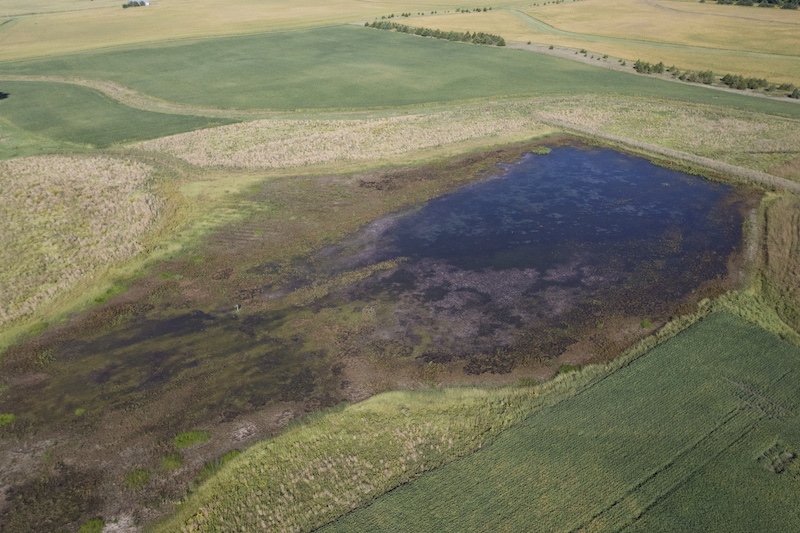
In the last two years, this partnership initiative has worked with private landowners to complete 23 wetland restoration projects in 10 counties across central Illinois. In total, these projects have restored 32 basins, adding 120 acres of shallow water to the landscape that treat 600+ acres of surface runoff from adjacent crop fields. Most of these projects also included a prairie restoration component around the restored basins. One unique aspect of the Partners Program is its flexibility to work with a diverse array of partners and landowners in various scenarios. These recent projects were completed on a mixture of croplands, pasturelands, recreational lands, a local forest preserve and even a rural school district (which will serve as an outdoor classroom for students).
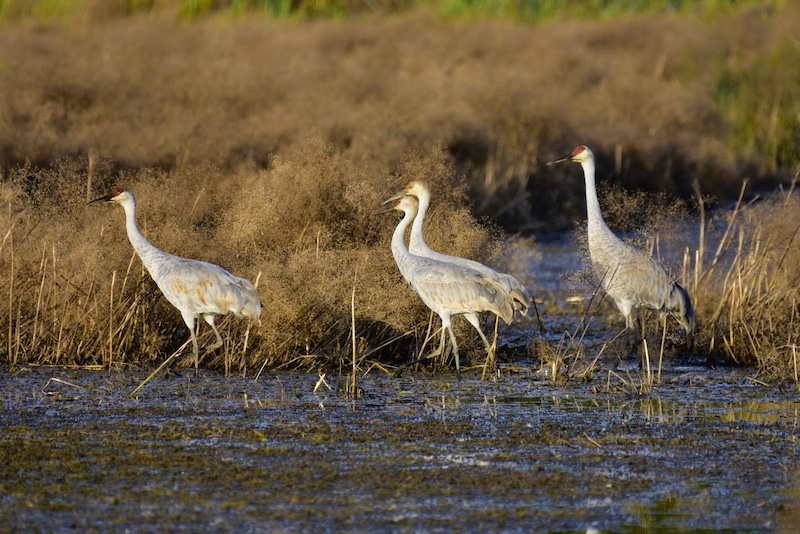
Several of these projects are also near state and federal wildlife areas and serve as important corridors in landscape level conservation efforts. These recent projects have already provided habitat for waterfowl, sandhill cranes, multiple species of rails, American golden plovers, and many other wetland and grassland dependent species.
A huge thank you to Illinois Department of Natural Resources and the Habitat Fund, our non-governmental organization partners and the private landowners who supported this initiative over the last two years. This wetland restoration effort has exceeded our expectations, and we look forward to continuing this partnership in future years.
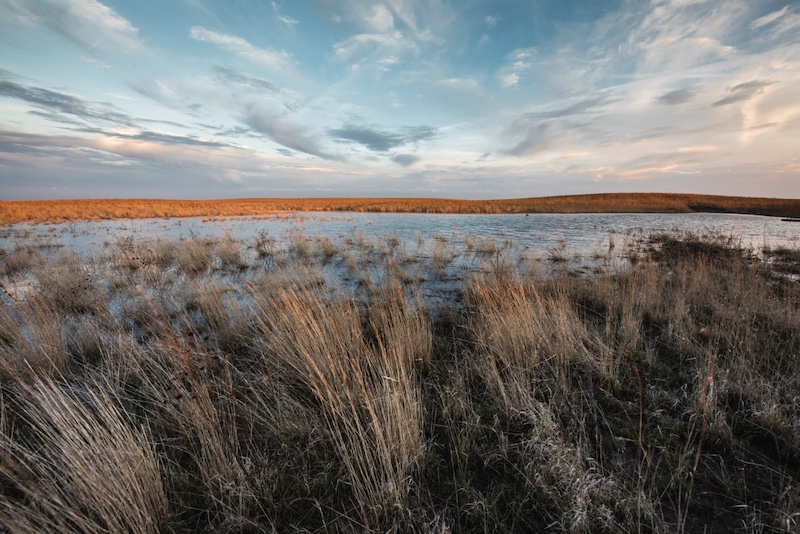
Over the last 10 years, the Illinois Partners Program has completed 129 wetland restoration projects totaling 2,087 acres of new and improved wetland habitat. With the proven results of this initiative, more landowners are showing interest in wetland projects and new partners are coming on board. As our program continues to focus on working lands and wet spots in crop fields, we are forming new partnerships with organizations in the agriculture sector. Most recently, the Illinois Farm Bureau, Illinois Soybean Association and Illinois Corn Growers Association have come on board as new partners for our Illinois conservation efforts on working lands.
If you are interested in partnering with our program and/or learning more about wetland restoration opportunities in Illinois, you can reach out to the USFWS Partners Program staff listed below.
If you’re interested in a wetland project in east-central Illinois, contact Jason Bleich at jason_bleich@fws.gov to get started. If you’re interested in restoring wetlands in the Illinois River Valley or western/southwestern Illinois, contact Emily Hodapp at emily_hodapp@fws.gov. If you’re interested in restoring wetlands in northwestern/northern Illinois, contact Scott James at scott_james@fws.gov.
Jason Bleich is a Private Lands Biologist for the U.S. Fish and Wildlife Service (USFWS) in Illinois. He has worked with private landowners the majority of his 16-year career in natural resources, including Pheasants Forever and the Ford County Soil & Water Conservation District. Originally from Illinois, Bleich has had the opportunity to work in multiple states including Arkansas, Iowa, and Missouri before returning to his hometown in east-central Illinois. Bleich is excited to continue working with Illinois landowners and conservation partners in his role with the USFWS Partners for Fish and Wildlife Program.



Submit a question for the author
Question: Hey Jason,
Enjoyed your article in Outdoor Illinois.We definitely need more diverse habitat.
One question – is there concern about what is in the water flowing off of conventional farm fields in terms of nutrients and pesticides?
Have a great weekend.