
Monarch butterfly on a butterfly milkweed (Asclepias tuberosa). Photo by Dan Salas.

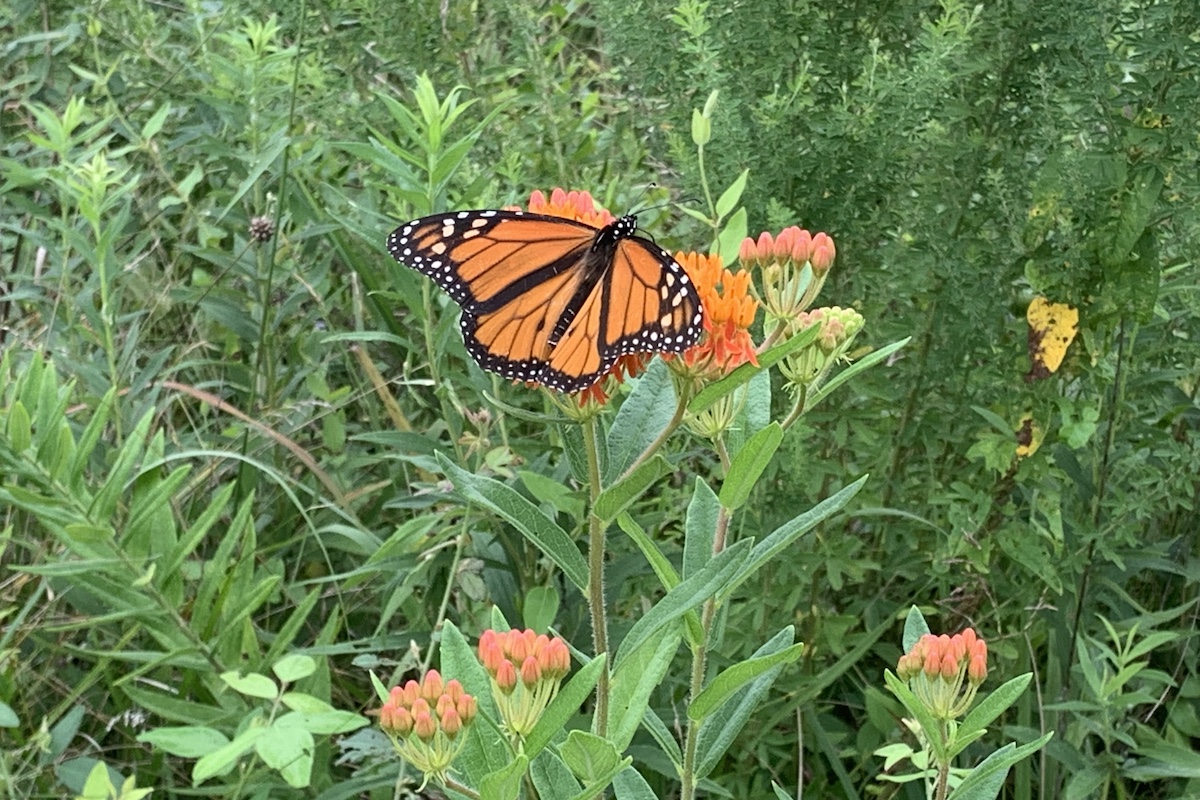

Monarch butterfly on a butterfly milkweed (Asclepias tuberosa). Photo by Dan Salas.
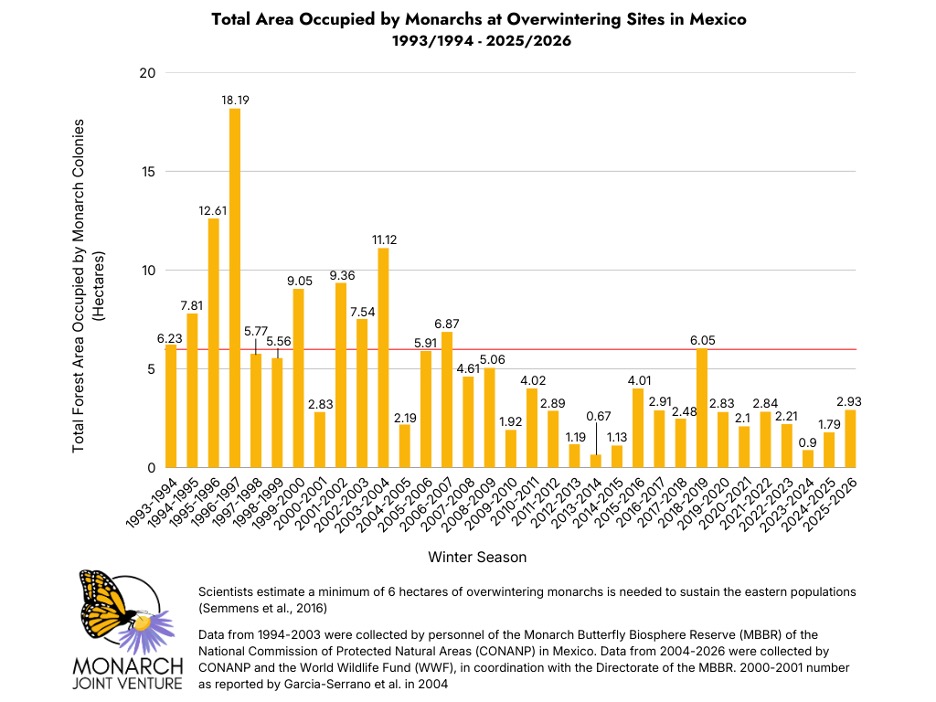
For generations, the monarch butterfly has been a familiar sight drifting across Illinois fields, prairies and backyards. But after three decades of population declines the monarch butterfly has become a species in crisis (Figure 1). The monarch was petitioned for listing under the federal Endangered Species Act in 2014. In response, Illinois launched one of its most ambitious statewide voluntary conservation efforts: the Illinois Monarch Project (IMP) and subsequently created the Illinois Monarch Action Plan to identify voluntary conservation efforts in hopes of pre-empting federal listing. In 2024, monarch was proposed for listing as a federally threatened species. While the fate of the regulatory decisions lingers, people in Illinois have demonstrated their commitment to supporting the iconic monarch.
A new study evaluated 10 years of voluntary conservation efforts toward the goal of adding 150 million new milkweed stems, the desired plant for monarch breeding, throughout the state. The results can be found in the Illinois Monarch Action Plan’s 10‑Year Progress Report, which was developed by the University of Illinois Chicago (UIC) for the Illinois Department of Natural Resources. The UIC research team used land use and habitat modeling, alongside stakeholder interviews, to document Illinois’ efforts toward monarch conservation and to answer the question: Are Illinois’ conservation efforts making a difference for monarch butterflies?
The short answer is yes. More than a million new milkweed stems have been added to Illinois over the last 10 years.
The longer answer is more complex. How researchers arrived at this conclusion reveals the enormous scale, creativity and passion fueling monarch recovery.
Illinois stands at a pivotal moment: having demonstrated what voluntary conservation can achieve on the ground we must decide how to sustain a culture of conservation through coordination, communication and continued investment in the people and programs driving this work.
The backbone of this study was a refined version of a landmark U.S. Geological Survey milkweed habitat model that originally guided Illinois’ statewide goal of adding 150 million new milkweed stems by 2038. Researchers updated the original model to estimate statewide milkweed abundance in 2014 (the year monarch butterfly was petitioned for listing) and again 10 years later in 2024.
The research team assembled multiple datasets: National Land Cover Database layers, protected lands data, cropland datasets, railroad and roadway corridors and more. Together, these data helped researchers analyze where milkweed could grow, what conservation efforts are increasing its abundance and where habitat was most likely being added or lost.
Because habitat change happens in places and at times that datasets can’t always detect, the researchers improved the model using program-specific and field‑collected data:
Researchers then conducted structured interviews with conservation practitioners: farmers, agency staff, energy companies, Illinois Department of Transportation staff, municipal leaders, educators and community conservationists. Insights shared helped document shifts in public enthusiasm, barriers to coordination, on‑the‑ground conservation challenges and what keeps conservation motivated.
More than 100 million new milkweed stems!
Between 2014 and 2024, this research found that Illinois added an estimated 108 million additional milkweed stems. This accomplishment means the state is more than two-thirds toward its 150‑million‑stem goal.
Four land‑use sectors drove Illinois’ progress, each contributing in distinct ways.
However, the lack of consistent tracking of these efforts makes their full assessment difficult.
While this research shows encouraging results, it also identified challenges that threaten the success of continued efforts and opportunities to create and maintain habitat for monarchs.
During interviews, stakeholders described a rise in monarch enthusiasm leading up to the launch of the Illinois Monarch Action Plan in 2020, followed by a gradual decline due to competing priorities, burnout and limited coordination. The research found that passion remains high by many individuals, but supporting structure is important to build connections and continue success. As state agencies transition from pre-listing planning to regulation, there are questions about how much agency support will be available to coordinate and track conservation efforts targeted at individual species.
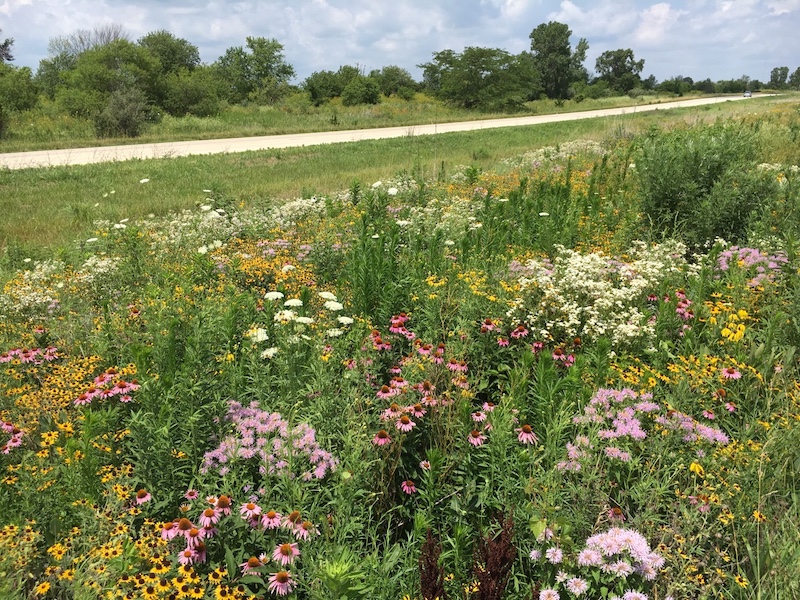
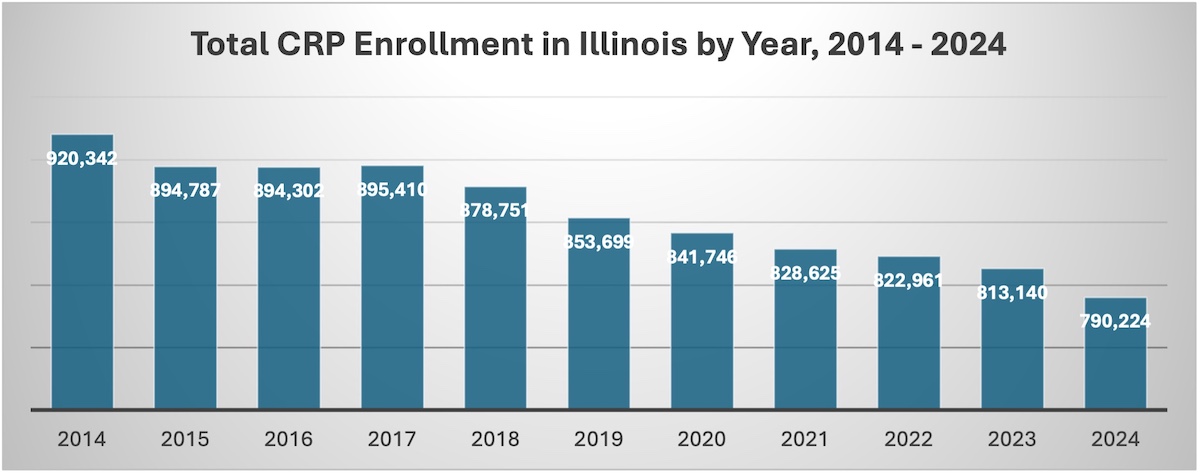
Based on this research, CRP and the Monarch CCAA yielded the largest milkweed gains. Both of these are voluntary programs that may have fluctuating enrollment over time. Continued investment in protecting and managing habitat in these working lands is necessary to provide habitat for monarchs.
With the monarch butterfly proposed for federal listing as a threatened species, and automatic listing under the Illinois Endangered Species Protection Act, stakeholders expressed a wide range of expectations. Some hope it will bring clarity, while others fear it may weaken interest in voluntary conservation for fear of created habitat being regulated.
Despite these challenges, Illinois is making meaningful progress in monarch conservation. With more than 108 million new stems added, Illinois is showing what is possible when people across the state work toward a shared goal. The Midwest hosts the heart of the monarch’s migratory breeding range. What happens here in Illinois has consequences all the way to the overwintering grounds in the mountains of central Mexico.
As agencies move from voluntary monarch conservation to regulation, their financial support to the Illinois Monarch Project is uncertain. However, conserving habitat for monarchs and other pollinators remains important and should continue. Even though planning and implementing voluntary conservation efforts for monarchs has not prevented the U.S. Fish and Wildlife Service from considering a federal listing, voluntary conservation is essential to creating and sustaining habitat for monarchs and other imperiled pollinators in Illinois.
The monarch is more than a butterfly; it is a symbol of connection. Its migration unites landscapes and communities across a continent. Its recovery requires millions of local decisions, from planting milkweed to adjusting mowing schedules, to supporting habitat restoration. This research shows that action happens when Illinoisians come together around a shared goal. And when the action leads to habitat conservation, the monarchs find their way home.
You can read the full research technical report here.
Dan Salas is the Director of the Sustainable Landscapes Program at the University of Illinois Chicago’s Energy Resources Center where he and the team work on integration of biodiversity and infrastructure. The program facilitates to the Rights-of-Way as Habitat Working Group, which leads initiatives such as a nationwide conservation agreement for the monarch butterfly on energy and transportation lands, and a companion at-risk bumble bee conservation agreement. Salas enjoys all things outdoors. Outside of work, you’ll find him on a trail, along a stream, or in the woods.





Submit a question for the author
Question: Did you calculate the acreage being committed to community based and large scale solar projects in Illinois. The Illinois Shines program is the incentive.