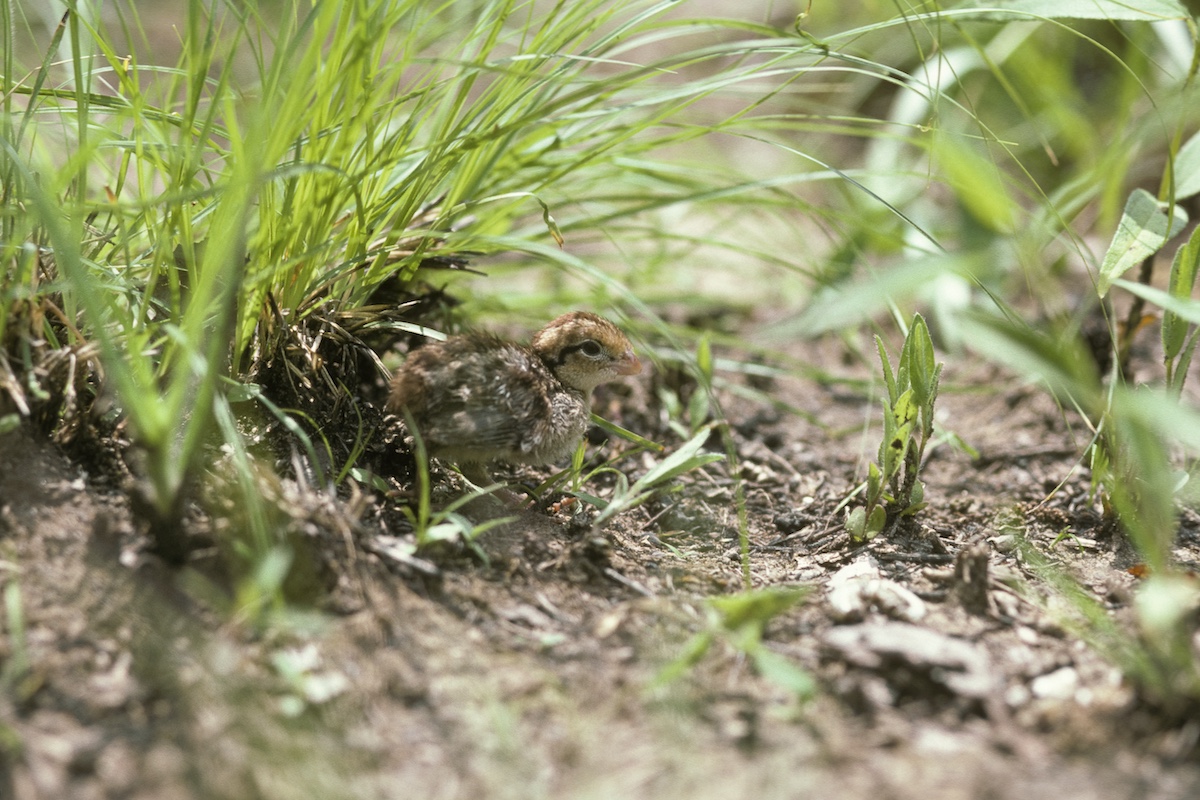
Bobwhite chick. Photo by Jim Rathert. Courtesy of the Missouri State Archives from the Missouri Department of Conservation Photograph Collection.

Bobwhite Reproduction in Illinois Agricultural Landscapes
| May 1, 2026 | Wildlife
In the February 2026 edition of the OutdoorIllinois Journal, I discussed the winter weather conditions that are likely to reduce over winter survival of bobwhites in Illinois. Short-term winter weather effects were once balanced by successful reproduction and recruitment in subsequent years, but consistently milder winters in recent decades coupled with continued population declines indicate that juvenile recruitment into the fall population and/or reproduction rates are declining. As we approach the season when the reproductive efforts of bobwhites begin, I will outline the factors responsible for the steep, long term decline in numbers observed since the early 1970s.
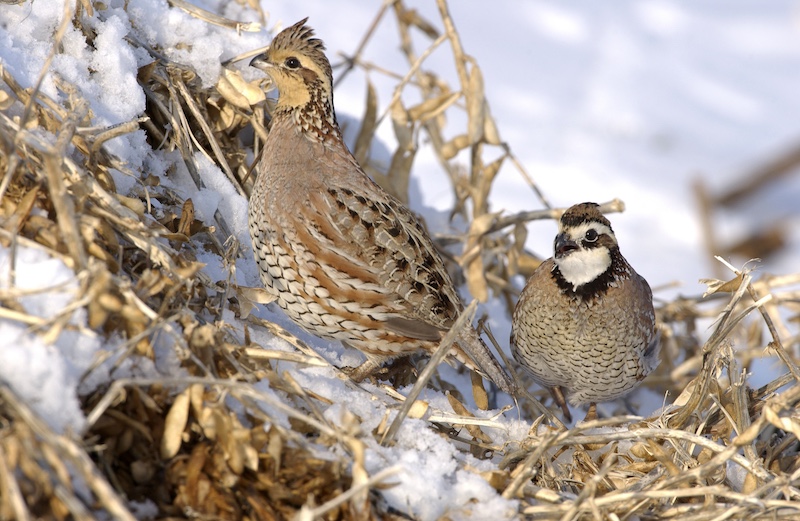
As a short-lived species with high reproductive potential, bobwhite numbers fluctuate substantially year after year. Researchers at Southern Illinois University-Carbondale documented an average of 25 percent annual population changes over the course of a 26-year study. During the study, populations increased as much as 80 percent and decreased as much as 60 percent in a single year.
All species depend on successful reproduction for survival, however; species with high rates of annual mortality are particularly vulnerable. Long-lived species can cope with a year or two of poor reproduction. Though all essential components of habitat for bobwhites have declined because of land development and intensification of agriculture, the loss of wooded edges, nest cover and brood habitat have been particularly impactful.
Ideal Quail Habitat Consists of Open Land and Shrubby Areas
Studies of land cover compared with bobwhite abundance in Illinois indicated the highest densities occurred in areas with 10 to 25 percent shrubby fencerows, stream margins and brushy forest edges. Areas without woody edges will not support bobwhites. In areas with high bobwhite densities, open land occupies 75 percent of the area and consists of a mix of row crops, small grains, pasture and idle land, including land enrolled in the Conservation Reserve Program.
Value of Herbaceous Cover
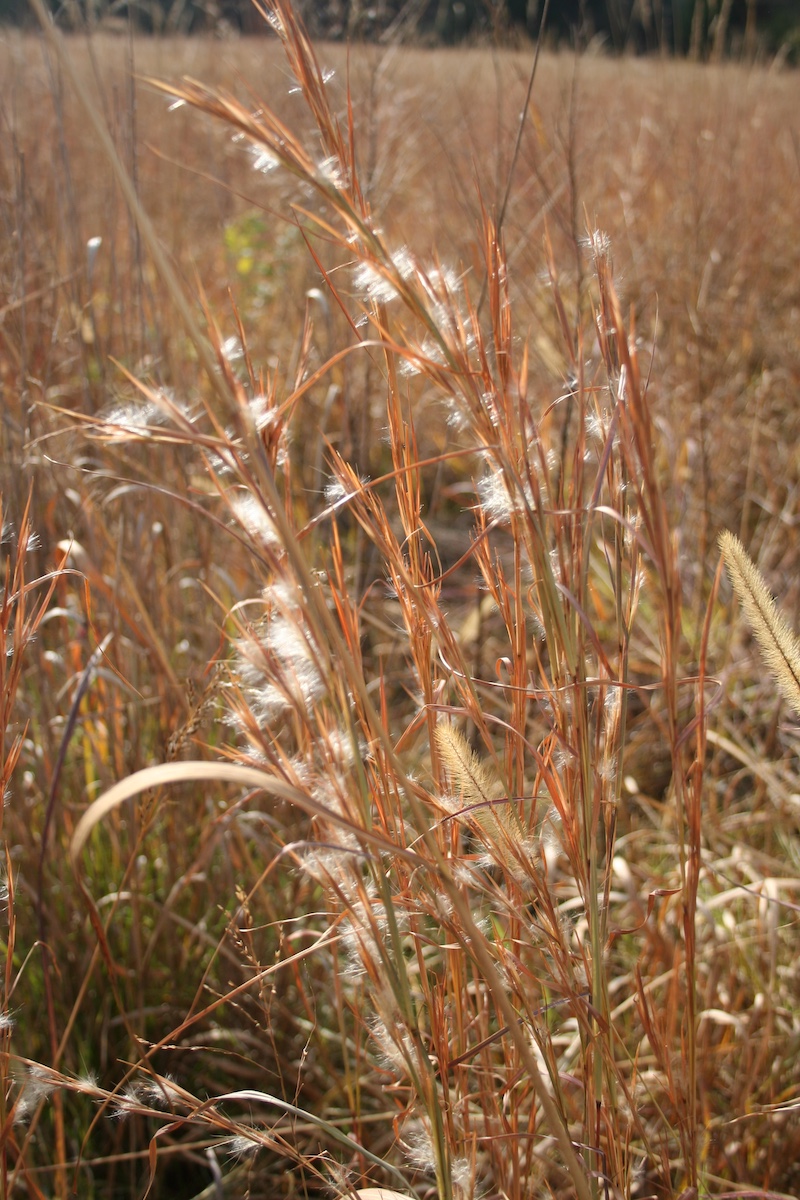
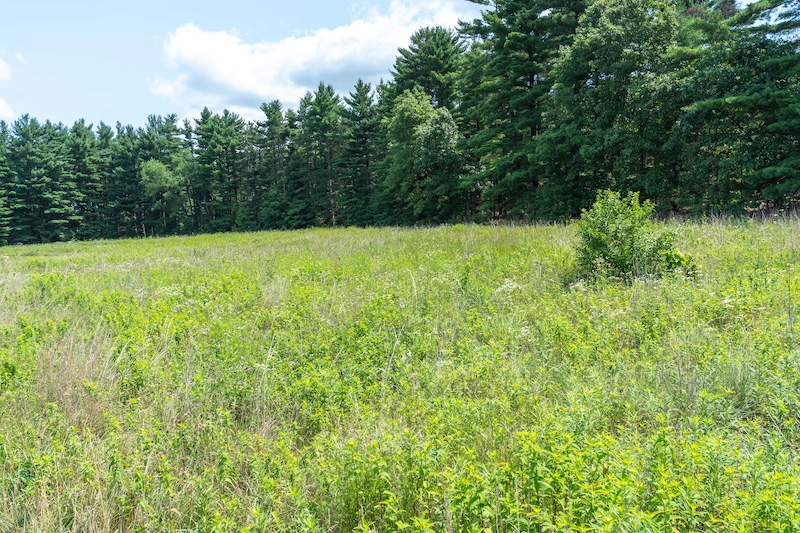
Within the open land, some herbaceous cover must be suitable for nest establishment. In an examination of 750 nest sites on a southern Illinois study area, all were constructed of dead grass stems. Many were established at the base of a clump of broomsedge (Andropogon virginicus), a species with a growth form very similar to little bluestem (Schizachyrium scoparium). Nest sites were well drained in moderate stands of grass/forb groundcover. Nests were usually close to an open area of bare ground and often near a field edge. Nests were found in idle fields, fencerows, unmowed roadsides, unimproved pasture and set aside cropland. Dense stands of fescue, smooth brome and legumes were not used.
To maximize success of nesting bobwhites and other upland game, delay mowing during the nesting season (April through August) and leave some areas of habitat standing throughout the year. Good upland habitat will look “messy.”
Nesting Season
Bobwhites spend the fall and winter months in mixed age and sex coveys averaging 15 birds. As day length increases and weather warms, coveys begin to break up. Pairs form and courtship may last several weeks. The first nests are usually built in late April or early May. Both sexes participate in nest construction which usually takes one or two days. Nests are typically dome-shaped with an opening on one side. Grass stems from the previous year are used in constructing the nest.
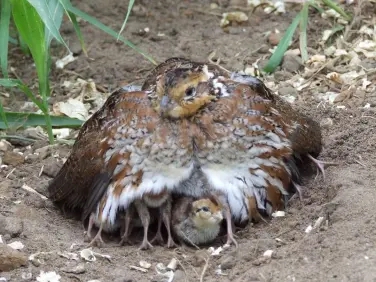
The hen begins laying eggs within a day or two of nest completion. She lays one egg per day until the clutch is complete. In Illinois, clutch size is usually 12 to 16 eggs. While laying, hens stay at the nest only to lay one egg. Incubation begins when the clutch is complete and lasts about 23 days. Hens incubate 75 percent of the nests and males incubate 25 percent of the nests.
During incubation, bobwhites tend to leave the nest for several hours in the afternoon to feed and interact with their mate. Bobwhites are likely to abandon nests if disturbed early in the incubation period but are reluctant to flush as hatching approaches. After hatching, the adults and chicks move away from the nest site to avoid predators and forage for insects. Hatchability averages 90 percent.
Chick Habitat Needs
Chick survival is not well documented because of the small size of the birds, but there is growing evidence that reduced chick survival is a leading driver of the range-wide quail decline. Bobwhite chicks must have access to weedy cover with an open understory to allow for easy movement for foraging while also providing a shade producing canopy for thermoregulation and protection from avian predators. Fields containing thin stands of legumes and forbs usually support high populations of insects, the primary food source for quail chicks. Without a steady source of insects during the first few weeks following hatch, chick survival rates drop significantly. Severe weather events (drought, heavy rains and unseasonably hot or cool temperatures) also greatly impact chick survival. Estimates of chick survival from hatching to fall are around 40 to 50 percent.
Vulnerability During Nesting Season
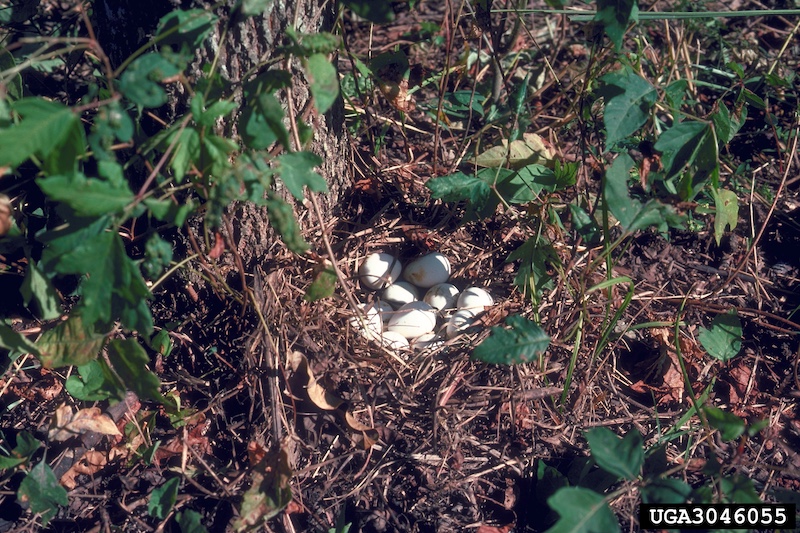
Ground-nesting birds, such as bobwhites, are subject to a variety of dangers. Only about one third of nests successfully hatch. In southern Illinois, predators destroyed 37 percent of nests, 12 percent were destroyed by farming activities and 11 percent were abandoned for unknown reasons. Predators included raccoons, opossums, skunks, foxes and a variety of snakes including rat snakes, king snakes and racers. Fortunately, bobwhites renest readily after an initial clutch is destroyed. One pair may renest two or three times depending on the progression of the nesting season. Unfortunately, clutch size declines with each renesting effort. Most biologists believe that a single pair will only produce one brood per nesting cycle, however, some research has documented instances where the hen produced a brood and the male also produced a brood. The importance of successful reproduction is demonstrated by the fact that fall bobwhite populations are 60 to 80 percent juvenile birds.
Impact of Land Use Changes
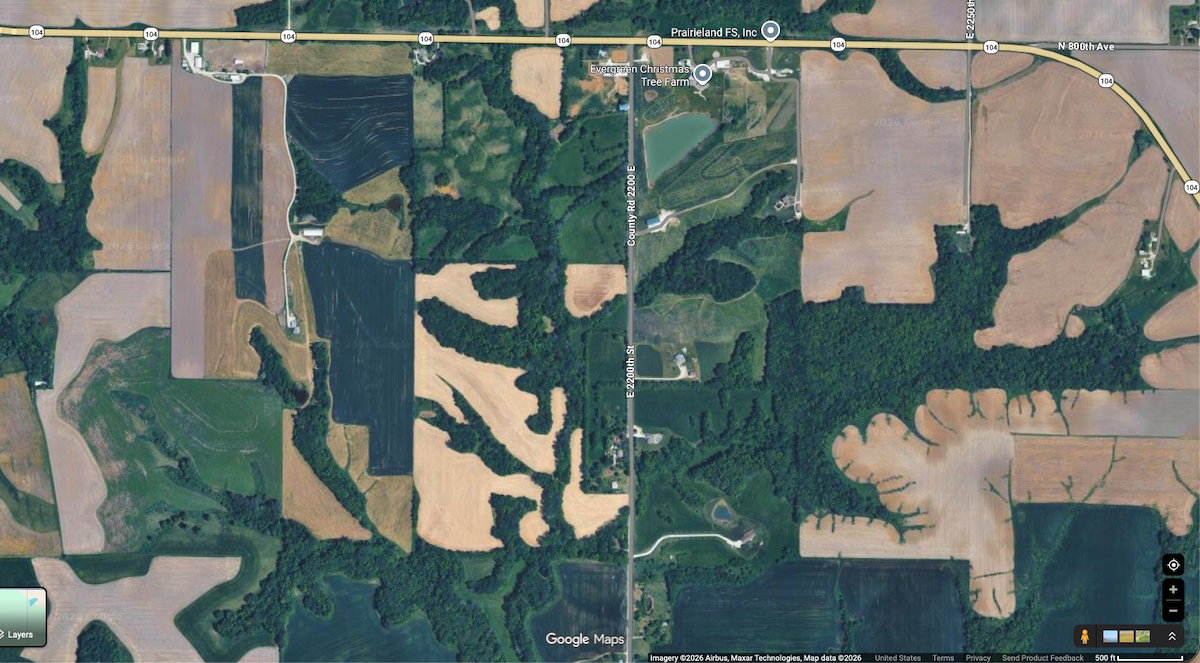
Since the early 1970s, land use changes have severely limited bobwhite habitat in Illinois. The Southern Illinois University research study area now consists of rural residences, permanent fescue pasture, several woodlots and several fields in corn soybean rotations and exhibits several of these changes.
Land devoted to farming has been adversely affected. Much woody habitat has been removed. Cropland is now devoted to corn and soybeans and most pasture is planted to dense stands of fescue or smooth brome. Loss of woody habitat eliminates the shelter and escape cover essential for bobwhite survival. In turn, intensive management of hay and pasture greatly reduces available nest cover and brood habitat. These trends show no signs of abating in the face of current agricultural policy.
Restoration of Grassland Habitat
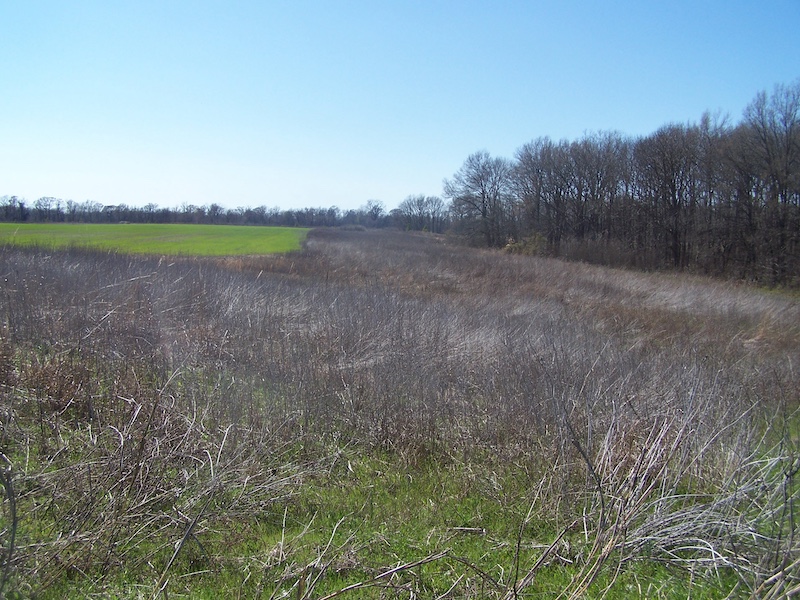
In the past, the main vehicle for restoration of grassland wildlife habitat in times of low commodity prices and excess production has been the United States Department of Agriculture’s programs for voluntary, incentive-based land retirement. Beginning in 1933, cropland was temporarily retired from production to control soil erosion during the Dust Bowl Years. After World War II, land retirement was again employed to deal with over-production and low grain prices. Retired acres were planted to mixtures of grasses and legumes to control erosion and improve soil health. As a side benefit, millions of acres of grassland wildlife habitat were created. Though species planted were often not ideal, the overall benefits were clearly reflected in the record small game populations of the 1950s and 1960s.
In 1985, once again farmers were faced with low grain prices and decreased demand as many acres of marginal cropland were pressed into production. This time, wildlife biologists were asked to provide input in the design of the Conservation Reserve Program (CRP). The program has now been in continuous operation for 40 years and has been periodically updated to meet the needs of farmers and enhance the program’s value to wildlife, especially grassland species.
At present, the CRP program is capped nationally at 27 million acres and faces an uncertain future as the newest iteration of the Farm Bill is still being debated in Congress. According to the Farm Service Agency, Illinois has 100 thousand acres expiring on September 30, 2026.
Although beneficial to wildlife, the CRP is not without its warts. Many acres have been planted to or invaded by inappropriate species, such as brome, fescue and sericea lespedeza. In addition, many acres have not received periodic disturbance in the form of prescribed burning, strip disking or herbicide treatment to thin stands, control woody encroachment, create a more open understory and encourage growth of forbs. Such disturbance is needed to maintain healthy grassland communities. Woody encroachment of unwanted trees and shrubs, such as cottonwood, maple, bush honeysuckle and autumn olive, degrades the habitat and has led to the overuse of mowing to maintain many CRP plantings in Illinois. Although not all CRP acreage provides prime bobwhite habitat, each enrolled acre has the potential to provide usable bobwhite habitat. Often when these contracts expire and are not re-enrolled in the program, acres tend to be returned to the plow, the cow or the real estate developer.
Farm Bill Practices That Benefit Quail
Currently there are 17 approved CRP conservation practices that provide opportunity to restore nest cover or brood habitat for bobwhite in Illinois. Below is a list of conservation practices with the greatest potential of providing nest cover or brood habitat for bobwhite.
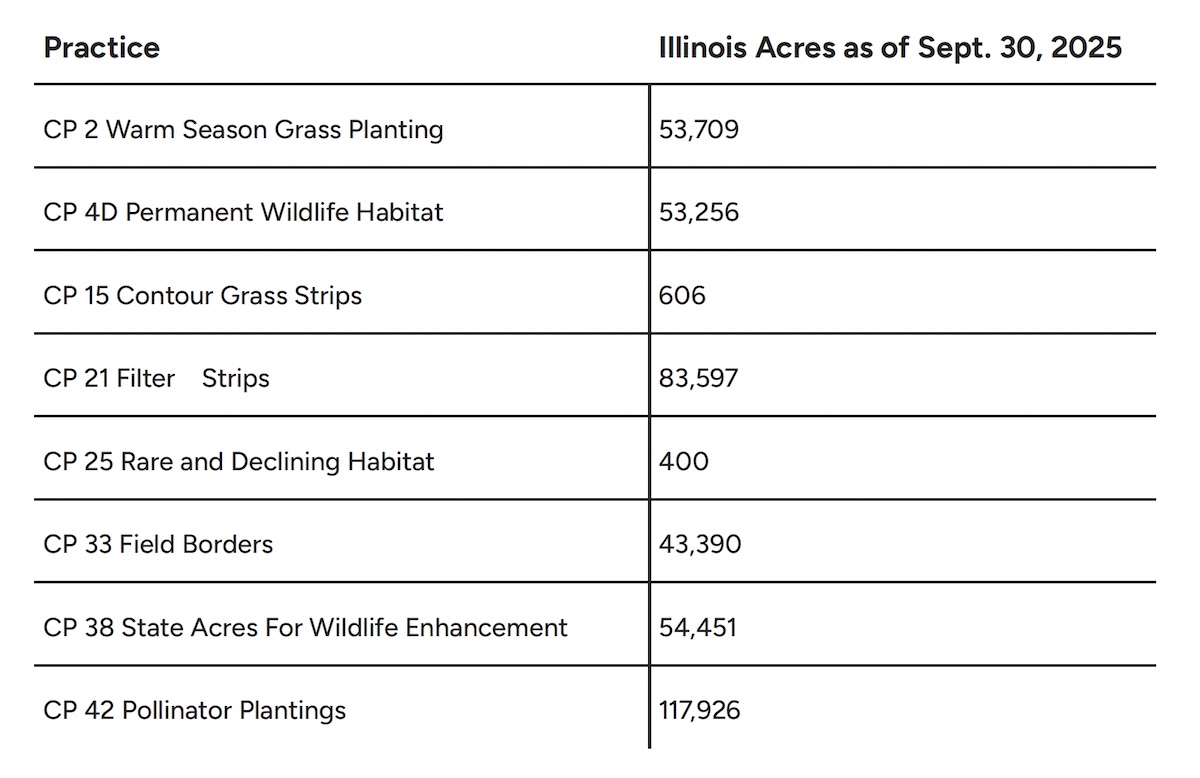
Also, working lands conservation programs such as Environmental Quality Incentives Program (EQIP) or Conservation Stewardship Program (CSP) provide opportunities to develop and maintain important quail cover. Contact your USDA office.
Recently there has been much discussion regarding the sustainability of natural resources. In addition to soil, water and air, native plants and wildlife resources must be included in these discussions. Reversing the steep, long term decline in bobwhite numbers depends on landowners willing to establish and maintain quality grassland habitat. Landowners are encouraged to explore opportunities to participate in working lands conservation programs designed to benefit bobwhite quail and other wildlife.
Reference
Roseberry, J. L. and W. D. Klimstra. 1984. Population ecology of the bobwhite. Southern Illinois University Press, Carbondale, IL. 259 pp.
John Cole grew up in Bradley (Kankakee County). He graduated from SIU Carbondale with BA in 1968 then served two years in the U.S. Army as medical technologist at Tripler Army Medical Center in Honolulu. After graduating from SIU Carbondale with an MS in 1973 he began to work for the then Illinois Department of Conservation as District Wildlife Biologist, headquartered in Gibson City in east-central Illinois. In 1993, Cole became the Illinois Department of Natural Resources Ag and Grassland program manager in Springfield, working there until his retirement in 2008.
Submit a question for the author
Question: Excellent article, thank you.
I would like to use a prescribed burn on 10 of my grassland acres in winter. Is there a time in the season when “my” bobwhites will have retreated to my wood edges? I plan to have a prescribed burn in 10 ac increments over the next 5 years to better manage my grassland: Fire has not been on this property for over 75 years.
I will work with a certified burn boss and volunteer crew for this year’s burn.
I have volunteered with IDNR on over 25 prescribed fires of prairies, glades, and forests.
Thanks again for your articles on Bobwhite Quail. I read your earlier one as well.
Question: Have you looked into new restored habitat provided by community based solar projects ?
Subscribe to our Newsletter
Explore Our Family of Websites
Similar Reads
Solar Installation Can Provide Meaningful Habitat
August 3, 2026 by Kathy Andrews Wright
Beneath the Boughs of a Witness Tree
August 3, 2026 by S.D. Shah, John Nelson
Seed for Thought: The nuances of feeding wild birds
August 3, 2026 by Laura Kammin
The Perks of Not Feeding Wildlife
August 3, 2026 by Laura Kammin
Meet the Staff: Brodie Eddington, District Wildlife Biologist
August 3, 2026 by Kaleigh Gabriel
Spring Lake Fish and Wildlife Area Undergoing Major Rehabilitation and Road Improvement Project
August 3, 2026 by Blake Bushman, Thad Cook
The Summer of the Ospreys—Part 2
August 3, 2026 by Carla Rich Montez
The Summer of the Ospreys—Part 1
August 3, 2026 by Carla Rich Montez
Fishing the Osprey Way
August 3, 2026 by Carla Rich Montez
Putting Fire on the Ground in Illinois
August 3, 2026 by Gilbert Randolph, Shel Wilks