
The antlers that white-tailed deer bucks are shedding provide calcium and other nutrients for woodland rodents. Photo by Lynn Hawkinson Smith.

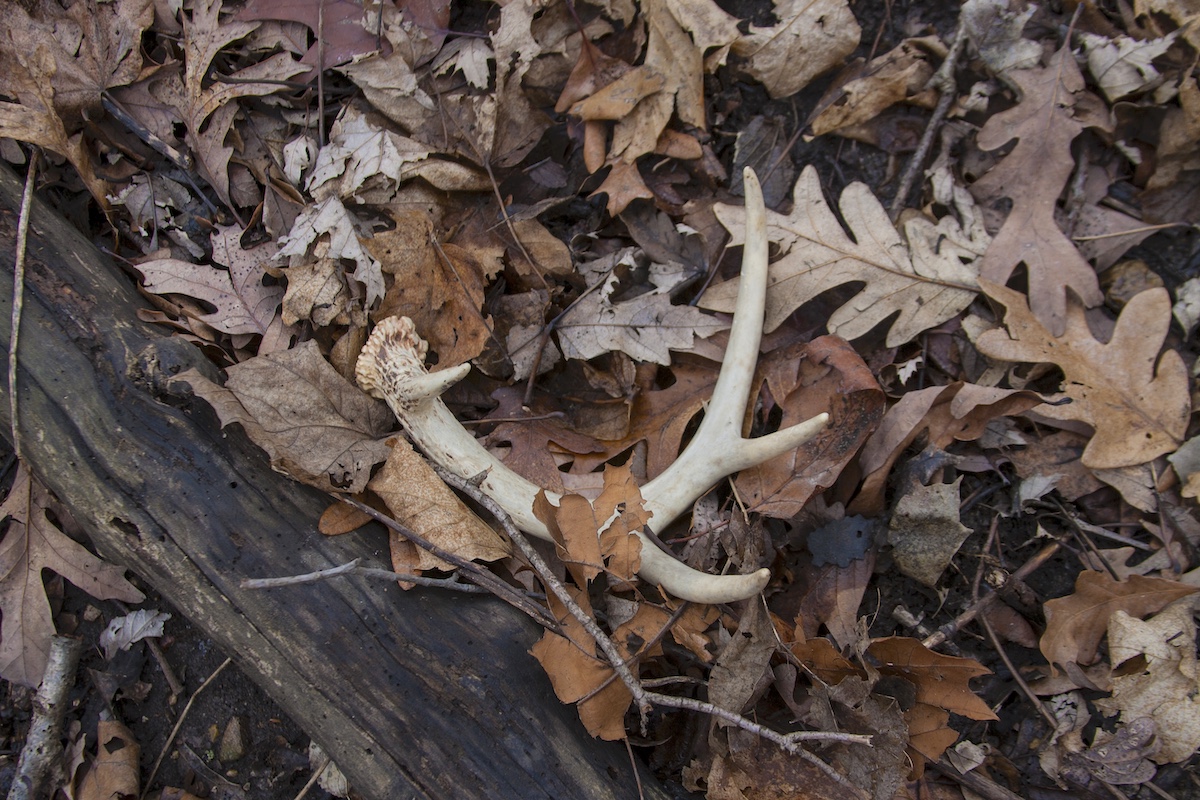
The antlers that white-tailed deer bucks are shedding provide calcium and other nutrients for woodland rodents. Photo by Lynn Hawkinson Smith.
In part three of our series highlighting nature’s seasonal* activities, we watch Illinois wildlife transition from winter to spring.
With the breeding season concluded, white-tailed deer bucks are shedding their antlers and will grow another set. In the meantime, those sheds will provide calcium and other nutrients for the woodland rodents who gnaw on them.
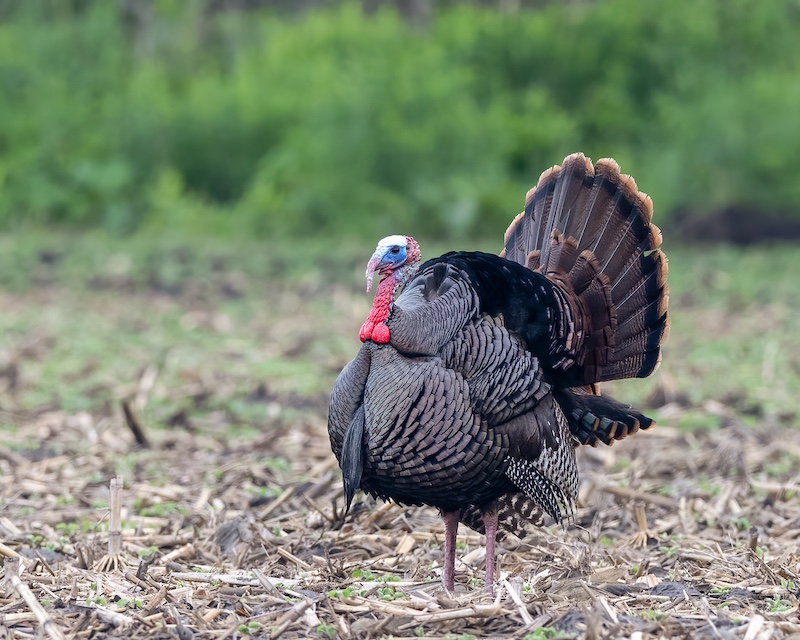
Breaking the silence of winter is the sound of birds. Listen for the song of the black-capped chickadee, one of the first birds to sing in the new year. Soon male northern cardinals start calling, pileated woodpeckers begin drumming, and wild male turkeys gobble. And while all these declarations are a welcome sign that spring is coming, they serve an important purpose. Songs and drumming establish territories and attract mates.
So, breeding and nesting are under way. Canada geese pair up, screech owls begin mating and great horned owls construct their nests. That flash of color at the feeder is the American goldfinch who is molting into his bright yellow breeding plumage.
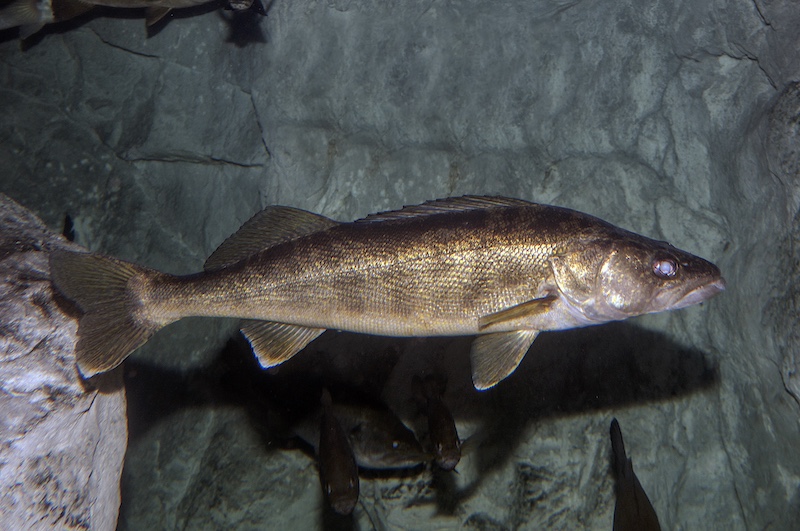
Mating is also top of mind among the mammals. Skunks, raccoons, woodchucks, mink and bobcats are all breeding this month, and coyotes are filling the night with their howling in search of a mate. In their treetop nests, fox and gray squirrels are bearing their first litters. If the temperatures warm sufficiently, salamander courtship begins later this month, and walleye activity increases as spawning approaches.
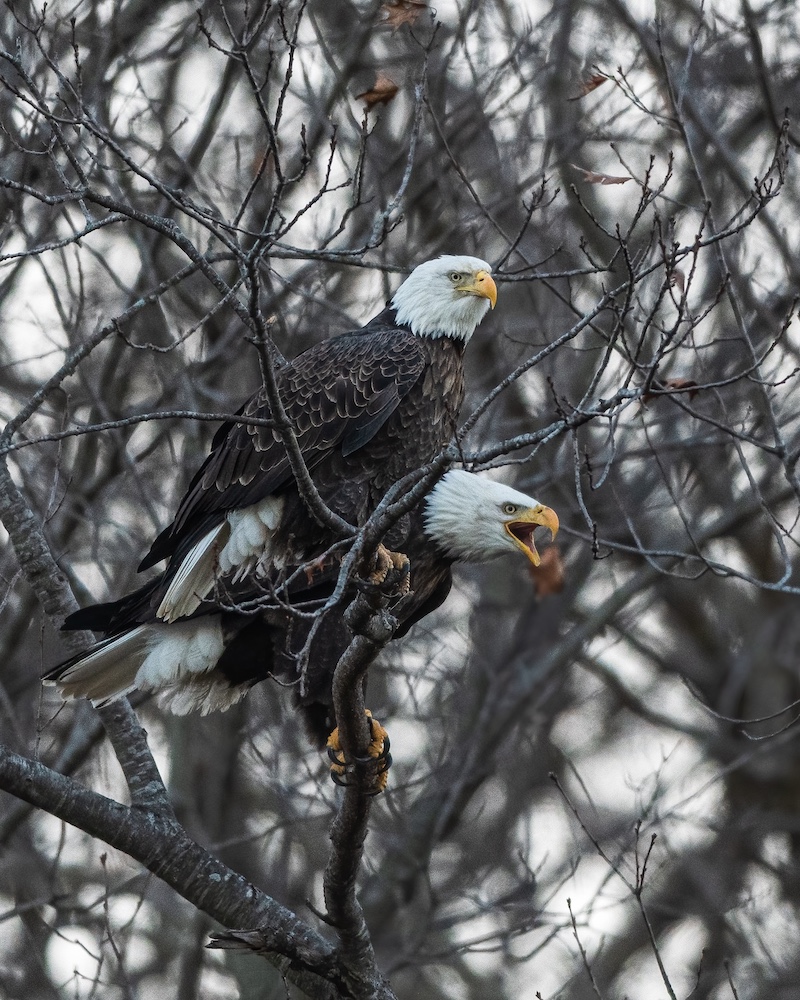
More to notice in February. Mallards and wood ducks return; cedar waxwings flock in the trees and shrubs; bald eagles feed near open water; northern pike and muskellunge stage for their early spawn.
Migration is in full force with many birds returning: American robins, turkey vultures, killdeer, great blue herons, eastern bluebirds, field sparrows, red-winged blackbirds, mourning doves, common grackles and barn swallows are some of the birds you’ll notice this month. They will all be busy with mating, nesting and egg-laying. If you have a chance, head to an open field at dusk or dawn in hopes of seeing the spiraling flights of the American woodcock. Impressive.
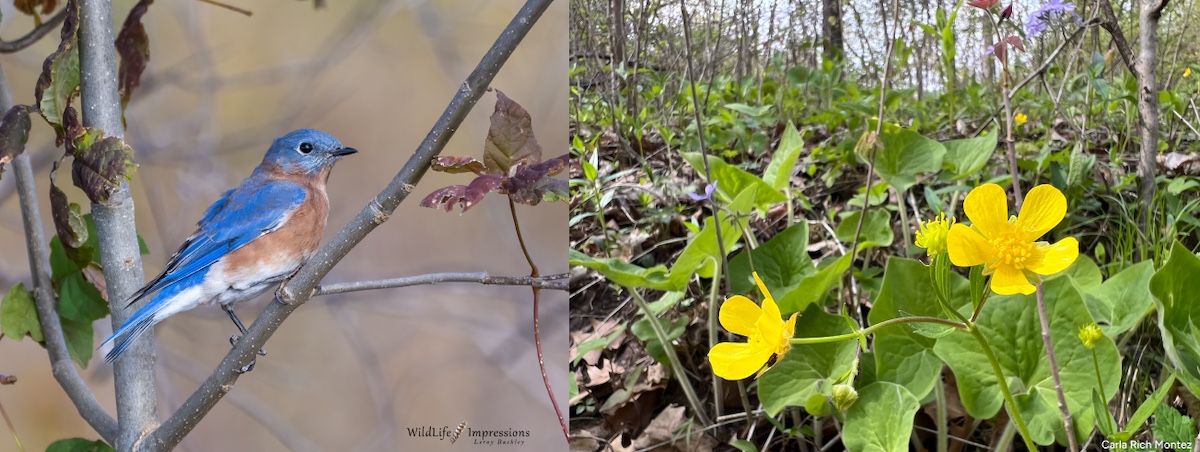
On warm days, look for wildflowers in the woods. They will attract bees and the first butterflies and moths. Those same mild temperatures will bring out chorus frogs.
Breeding continues for skunks, muskrats and raccoons while the mammal maternity ward welcomes the birth of opossums, eastern cottontails and red fox kits.
In lakes and rivers, fish spawning is underway, especially where there’s snow melt flooding. Walleye and sauger provide anglers with some of the best fishing of the year.
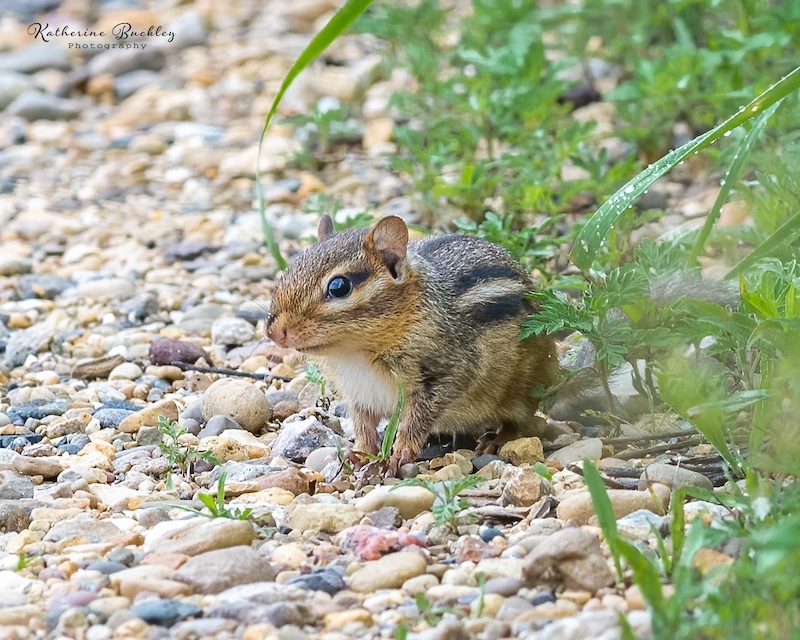
More to notice in March. Warblers arrive; bald eagles begin egg incubation; northern bobwhite quail coveys break up; walleye spawn; wild turkeys breed; hibernation ends for chipmunks; nesting begins for barred owls, wood ducks and resident Canada geese.
Nearly every bird and beast experiences the arrival of young during April, and those that don’t are simply waiting. If you’re lucky, you might see the offspring of raccoons, beavers, woodchucks, river otters, coyotes and muskrats. Underground the eastern mole is also having babies.
Meanwhile, birds are starting their families, too. Canada geese, eastern bluebirds, American robins, mourning doves, American crows, mallards, ring-necked pheasants and northern bobwhite quail are building nests. Nearby bald eagles, American woodcocks and wild turkeys are hatching eggs and feeding their young.
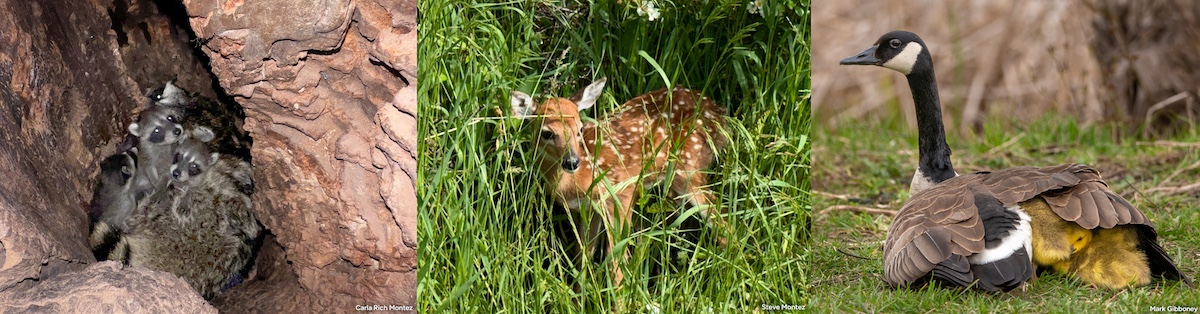
While you’re enjoying all these new arrivals, remember to watch – but don’t touch – the babies of birds or mammals. A parent is probably nearby even if you think its baby has been abandoned.
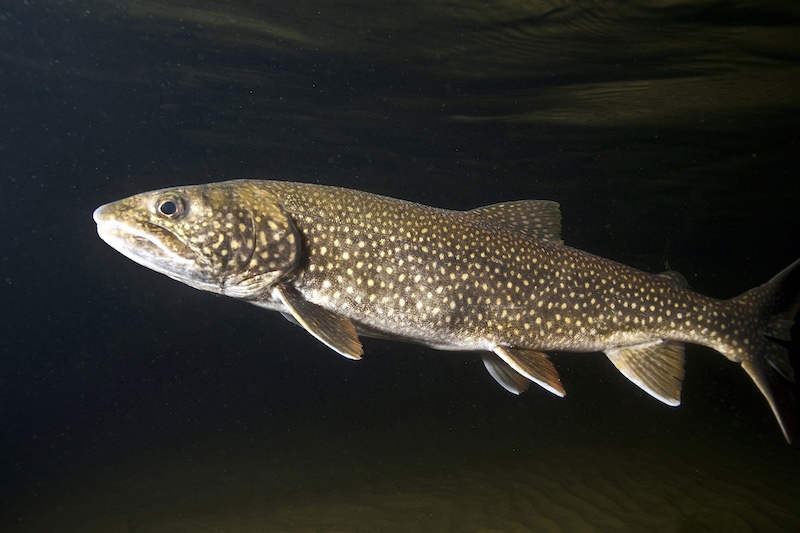
Spring trout season opens this month bringing anglers back to the lakes and streams in force. In the warmer waters, watch for the spawning of bass, bluegill, crappie and carp. In the shallows, catfish are biting.
Insects emerge in abundance. Especially dramatic is the massive emergence of mayflies which fill the bellies of nearly every creature, especially birds, fish, reptiles and amphibians. Watch for other insects too. Honeybees swarm. Tent caterpillars construct their nests. Luna moths collect around porch lights. In the forest, zebra swallowtails enjoy the latest wildflower blooms.
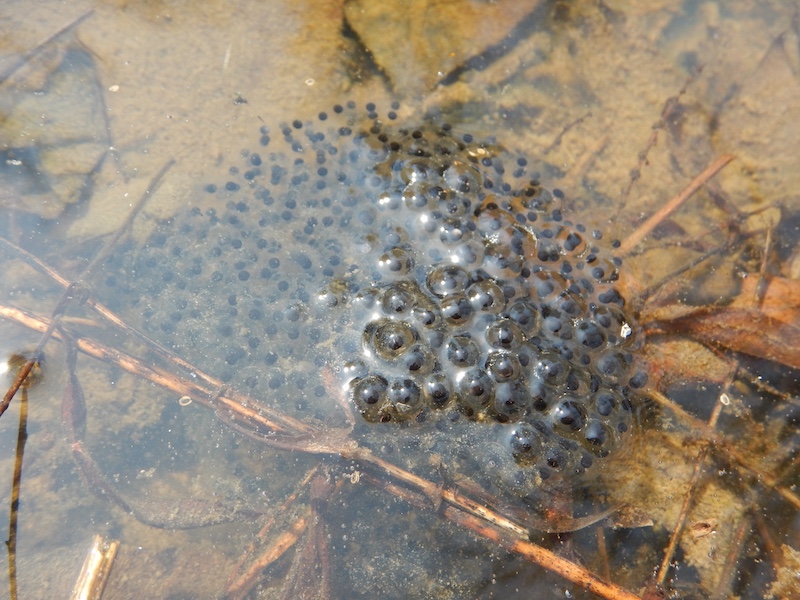
More to notice in April. White-tailed bucks grow antlers; wild turkey gobbling continues; painted turtles warm-up in the sun and begin laying eggs; American toads sing; common garter snakes emerge from hibernation; gelatinous egg masses of some frogs are now evident in ponds and backwaters; little brown bats return.
*Some of the events described in this story may occur in your location at different times than those reported in the story. This can be explained by the variation in latitude between Illinois’ northern and southern borders, an area which represents about a two- to three-week difference in the timing of natural events.
In this story, the seasonal activities reflect those observed primarily in the central part of the state.
Carla Rich Montez is an outdoor writer living in Peoria County. She is a regular contributor to OutdoorIllinois Journal.





Submit a question for the author