
All photos by Sam Stukel, USFWS.

All photos by Sam Stukel, USFWS.
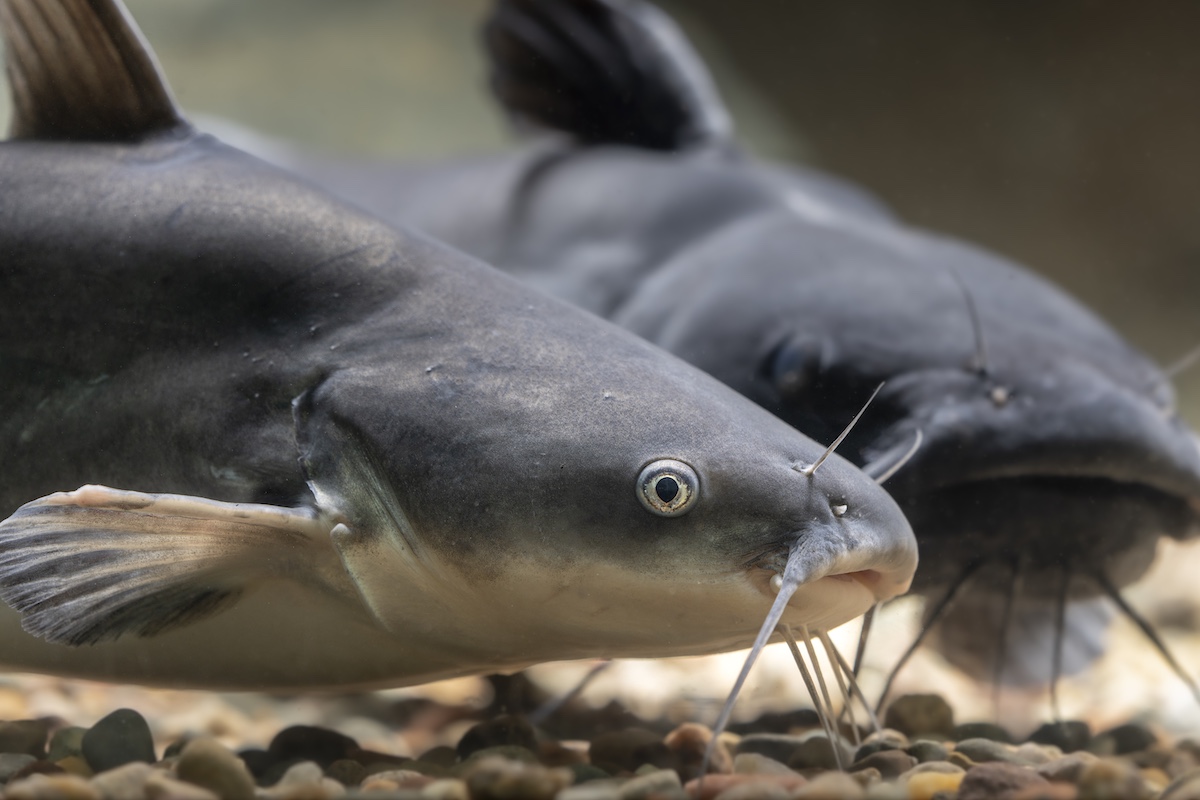
Few fish in Illinois have captured anglers’ attention like the blue catfish (Ictalurus furcatus). Known for their size, strength and toughness, blue catfish have gone from being little-known river residents to top targets in cooling lakes and large reservoirs. As more anglers have become interested, the Illinois Department of Natural Resources (IDNR) has also focused more on studying and managing them. Learning about their natural history, ecological role and how they became a trophy fishery gives us a better insight into one of Illinois’s most interesting warm-water game fish.
Blue catfish come from the Mississippi River basin and are usually found in big rivers, such as the Mississippi, Ohio and Wabash in Illinois. They like deep river areas with moderate currents and bottoms of sand, grave, or clean mud, where they can live year-round in warm water.
If you look at the history of blue catfish in Illinois, you’ll find a story that’s simultaneously intriguing and full of surprises. These fish didn’t always get much attention, quietly living out their lives in the state’s winding rivers and hidden corners. But over time, as more anglers discovered their impressive size and fighting spirit, blue catfish started to attract the imagination of the fishing community. Today, they’re not just river dwellers—they’re stars of lakes and reservoirs, showing just how flexible and tough they really are.
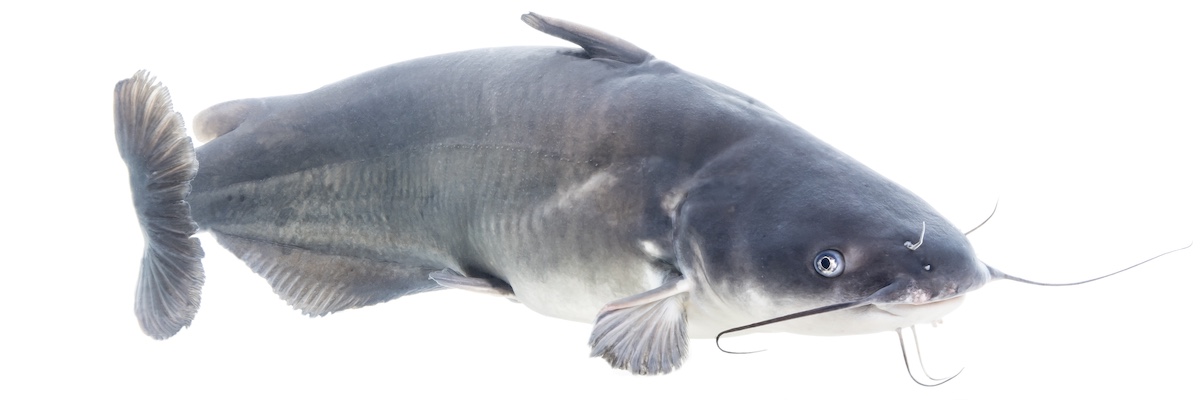
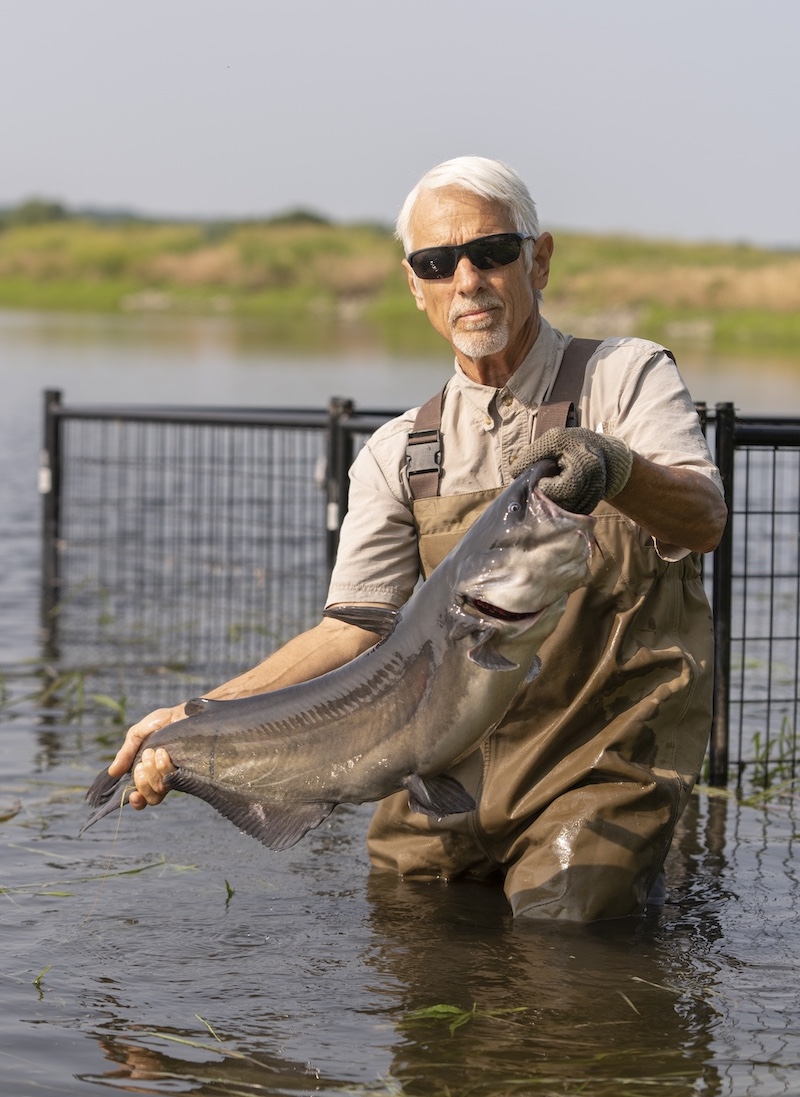
Blue catfish look different from their close relatives, the channel and flathead catfish. They have a long, straight-edged anal fin, no spots on their bodies and pale blue-green sides with a white belly. Adult blue catfish usually measure between 20 and 44 inches long, but some have grown much larger—the current Illinois record is 124 pounds.
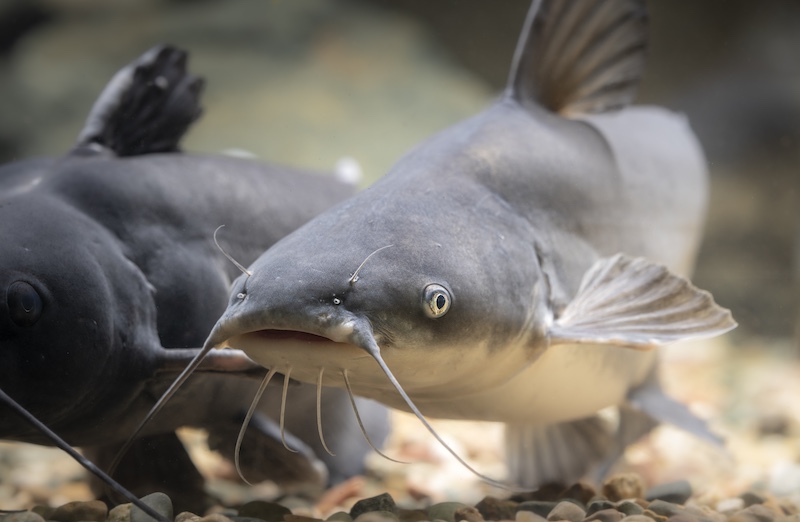
Like other North American catfish, blues are bottom-oriented fish that use sensory barbels (whiskers) to detect food in reduced light environments. They are opportunistic feeders, consuming a diverse diet of fish, crayfish, clams, mussels, aquatic insects, frogs, salamanders and other bottom-dwelling prey.
Reproductively, blue catfish spawn in spring and early summer as water temperatures rise. Males excavate nests under submerged logs, rock ledges or sheltered cavities. They guard the eggs and emergent fry for a period after hatching, which in turn raises the young’s survival chances.
In their native rivers, blue catfish play a vital role in the food web. As top predators on the bottom, they help control the numbers of smaller fish and invertebrates, which keeps the ecosystem balanced. Their eating habits change based on what food is available, showing how well they can adapt to different environments.
Blue catfish are top predators, which brings both benefits and challenges for those managing fish populations. They can help control invasive or overabundant prey, maintain species richness and support native fish by reducing competition. However, when blue catfish are introduced into new areas or their numbers grow too high, they may compete with other top predators or affect prey populations. This could upset the ecosystem’s balance and harm sensitive species. That’s why it’s essential to keep a close watch on blue catfish and adjust management tactics as required. This could include changing stocking numbers, setting fishing rules or improving habitat diversity. These steps help protect prey species and reduce negative impacts. Fortunately, in many parts of Illinois, blue catfish have coexisted with other fish without causing major problems for native species.
Blue catfish are more than just another fish in Illinois—they fascinate anglers who hope to catch something huge. Their size and strength have turned them from hidden river giants into stars of big lakes and reservoirs. As more people fish for blue catfish, experts at the Illinois Department of Natural Resources have worked to learn more about them and maintain healthy populations. Looking at their history, role in the ecosystem, and rise as a trophy catch shows why blue catfish are such an important part of fishing in Illinois.
Unlike some non-native fish, blue catfish are native to Illinois’ major river systems and thus are regarded as part of the state’s natural fish fauna. Their usage in managed waters (cooling lakes and reservoirs) is a deliberate enhancement of existing populations rather than an introduction of a non-native invader.
In the past, blue catfish mostly lived in rivers in Illinois and were rarely found in lakes or other smaller bodies of water. This started to change in the early 2000s when IDNR fisheries managers and partners began stocking blue catfish in large reservoirs and power-plant cooling lakes to create new fishing opportunities.
The impetus for this shift stemmed from different aspects:
Power plant reservoirs, where cooling water keeps temperatures higher, create unique environments. The warmer water helps blue catfish grow faster and feed for longer periods each year. Recent research from Eastern Illinois University has examined how this warm water affects blue catfish populations in Midwest cooling reservoirs, providing important insights for future management.
Interest in blue catfish among anglers has increased a lot over the past 20 years. What used to be a niche activity for riverboat anglers is now popular on many of Illinois’s warm-water public lakes. During this time, the percentage of catfish anglers going after blue catfish has grown from 8 percent to 21 percent. Several reasons explain this big jump in popularity:
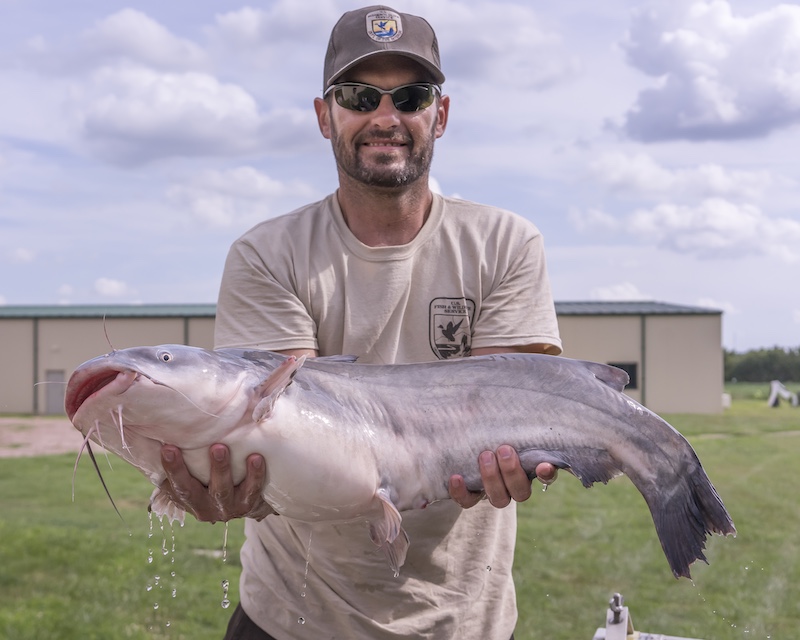
Blue catfish are now well-known and vital to Illinois’s natural environment and outdoor activities. Regular surveillance, careful stocking, and habitat management will determine the future of blue catfish fishing. The IDNR’s fisheries experts will continue working to protect the ecosystem and provide good fishing experiences, ensuring blue catfish remain a valued part of Illinois’s fishing tradition.
For anglers who want big fish, a good fight, and year-round fishing, blue catfish offer a challenge and reward that few other species in Illinois can match, whether in the deep channels of the Mississippi or the warm waters of cooling lakes during winter.
Gretchen Steele hails from Coulterville. Steele is a freelance outdoor communicator. Her award-winning work appears as a regular columnist and contributing feature writer for Illinois Outdoor News and several Illinois newspapers. She enjoys spending her time afield as a volunteer for the Illinois Department of Natural Resources, Delta Waterfowl Foundation, Retrievers Unlimited, and various other conservation organizations. Steele is a member of the Illinois Conservation Federation Outdoor Hall of Fame. She is the Past President of Missouri Outdoor Communicators and remains an active member. Steele is a current and active member and formerly served on the Board of Directors with Association of Great Lakes Outdoor Writers.





Submit a question for the author