

Photo by Leroy Buckley.

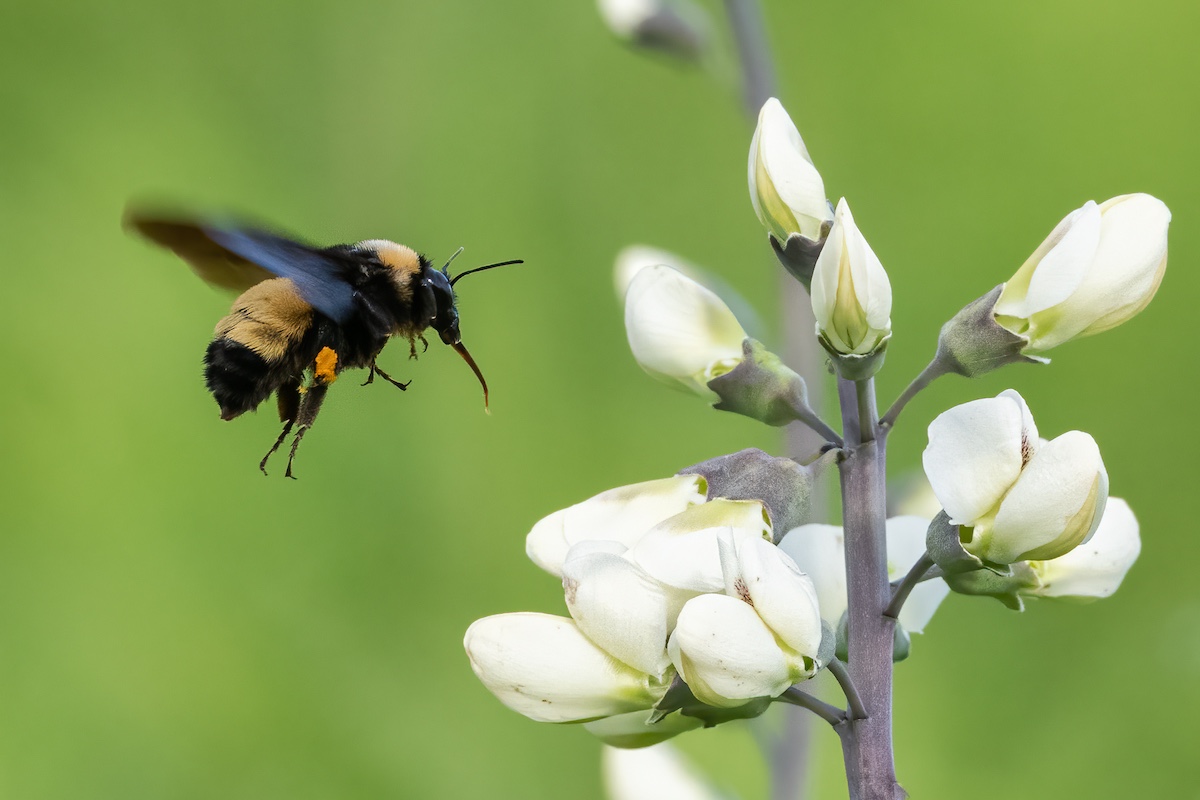

Photo by Leroy Buckley.
In this final story of our series highlighting nature’s calendar, we feature the activities of Illinois wildlife during May, June and July.
May is a month of explosive activity. Migration peaks; young arrive; plants bloom and pollinators feast. Abundance is everywhere!
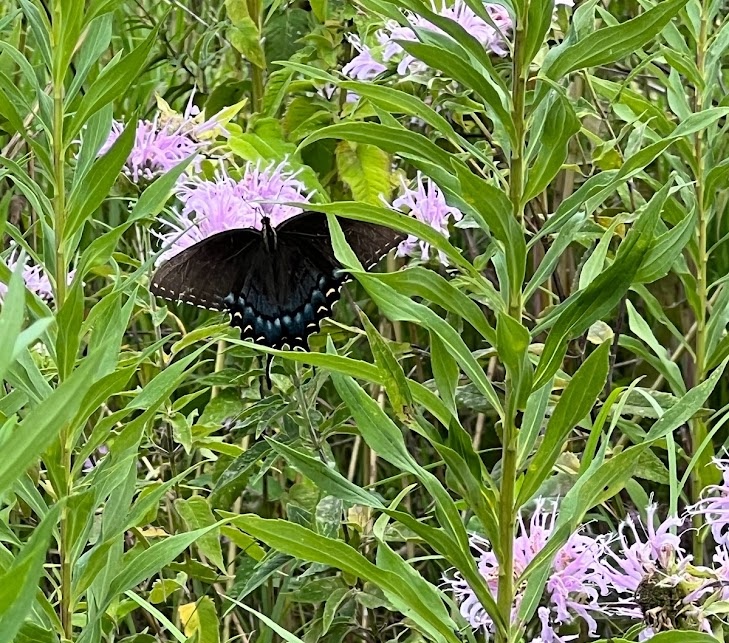
On cue, insects emerge just in time to dine on the nectar of springtime blooms while also offering plants a dusting of pollen. Look for butterflies, especially monarchs, June bugs, fireflies and carpenter bees.
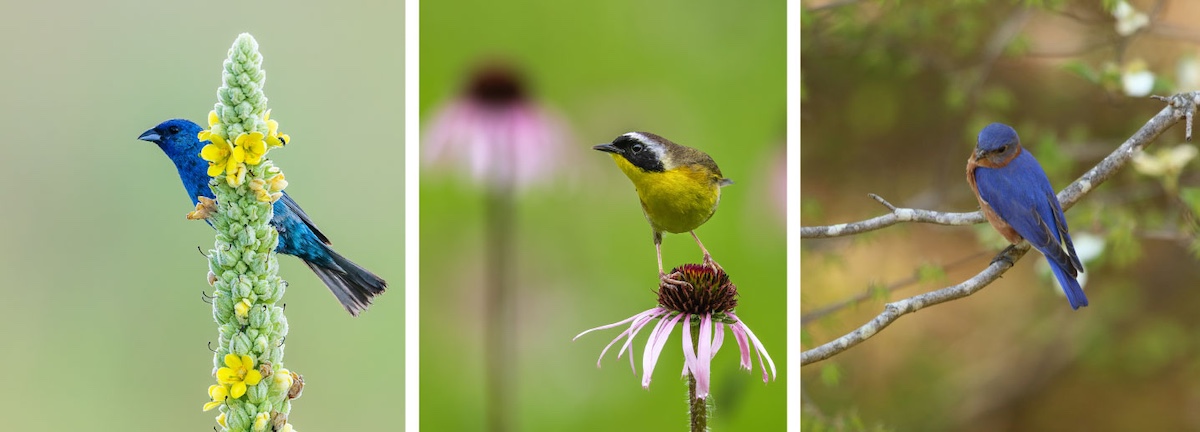
Watching all this insect activity are the songbirds. Warblers, eastern bluebirds and indigo buntings are among those whose hungry chicks will be grateful to dine on all those plump insects and bees. In wetlands, Canada geese, wood ducks, snipe and rails are also starting their families while tadpoles appear in ponds, toads call and beaver kits paddle around.
You’ll probably see fox snakes, black rat snakes and prairie kingsnakes as you trek the fields and forests. But don’t be alarmed. They’ve just come out of hibernation and are not aggressive or harmful to humans or pets. They’re only trying to rebuild their fat reserves by foraging for rodents.
In meadows and along roadways, the first hatchlings of grassland birds are active. Watch for turkey poults and the chicks of meadowlarks, bobwhite quail and ringed-neck pheasants who are feeding on the ground. And be careful where you mow! Ground-nesting birds rely on the protection of those tall grassy habitats.
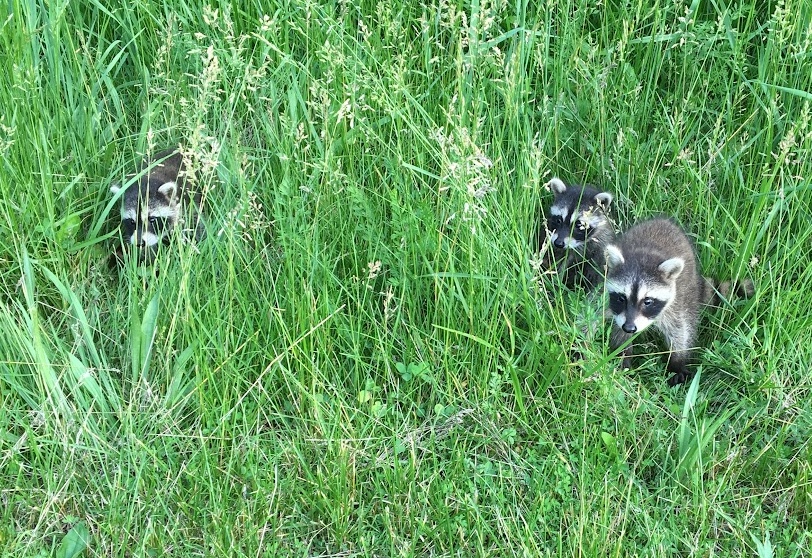
Among the mammals, coyotes, white-tailed deer, skunks, raccoons, opossums and mink are bearing their young. Meanwhile, waterways have warmed, and many species of fish are spawning. Male smallmouth bass, crappies and bluegill are busy making their nests and guarding the eggs and fry. It won’t be long before the waters are full of baby fish seeking refuge along the shoreline.
In short, little wild ones seem to be everywhere in May!
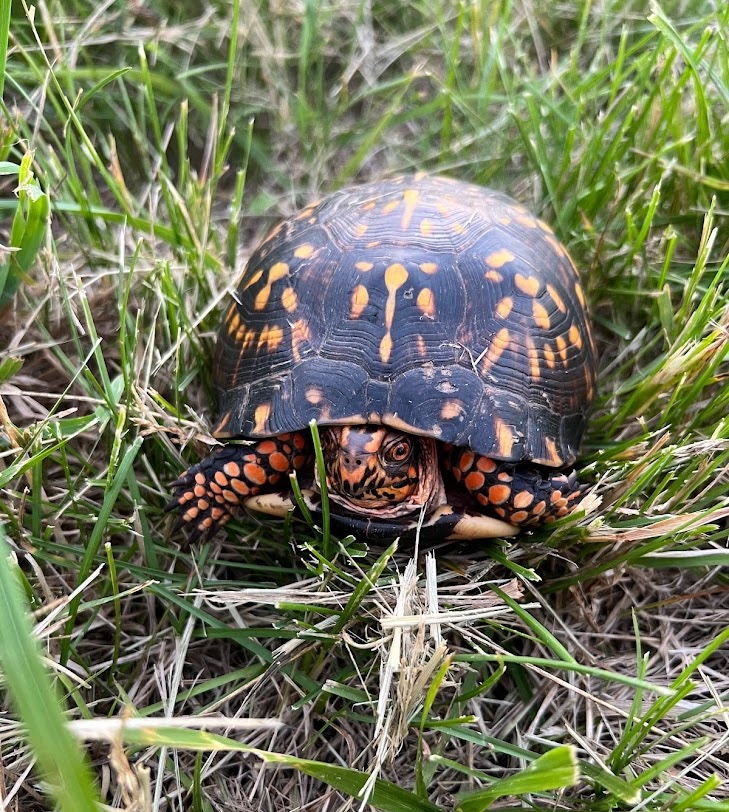
Baltimore orioles, chimney swifts and common nighthawks arrive; shorebirds are plentiful; red-tailed hawks continue to nest; painted turtles lay eggs; the mating calls of male gray treefrogs are heard in the trees especially during rain events.
Nesting activity peaks during June with more babies arriving. On the water, look for the young of black-necked stilts and blue-winged teal while red-winged blackbird chicks call from the cattails. Along the shore, egret chicks forage and herons search for food for their chicks while male bullfrogs, calling to attract a female, provide background music from the shallows.
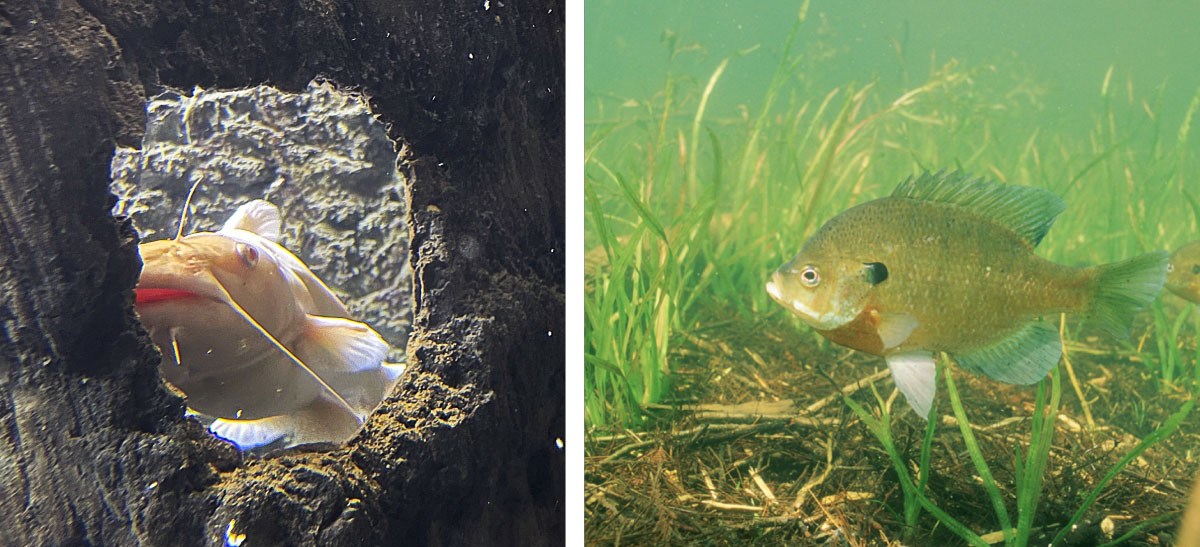
In the water, catfish are spawning in submerged logs and vacant beaver dens along the bank while bluegill have finished their first spawn of the year. They will build their energy reserves before making another attempt to pass on their genes in the fish community.
In the avian world, eastern bluebirds lay their second clutch of eggs and bald eagle chicks fledge. At dusk, watch for the courtship rituals of the male common nighthawk. He climbs high into the sky, turns and then dives. The “booming” sounds he makes are the result of air rushing through his feathers and are meant to attract females – an impressive display!
Among the insects, dragonflies and damselflies congregate by ponds and streams while pollinators flourish on the continuous blooms of summer. And though they’re not true insects, chiggers are also present. If you happen to visit an area that’s wet, overgrown or dense with vegetation, be prepared for chigger bites.
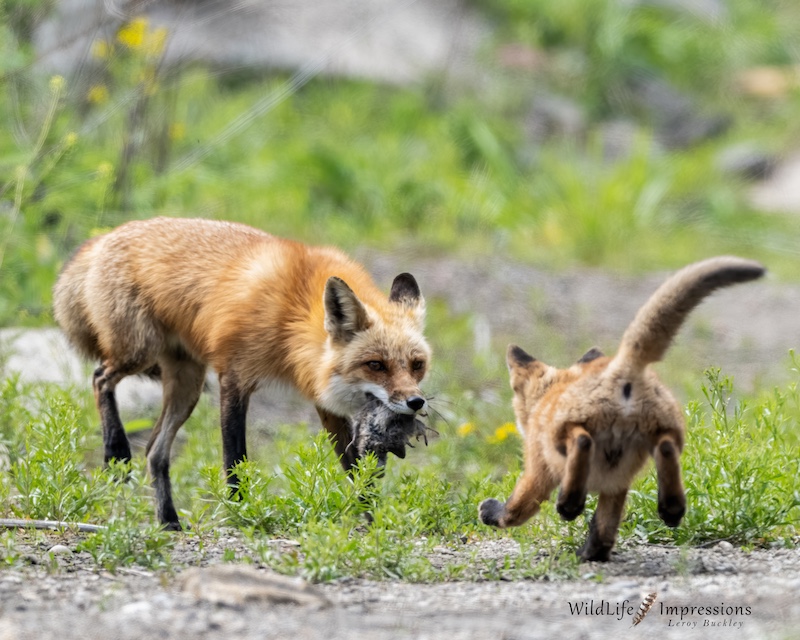
Elsewhere in the wild, young woodchucks, coyotes and red foxes are emerging from their dens; belted kingfishers fiercely defend their nests in the dirt banks along the shore; snakes mate and, with their offspring, provide excellent rodent and insect control.
Gray treefrog calls taper off; turtles continue to lay eggs; white-tailed deer bucks grow antlers.
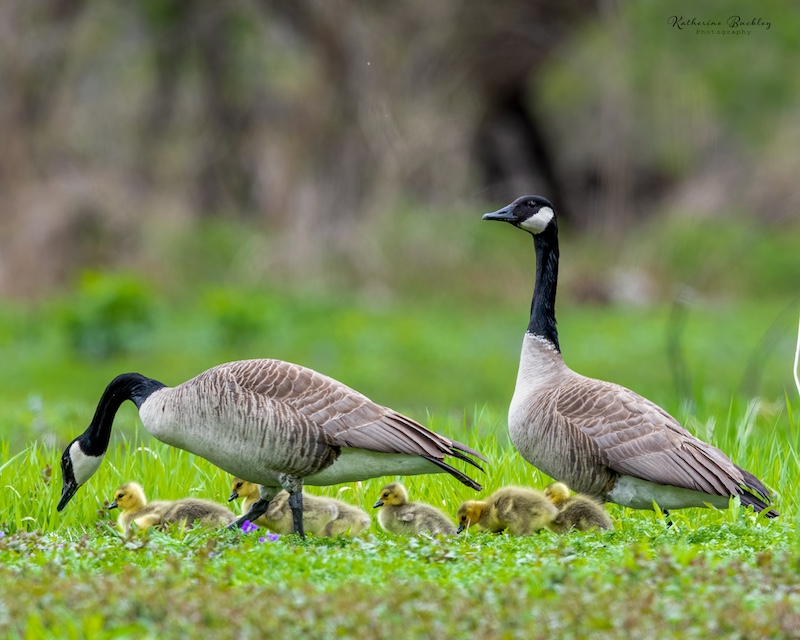
The long, hot days of summer bring an explosion of insects, seeds and berries just as many wild young are beginning to forage. Watch for the goslings of Canada geese, colts of sandhill cranes and ruby-throated hummingbird chicks who beg adults for food; or young mammals like coyotes, mink, raccoons, squirrels and woodchucks that hunt with their parents.
In the warming ponds and streams, where water temperatures have reached 70°F and greater, flathead catfish are busy spawning. Males ferociously guard and defend the nest until the fry are old enough to feed on insects and worms they find in the rocky, sandy areas of the shoals.
By the end of the month, watch for newly transformed amphibians leaving their aquatic nurseries where they began as eggs and tadpoles. In the insect world, listen for the chorus in the treetops. During the day, it’s the cicadas that buzz while the katydids take over the nighttime calling – all for the purpose of finding a mate.
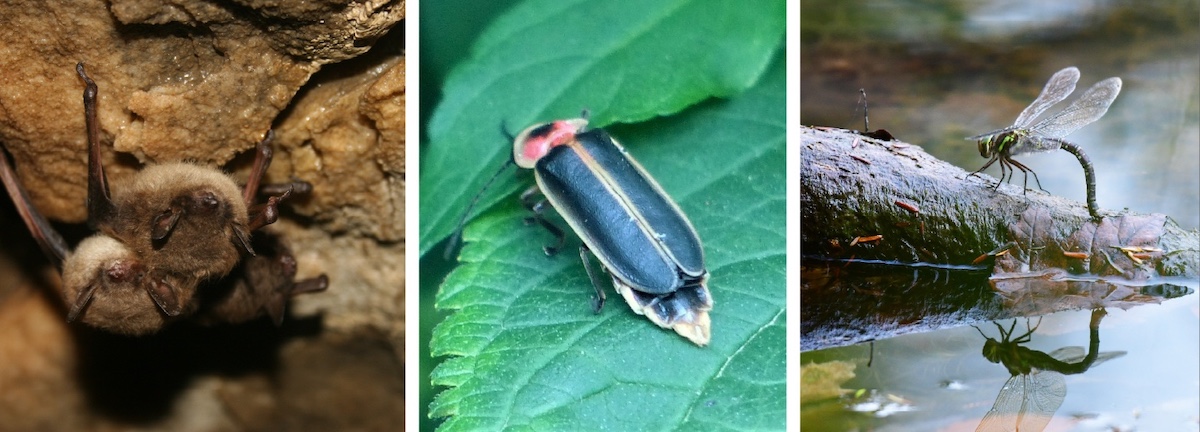
Mosquitoes are also plentiful in July, so thank the little brown bat that eats them by the hundreds every night. In those same evening skies, enjoy the flashing of fireflies, a summertime favorite. On the water, dragonflies are laying eggs while in the trees the fall webworm spins its white web on the tips of tree branches.
Most snakes will have laid their eggs this month, and hungry raccoons will be on the hunt to find them. As the number one predator of reptile eggs, raccoons can completely wipe out an entire season of reptile eggs.
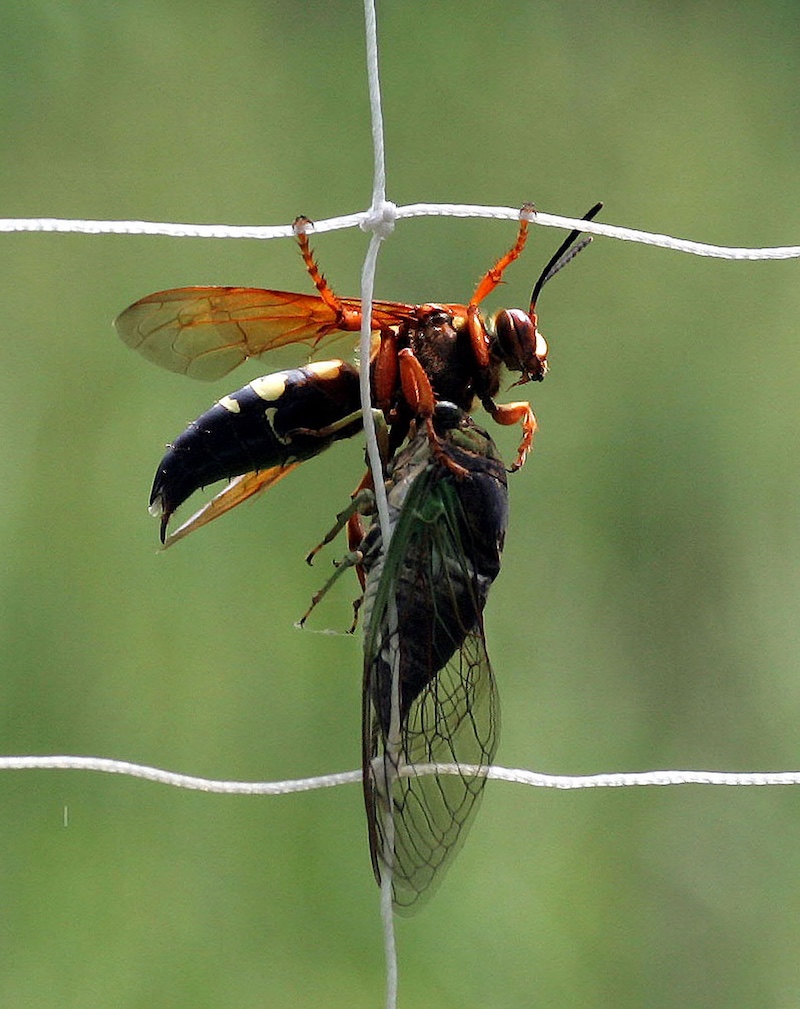
Painted turtle eggs hatch; cicada killer wasps capture and paralyze cicadas as food for their larvae; Canada geese molt; purple martins gather; low streams offer good catfishing.
*Some of the events described in this article may occur at your location at different times than those reported in the story. This can be explained by the variation in latitude between Illinois’ northern and southern borders, an area which represents about a two- to three-week difference in the timing of natural events.
In this story, the seasonal activities reflect those observed primarily in the central part of the state.
Carla Rich Montez is an outdoor writer living in Peoria County. She is a regular contributor to OutdoorIllinois Journal.





Submit a question for the author