
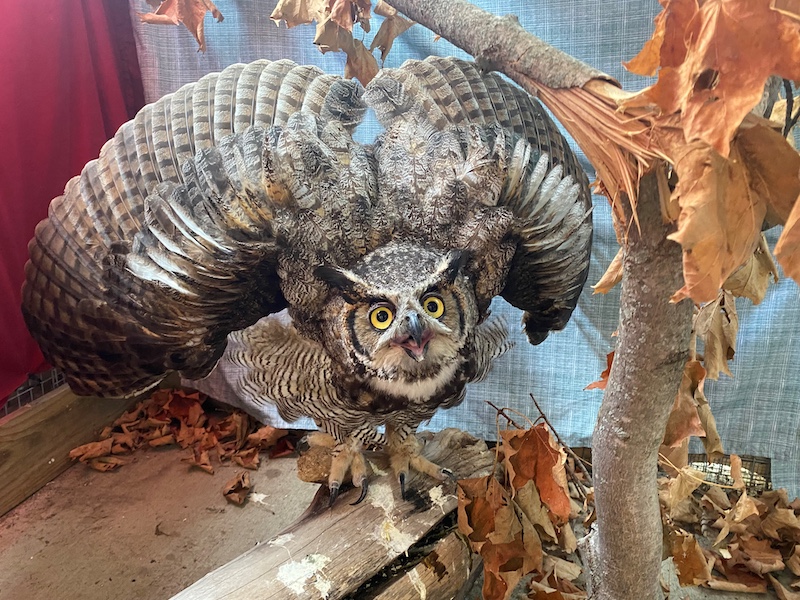
All photos courtesy of University of Illinois Wildlife Medical Clinic.

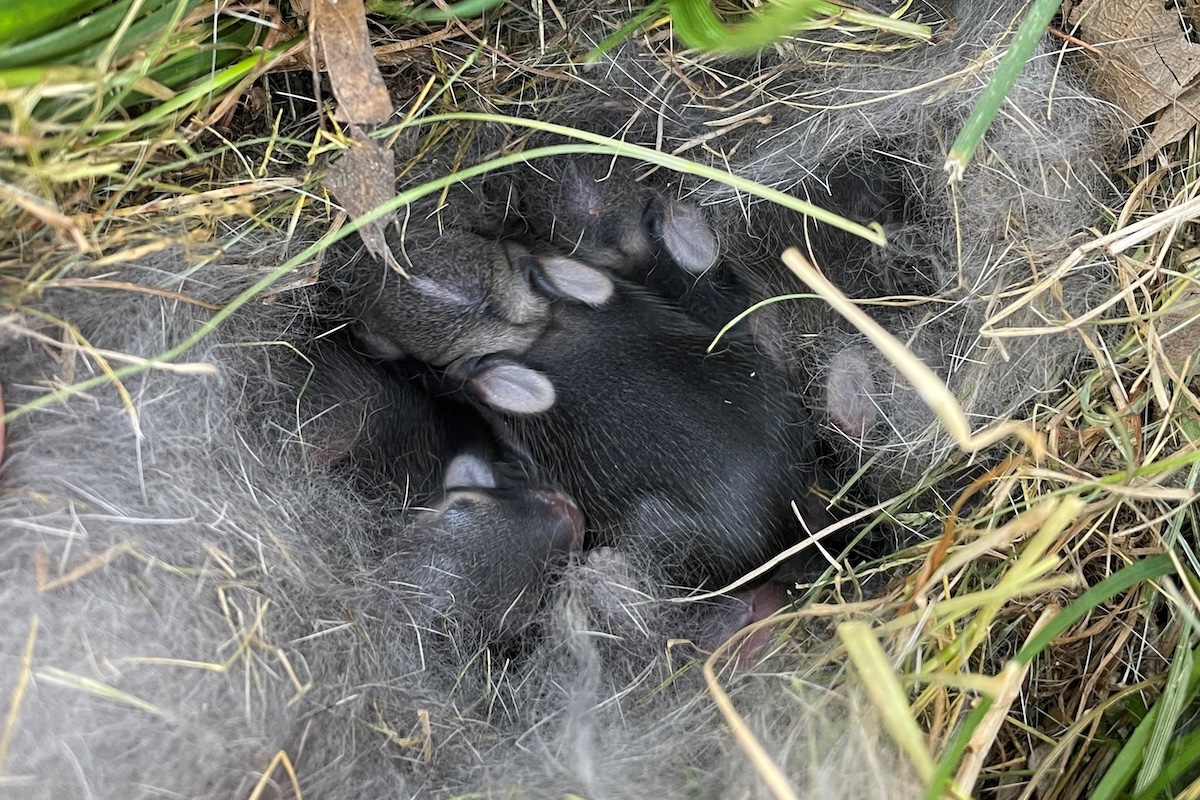
All photos courtesy of University of Illinois Wildlife Medical Clinic.
As our cities expand and natural habitats shrink, encounters with wildlife are becoming more frequent. Whether you are out in a local forest preserve or in your own backyard, there’s a chance you might stumble upon an injured, ill or orphaned animal.
Your first inclination might be to help but know that untrained individuals should not handle wildlife. Wild animals, including birds, can inflict serious injury. They can also be carriers of disease or parasites that are transmissible to humans and domestic animals.
The trained professionals at the University of Illinois Wildlife Medical Clinic in Urbana see more than 2,000 patients annually and around 120 different species. This student-run volunteer clinic accepts ill, injured or orphaned native wild animals. The most common patients include birds of prey, waterfowl, songbirds, eastern cottontails, squirrels, Virginia opossums, raccoons and turtles.
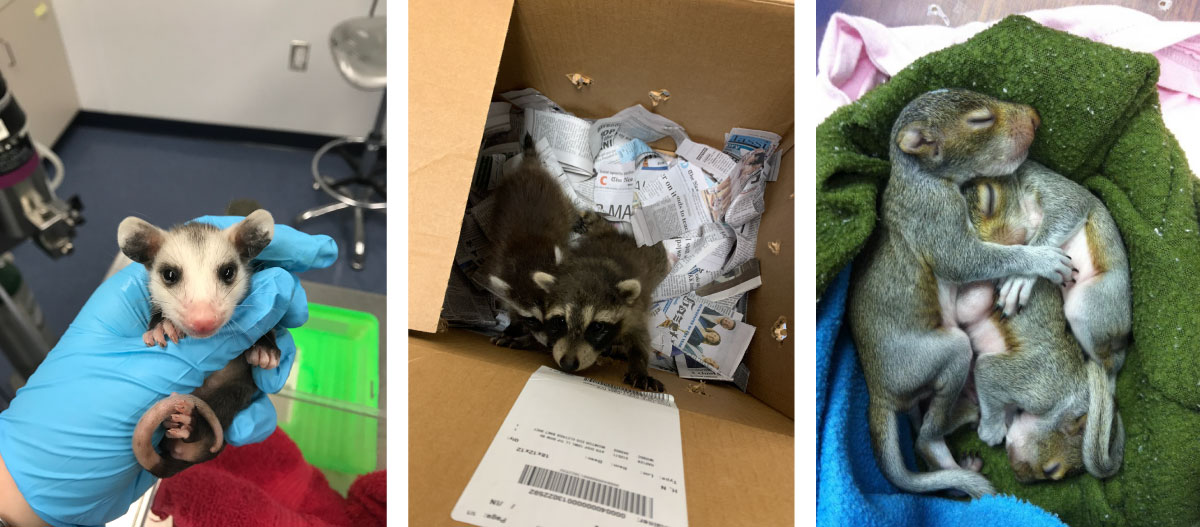
Injured or ill wildlife end up at the clinic for many reasons. They may have flown into a window, been hit by a vehicle, or attacked by a cat or dog. The animal may have been exposed to poison, glue traps, or trapped in human-made objects such as sporting nets, fishing lines or window wells. In some cases, young animals may be orphaned, ill, not thriving or mistakenly rescued.
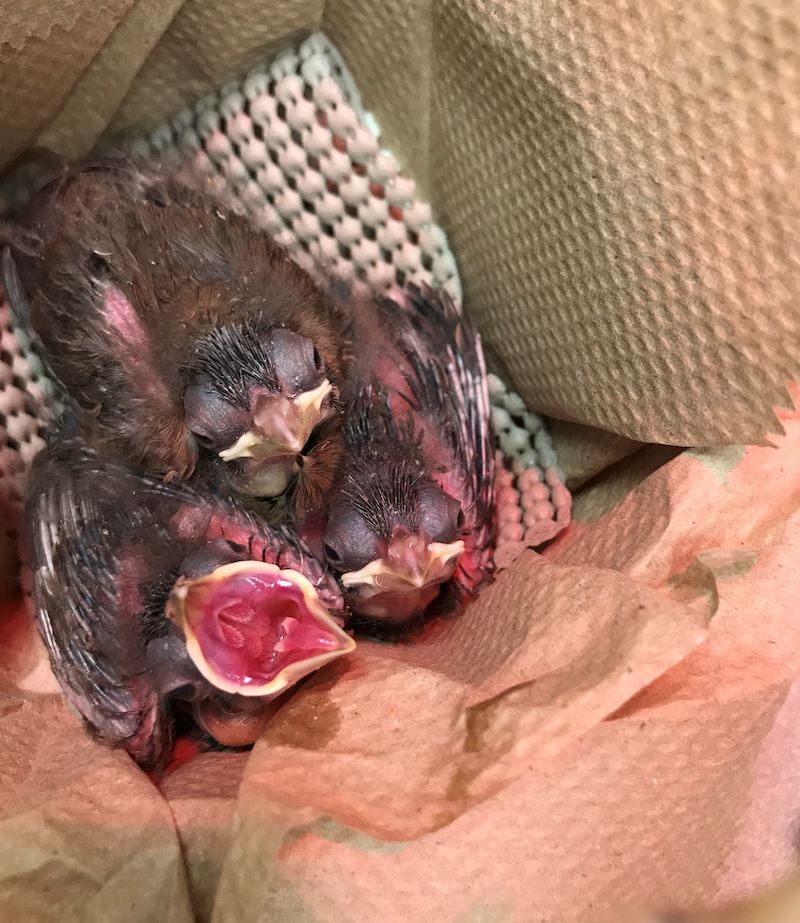
If the baby has its eyes open, is uninjured, and is alert and active, try to reunite it with its parents. Look for a nearby nest or den and gently return the baby to it. Or make a nest and place it in the area or a nearby tree. Observe it from a distance to make sure a parent returns. This may take all day, so don’t get discouraged.
Not all baby animals found alone are orphaned. Many “orphaned” animals that are “rescued” each year by well-meaning people are just temporarily alone while mom is out foraging. For example, doe white-tailed deer leave their fawns unattended for several hours at a time and typically return to nurse their fawns at dawn and dusk. A fawn’s job is to lie quiet and motionless in tall grass or other cover and wait for its mother to return. A similar strategy is also used by eastern cottontails. Moms only visit the nest at dawn and dusk to feed the young. The rest of the day, she is off foraging and staying away from the nest to keep predators away.
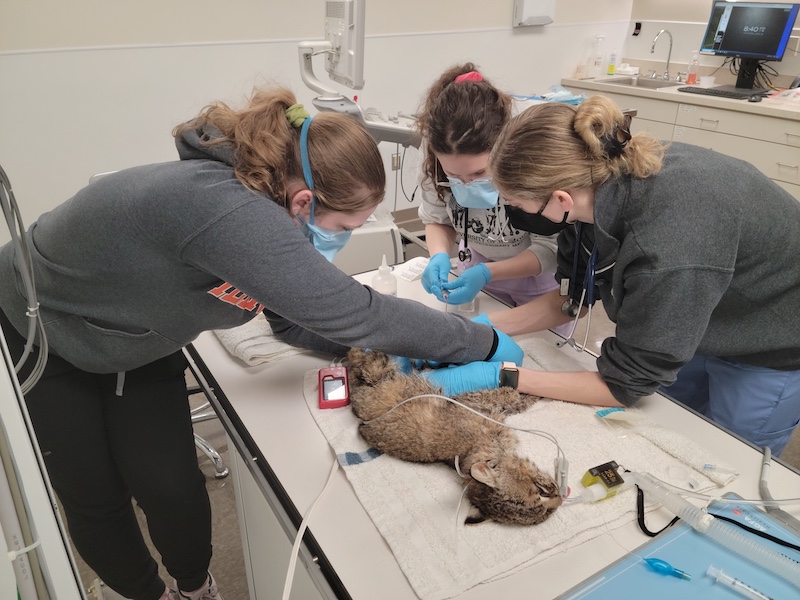
In these cases, the animal needs help. Do not try to care for wildlife yourself. Not only is it illegal but it can be dangerous for the animal and in some cases fatal. Wildlife have very specific dietary and housing requirements and untrained care can cause immense stress, habituation, and illness. Many people are not aware that it is illegal to keep wildlife in captivity or as pets in Illinois without a permit. This is because most wildlife in Illinois are protected by the Wildlife Code. If you find an injured or ill animal, please reach out to a licensed wildlife rehabilitator as soon as possible. In the meantime, do not offer food or water, but try to note the exact location where the animal was found as this information will be needed when the animal is ready for release.
Do not handle bats or skunks. Instead, call your local public health department or animal control for guidance.
With thoughtful action and informed choices, we can coexist with Illinois wildlife and ensure they thrive alongside us.
Sydney Oliveira is the Wildlife Medical Clinic Program Coordinator with the University of Illinois College of Veterinary Medicine. She has lived her whole life in Illinois and is very passionate about wildlife conservation. Within her current role she gets to share that passion for wildlife by helping to educate the public on how to co-exist with native wildlife and by helping people to understand why wildlife is important, and why people should care about these unique animals and the habitats that support them.


Submit a question for the author