

Photo by USFWS.


Photo by USFWS.
Illinois fish advisories help anglers balance the health benefits and risks of eating locally caught fish. Since 1974, fish have been monitored by the Illinois fish contaminant monitoring program for pesticides. Fish advisories were issued for waters with high pesticide contamination to keep human exposure below harmful levels. After nearly 50 years of testing the pesticide levels in Illinois fish have declined, resulting in the removal of fish advisories and the discontinuation of statewide pesticide monitoring.
Illinois hosts large populations of wintering bald eagles, particularly near large rivers and lakes that remain unfrozen and offer accessible fish. Sightings are now commonplace but were once rare. Bald eagle populations drastically declined in the mid 1900s, with widespread use of the insecticide DDT playing a large role. DDT released into aquatic systems contaminated the food chain, with top predators such as bald eagles carrying the largest burdens. DDT caused eggshells to become thin and easily breakable, thereby reducing reproductive success.
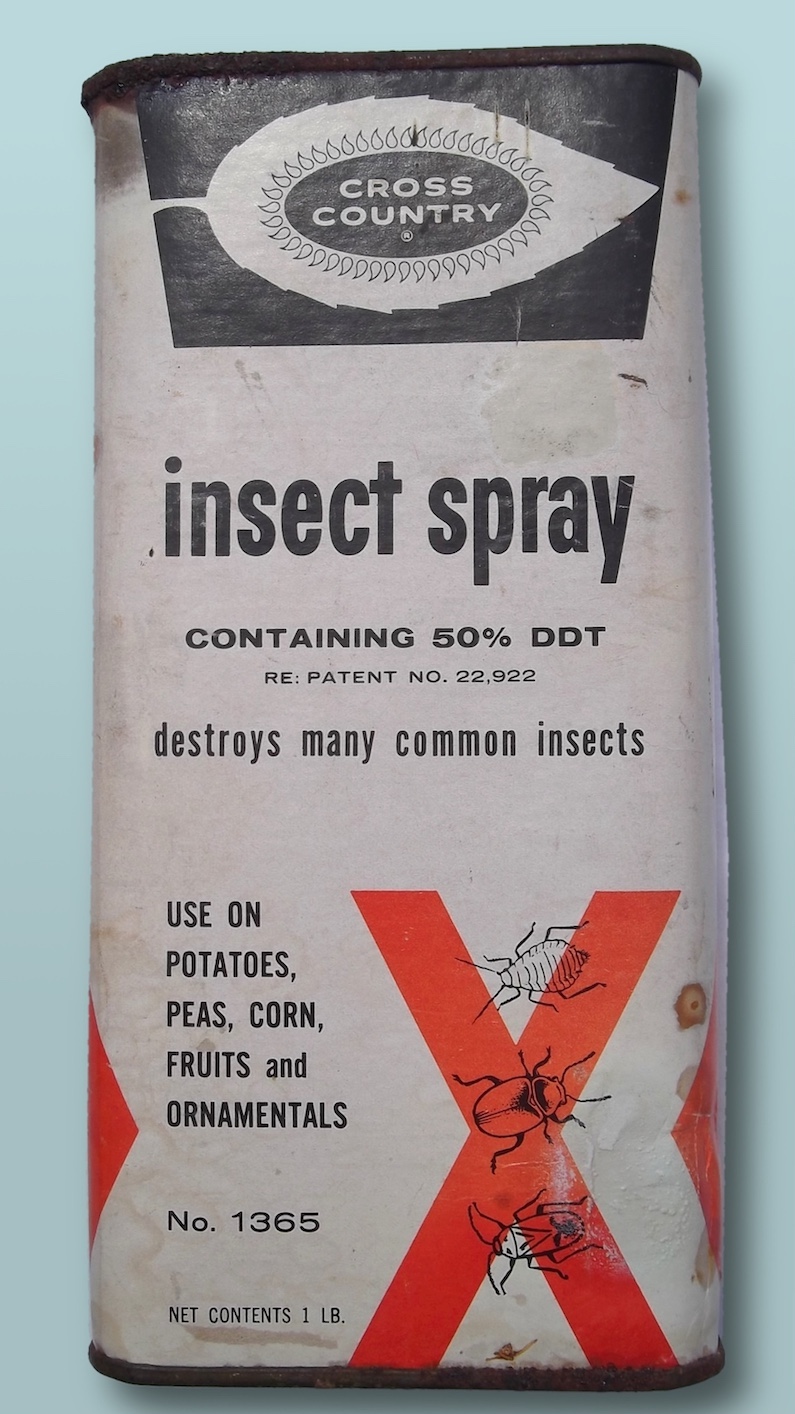
In 1972, the Federal Insecticide, Fungicide and Rodenticide Act was amended to transfer regulatory authority of pesticides from the Department of Agriculture to the United States Environmental Protection Agency (USEPA). The amendment was enacted to enhance protection of public health and the environment. That year, USEPA banned DDT due to environmental and human health concerns. In 1974 and 1988, USEPA banned dieldrin and chlordane, two additional pesticides known to bioaccumulate in fish and wildlife.
The Clean Water Act, also enacted in 1972, established a framework for states to regulate water pollution, with the overarching goal of restoring and maintaining the integrity of our nation’s waters. The regulatory authority and financial assistance afforded by the Clean Water Act was a springboard for Illinois’ efforts in controlling point and non-point source pollution.
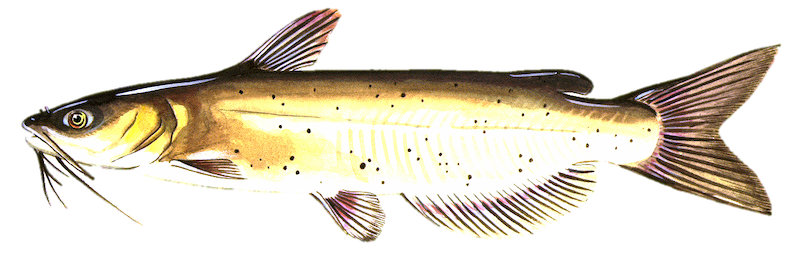
The Illinois Environmental Protection Agency (IEPA) quickly began focusing on the link between pesticides and ecological harm – contamination of the food chain. Agricultural runoff of DDT, dieldrin and chlordane contaminated the sediment in Illinois waters. Bottom feeding fish such as carp and catfish were exposed to pesticides by rooting around in the sediment and eating contaminated prey. Predators such as bass and trout accumulated pesticides by eating shad and other contaminated prey. Older, larger sportfish accumulated the highest levels of pesticides, becoming a potential health risk to wildlife and humans who consumed them.
In 1974, Illinois began limited testing for pesticides in fish. By 1976, the IEPA and the Illinois Departments of Agriculture, Natural Resources and Public Health established a fish contaminant monitoring program to prioritize sampling. Health guidelines for pesticides in fish were developed and “fish advisories” were issued to inform the public of contamination in Lake Michigan and downstate waters. “Do Not Eat” advisories for bottom feeding species and large predators became commonplace. As additional rivers, lakes and streams were added to the program in the 1980s, the number of fish advisories grew.
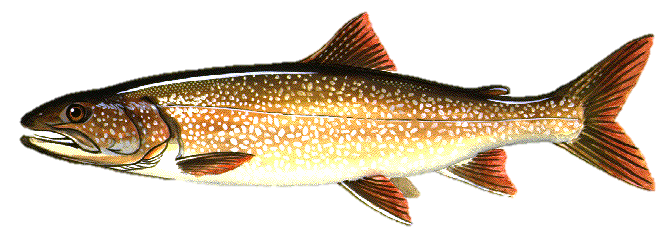
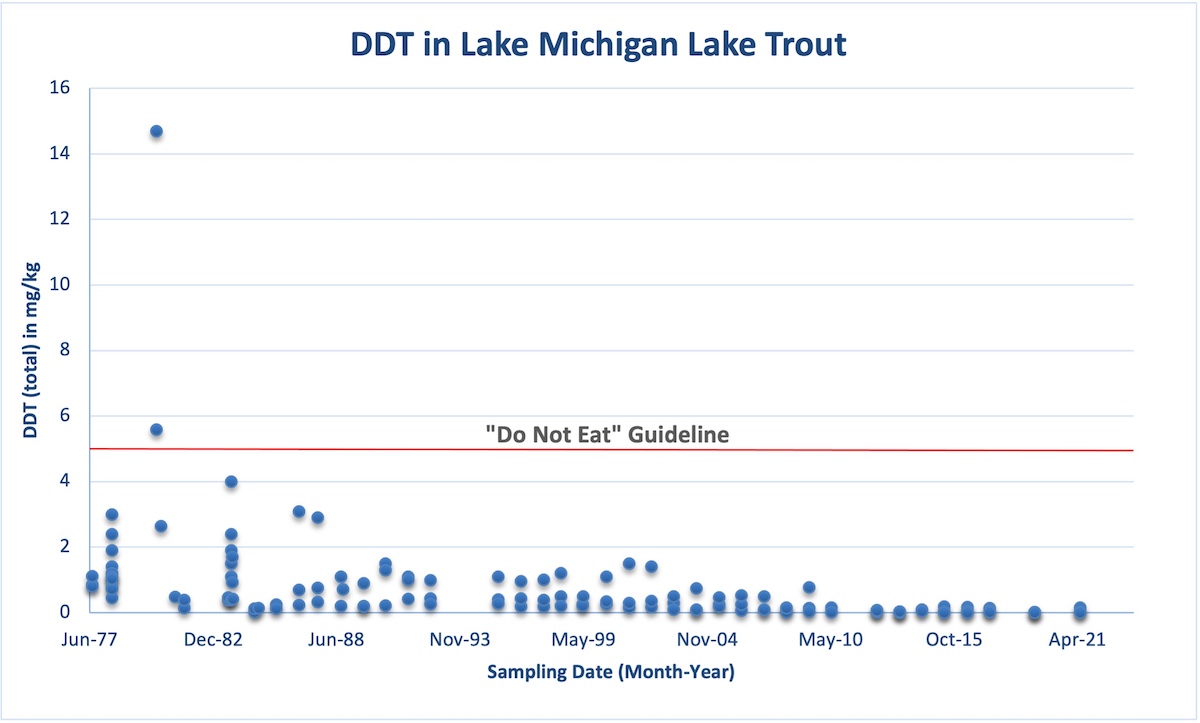
Illinois water bodies recovered slowly due to the persistence of pesticides in sediment and aquatic life. DDT continued to be detected at “Do Not Eat” levels in Lake Michigan fish until 1980, eight years after its ban. Large predators such as lake trout, accumulated the highest levels of DDT.
Chlordane, a pesticide used on Midwest corn until its ban in 1988, was of particular concern for channel catfish and flathead catfish populations in central Illinois lakes such as Lake Decatur, Lake Springfield and Taylorville Lake. Chlordane levels in catfish remained in the “1 meal per month” advisory category until 1992, and the “1 meal per week” advisory category until 2007.
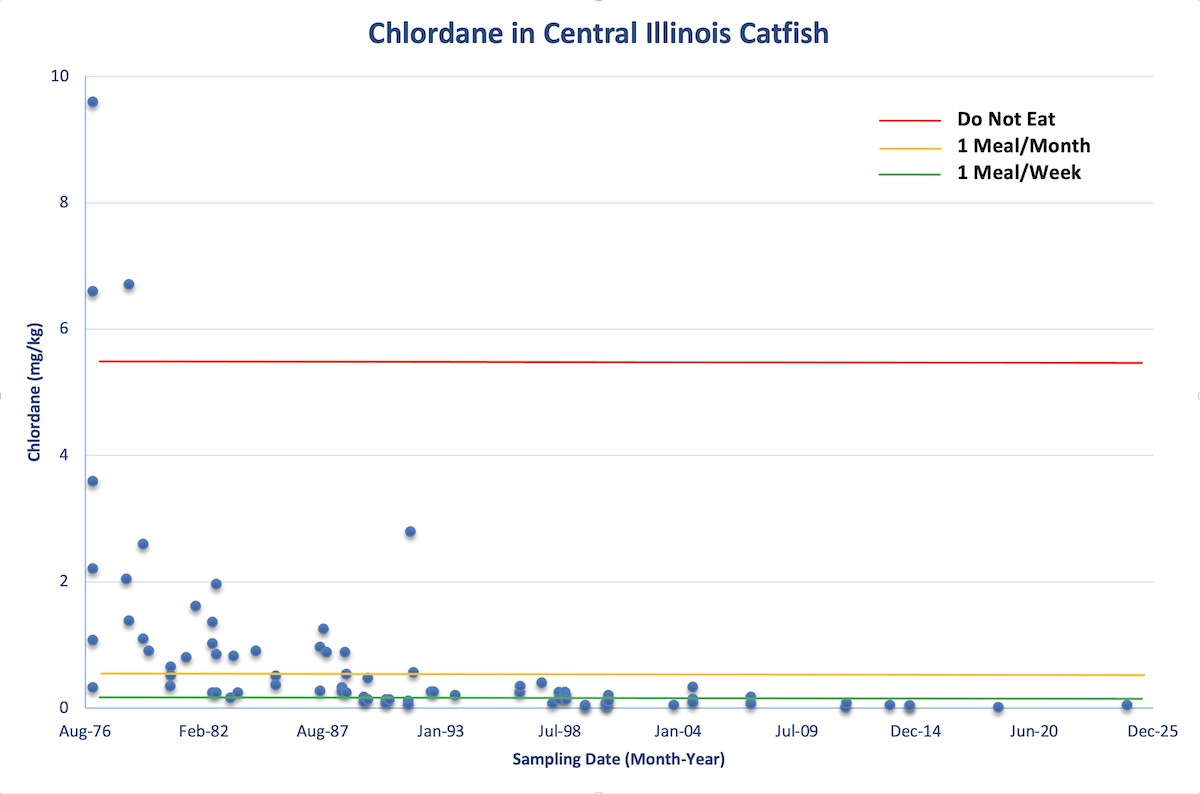
After nearly 50 years of testing, the pesticide levels in Illinois fish declined to levels that no longer warranted fish advisories or continued monitoring. Thus, in 2023 the Illinois fish contaminant monitoring program discontinued statewide testing for DDT, chlordane and dieldrin.
The diminished levels of pesticides in today’s sediment and fish are a testament to the effectiveness of environmental regulations and the concerted efforts of state and federal agricultural, environmental and public health agencies. The banning of DDT, chlordane and dieldrin led to the development of alternative pesticides. Through USEPA’s more rigorous and environmentally conscious pesticide approval process, today’s pesticides do not build up in fish, wildlife and humans. Thus, Illinois does not monitor fish tissue for pesticides that are currently in use by Illinois farmers.
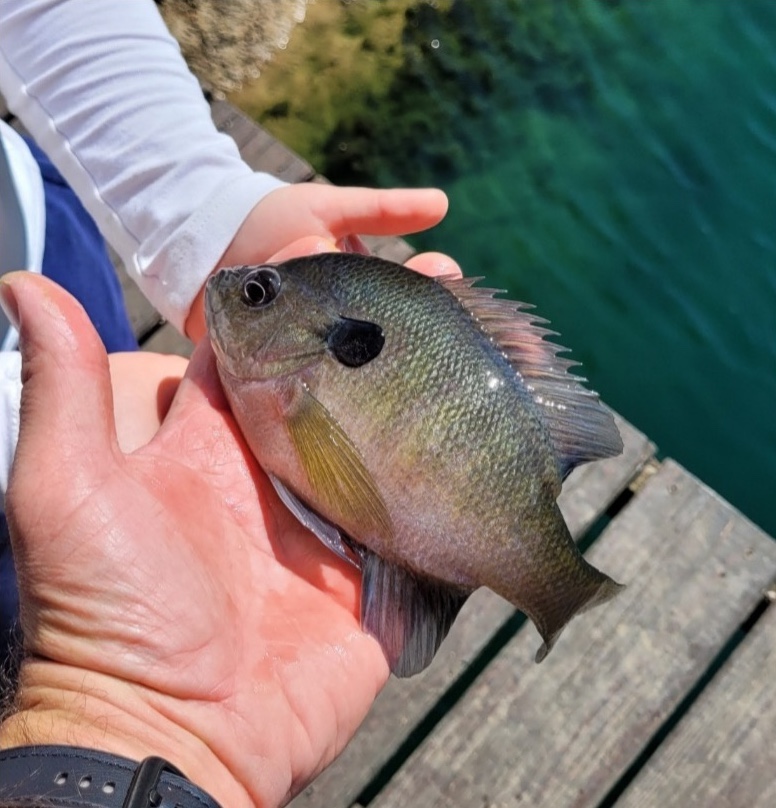
Today’s fish are less contaminated and “Do Not Eat” advisories are less common. However, Illinois continues to monitor fish tissue for mercury, a naturally occurring metal that builds up in predatory fish in the form of methylmercury. Methylmercury is a neurotoxin that can impair brain development of children. Women (who can pass methylmercury to their children in utero or through breast milk) and children should opt for Illinois fish with low methylmercury levels such as bluegill and channel catfish. Methylmercury is found in fish statewide, though some regions of the state tend to have higher methylmercury levels in fish.
Illinois also monitors fish tissue for polychlorinated biphenyls (PCBs) and per- and polyfluoroalkyl substances (PFAS), two groups of manmade chemicals developed over 75 years ago for industrial uses. PCBs and PFAS tend to be detected in fish from large rivers or water bodies near urban areas.
PCBs were banned by USEPA in 1979 but are still found in older infrastructure such as electrical transformers. PCBs are found in the sediment and build up to higher levels in bottom feeders such as carp and catfish.
PFAS, commonly referred to as “forever chemicals,” are still used for a variety of industrial uses, though some of the more problematic chemicals have been phased out of production. PFAS was added to the Illinois fish contaminant monitoring program in 2023. By 2028, all major rivers, streams and lakes in Illinois are anticipated to have been tested for PFAS.
Fish advisories help you balance the health benefits and risks of eating locally caught fish. Following the meal advice will keep your exposure to contaminants below harmful levels. Fish advisories are updated annually by the Illinois Department of Public Health (IDPH). Advisories and associated resources can be found at the IDPH Fish Advisories website. Anglers can also search the IDPH Current Fish Advisory Map by county or water body to “Hook into Healthy Fish.”
Brian Koch is an environmental toxicologist with the Illinois Department of Public Health (IDPH). He has been involved with fish contaminant monitoring throughout his academic and professional career, dating back to his thesis research, his 13-years as an aquatic toxicologist at the Illinois Environmental Protection Agency, and in his current position at IDPH as the manager of the Environmental Toxicology Program.





Submit a question for the author