Tracking Nature’s Seasonal Changes

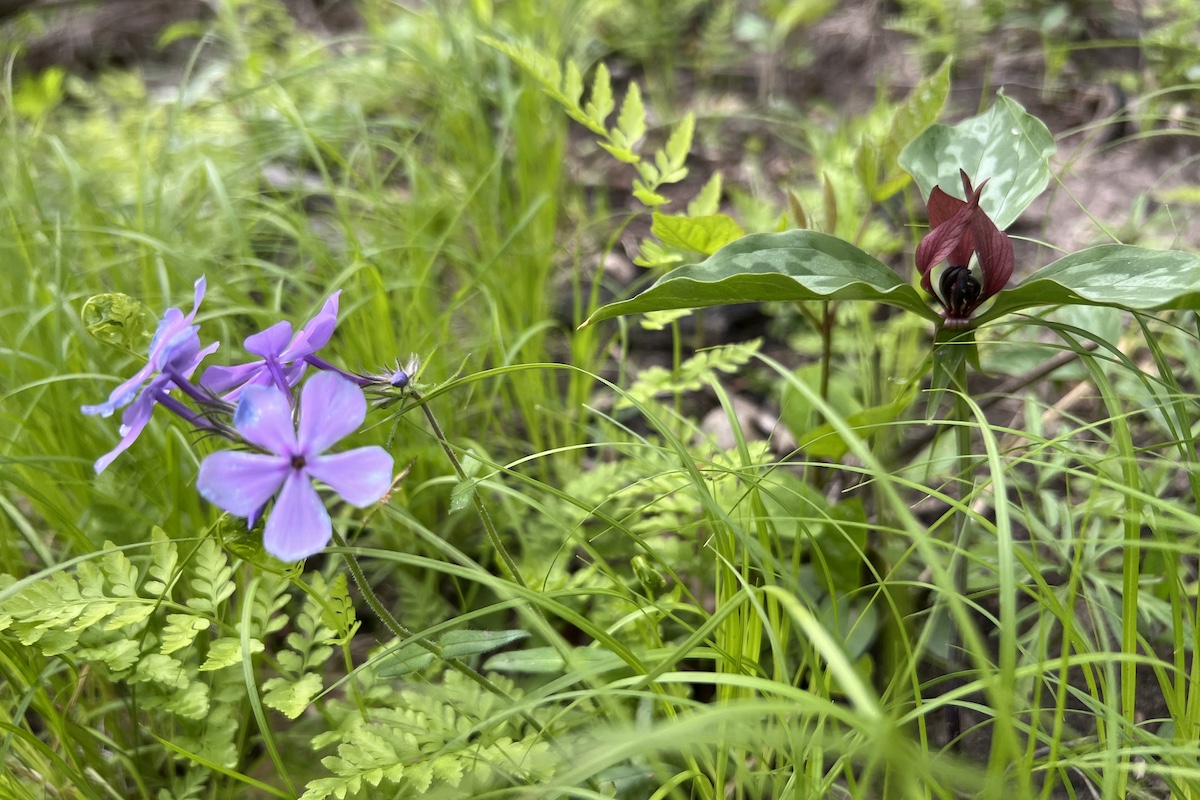
A close-up of spring flowers growing on the forest floor.

Spring woodland wildflowers. Photo by Carla Rich Montez.

Phenology may not be a familiar term, but we all know what it is.
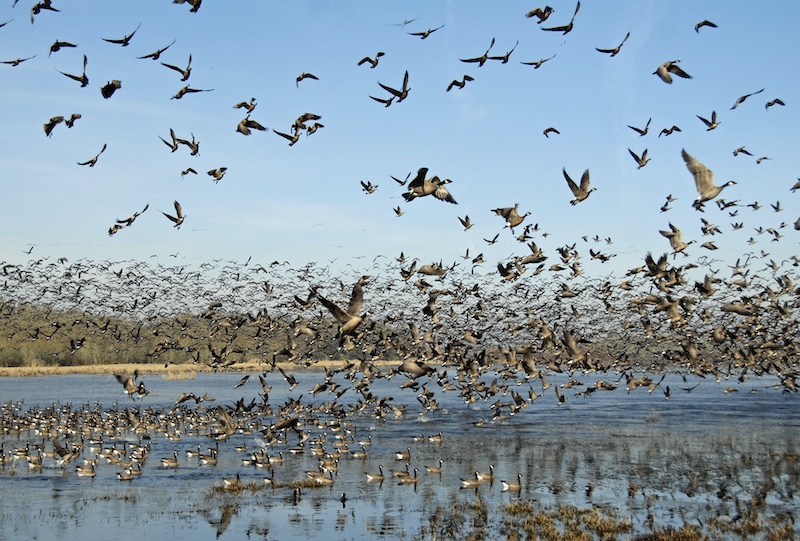
 

Under a bright blue sky black, gray and white Canada geese swim and forage on a wetland while some geese fly overhead.
Photo by George Gentry, USFWS.

It’s our sense of the timing of natural events. For example, we look forward to the appearance of the first wildflowers of early spring or the blink of the firefly during the summer; we notice Canada geese migrating in the fall and anticipate the first snow of winter. In short, all of us have this intuitive understanding that there is a relationship between the timing of the seasons and the way living things respond to these seasonal shifts.

Phenology is the science that follows these conditions over time and then analyzes them in the context of climatic conditions like day length, temperature and precipitation. In short, phenology seeks to understand how a changing climate is impacting plants and animals.

Such records are vital in identifying shifts that could have serious consequences for wildlife. For instance:
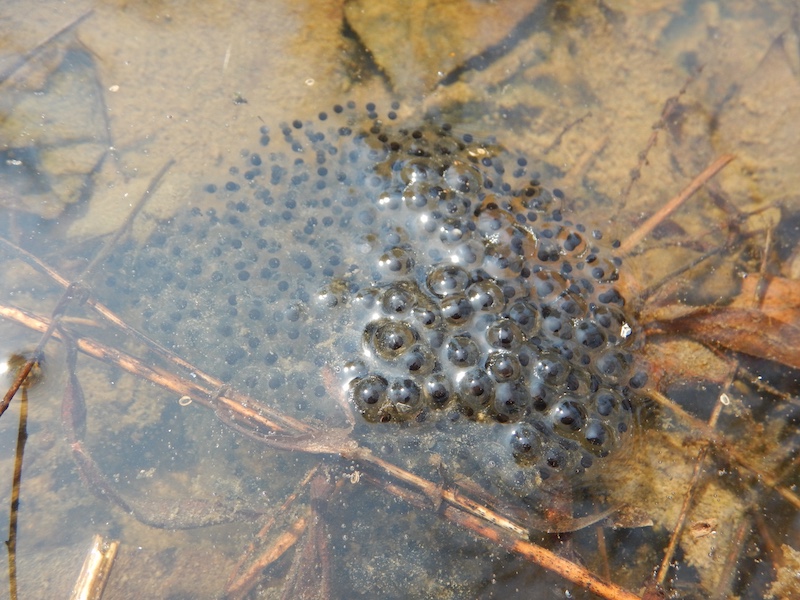
A close-up of gelatinous frog eggs mostly submerged in a shallow ephemeral pool. Brown leaf litter is at the bottom of the wetland.
Photo by Patty Gillespie.
  • What could happen if there is a mismatch between the time that flowers bloom and the date their pollinating insects emerge?
  • What about the frog, enticed by an unseasonal warm-up, that lays her gelatinous egg mass in the water when the conditions are likely to drop below freezing again?
  • What if there is a discrepancy between the departure of long-distance migrating birds and the availability of the foods they rely on at their stopover sites?

Questions like these should concern those who enjoy wildlife here in Illinois. According to a 2021 climate assessment by The Nature Conservancy in Illinois, we are experiencing an increase in the “frequency and intensity of extreme heat and heavy precipitation events.” Together with milder winters and extended dry spells, there’s little doubt that the climate in Illinois is changing. How will plants and animals respond? And what can be done to mitigate the possible impacts? Phenology can help address such questions.

Through our series, “Nature’s Seasonal Events,” we have offered you a calendar of wildlife activities over the course of a single year. We hope you have enjoyed learning about the ways some of our most iconic animals respond to the changing seasons.
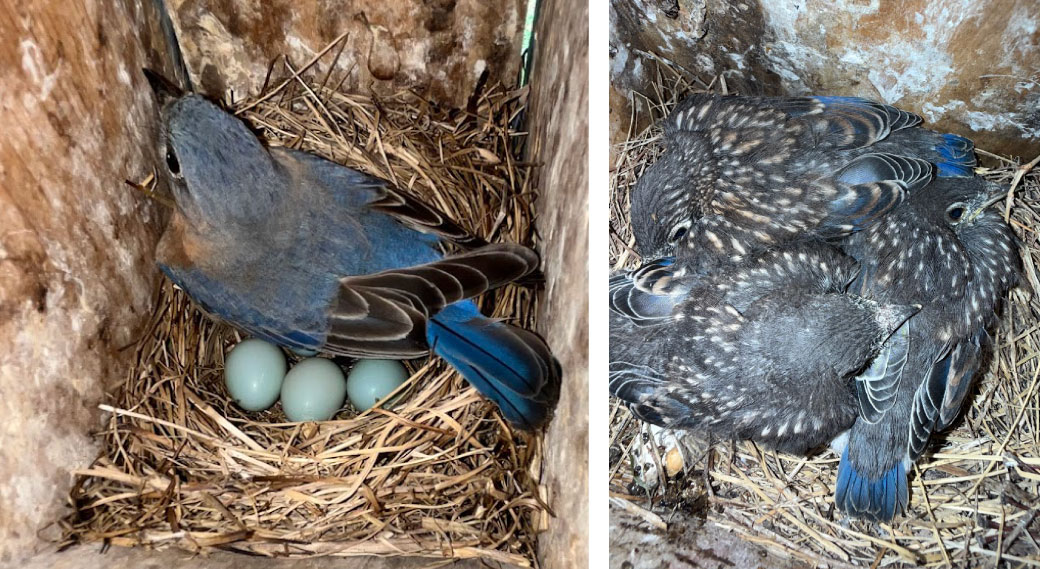
A collage of two photos. The photo on the left is of a blue bird in a nest box incubating some blue eggs while sitting on a nest made of tan grasses. The photo on the right is of three fledgling gray, tan and blue birds sitting on a nest made of grasses in a nest box.
Female bluebird on nest (L). Three bluebird chicks (R). Photos by Steve Montez.

More importantly, we hope you will start tracking the seasonal activities of the wildlife right outside your window. By observing the plants and animals in your own backyard, you may begin to notice how they are being impacted by Illinois’ changing climate.

If you can also share your observations with phenology organizations like the USA Phenological Network and Budburst, you will be contributing data to a global network of community scientists who are helping phenologists better understand how climate change is impacting our planet.


Carla Rich Montez is an outdoor writer living in Peoria County. She is a regular contributor to OutdoorIllinois Journal.

Share this Article

Submit a question for the author

Please complete the verification below to submit your question:


Explore Our Family of Websites

Similar Reads


A hunter wearing camouflage gear kneels on the forest floor. A successfully harvest wild turkey rests in front of the hunter. Its tail feathers are spread out in a fan shape in front of the hunter. In the background a road cuts through a woodland full of pine trees.

A close-up of a black and white duck swimming on a body of water.

2026-2027 Illinois Hunting and Trapping Digest


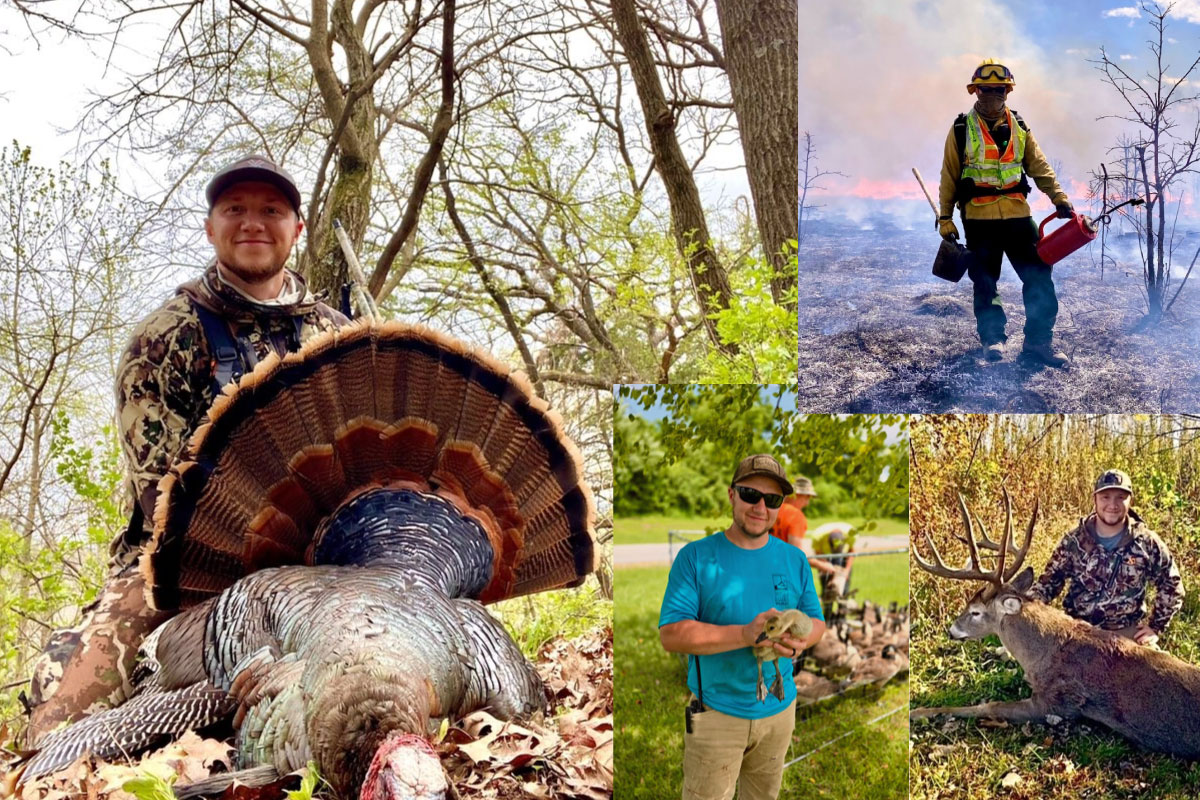
A photo collage of three images. The image on the left is of a hunter in camouflage gear sitting on the ground in a spring woodland. In front of the hunter is a successfully caught wild turkey with its tail feathers fanned out. The top image to the right is of a man wearing fire resistant gear in a prescribed fire burn on a prairie. Two photos are in the bottom right. One image is of a hunter wearing camouflage gear posing next to a successfully harvested white-tailed deer. The other photo is of a researcher holding a Canada goose gosling.

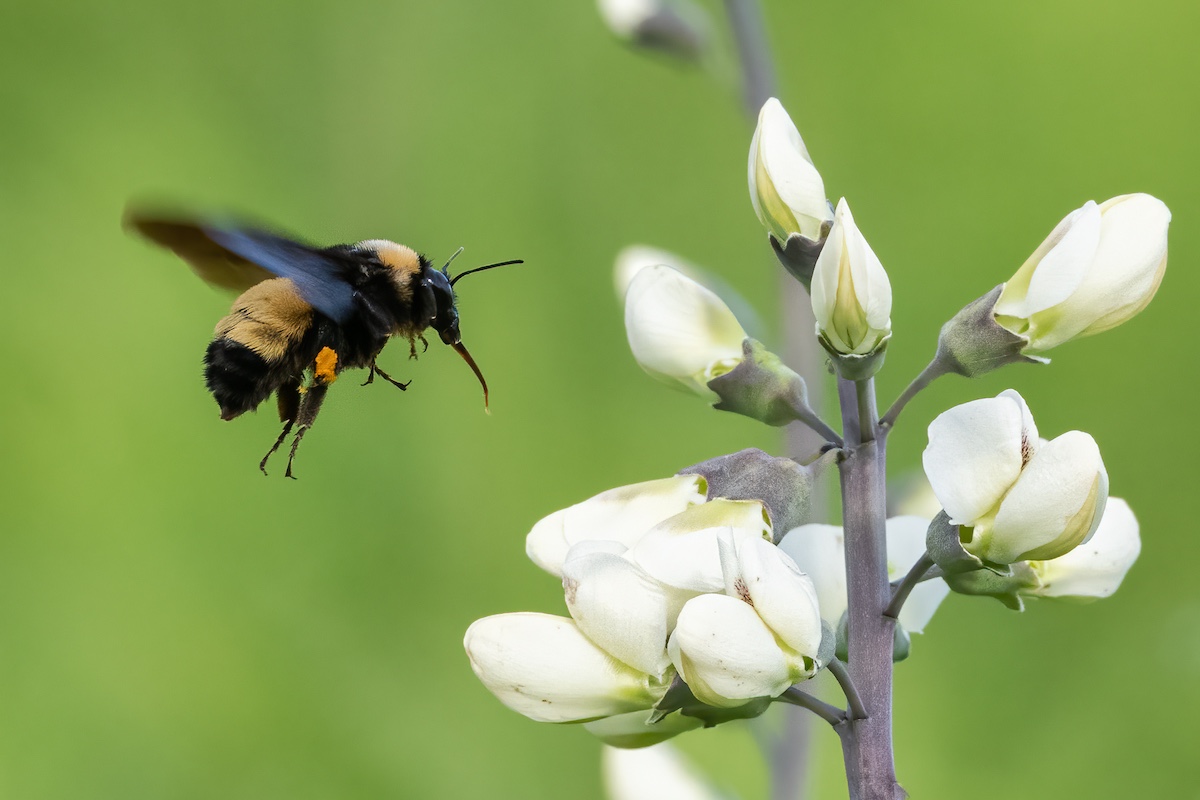
A close-up of a bumble bee as it approaches white flowers.

Nature’s Seasonal Events: May-July


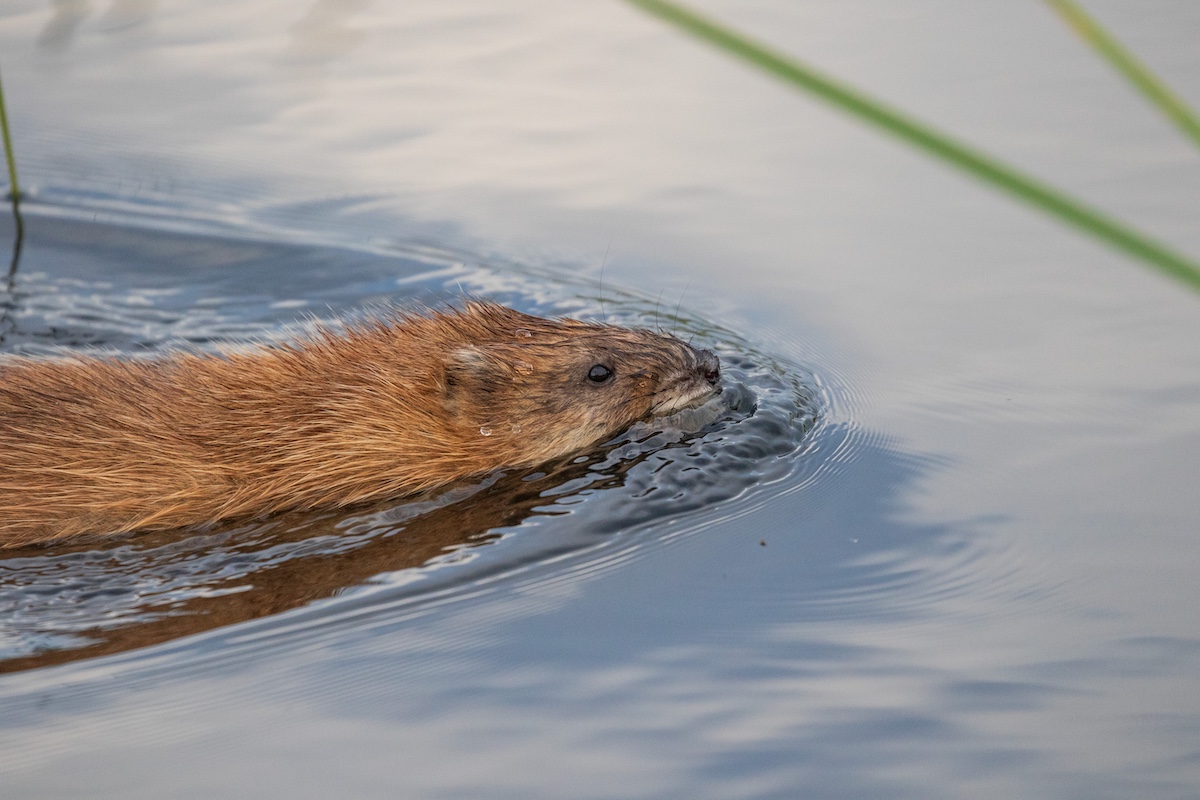
A close-up of a brown muskrat swimming in a wetland.

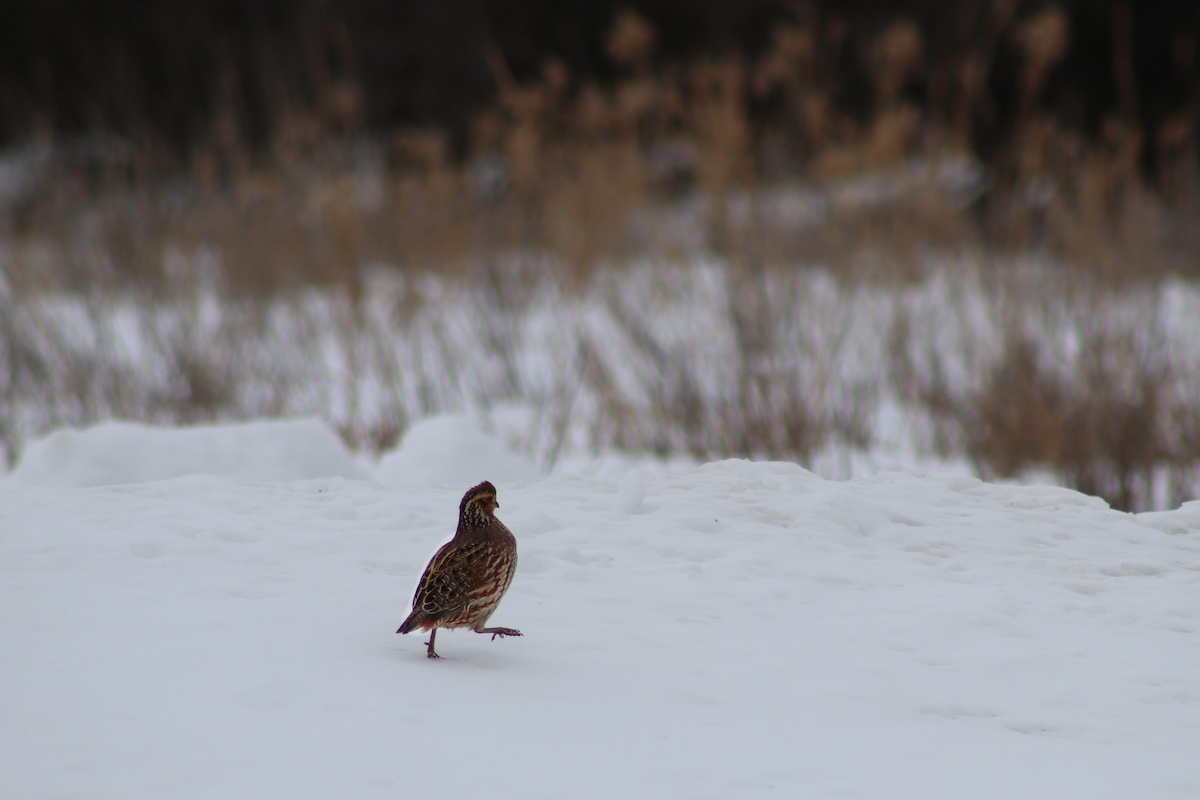
A brown and tan quail walks across a snowy grassland.

A close-up of two acorns surrounded by green oak leaves on a sun dappled branch.

For the Love of Oaks


A brown white-tailed deer walks down a snowy hill in a woodland. Snow is actively falling and accumulating on the ground. Some snow is on the deer's back and head.

Caught on Camera


An elderly man in a tan corduroy blazer stands next to woman with long blonde hair and a navy blue polo shirt.

Remembering John L. Roseberry