A raccoon peaks out over a bag of garbage in a rusty dumpster. Photo by @janevics, https://creativecommons.org/licenses/by-nc/4.0/, iNaturalist

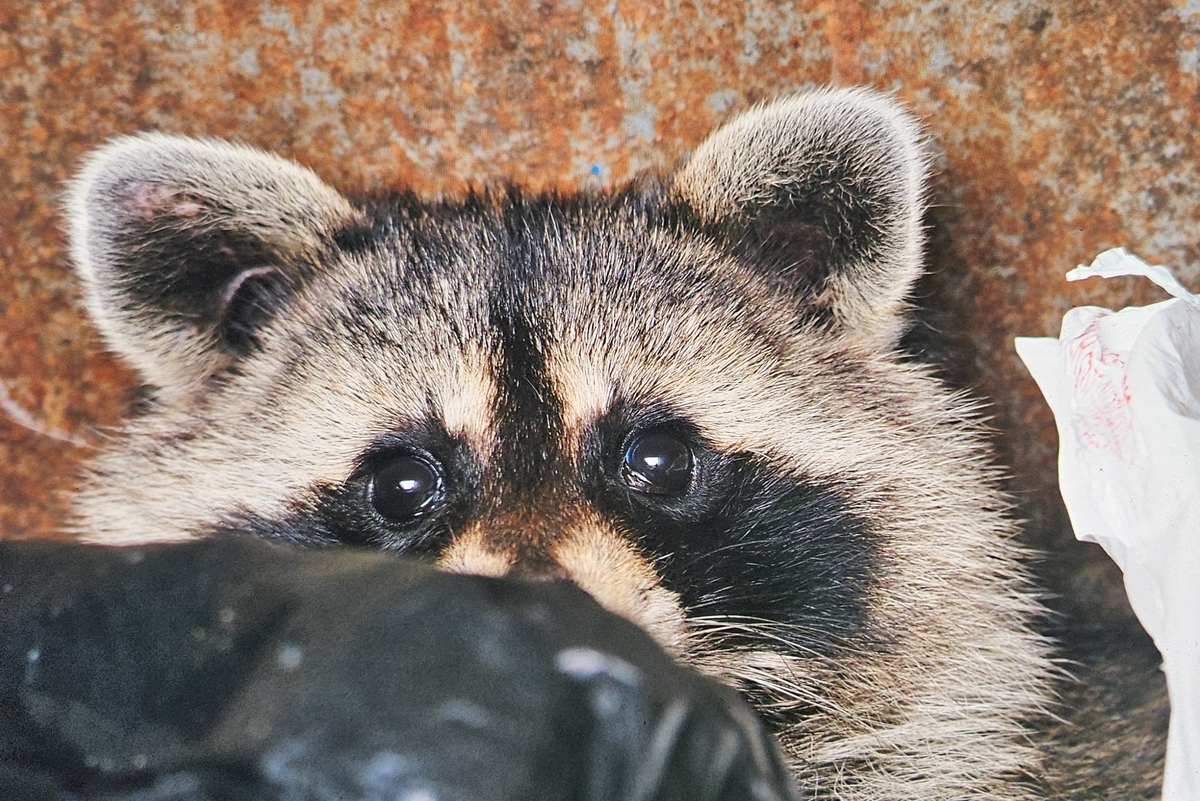
A raccoon peaks out over a bag of garbage in a rusty dumpster. Photo by @janevics, https://creativecommons.org/licenses/by-nc/4.0/, iNaturalist
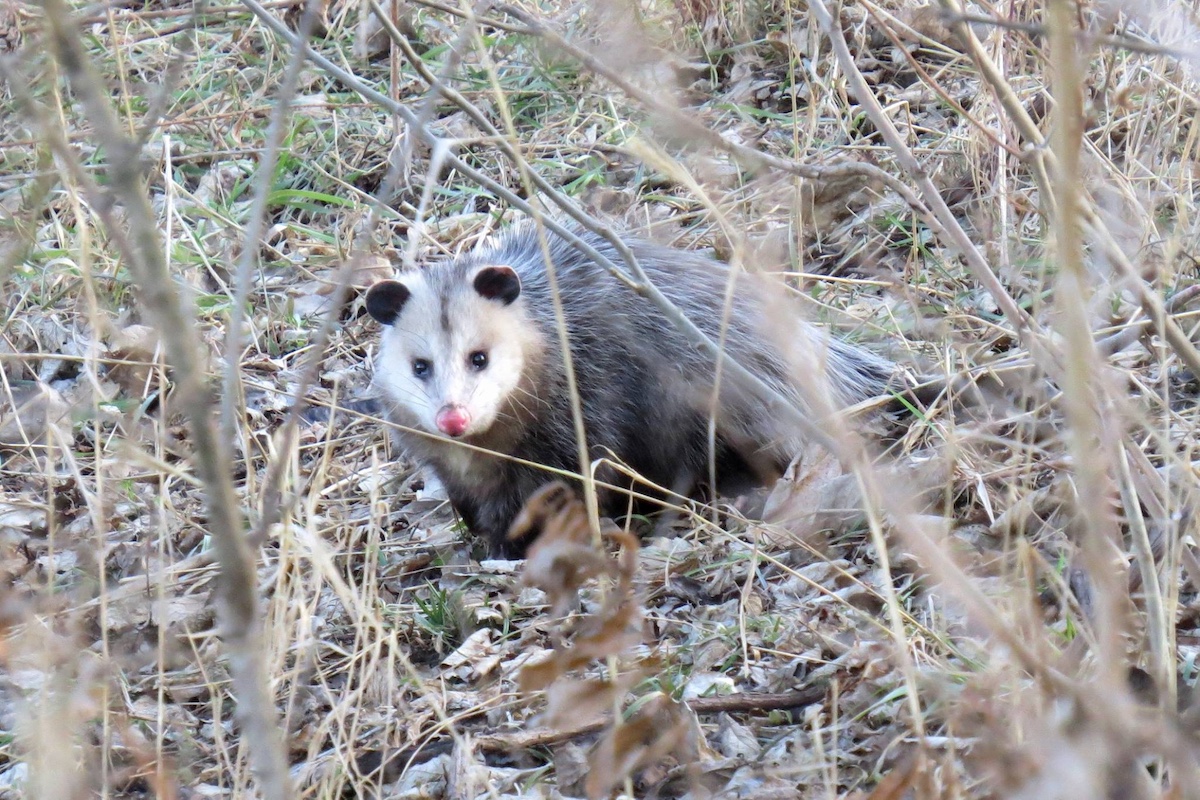
Tossing bread to a family of geese at the park, leaving pet food sitting out overnight on your porch for the opossums to nibble on, or putting out some corn for the squirrels on a cold winter day might seem like small acts of kindness, but they can have negative consequences. Nuisance wildlife issues and property damage are often related to animals that have been accidentally or intentionally fed by people.

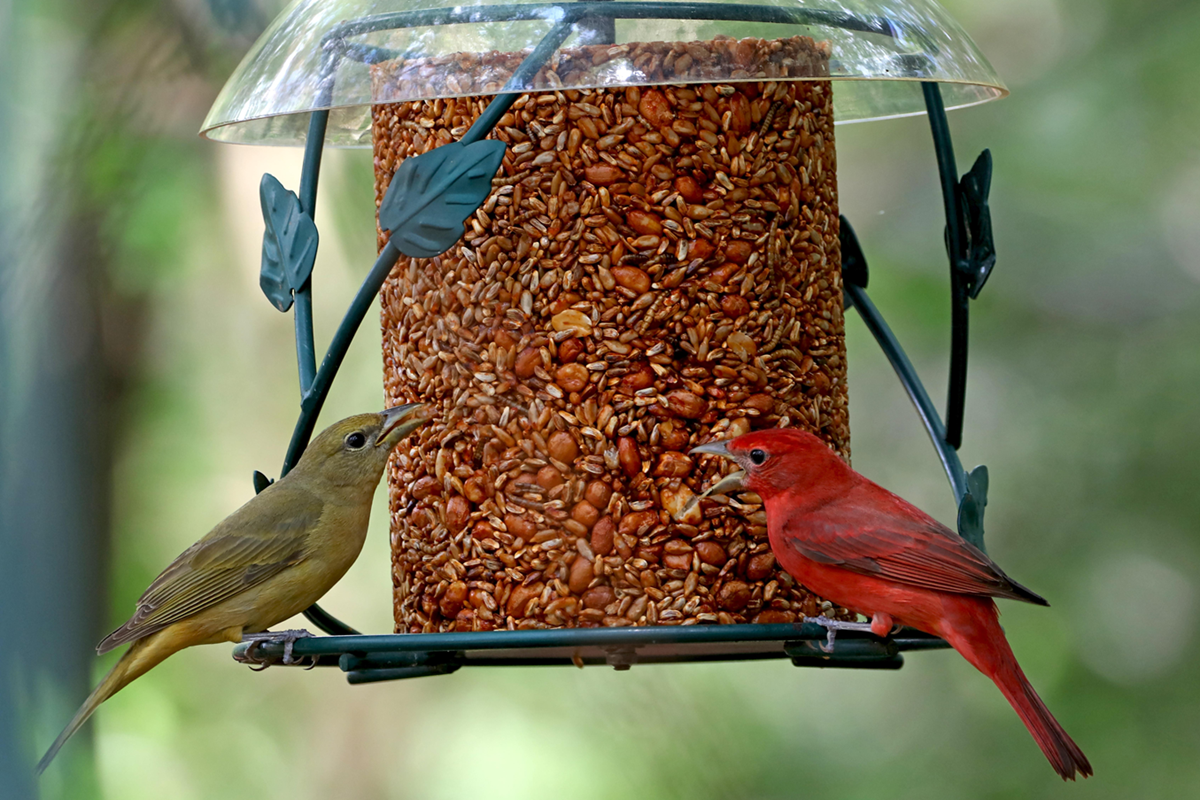
What if too many animals arrive or a species that you weren’t expecting shows up? A few Canada geese can quickly become a lot of geese. Using bird feeders attracts beautiful songbirds but can also draw in rats and other rodents which may attract coyotes. What if you enjoy the abundance of wildlife in your yard but your neighbors do not appreciate it when the animals wander across the property line? Supplemental feeding can cause populations of raccoons and other wildlife to grow larger than the normal carrying capacity of an area. These are the types of situations where wildlife biologists start getting calls about nuisance wildlife.
According to the USDA Wildlife Services’ factsheet “Don’t Feed the Wildlife”, these are some of the reasons people should not feed wildlife:
• Human food is not healthy for wild animals. Wild animals can become malnourished, deformed or even die if fed food other than their natural diets.
• Too many animals in one place increases the chance of disease transmission to people and among other wildlife.
• Feeding animals can accustom them to people, which may cause them to lose their fear of people or become aggressive. Wildlife that become too aggressive may have to be killed to protect people or property.
• Wildlife can cause expensive damage to vehicles and homes.
• Animals fed along roads may increase the chances of vehicle-animal accidents.
• Large concentrations of ducks and geese can pollute waterways and public spaces.
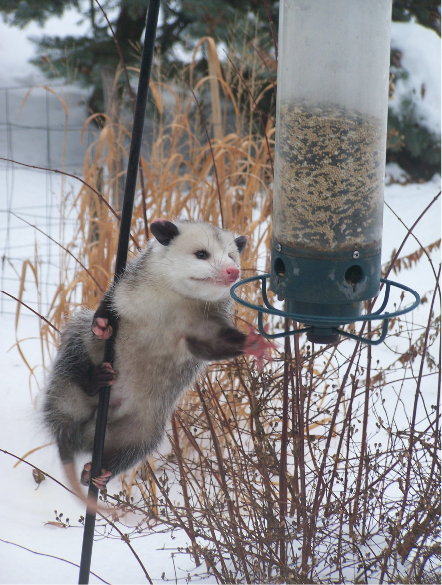
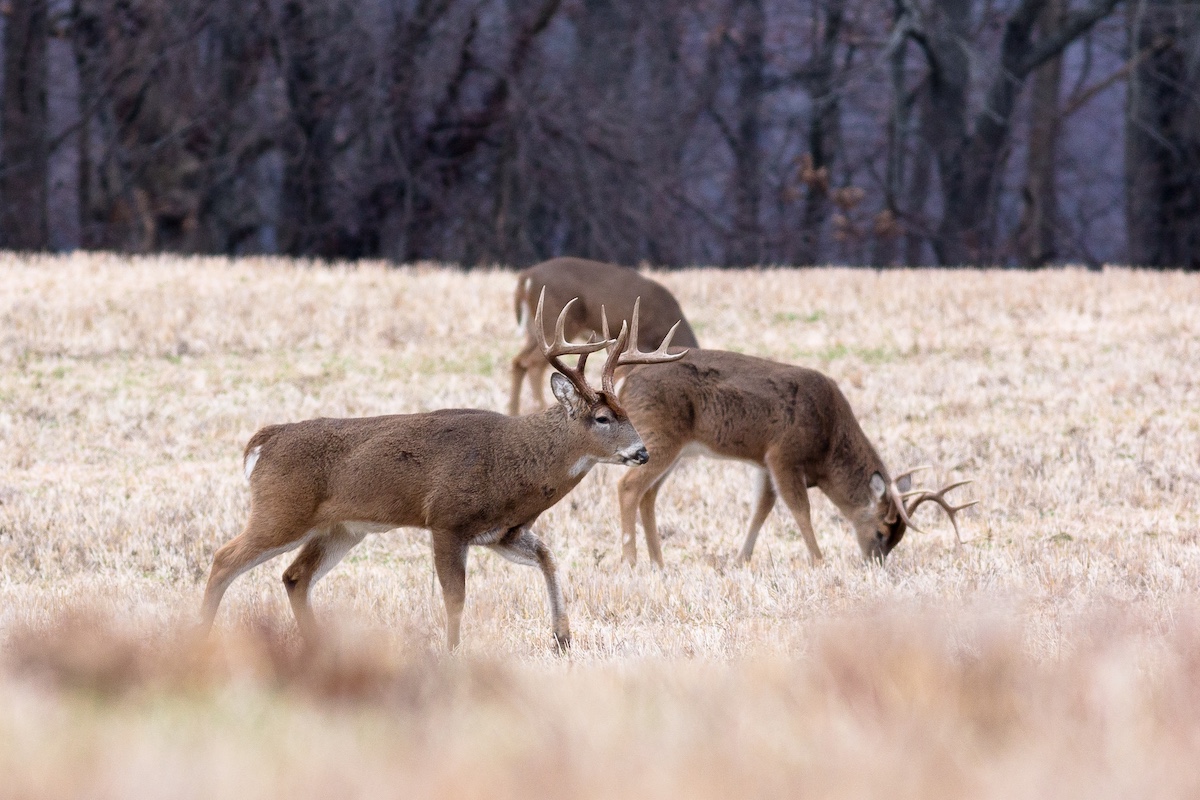
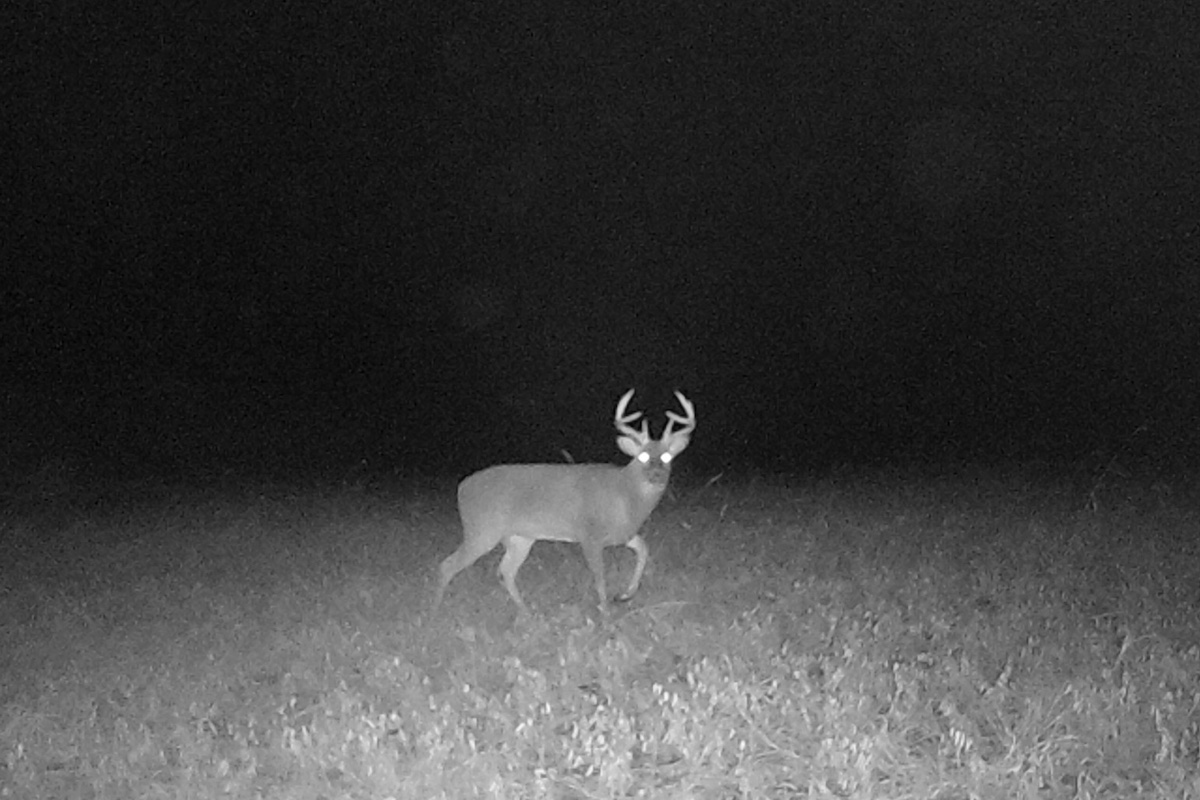
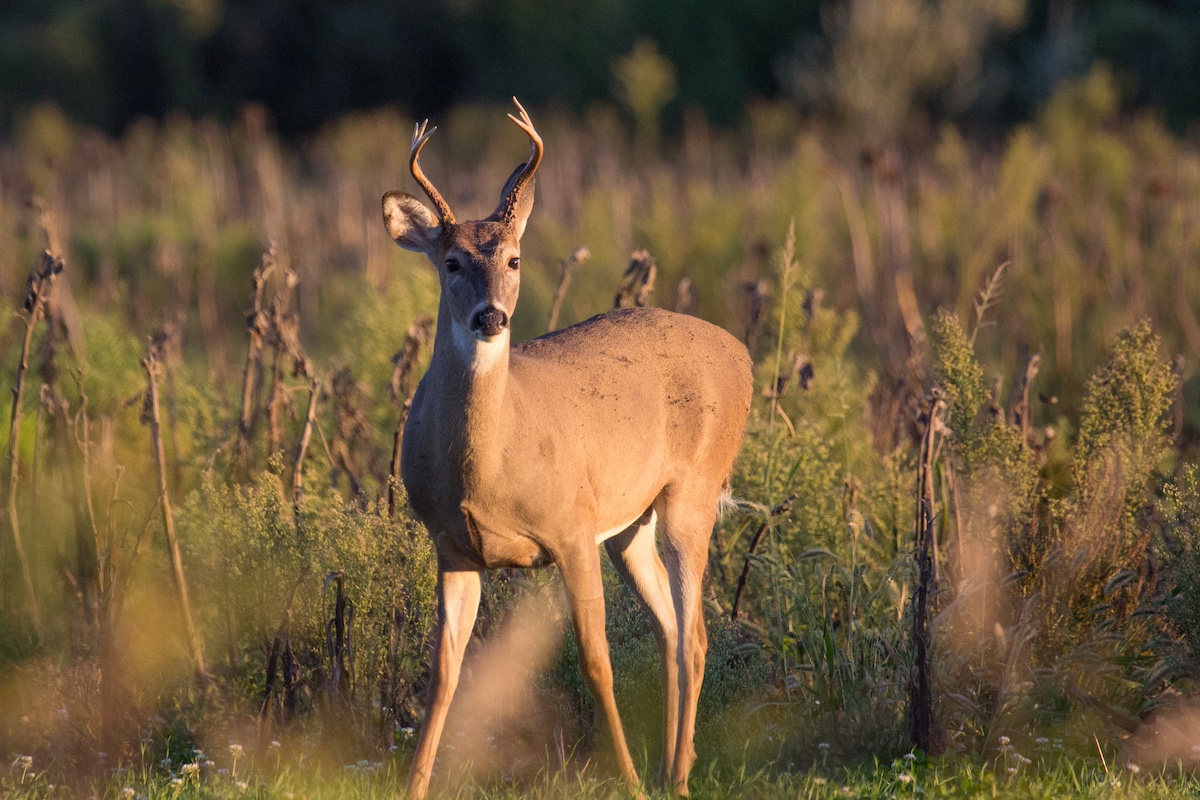
Under the Illinois Wildlife Code, feeding wild deer is strictly prohibited to prevent the spread of Chronic Wasting Disease (CWD). It is illegal to make food, salt, mineral blocks, or other products available for wild deer or other wildlife where wild deer are present. Backyard bird and squirrel feeding near homes is allowed, and feeders for wildlife other than deer are also exempt from the rule as long as deer are excluded from the feed in and around the feeder by fencing or other barriers. The full list of feeding exemptions can be found in the Illinois Department of Natural Resources Hunting and Trapping Digest.
Tips to avoid attracting unwanted wildlife are provided in the OutdoorIllinois Journal article “Keeping Every Cog and Wheel” and the article “Coexisting with Wildlife” provides information about reducing risks to human health and safety, preventing injury to pets and livestock and minimizing property damage. It is also important to be considerate of your neighbors and aware of the impacts your decision to feed and attract wildlife may cause for their property.
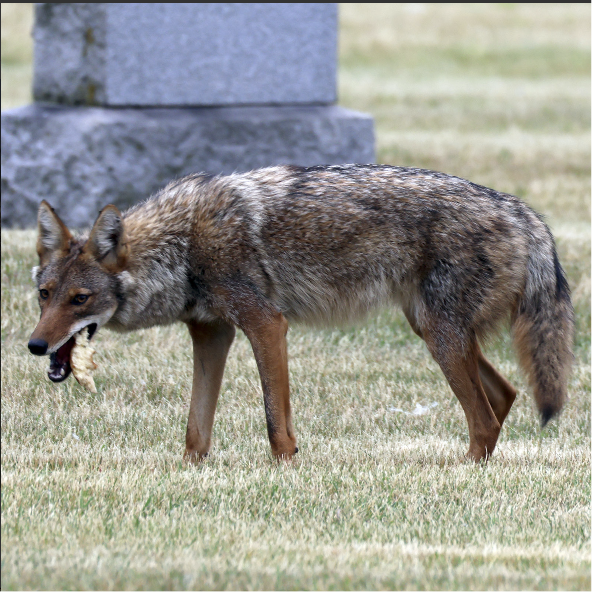
Additionally, the Wildlife Illinois website recommends:
• Do not feed squirrels, raccoons, deer or other wildlife.
• If you feed birds, install baffles on the bird feeders or use feeders with weight-activated treadles to keep squirrels out. Do not allow bird seed to accumulate on the ground where it can attract rodents, raccoons and opossums. Using thistle seed or seeds treated with capsaicin instead of untreated sunflower seeds or corn may reduce the likelihood of attracting squirrels, opossums or raccoons.
• Feed pets indoors when possible. If pets must be fed outside, bring food dishes in overnight and clean up any spilled food.
• Keep garbage stored properly. Use solid trash containers with secure lids. Place trash containers in an area where they cannot be easily knocked over or build a frame to hold them upright.
• Do not place food scraps in your garden. Make sure food scraps are not accessible if you compost.
• Clean your outdoor grill regularly.
• Harvest or dispose of all ripe fruit if you have fruit trees in your yard.
• Use fencing or other exclosures to keep rabbits, voles and deer from nibbling on garden plants or landscaping. Keep in mind that the openings in the wire fence must be small enough to keep out the species you are trying to exclude, and in most cases a portion of the exclosure must be buried underground to prevent animals from digging under it.
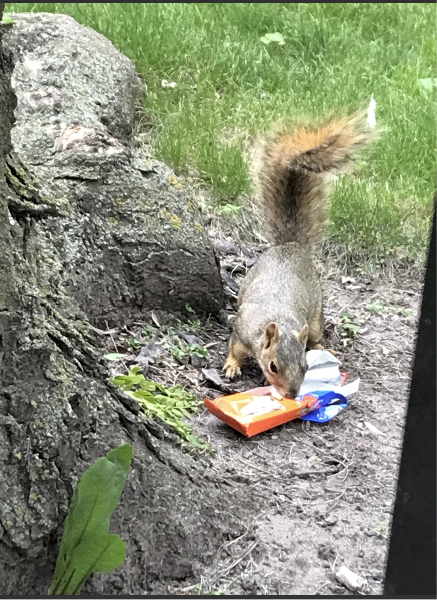
Besides being easier on the wallet, not feeding wildlife has several other perks. It helps protect wildlife from unnecessary exposure to diseases and nutritional deficiencies. It reduces the likelihood that a wild animal that becomes too familiar or aggressive towards people has to be killed or relocated.
Remember that with relocation, there is more at stake than the welfare of that individual animal. There are several reasons why it is better not to relocate wildlife. The first being that diseases or pests that the relocated animal may carry have the potential to spread to the new local population, which puts other animals, and potentially people, at risk. The second is that someone else is probably going to inherit your “problem” animal and its bad habits (e.g., getting into their garbage can or chewing the wiring on their car).
The authors of “Revealed: The Damaging Effects of Feeding Wildlife” summed it up nicely when they said: “The brief moments of joy a person experiences from feeding wildlife do not outweigh the damage and long-term impacts on the population. Simply leaving wildlife alone and supporting the persistence of natural habitats and ecosystems, is a far better way of caring for wildlife than any amount of feeding can do.”
Laura Kammin is a Natural Resources Specialist with the National Great Rivers Research and Education Center. She formerly held positions at Illinois-Indiana Sea Grant, University of Illinois Extension, Prairie Rivers Network and the Illinois Natural History Survey. She received her master’s degree in wildlife ecology from the University of Illinois, Urbana-Champaign.


Submit a question for the author
Question: I can hear something running around in my crawl space attic. Help me please‼️