A pair of summer tanagers visit a bird feeder. Photo by GeorgeB2, Pixabay

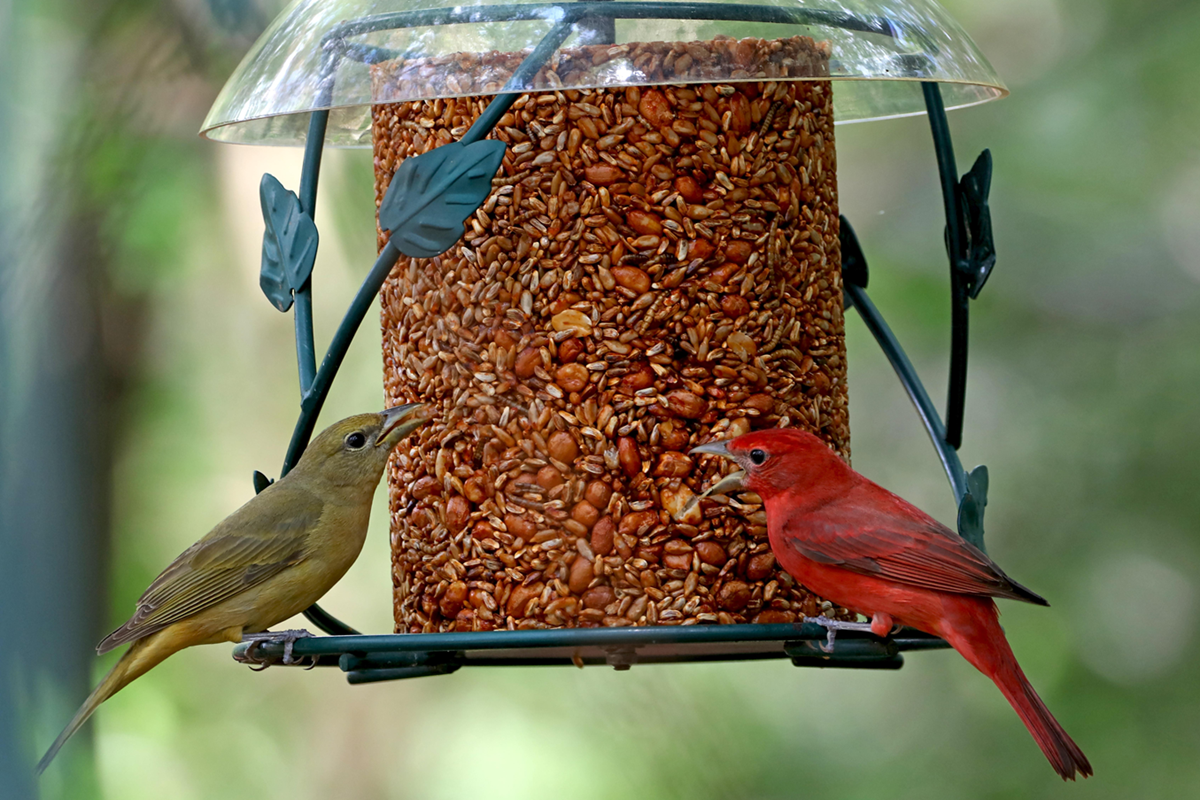
A pair of summer tanagers visit a bird feeder. Photo by GeorgeB2, Pixabay
When I look out my window to watch the birds at the feeders, I get an instant hit of endorphins. And I’m not alone in my appreciation of my feathered neighbors. According to the Wild Bird Feeding Institute, 96 million Americans birdwatch and they spend more than $107 billion annually on birding-related activities, including travel and gear, with $12.6 billion of the total spent on bird food and feeders alone. The U.S. Fish and Wildlife Service estimates that about 59 million Americans feed wild birds, spending $4 billion on bird seed each year. The stats confirm that there are a lot of people feeding the birds. But is it good for the birds? And is it good for those of us who provide the seed? The simple answer to both questions, like most things in life, is: It’s complicated.
We are losing staggering numbers of birds, with wild bird numbers down by almost 30 percent since 1970. Undoubtedly, habitat alteration and destruction are having major impacts on bird populations, with thousands of bird species in decline worldwide. To survive in these altered landscapes, birds must find enough food to provide the substantial energy it takes to raise young, defend territory, avoid predators and endure intense weather conditions, not to mention the extra energy needed by those species that migrate each spring and fall.
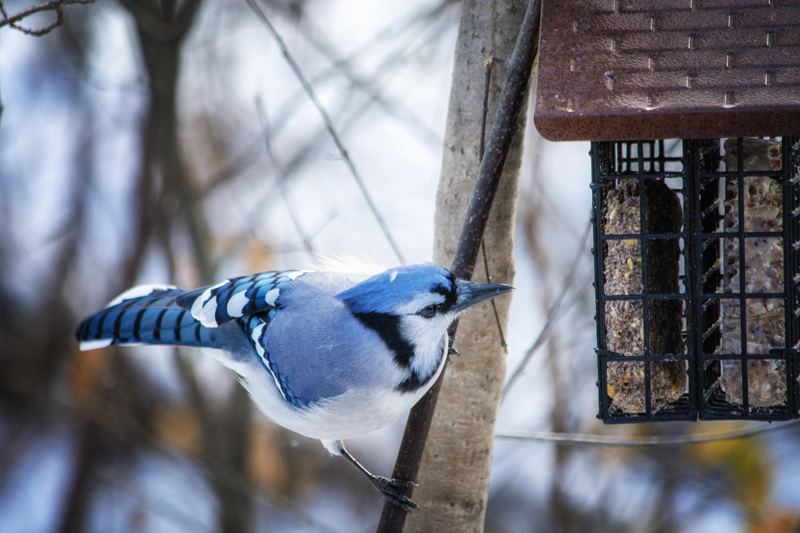
Many of us are willing to put a dent in our wallets to help the birds. Setting up a backyard feeder (or eight) seems like a great way to help the birds while also bringing them in close enough to enjoy watching from the comfort of home. But that closeness comes with more than the cost of feeders and seed. There are pros and cons to feeding birds.
Bird feeders and bird baths will draw a crowd of birds to enjoy watching. But it is well known that when these added features are not properly cleaned, these close-contact, shared spaces can make it easy for bacteria like Salmonella and E. coli to spread. Additionally, bird feeders can facilitate the spread of conjunctivitis, avian pox virus, trichomoniasis and Aspergillus spp. between birds.
There’s growing research into the ecological costs and benefits of bird feeding. One study that caught my eye was a three-year study of 11 bird species in six forested sites in central Illinois. This study evaluated the health of individual birds including body condition, stress, antioxidant levels, nutritional condition, immune function and disease in forested sites with and without bird feeders. They found that birds at sites with feeders were generally in better overall health than birds at sites without feeders but documented that birds at sites with feeders had a greater prevalence of disease.
While we are starting to better understand the health benefits and risks of bird feeding on birds, according to recent research, people seem to have an incomplete understanding of the importance of preventative measures to protect both birds and public health. Pathogens such as Salmonella spp., Escherichia coli, and avian influenza A (H5N1) can pose risks to people who have contact with contaminated feeder surfaces, bird droppings or soiled bird food. Which is why it is important to wear gloves or thoroughly wash your hands after handling feeders, cleaning bird baths or cleaning up spilled seed.
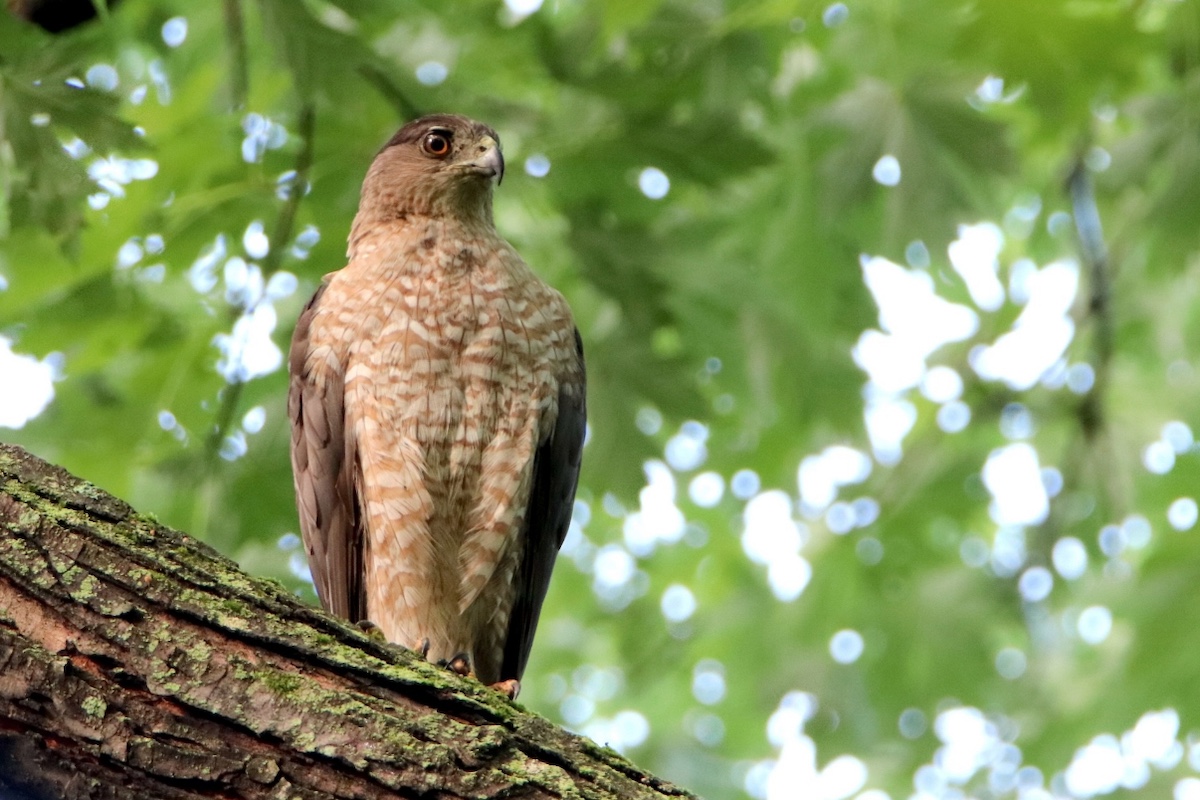
Using feeders also comes with the responsibility of setting them up in a location that will help protect the birds from predators such as cats and hawks. It is important to place the feeder near enough to shrubs or small trees that the birds have a short flight to a safe refuge, but not so close that cats can use the cover to ambush them. Keep in mind that some hawks will use nearby telephone and light poles as well as tall trees to keep an eye on the bird feeders. Cooper’s and sharp-shinned hawks will readily try their luck hunting songbirds at feeders.
Additionally, it is important to be mindful of the proximity to windows when setting up a feeding station. If there is reflection in nearby windows, birds may accidentally fly into the glass causing injury or death. Guidance from the U.S. Fish & Wildlife Service recommends placing feeders within three feet of reflective windows or covering the windows with decals or screening. Feeders tend to be placed close to windows for better viewing but note that feeders placed 15 to 30 feet from windows seem to pose the greatest hazard to birds.
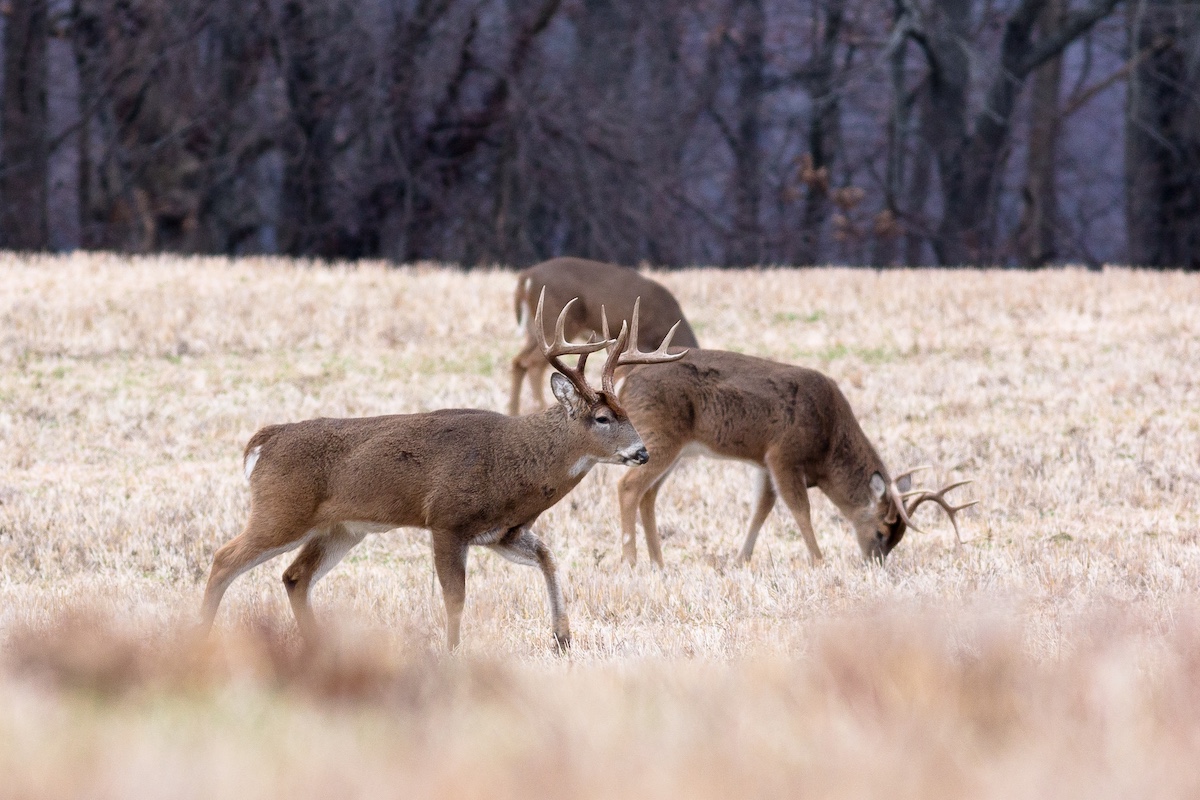
The Illinois Administrative Rule prohibits feeding wildlife in areas where wild deer are present with an exception for elevated bird and squirrel feeders that provide seed, grain, fruit, worms, or suet for birds or squirrels and which are located within 100 feet of a dwelling devoted to human occupancy. Additionally, many Illinois municipalities have bans on ground feeding and feeding waterfowl. The reason for the ground feeding ban is that providing seed on the ground, whether deliberately spreading it yourself or by not cleaning up seeds that the birds spill from elevated feeders, is likely to attract rats and mice and squirrels. In turn, higher numbers of rodents can attract animals like foxes and coyotes which can end up causing human-wildlife conflicts. Note that some of these communities impose fines for violating bird-feeding ordinances.
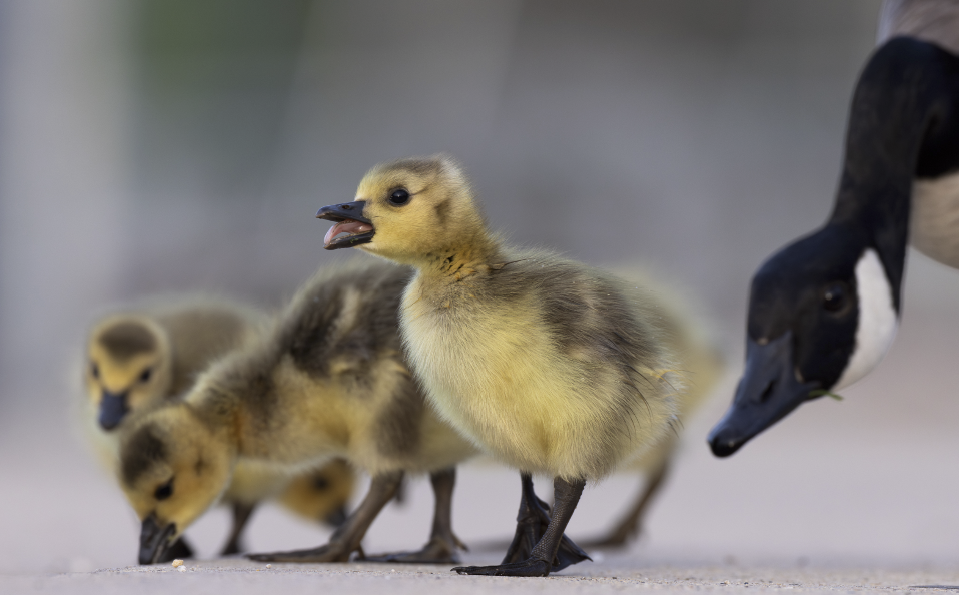
Wild ducks and geese have no trouble finding their own food. When well-meaning people feed them bread and popcorn they can set the birds up for serious health issues. Young waterfowl, especially geese, fed a lot of these foods are at risk of developing a condition known as “angel wing.” This condition causes the growth of the wings to become deformed and these birds cannot fly, making them easy targets for predators. Additionally, bread that becomes moldy can also cause health issues in waterfowl.
Additionally, wild geese that become accustomed to supplemental feeding may become conditioned to equate humans with food, sometimes becoming aggressive and posing a public safety concern.
Research shows that bird feeding can change bird behavior. According to the US Fish & Wildlife Service, northern cardinals and Carolina wrens have extended their range north, partly as a result of feeders. Additionally, it may be that migratory species, such as sharp-shinned hawks are “short-stopping,” meaning they migrate shorter distances or not at all because they have access to sufficient food sources.
In the article “Winter Bird Feeding: Good or Bad for the Birds?” the author points out that several studies have shown that use of feeders helps birds make it through the winter in better physical condition and that “those benefits carry over into the nesting season with significantly earlier egg laying dates, larger clutches of eggs, higher chick weights and higher overall breeding success across a wide range of bird species.” But he goes on to point out that in other studies, “birds fed during winter subsequently laid a smaller number of eggs that had lower hatching success and ultimately fledged fewer young than birds that weren’t fed at all. The offspring that did fledge weighed less and had a lower survival rate than the young of unfed birds.” Clearly, there are nuances here that we have yet to untangle.
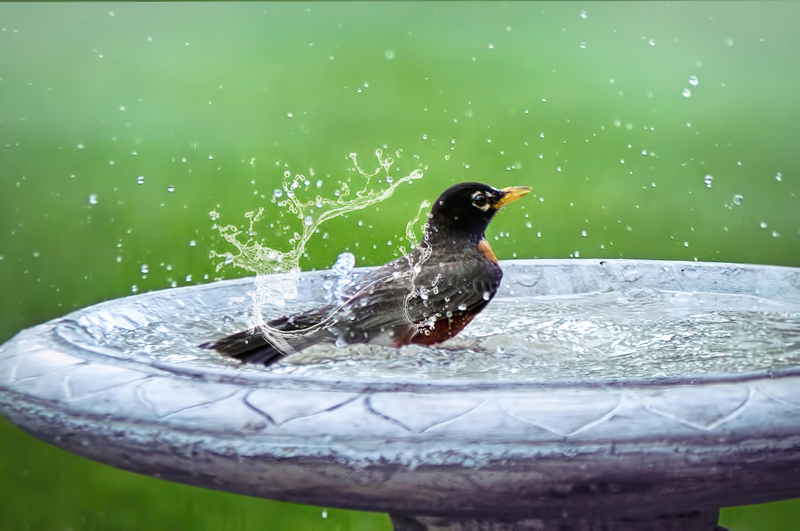
Moldy seed, dirty feeders and neglected bird baths don’t do the birds any favors. If you decide to feed the birds, be sure to clean your feeders; Once a week is good, but at least every two weeks. Research suggests that washing the feeders then soaking in a diluted bleach solution for 10 minutes is very effective at preventing the spread of disease. Rinse thoroughly with clean water and allow the feeder to dry completely before refilling. Fresh seed should be provided every couple of days and remove seed that goes uneaten after a few days so that it doesn’t spoil or mold. Ideally, bird baths should be cleaned and filled with fresh water at least every other day. Properly maintained feeders and properly maintained bird baths are key to keeping our feathered neighbors, and ourselves, healthy.
While I have several feeders and bird baths placed strategically around my yard, I have also joined the ranks of those uprooting their lawns to create suburban wildlife-friendly habitat. Trees like oaks and sweet gum that host tasty insects and caterpillars stand over redbuds and berry-producing chokecherry and elderberry. In out of the way places, the non-native grass lawn has been replaced with flowers that turn into seedy things that the goldfinches and sparrows love, such as coneflower, asters, goldenrods and brown-eyed Susans.
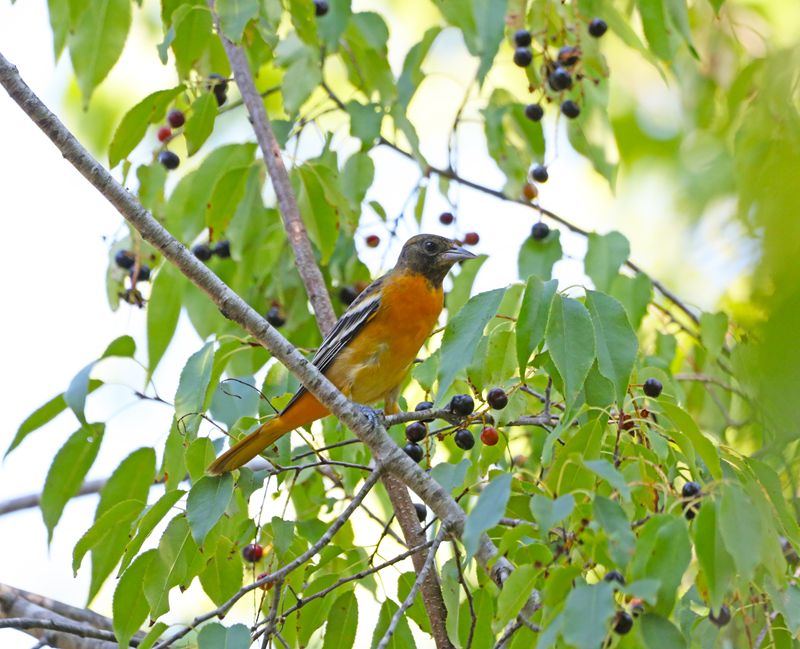
My enjoyment of watching the birds use these natural food sources is even greater than viewing their antics at the feeders because in the landscape they display their natural behaviors—hunting for insects and seeds, preening, feeding their young, resting on a branch, roosting at the end of the day.
For anyone looking for more information on how to add native plant diversity to your yard to support birds and other wildlife, check out the CICADA website. And be sure to read the article “Boring to Bountiful” in this issue of OutdoorIllinois Journal for more tips on converting lawns to support pollinators and other wildlife.
Bird food is a billion dollar industry — but is it good for birds?
Bird Feeders Are Good for Some Species—But Possibly Bad for Others
Birding’s Economic Impact: A Vital Connection to Nature
Consequences and Responsibility: Understanding How People Perceive and Handle Disease Risks at Bird Feeders. 2022. Thesis, University of Georgia.
Who Really Benefits from Bird Feeders?
Illinois Wildlife Code: Section 635.40 Feeding or Baiting of Wildlife
Effects of bird-feeding activities on the health of wild birds 2015. Travis E. Wilcoxen et.al. Conservation Physiology, Volume 3
Urban Bird Feeding: Connecting People with Nature 2016. Daniel Cox and Kevin Gaston. Plos One.
To Feed or Not to Feed Wild Birds: Bird Feeders Can Be Sources of Joy and Disease
Birdwatching Has Big Mental-Health Benefits. Here’s How to Start
Decline of the North American avifauna 2019. Kenneth Rosenberg et al. Science.
The impact of free-ranging domestic cats on wildlife of the United States. 2013. Scott Loss et al. Nature Communications 4:1396.
Changes in the Winter Abundance of Sharp-shinned Hawks in New England. 1996. Charles Duncan. Journal of Field Ornithology 67(2):254-262
Preventing disease: What’s the best way to clean your bird feeders?
Avian Biodiversity Loss: A Global Assessment of Drivers, Functional Erosion, and Mitigation Frameworks Tom Brian and Si Kung
Bird feeders and rat traps: Understanding the relationships among psychosocial factors, wildlife observations, and yard management decisions. 2026. Nikolas Ballutt et al. Landscape and Urban Planning Vol 270
Main causes of bird-window collisions: a review. 2020. Lay Basilio et al. Biological Sciences. An. Acad. Bras. Ciênc. 92 (01)
A summary and comparison of bird mortality from anthropogenic causes with an emphasis on collisions. 2005. Wallace Erickson et al. Source: In: Ralph, C. John; Rich, Terrell D., editors 2005. Bird Conservation Implementation and Integration in the Americas: Proceedings of the Third International Partners in Flight Conference. 2002 March 20-24; Asilomar, California, Volume 2 Gen. Tech. Rep. PSW-GTR-191. Albany, CA: U.S. Dept. of Agriculture, Forest Service, Pacific Southwest Research Station: p. 1029-1042
Laura Kammin is a Natural Resources Specialist with the National Great Rivers Research and Education Center. She formerly held positions at Illinois-Indiana Sea Grant, University of Illinois Extension, Prairie Rivers Network and the Illinois Natural History Survey. She received her master’s degree in wildlife ecology from the University of Illinois, Urbana-Champaign.


Submit a question for the author