
Photo courtesy of Collin Lamkin, Kayak Fishing Chicago, kayakfishingchicago.com

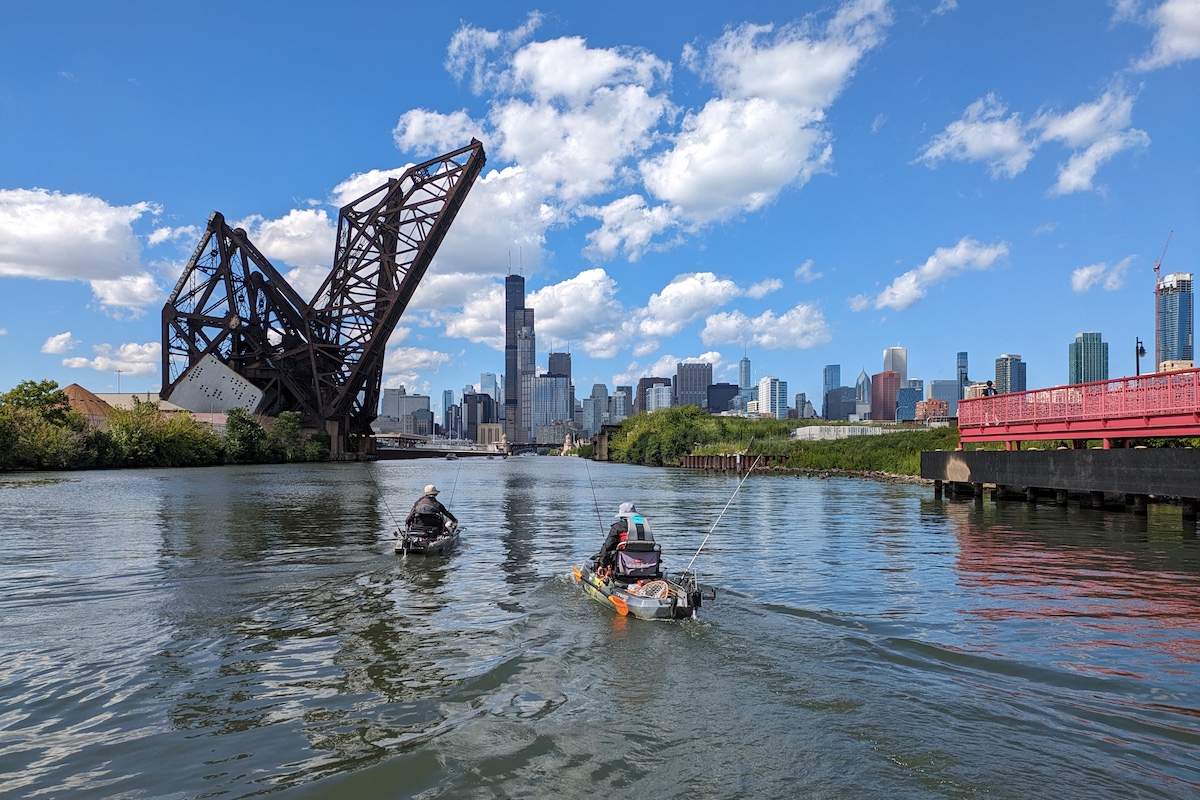
Photo courtesy of Collin Lamkin, Kayak Fishing Chicago, kayakfishingchicago.com
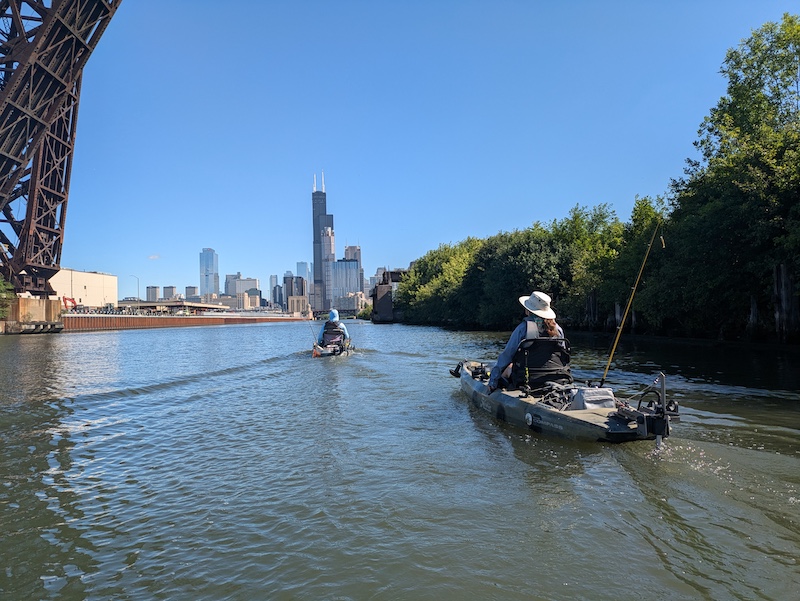
Kayak fishing has exploded across the country over the past decade, but few places offer a more striking backdrop than downtown Chicago. Where skyscrapers tower above historic bridges and the river’s surface reflects a blend of steel and glass, anglers are discovering a unique and surprisingly accessible urban fishery. Chicago’s waterways, long dominated by architecture tours, commuters, and recreational paddlers, are now attracting a growing community of kayak anglers who embrace the challenge, beauty and energy of fishing in a true metropolitan canyon.
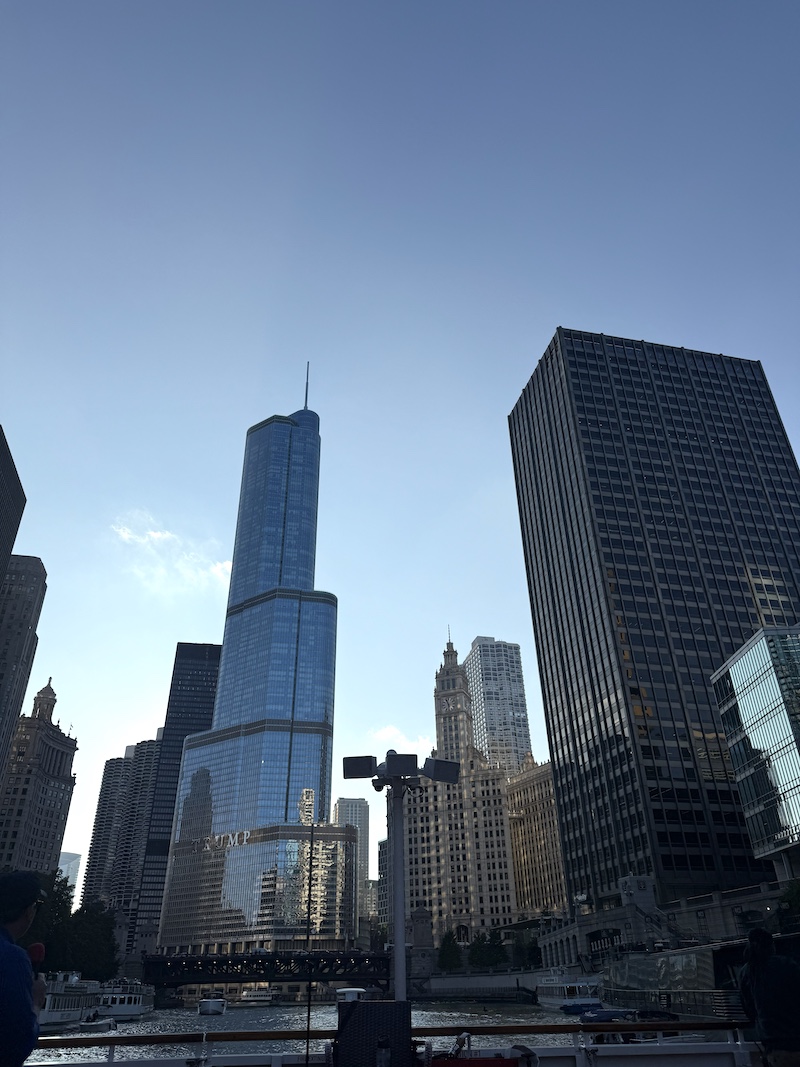
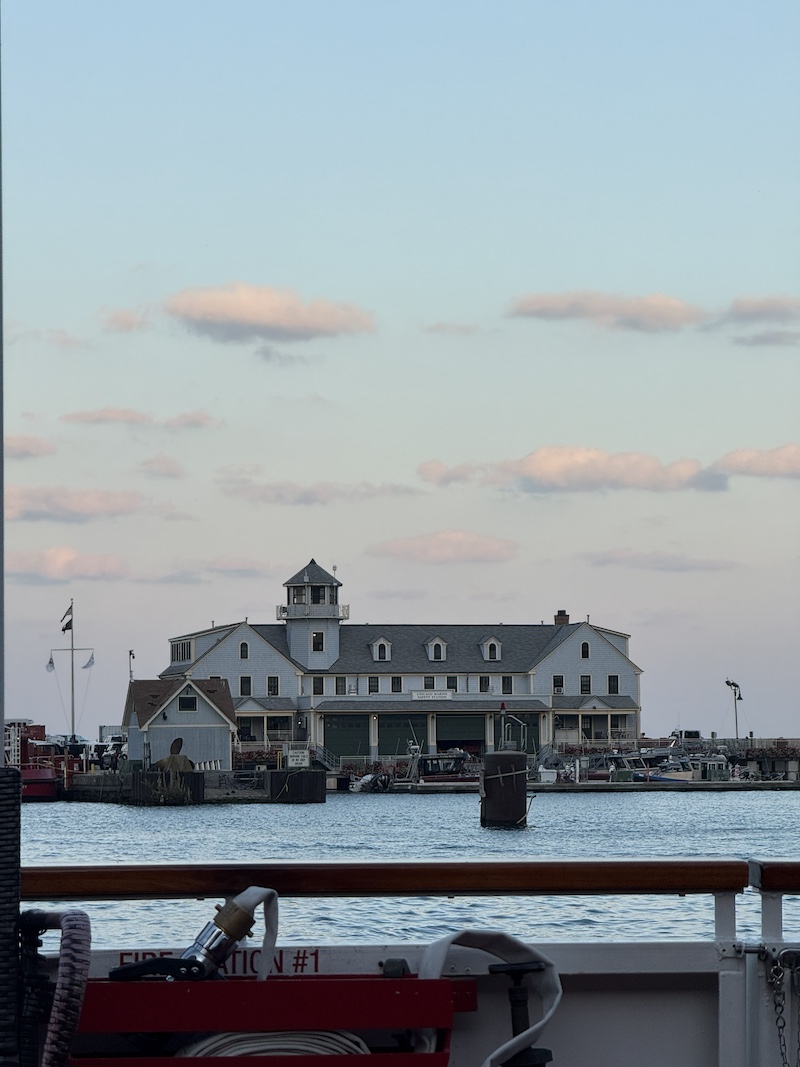
Chicago’s lakeside and riverfront landscapes are unlike any other major city in the United States. With the Chicago River branching through the heart of the city and Lake Michigan stretching endlessly to the horizon, paddlers can experience both bustling urban environments and tranquil natural settings within a single outing. What draws many to kayak fishing here is the contrast itself: the serenity of sitting inches above the water while the hum of city life buzzes overhead.
The Chicago River, once heavily industrialized, has undergone a remarkable transformation. The river is dominated by municipal water sources and the water quality is much improved, however, some care should be taken while recreating around the river by washing or sanitizing hands and equipment.
Environmental restoration efforts, stricter regulations, and improved water management have created conditions where fish populations now thrive. Kayak anglers encounter a variety of species, from smallmouth bass and carp to trout, catfish, and even the occasional salmon near Lake Michigan. The resurgence of aquatic life has transformed the river from a commercial conduit to a multi-use recreational corridor.
Urban waterways are dynamic ecosystems influenced by weather, river flow, boat traffic and human activity. In Chicago, the river behaves differently from traditional creeks or lakes commonly associated with kayak fishing. The channel is deeper, the currents vary with lock operations, and underwater structure often consists of concrete seawalls, steel pilings, artificial ledges and bridge foundations. These features create ambush points where fish congregate.
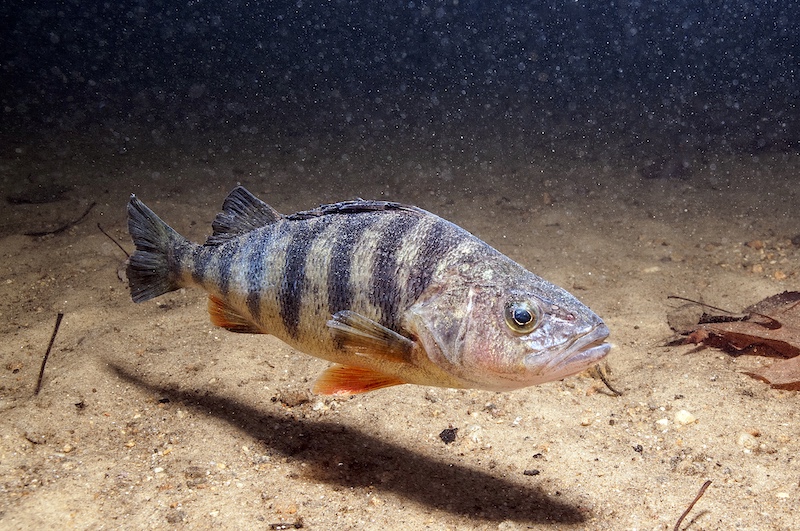
Local anglers have found success using paddle-tail swimbaits, jigs, crankbaits and finesse plastics—presentations that mimic baitfish navigating along the river’s vertical structures. The improved fish populations and river conditions have been document and are available in an OutdoorIllinois Journal article. The smallmouth bass population in particular benefits from the rocky edges, current seams and shade created by the city’s iconic bridges. Catfish and carp patrol the bottom for food dislodged by passing boats. On Lake Michigan, nearshore anglers often target coho and Chinook salmon, steelhead, perch and lake trout. The lake’s clarity and depth require different approaches, such as trolling small spoons, casting jerkbaits or jigging deeper structures.
Urban fisheries may lack the solitude of remote lakes, but they more than compensate with year-round action, easy access, and the unforgettable sensation of landing fish under the shadows of downtown’s skyline.
While any functional fishing kayak can be used on the Chicago River or Lake Michigan, certain features significantly enhance success and safety in urban conditions. Stability is a top priority because the river often hosts recreational use, water taxis and larger boats that can create moderate wake. Wider hulls and pontoon-style designs help maintain balance during sudden water movement.
Pedal-driven kayaks are especially popular on the river. They offer hands-free maneuverability, allowing anglers to steer, cast and reposition along walls or bridge pilings without drifting into traffic. The ability to quickly reverse or pivot is helpful in narrow channels, particularly when water taxis or tour boats pass through.
On Lake Michigan, the challenge is wind and open-water chop. Kayaks with higher freeboard, more rocker, rudder systems, and secure storage compartments perform better on big water. Many anglers carry a bilge pump or use self draining scupper holes to manage incoming spray. Safety gear becomes even more crucial on the lake, where conditions can change rapidly.
One of the major advantages of kayak fishing in downtown Chicago is accessibility. Numerous public launch locations allow paddlers to get on the water quickly:
Launching early in the morning is common practice, allowing anglers to beat boat traffic and experience calmer conditions. Parking availability varies by location, and many anglers recommend arriving well before sunrise during peak seasons.
Fishing in downtown Chicago means sharing the water with an array of commercial and recreational users. The Chicago River is both a working and recreational waterway, and kayak anglers must navigate it with heightened awareness.
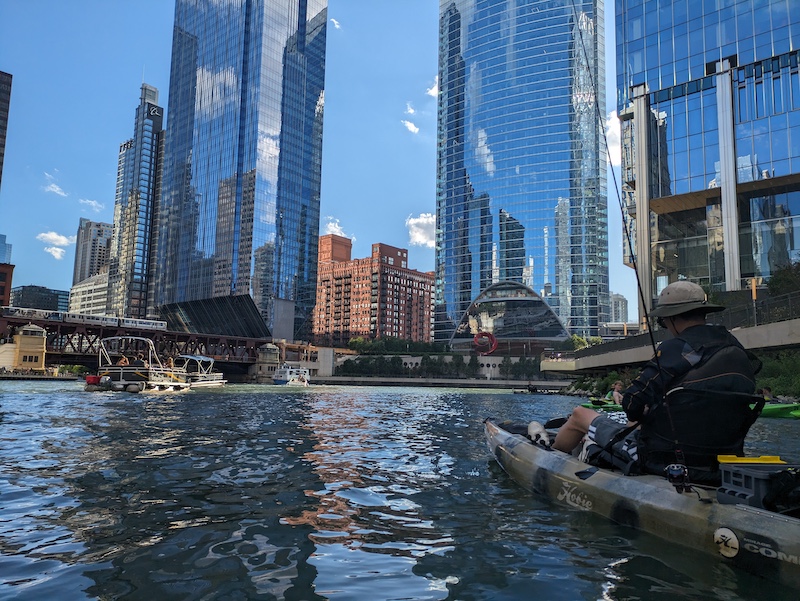
Architectural tour boats, dinner cruises and water taxis operate frequently along the river, especially in warmer months. These vessels have limited maneuverability, restricted stopping distance, and predetermined routes. Anglers should:
Commercial boat captains follow strict operating procedures, but visibility can be reduced due to vessel height and blind spots. Predictability and awareness from anglers help keep the waterway safe for everyone.
Safety is at the core of successful urban kayak fishing. The river and the lake each pose unique hazards, and paddlers must prepare accordingly.
Kayak fishing in Chicago has grown into a vibrant, welcoming community. Social media groups, local clubs, and informal meetups create opportunities for anglers to share launch tips, discuss seasonal patterns, and introduce newcomers to the sport. Weekly or monthly group outings are common, building camaraderie among paddlers who enjoy exploring the city’s waterways together.
These communities also act as stewards for the river, often participating in cleanups, reporting hazards, and advocating for improved access. Their shared experiences help dispel misconceptions about urban fishing and highlight the ecological improvements taking place within the city.
As Chicago continues developing its riverfront, the potential for expanded kayak access and improved habitat grows. Revitalization projects, stabilizing seawall designs that incorporate natural features and broader environmental goals all point toward a healthier waterway. Kayak anglers stand at the intersection of recreation and conservation, experiencing firsthand how human activity and natural ecosystems can coexist.
Urban fishing also offers an entry point for people who may not have access to remote wilderness or large boats. The affordability of kayaks and the proximity of the river to public transportation encourage more residents to engage with nature in meaningful ways.
Kayak fishing in downtown Chicago is about more than the thrill of hooking a fish. It’s about connecting with the city from a different perspective—one that reveals hidden natural elements within the urban environment. Whether gliding past iconic buildings, navigating a bustling waterway, or watching the sunrise reflect off Lake Michigan, anglers experience a side of Chicago that few ever see up close.
This blend of nature and urban adventure makes kayak fishing here uniquely rewarding. With proper preparation, respect for the water, and awareness of fellow river users, anglers can enjoy a safe and memorable experience casting beneath the skyline of one of America’s most iconic cities.
Steven Beltran joined the Illinois Conservation Police in 2000, retiring as a Sergeant in northwest Illinois in 2024.





Submit a question for the author
Question: Nice article Steve. I hope you are doing well. I have never fished the Chicago river, but this article makes me want to.