Photo by Courtney Celley, USFWS.

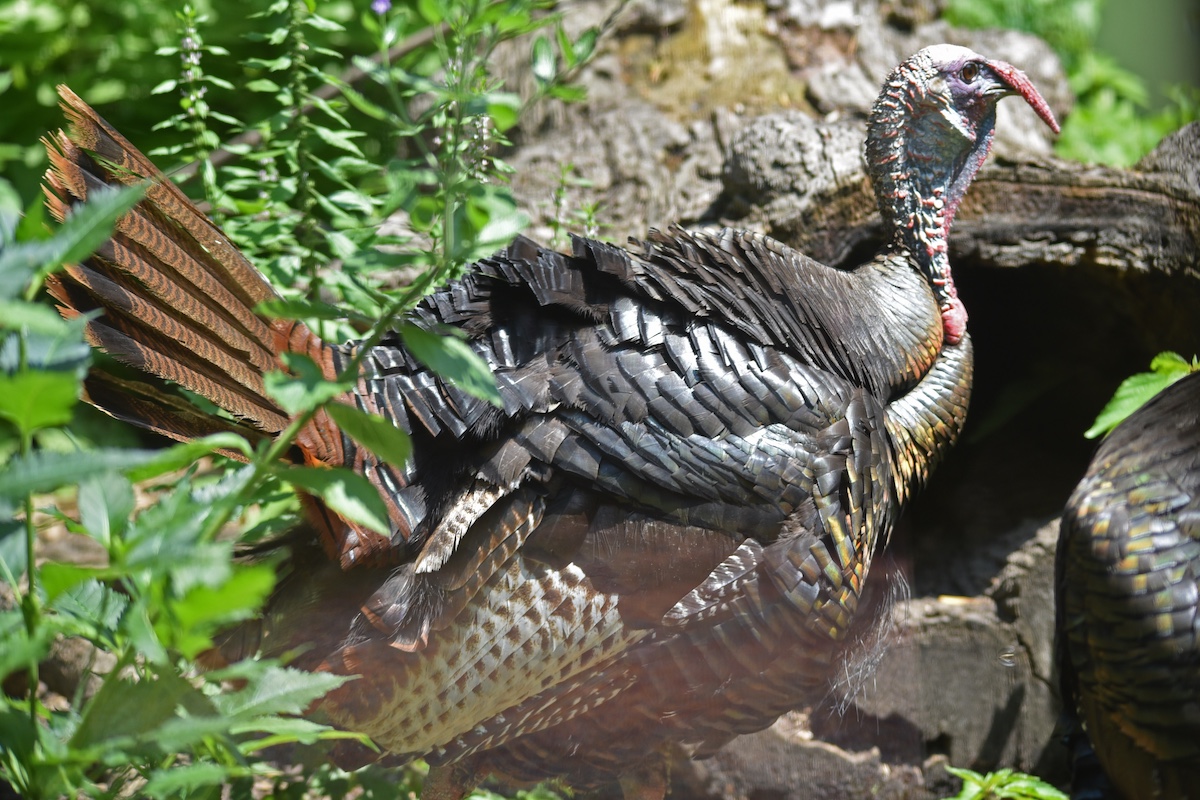
Photo by Courtney Celley, USFWS.
Looking for a new Illinois spring turkey hunting adventure? Didn’t draw the spring Special Hunt Area turkey permit you were wanting? With the 3rd lottery for the Illinois Spring Turkey season currently open (January 23 – February 9, 2026), there’s still hope!
By Illinois standards, the Shawnee National Forest feels different. The land rises and falls in hard ridges and rock bluffs that loom over oak flats. In a state known for cornfields, the Shawnee offers some of the most rugged, scenic and challenging turkey hunting in Illinois. If you’re looking for easy walking and predictable birds, the Shawnee will humble you. But if you’re willing to lace your boots, trust your legs and your outdoor knowledge, the Shawnee can deliver unforgettable mornings and an adventure you won’t soon forget.
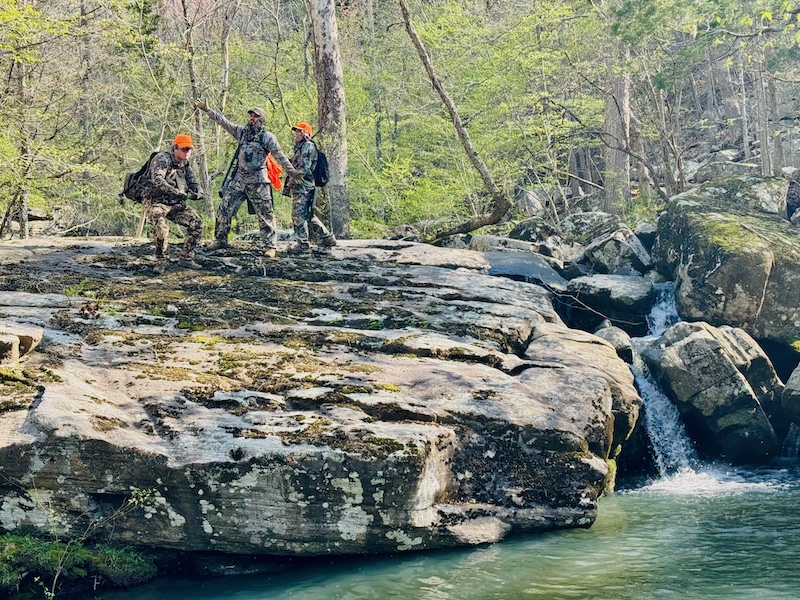
It’s worth mentioning, since the Shawnee National Forest is managed by the U.S. Forest Service, this area does not require the use of Special Hunt Area (SHA) permits for spring turkey hunting. Meaning, huntable portions of the Shawnee can be hunted utilizing a county-specific spring turkey permit, which are readily attainable. Additionally, after the 3rd lottery concludes, remaining (i.e., unsold) county-specific Spring Turkey permits will be available for sale over the counter beginning on March 10, 2026. The Shawnee national forest covers several counties, so do some homework before submitting your application or purchasing a permit over the counter.
The first thing you’ll notice about the Shawnee is the terrain. This isn’t flatland turkey hunting. The forest is carved by steep ridges, deep hollows, narrow benches, and winding drainages. Elevation changes dictate how sound travels, how turkeys move and how you need to hunt them. Hardwood forests dominate much of the Shawnee, with oak-hickory ridges giving way to mixed timber and pine plantations in some areas. South and west-facing slopes green up early in spring, while north-facing slopes stay cooler and darker longer into the season. Those subtle differences matter when birds are choosing roosts, strut zones and midday loafing areas.
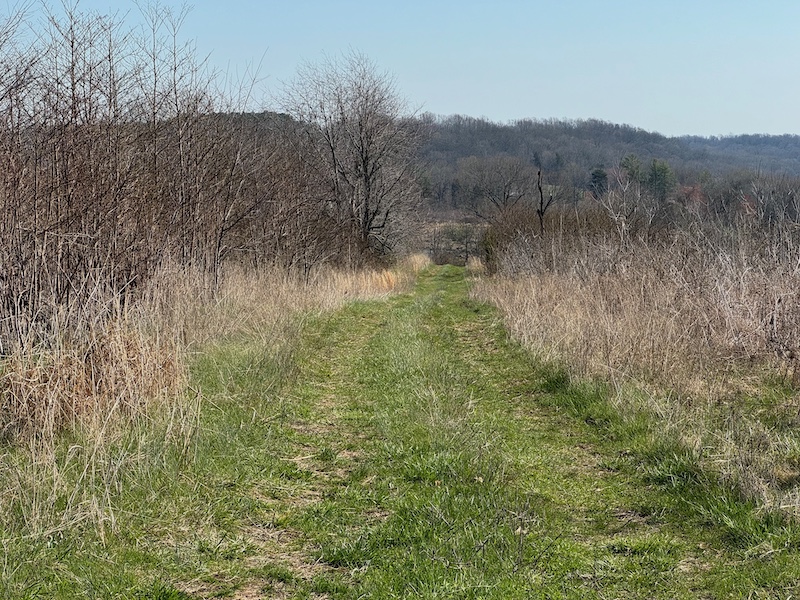
Road access and parking areas exist, but many of the best spots require effort. For me, that’s a feature, not a bug. Don’t expect the kind of gobbling frenzies you might hear about in parts of the south or Great Plains. From my experience, Shawnee birds tend to gobble less, especially after opening weekend. Hunting pressure, rugged terrain and thick timber all impact their behavior. Success here often comes from patience, smart setups and knowing when not to call.
Turkey hunting the Shawnee National Forest isn’t about stacking birds or easy limits. It’s about earning every encounter. It’s about hearing a gobble roll through the forest as the fog lifts off the ridges. It’s about watching a longbeard slip along a bench you found with sore legs and a good map.
A few tips, I’ve learned hunting the Shawnee National Forest:
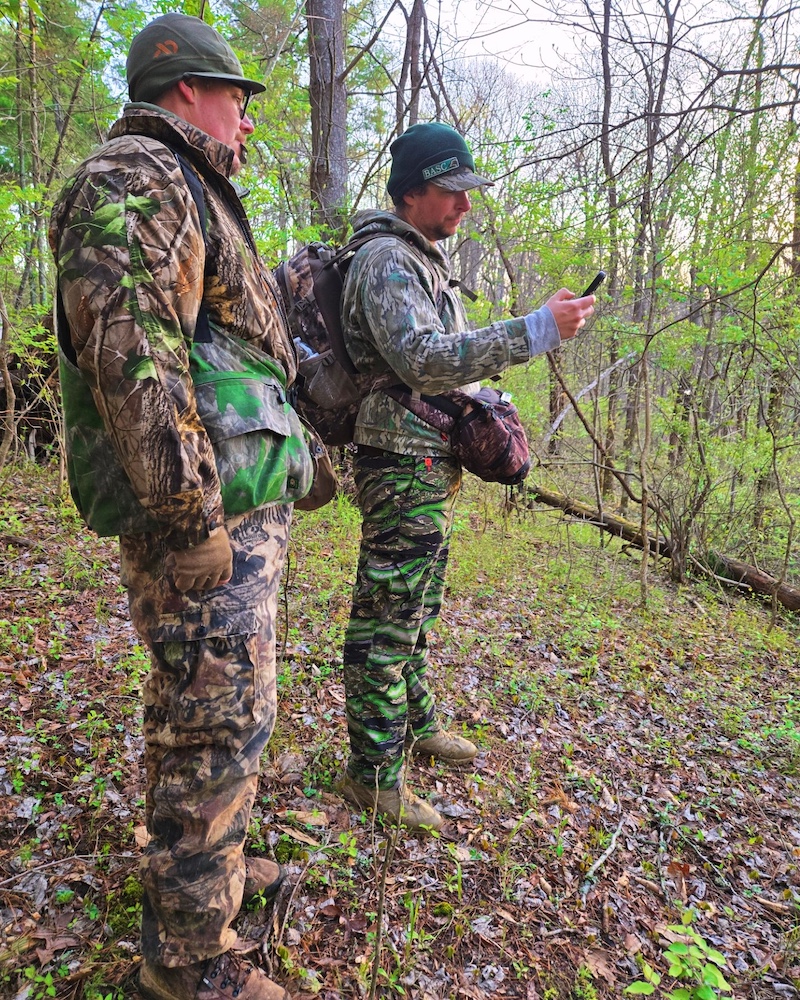
Digital mapping tools are invaluable for the Shawnee, but nothing replaces physical scouting. Focus your preseason efforts on three things: hunter access, roosting habitat and terrain features turkeys naturally use.
Look for:
Roost trees are often large oaks, sycamores or cottonwoods near bottoms or just off ridge edges. In steep terrain, turkeys prefer to pitch down into more open areas rather than dense cover. If you find scratching, droppings and feathers below a roost, mark it. Shawnee birds shift roosts frequently, so don’t fall in love with it, but note it.
Less is more in the Shawnee. Overcalling is one of the fastest ways to educate a gobbler that’s already been fooled twice this season.
My game plan is to stick to:
Aggressive calling can work early in the season or late in the day, but subtlety reigns supreme. Use the terrain to amplify your calls. A single yelp from the right ridge can sound like three hens in a hollow.
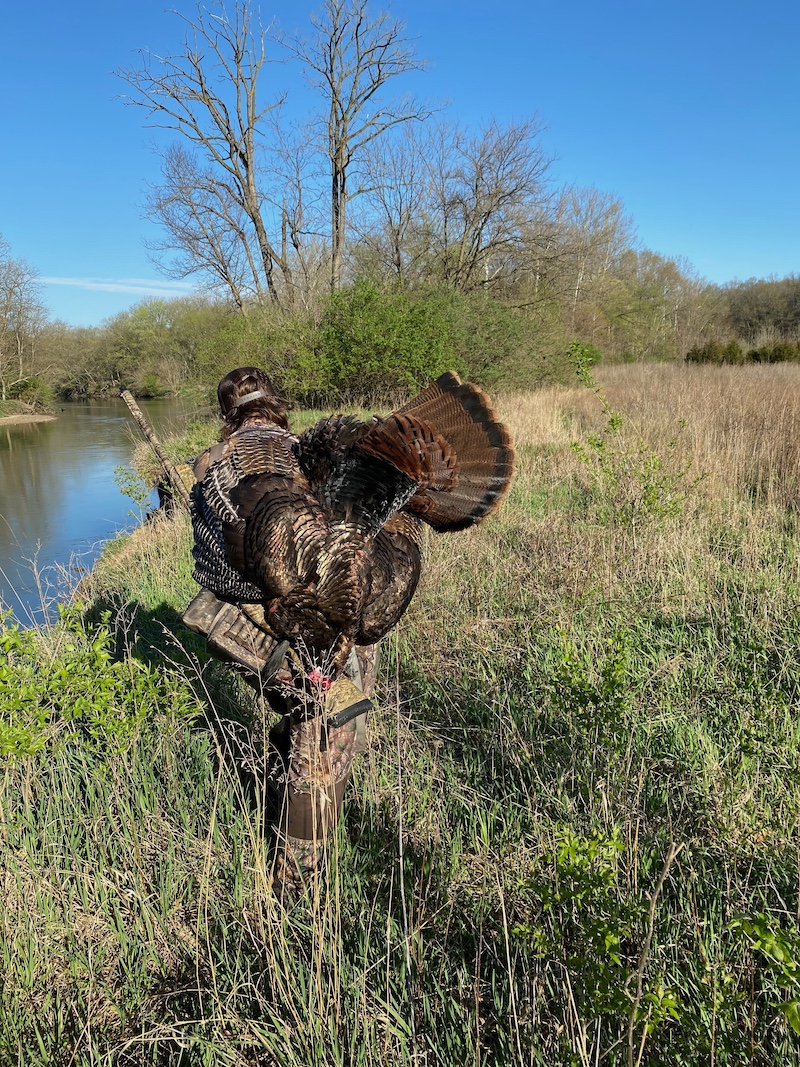
You will run into other hunters. It’s inevitable. The key is to embrace it and hunt around pressure instead of fighting it. Walk farther than most are willing. Drop into steep hollows others avoid. Hunt midday when parking lots empty. Some of the best Shawnee gobblers die between 10 a.m. and 12 p.m., when most hunters are eating lunch.
If you hear multiple calls working the same bird, back out and find another. There’s almost always another gobbler somewhere in earshot.
The Shawnee teaches patience better than any place in Illinois. Once opening weekend passes, gobbling can often drop off sharply. That doesn’t mean birds are gone, it means they’re acting like survivors. Mid-morning becomes prime time. As hens slip off to nest, gobblers start cruising ridges and benches looking for company. This is where mobility matters. Cover ground methodically. Call sparingly. Listen more than you talk. If a bird answers once and goes quiet, move closer, but carefully. Use the terrain to stay hidden. Set up where he wants to go, not where he is.
For Illinois hunters, and anyone willing to travel, the Shawnee offers something rare: true public-land adventure. Hunt it right, respect the land and other hunters, and it will give you memories that last long after the season ends. For more information about turkey hunting the Shawnee National Forest, visit the U.S. Forest Service website.
Dan Stephens is a Hunter Recruitment Specialist with the Illinois Natural History Survey. The Illinois Learn to Hunt program is a statewide program designed to teach adults (18+) why, where and how to hunt a variety of species in Illinois. Visit Illinois Learn to Hunt for more information or to sign-up for an event near you.


Submit a question for the author