
All photos by Steven Beltran.

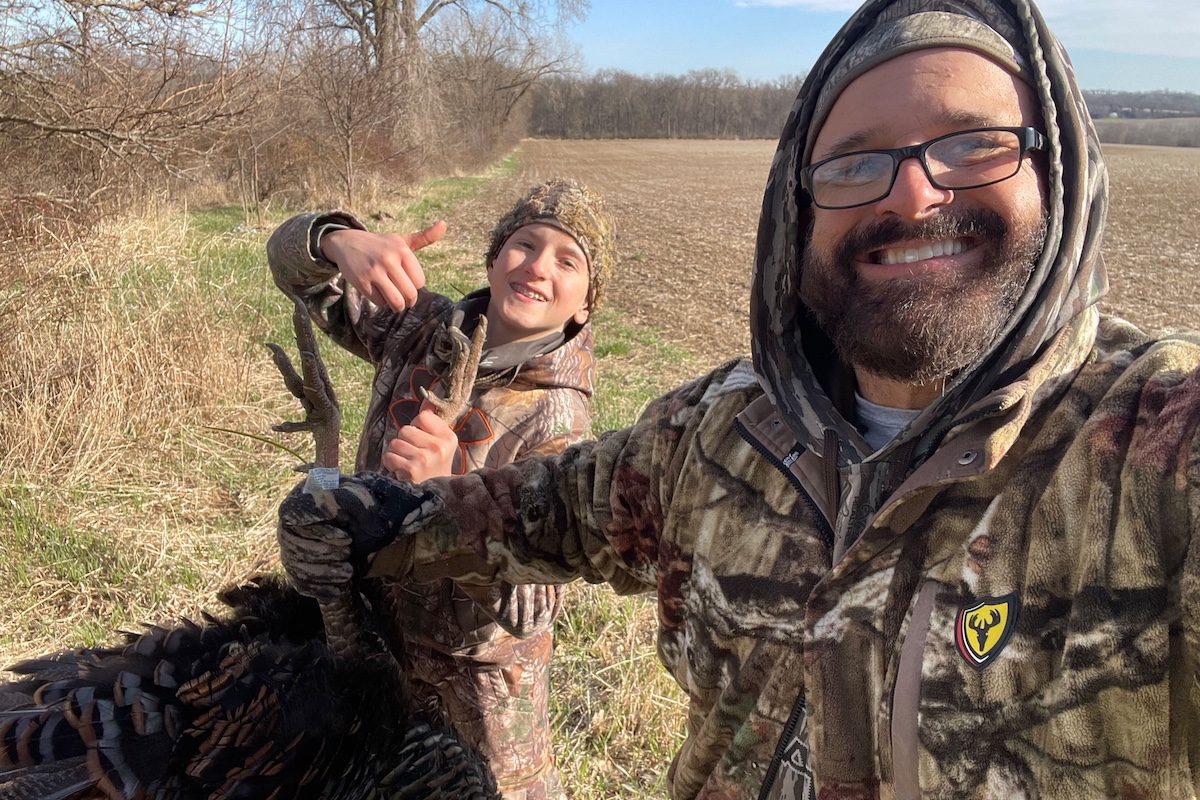
All photos by Steven Beltran.
On a crisp Illinois morning, when frost clings to prairie grass and the sky shifts from indigo to gold, there is a quiet excitement that is hard to describe to someone who has never experienced it. It is not just about filling a tag or carrying home game. It is about being present in the moment, connected to the land, and part of a tradition that stretches back generations. That feeling sits at the heart of the fun of hunting. It gives you a chance to experience many things in nature that so many people miss as it comes alive and displays a new day.
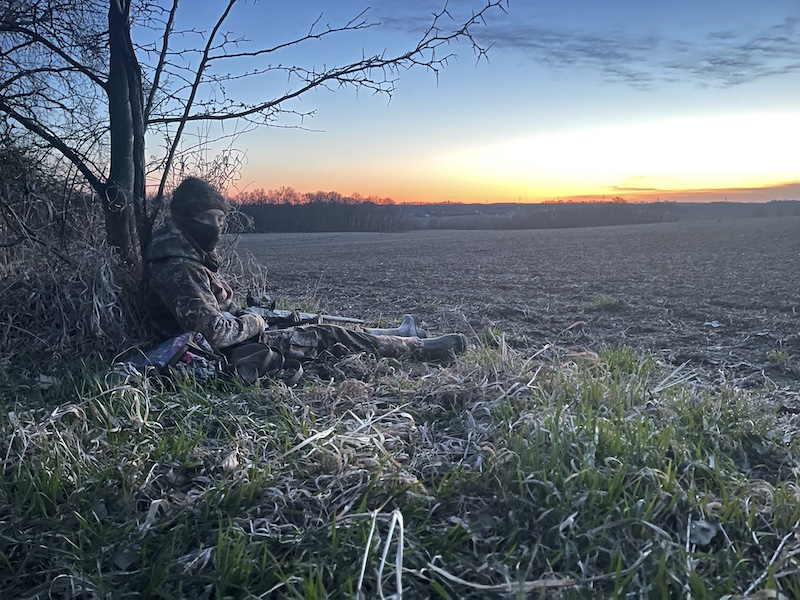
In a world dominated by screens, schedules and constant noise, hunting offers something increasingly rare: purpose-driven time outdoors. For thousands of Illinoisans each year, it is a reason to rise early, breathe cold air, and step into places where the rhythms of nature still set the pace. The waking sound of the birds and other creatures who rise from slumber to say hello these early mornings is therapeutic.
Ask any experienced hunter what keeps them coming back year after year, and the answer is rarely simple. It is not just the meat or the possibility of success. While those outcomes can be rewarding, the real enjoyment lies in the experience itself. Preparation before the opening of the desired hunting season becomes part of the ritual. Studying maps, checking property boundaries, maintaining equipment and watching weather patterns all build anticipation. Long before a hunt begins, the mind is already engaged and anticipating some tree therapy.
Once afield, hunting becomes a series of quiet decisions. Wind direction matters. So does footing, timing, and restraint. In Illinois, where landscapes range from hardwood timber and river bottoms to agricultural fields and restored prairie, each hunt presents a different challenge. A whitetail moving through oak woods at first light requires a different approach than a ring-necked pheasant rooster flushing from tall grass or a turkey gobbler responding to a spring call. That constant variety keeps the experience interesting, even for lifelong hunters. New challenges await around every corner and calendar year.
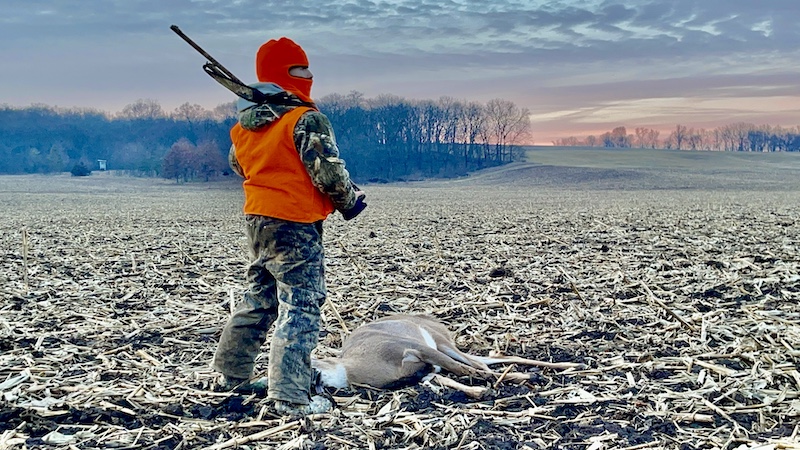
Spending time still and attentive offers something else as well: a front-row seat to the natural world. Hunters often witness moments few others do. Foxes work field edges at dawn. Sandhill cranes call overhead. Wood ducks skim low across flooded timber. These encounters are not distractions from the hunt. They are part of it. Over time, hunters develop a deeper understanding of seasonal change, wildlife behavior and the subtle signs that indicate a healthy landscape. Even for those hunters who do not see the critter they were seeking, the rise of the sun, passing of clouds and the splendor of rainbows or colorful sunsets are all possible.
That familiarity often leads to respect for the land itself. Many Illinois hunters come to know their public lands and private access areas intimately. They notice changes in habitat, water levels and wildlife numbers from year to year. This connection frequently turns into stewardship. Hunters support habitat restoration, practice ethical harvest and advocate for conservation programs that benefit far more than just game species.
Hunters will invest in their craft by making land improvements, creating bedding and shelters which many animals benefit from. Planting a food plot for white-tailed deer benefits rabbits, turkeys and hundreds of other wildlife species. A well-crafted land management plan extends way beyond the thrill of the hunt.
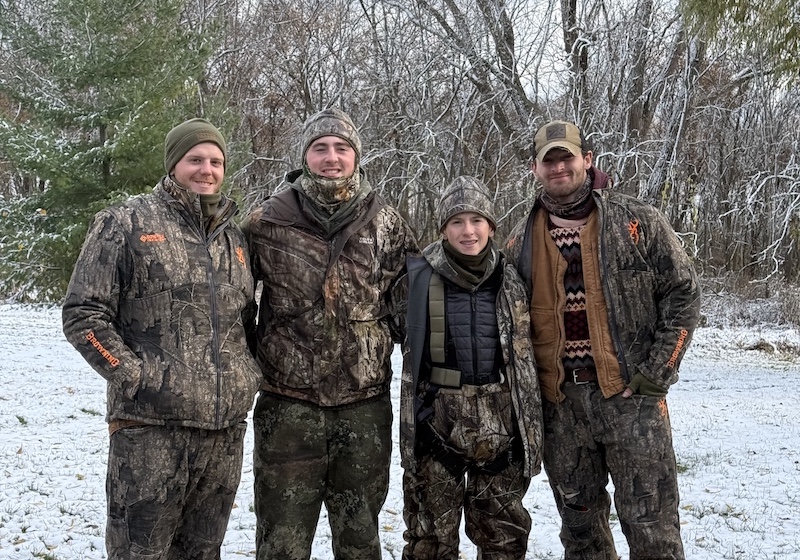
Despite popular portrayals, hunting is rarely a solitary pursuit. Some of the best moments happen before or after the hunt. Early-morning coffee at a kitchen table, stories shared around a tailgate or quiet conversations during the walk out all become part of the experience. Weeks before the hunt modern technology allows us to communicate as a group and share the excitement and progress of the season. Having “group chats” allows us to stay connected before, during and after the seasons. In Illinois, hunting is often woven into family life. Skills, ethics and traditions are passed down through generations, along with lessons in patience, responsibility and safety.
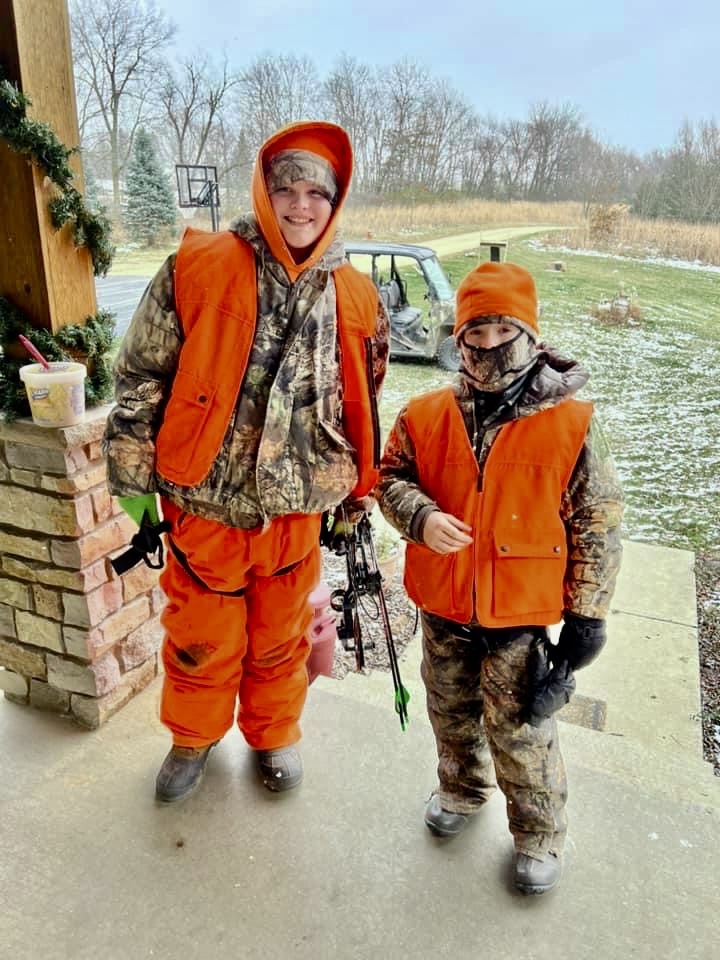
Introducing young or new hunters can be especially meaningful. Youth seasons and mentored hunts allow beginners to learn without pressure, focusing on fundamentals rather than outcomes. Even among friends, shared challenges create lasting bonds. Missed opportunities become stories. Long walks turn into memories. Success is celebrated not just for the result, but for the effort behind it. Even those tough days and close calls in harvest leave a lingering warm feeling. Perhaps that feeling doesn’t occur at that moment but some of the fondest memories come from the time the big one got away.
Part of what makes hunting so rewarding is that success is never guaranteed. Animals do not follow schedules. Weather changes plans. Sometimes the right decision is to simply watch and learn. In a culture built around instant gratification, hunting remains refreshingly resistant to shortcuts. When success does come it carries weight. It reflects preparation, discipline and respect for the animal.
For many hunters, that respect continues at the table. Preparing and sharing wild game connects people to a tradition of self-reliance that resonates strongly today. Venison, wild turkey, waterfowl and upland game offer healthy, sustainable food with a known origin. Each meal carries a story of where it came from and the effort involved in bringing it home.
Hunting also plays a direct role in conservation. In Illinois, license fees, stamps and equipment taxes help fund wildlife management, habitat restoration and public access. Hunters are often among the strongest advocates for clean water, healthy forests and preserved open space. These efforts benefit everyone who enjoys the outdoors, whether they hunt or not.
Hunting is not for everyone, and it does not need to be. But understanding why people hunt helps bridge gaps between outdoor users. At its core, hunting is about engagement with nature, personal challenge, and respect for life. For those who are curious but uncertain, Illinois offers hunter education courses, mentored opportunities, and public lands where newcomers can learn safely and responsibly.
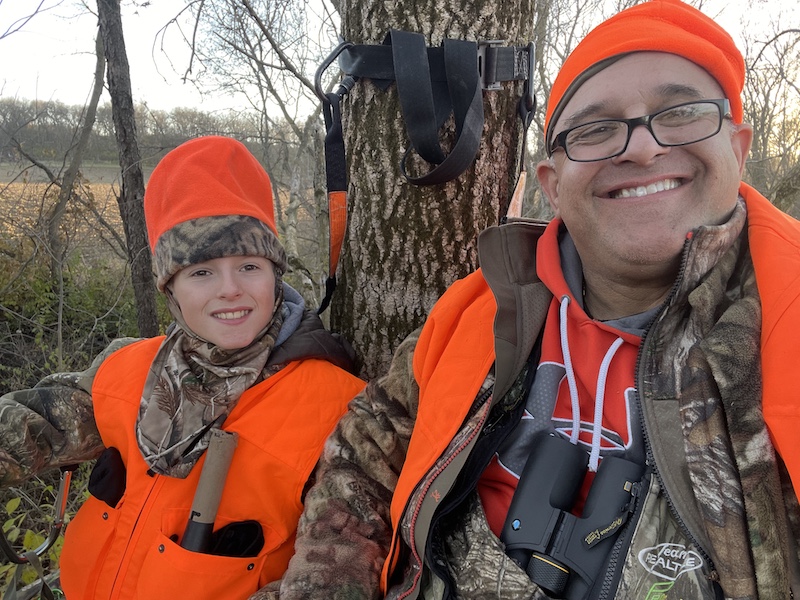
The fun of hunting is not loud or flashy. It is found in quiet mornings, earned success, shared stories and the satisfaction of doing something meaningful in a fast-paced world. It endures because it fulfills something fundamental—connecting people to the land, their food and each other. Some of the best connections I had with my children came from the tree stand. The magic of the outdoors is a catalyst for connection and core memories that will last forever.
Steven Beltran joined the Illinois Conservation Police in 2000, retiring as a Sergeant in northwest Illinois in 2024.





Submit a question for the author