
Photo by Mitch and Charli Gregory.

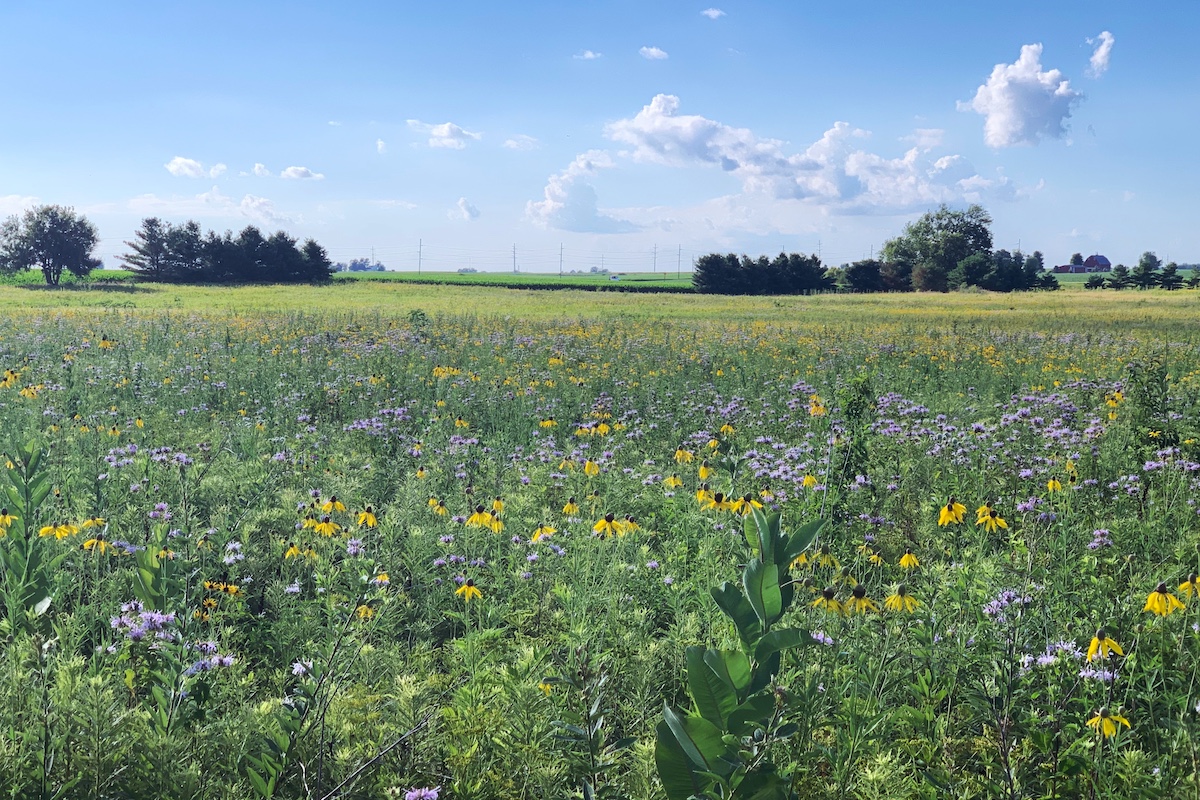

Photo by Mitch and Charli Gregory.
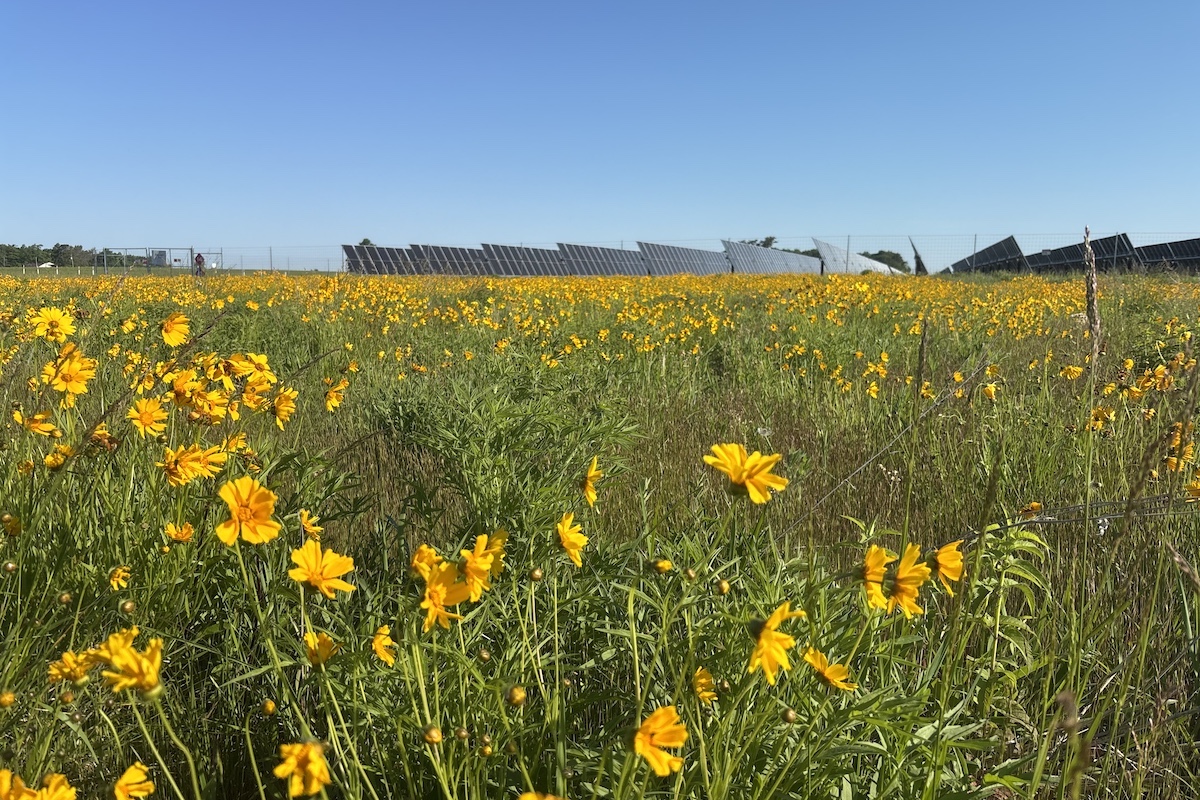
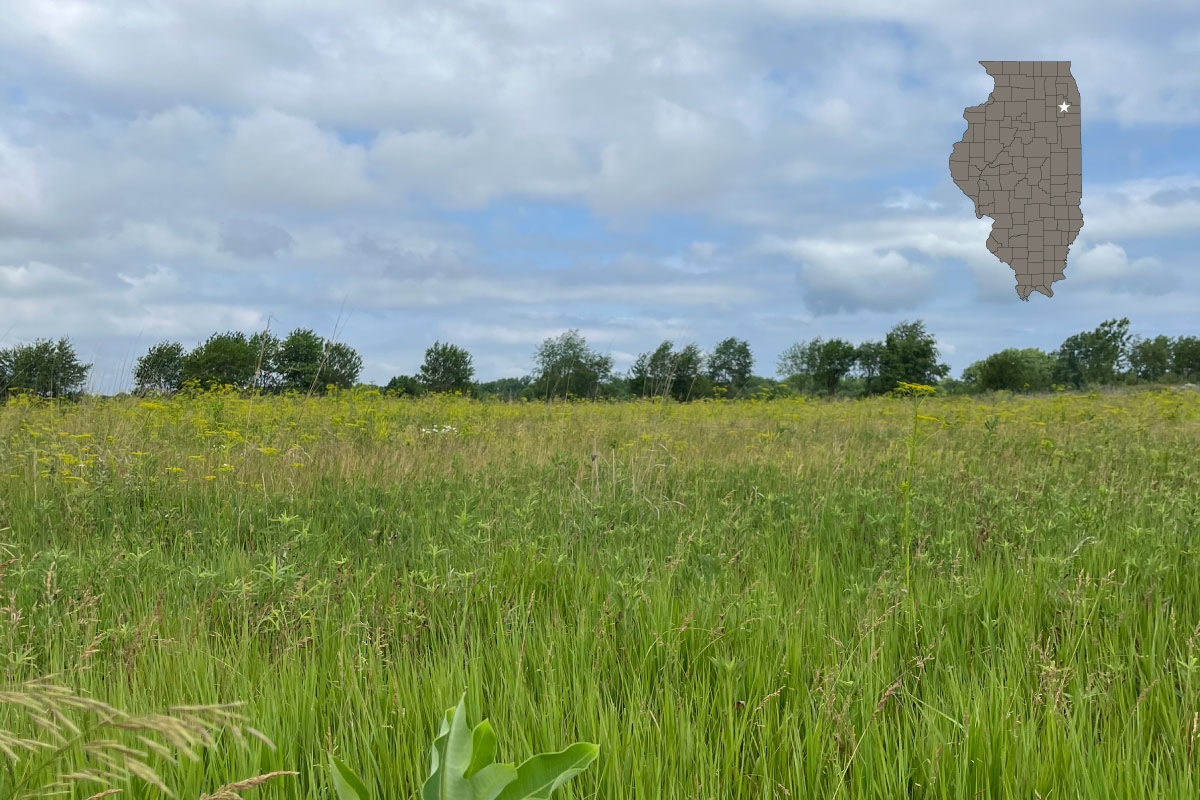
Splashes of purple, yellow and pink adorn the field of grass with color as tall prairie plants sway gently in the breeze. Pulling up the driveway, I can pick out a variety of flowers as I pass – bergamot, partridge pea, purple coneflower, black-eyed Susan, compass plant, verbena. Instead of a uniform yard of green, perfectly manicured grass, I’m looking at a small piece of what the land looked like historically. It’s hard not to be a little envious of the beauty that is an extension of this person’s yard.
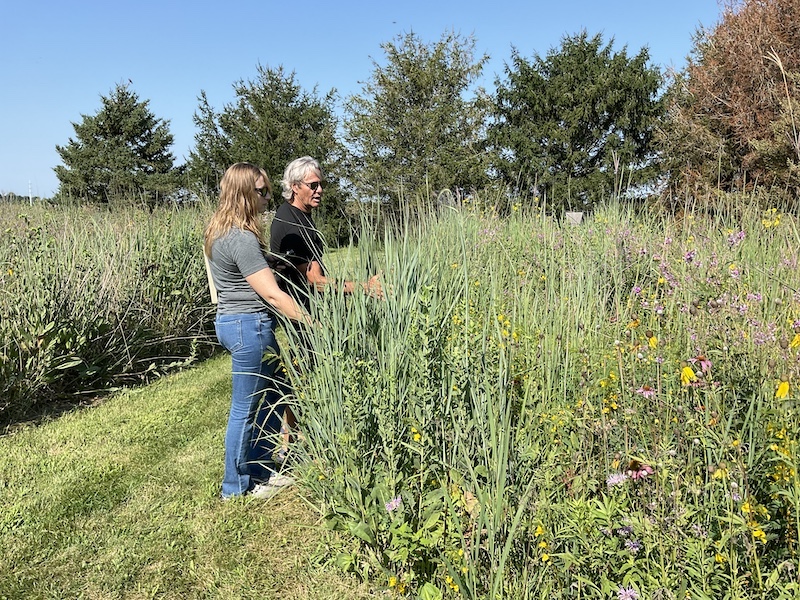
I am meeting Mitch Gregory to discuss the portion of his property enrolled in the pollinator program through CRP. CRP stands for the Conservation Reserve Program, which is a program administered by the Natural Resources Conservation Service (NRCS) that provides incentives for landowners to move land from agricultural production and create habitat areas. Fields enrolled in these programs are required to meet certain standards for habitat quality. Pollinator fields are seeded with a diverse mixture of native forbs and grasses. Over the life of a typical ten-year contract, it is very common to see diversity and abundance of flowers slip in these fields (especially when they are mowed every year). But as I pull up to the house, it’s easy to tell this field meets the biodiversity standards.
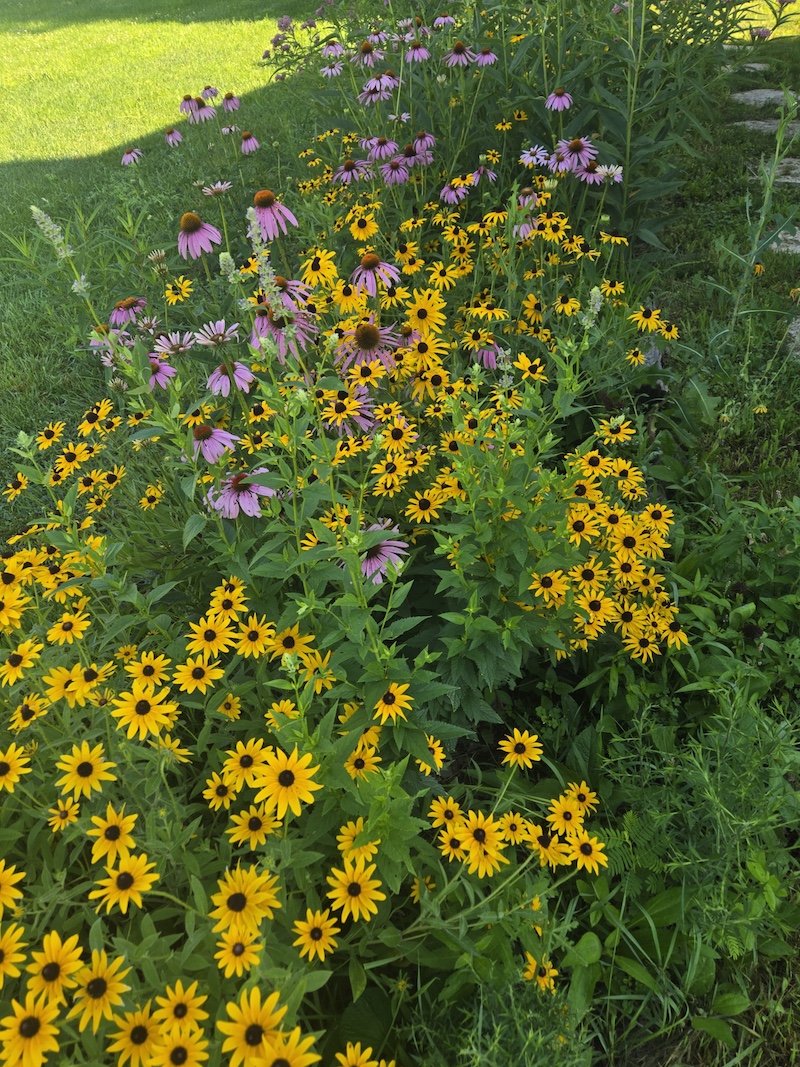
Gregory greets me with a big smile and wastes no time delving into the history of the farm and his interest in creating pollinator habitat. He tells me he started this as an experiment—just throwing out some seeds in a small area of the front yard to see what would come up—and it, quiete literally, grew from there. The rest of the farm was home to cattle, soybeans and a horse pasture. When the CRP program was developed, he jumped at the opportunity to expand his “experiment.” Now with about 25 acres of restored prairie as an extension of his yard and years of experience working the land, Gregory uses his property as a demonstration site for schools and organizations like Master Naturalists. He loves sharing with folks the beauty and diversity of potential restorations.
Knowing Gregory’s passion to help folks wanting to create such habitat on their property and having recently become a homeowner, I had some questions about the technical side of things. Imagining a native garden is the easy part but there are details to executing the plan that often go unthought of until it is time to act. He was the perfect person to ask.
My first question feels like the answer should be obvious, but I have to ask. “What advice would you give someone who just has a plain yard but wants a wildflower patch? How does one go from solid grass to this?”
He told me, “You have to make sure the grass is killed. It’s been there for years and you should take the first year to really make sure the grass has been killed. Plant it the second year otherwise you’ll see the grass and weeds come right back up.”
“What are the biggest challenges you’ve dealt with over the years?” I asked.
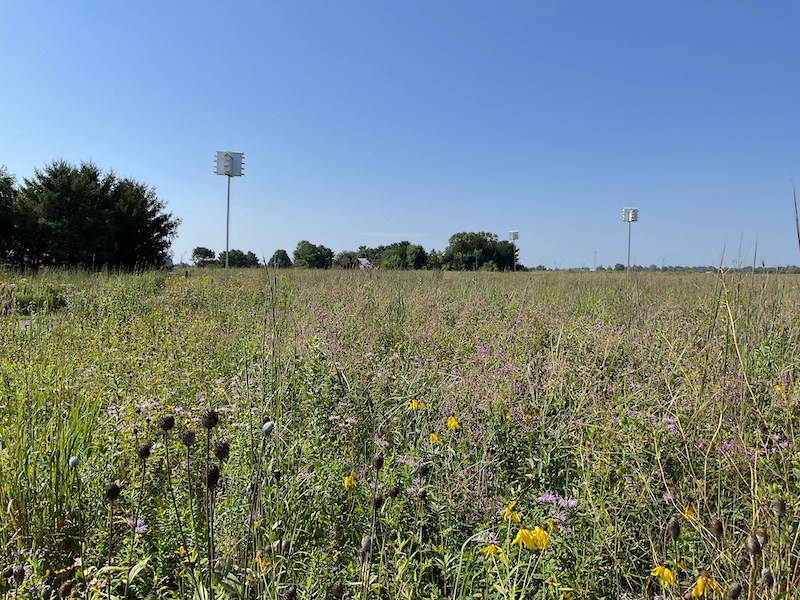
“It’s that darn teasel,” he told me. An invasive species, teasel (Dipsacus fullonum) is prevalent in roadside ditches, disturbed soils and sunny open areas. It is a biennial, meaning it doesn’t flower until the second year, so it can easily hide amongst taller vegetation. Each seed head produces an average of 500 seeds, but it can be significantly more. Because his land is located directly adjacent to a major county highway, the source of the spread is likely from mowing along the highways. In smaller scale urban neighborhoods, teasel is less likely to be an issue. In the battle against invasive species it is important to know what was planted and pay attention throughout the year to properly identify what shows up.
My last big question was, “What would you do differently if you could go back and tell your younger self what you’ve learned?”
His response surprised me.
“I wouldn’t worry as much about hurting the flowers and I would be much more aggressive in attacking the invasives,” he said. “The native flowers might look fragile but they’re more resilient than we give them credit for.”
After I left, I pondered our conversation and the landscapes passing by. What if lots of people did this on a much smaller scale? Turf grass is estimated to make up roughly 40 million acres of land, an area larger than the entire state of Georgia! Is it possible more people would do this if they knew more about it?
We can thank European aristocrats from the 1700s for inspiring the lawns we know today. In their time, owning land that didn’t need to be farmed or grazed for profit was a means of showing off. It was taken a step further by employing staff to keep that fallow land tamed. It was the ye olde version of a showy sports car. The displays grew from there, but America’s founding fathers brought the concept of open land surrounding estates to this side of the world. Naturally, everybody wanted that for their residence and the rest is history. Could they have imagined the impacts of such a trivial matter on a grander scale?
Maintaining a lawn is a very resource consumptive endeavor. We pour massive amounts of time, money, water, fuel and chemicals into a picture-perfect landscape. The lawn business is a $62 billion industry, with growth expected to hit nearly $80 billion within the next five years. Scientists estimate roughly 30 percent of an average household’s water consumption goes to outdoor uses, and nationwide, roughly one-third of water use goes towards lawn irrigation. Across the country, nearly 80 million pounds of pesticides are used on lawns. That’s not taking herbicides into account. More water and chemicals are used for lawns than agriculture. This is mind blowing considering lawns make up an estimated 1.8 percent of the country’s land use compared to agriculture claiming more than 50 percent. Let that sink in.
Pouring resources into a typical lawn not only is a disservice to ourselves, it does nothing to benefit wildlife.
Most lawns are a monoculture, meaning there is only one species of grass across the whole area. A healthy ecosystem is built on the foundation of the vegetation, and diversifying the native flora is key. A diversity of flowers and grasses offers a variety of food, structure and safety for wildlife.
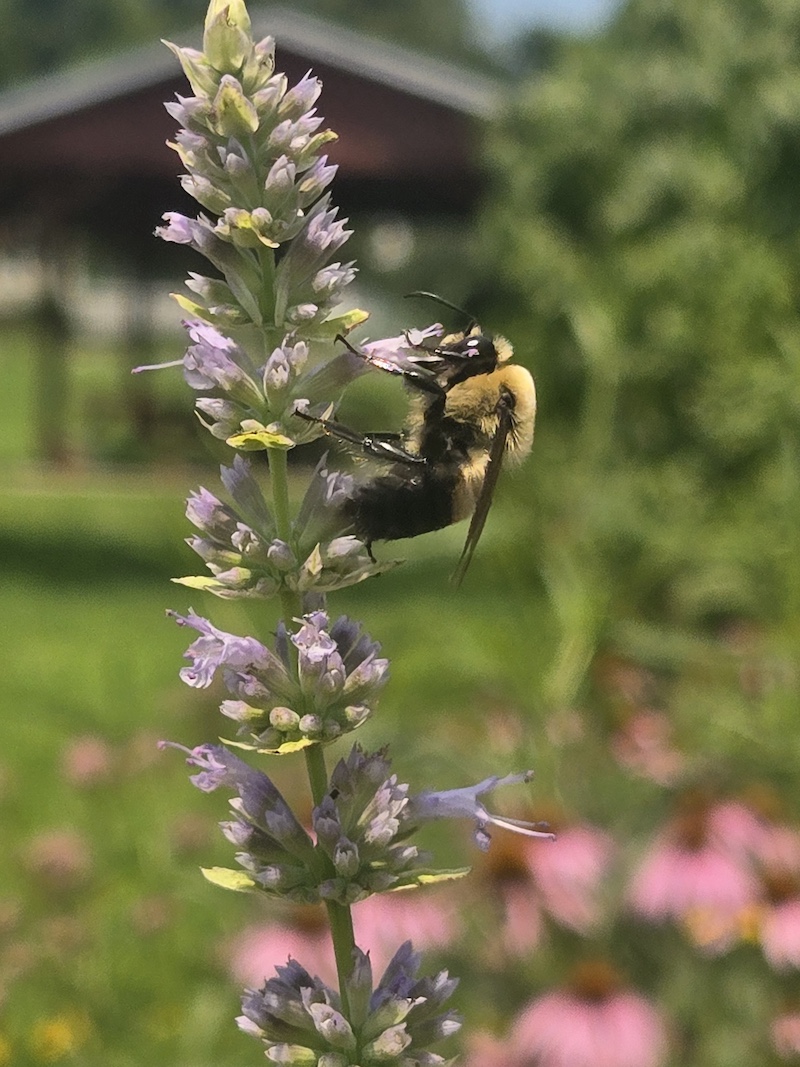
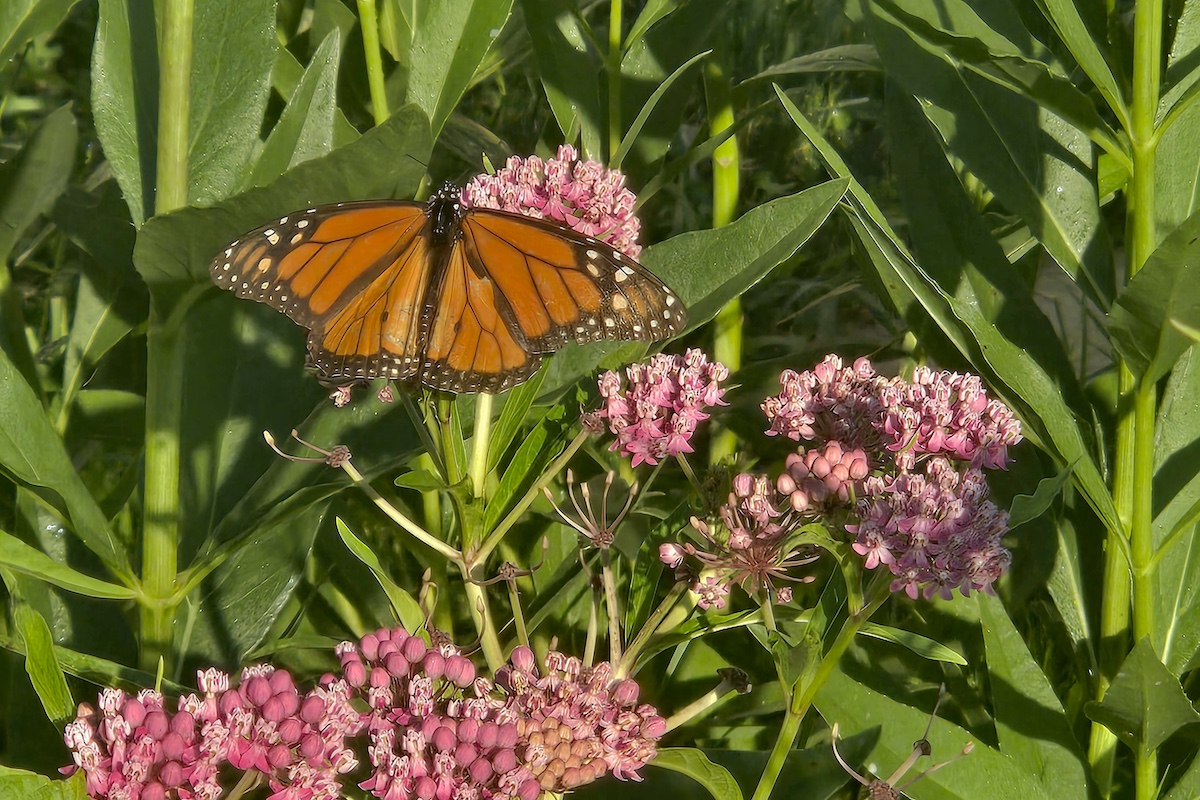
Gregory experiences the joy of seeing wildlife thrive on his property as it supports deer, pheasants, a variety of nesting and migrating songbirds, as well as hundreds of monarchs.
“Part of my motivation to do this was bird hunting,” he explained. “I love it and wanted a place to train dogs. But when pheasants showed up and started nesting, let me tell you I was over the moon!”
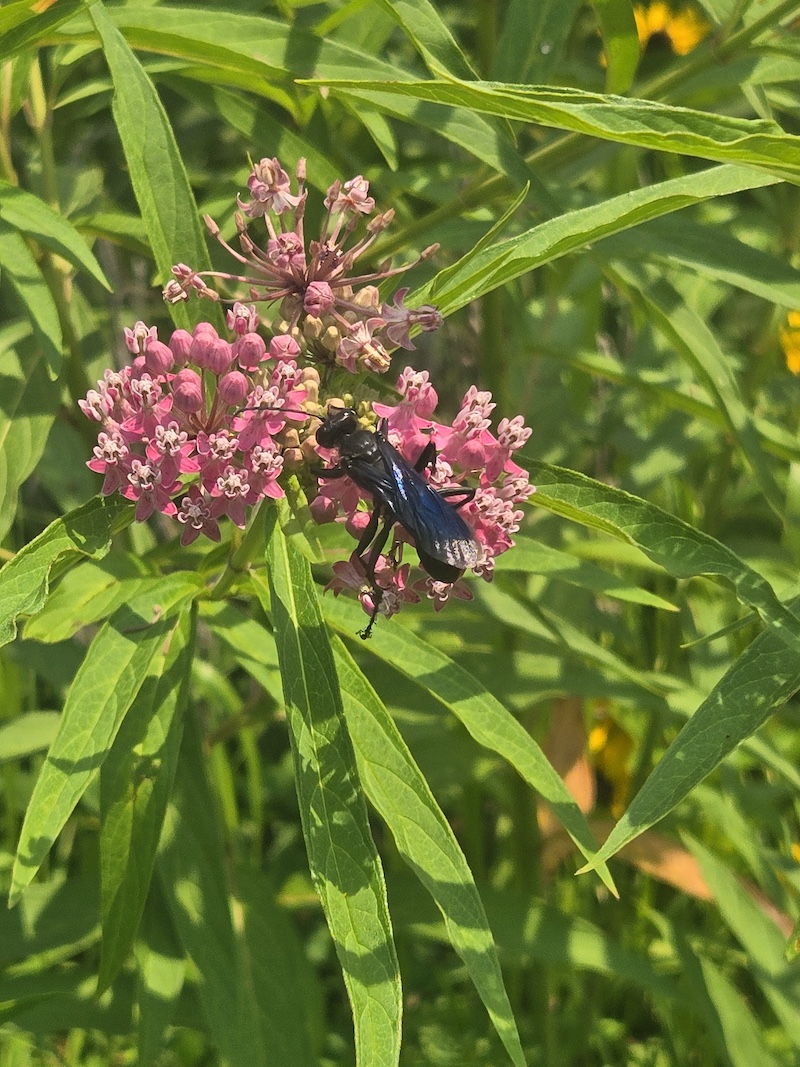
Smaller residential gardens are not likely to see pheasants move in, but an array of smaller wildlife will reap loads of benefits. Flowers attract pollinators of all sorts, many of which are predators of agricultural pests. Many folks utilize companion plants in vegetable gardens for this very purpose. For instance, the great black digger wasp (pictured right) has a docile temperament and hunts prey, including grasshoppers. Dragonflies are also a common sight around native flowers as they hunt flies, bees and other insects with a success rate that makes them one of the top predators in the world. Birds will also frequent native flowers to forage insects, worms, grubs and seeds. Studies have found that listening to birdsong for even a few minutes has a profound impact on mental health, reducing depression, anxiety and paranoia; furthermore, researchers found an increase in biodiversity to be linked with even stronger feelings of mental restoration.
Converting even a small portion of a yard can add up to massive water savings, a topic becoming increasingly relevant as climate change and competing demands increase strain on a limited supply. Even the cost of water has felt the effects of inflation. When we think about the financial aspect, expenses are increasing across the board. Might creating a pollinator garden be more cost effective than maintaining the status quo with lawns?
There is an initial expense to establish a pollinator plot, but the exact cost is dependent on multiple personal decisions. Variables like size, site preparation methods, seeds vs plugs, soil amendments, species selection and doing the work yourself or hiring a professional will all play into the total cost and time required. Doing as much of the labor as possible, reusing or repurposing materials, and splitting costs with neighbors or friends are a few ways to reduce costs. Seeds can be thrown at random, or a landscaper can be hired to design an intricate layout. The cost can range anywhere from roughly $100 to a couple thousand dollars. Upfront costs can be off-putting, but it still may be less than most people spend over a year to care for a basic lawn. If outsourcing lawn care, homeowners can expect to pay an average of $40-50 per visit for mowing the average size lawn (1/3 acre). While not unreasonable, it can add up very quickly, especially if adding additional services.
From money spent, time given and water used, the scenery we choose to adorn our abodes all come with costs. We can stick with the familiar or we can question and do things slightly more unconventionally. Our individual choices create ripple effects that coalesce into a tidal wave with potential to harm or heal the world around us.
“It’s the effort that you put into it that comes back to you,” Gregory said. “You have to find some happiness in the work to make it fun.”
If the effort to maintain the monoculture lawn brings you no happiness or fun, it may be time to consider a more rewarding option.
Mallory Shaw is a land conservation specialist with National Great Rivers Research and Education Center, currently residing in Woodford County with her 12-year-old son. She loves traveling, hiking as much as possible, bird watching and has a special affinity for wetlands.





Submit a question for the author