
An uncommon migrant and summer resident throughout Illinois, the upland sandpiper is an endangered species in the state due to the continued loss and fragmentation of grassland habitat.


An uncommon migrant and summer resident throughout Illinois, the upland sandpiper is an endangered species in the state due to the continued loss and fragmentation of grassland habitat.
Photos by the author.
He was still one hundred yards away. Not sure how I could get any closer without him seeing me. I was in the tall grasses and hoped that I could get another 50 yards (at least) to get a decent photo.
Twenty-five yards farther and I could go no more. Still too far for a photo but close enough to observe an American badger. Sitting atop his borrow, no doubt dug overnight, it was truly a wonderful sight. I refer to it as him because the borrow was not as concealed as what a female badger would have had as a den with young. This male probably stayed one more night in this borrow and then moved on, a typical trait of Illinois male badgers. The area is rich in thirteen-lined ground squirrels, a vital food source for badgers.

Scattered across the state are little pockets of prairie. The Great Tallgrass Prairie once covered 22 million acres in Illinois, or more than 60 percent of the state. Nearly all that is now gone, with just 2,000 acres of native, remnant prairie left. That represents less than one percent of the original prairie habitat that was once present across the Illinois landscape. Although mostly removed from the landscape through agricultural and urban development, many organizations have worked to restore prairie habitats in Illinois.
Illinois has several tallgrass areas for us to explore. Many are state managed, others are cared for by landowners who are concerned about Illinois wildlife. Visit the Illinois Department of Natural Resources’ Illinois Prairies website for a deeper description of this habitat and a listing of some areas you can visit.
According to the Grand Prairie Friends, 60 mammal species, 300 bird species, 1,000 insect species and a rich array of grasses and forbs comprised the historic grasslands of the state.

Today, one of the largest grasslands in Illinois can be found at Midewin National Tallgrass Prairie, located 40 miles southwest of Chicago. Management plans for this unit of the U.S. Forest Service call for at least 10,260 acres of the 19,000+ acre site to be established as grassland habitat. Researchers have documented 234 bird species on the site, with at least 113 species known or suspected to breed in the grasslands.
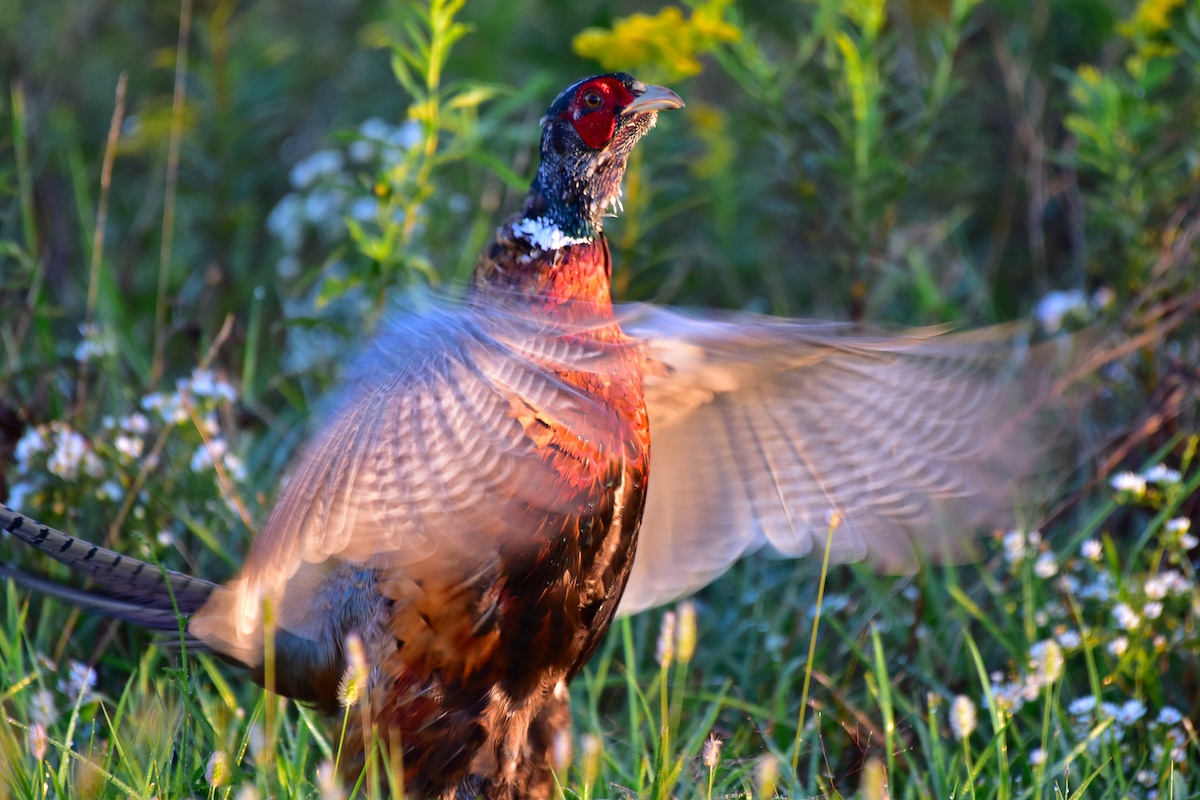
Beneath the vegetative cover are ground nesting birds, including northern bobwhite and ring-necked pheasants. These species are in decline and their struggles provide support for increasing grassland habitats in Illinois. (see Status Reports at Hunt Illinois). Owls, especially the short-eared owl, are present in many of these areas during migration. Great horned owls hunt over the expansive open areas for small mammals, birds and snakes.
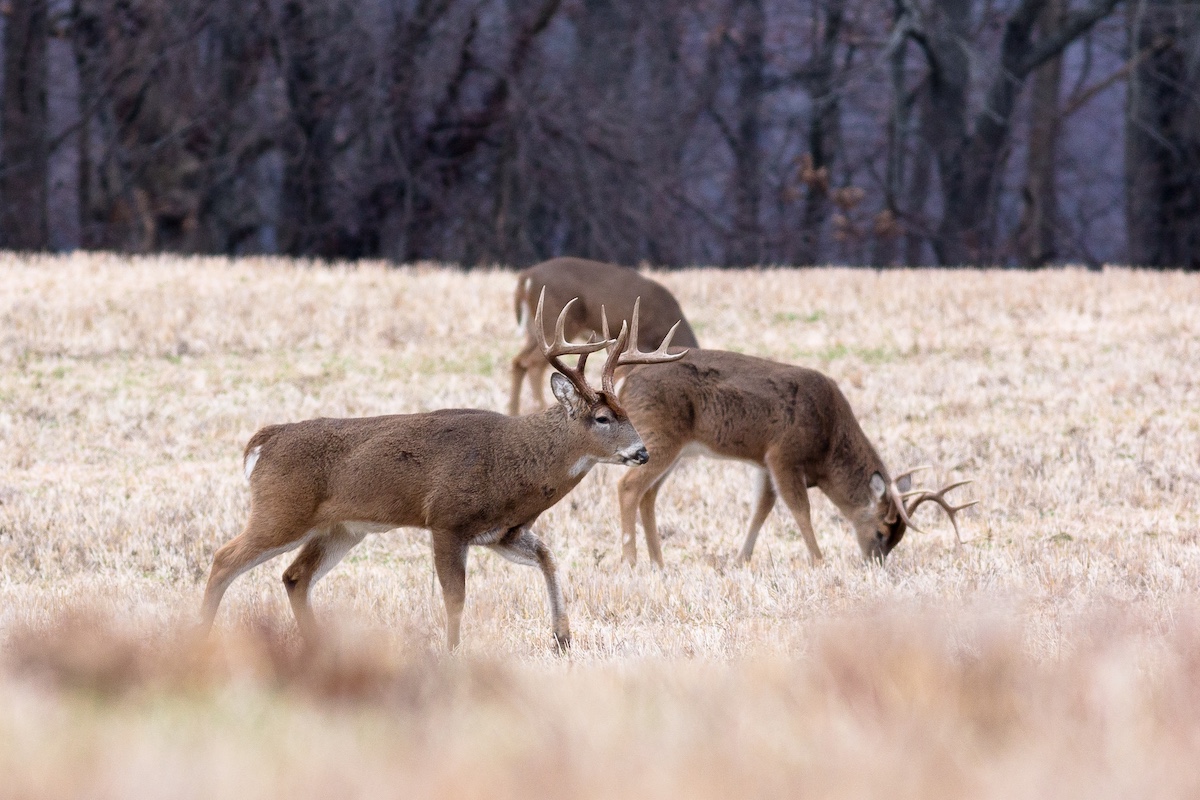
Voles, mice, ground squirrels and cottontail rabbits dart through the grasses, providing a valuable food source for an assortment of birds and mammals, including Illinois’ apex carnivore, the coyote. White-tailed deer use the tall grasses to hide their fawns, which at times may be found by the wandering coyote.

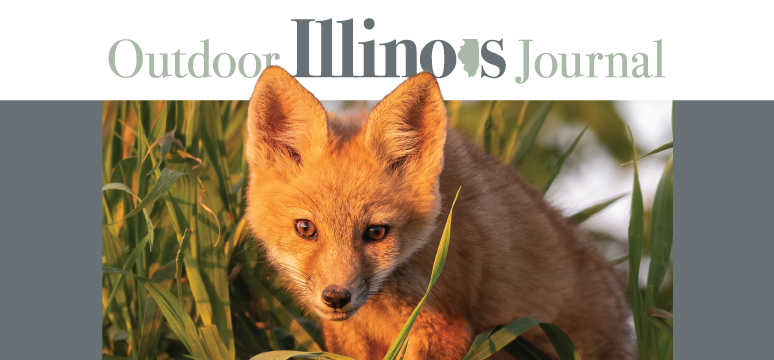
Foxes use the prairie but on a smaller scale, avoiding the coyotes that will prey upon them.
Declining populations of pollinators, insects vital in the production of scores of native plants, agricultural foods and a fundamental food source for many wildlife species, are responsible in large part for a new trend in residential landscaping. Whether called native plantings or pollinator pockets or butterfly gardens or prairie restorations or simply wildlife enhancements, individual landowners are contributing to bolstering wildlife-friendly habitats throughout Illinois. Tips on developing habitat can be found on the Illinois Department of Natural Resources’ CICADA (Conservation Inclusive Construction and Development Archive) website.
Grasslands, harboring big bluestem that stood more than 10 feet tall, once covered expanses of the Prairie State. Today, few remnants of native grasslands remain, with many organizations working diligently to restore or recreate this iconic, wildlife-rich habitat. Our land will never be what it once was, but a little slice is better than nothing.
Kevin Wright is an award winning outdoor writer and wildlife photographer whose work has been published in a number of publications and websites throughout the country. He lives and works out of central Illinois.



Submit a question for the author