
Photo by Dele Oluwayomi, Unsplash.


Photo by Dele Oluwayomi, Unsplash.
During the COVID-19 pandemic, conservationists and wildlife managers discovered that humans were not the only species affected by this virus. Across the country, detections occurred in animals, such as lions, tigers, gorillas and hyenas. This prompted questions for zoo managers, veterinary staff, as well as wildlife officials: how are these animals being exposed to the virus and do wildlife play a significant role in these transmission routes?

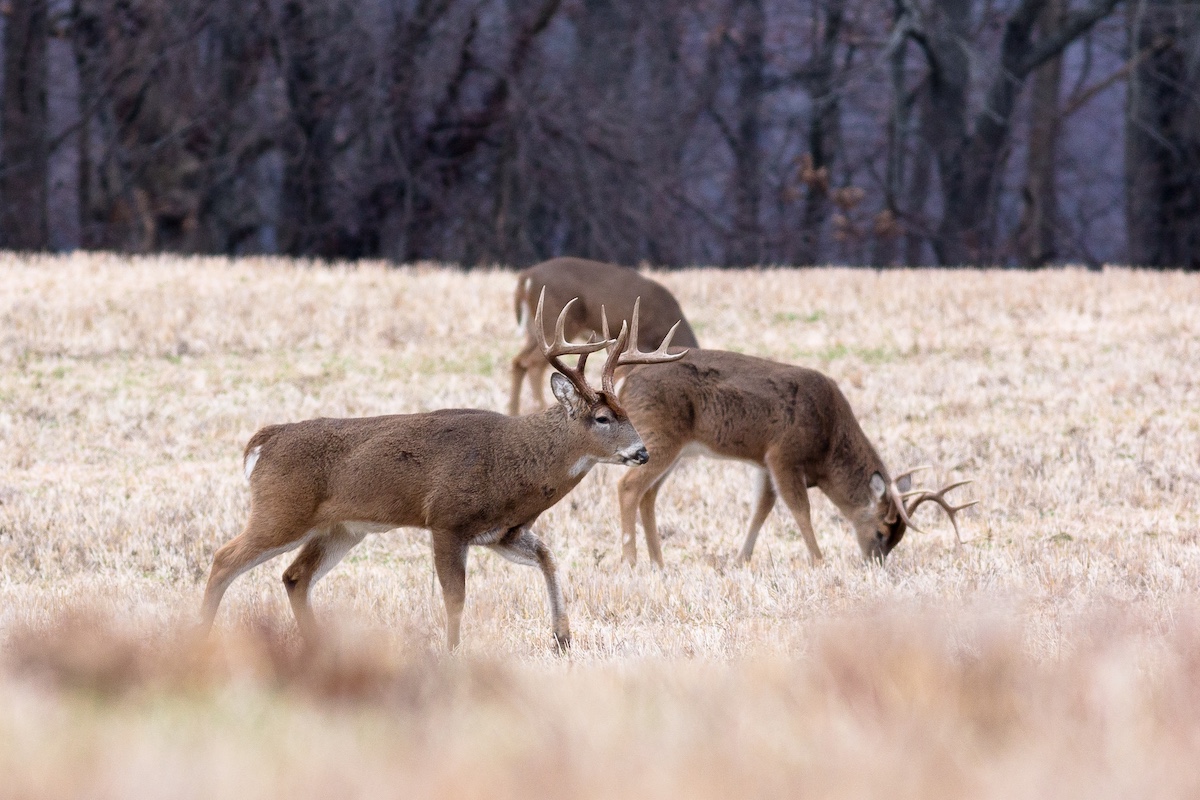
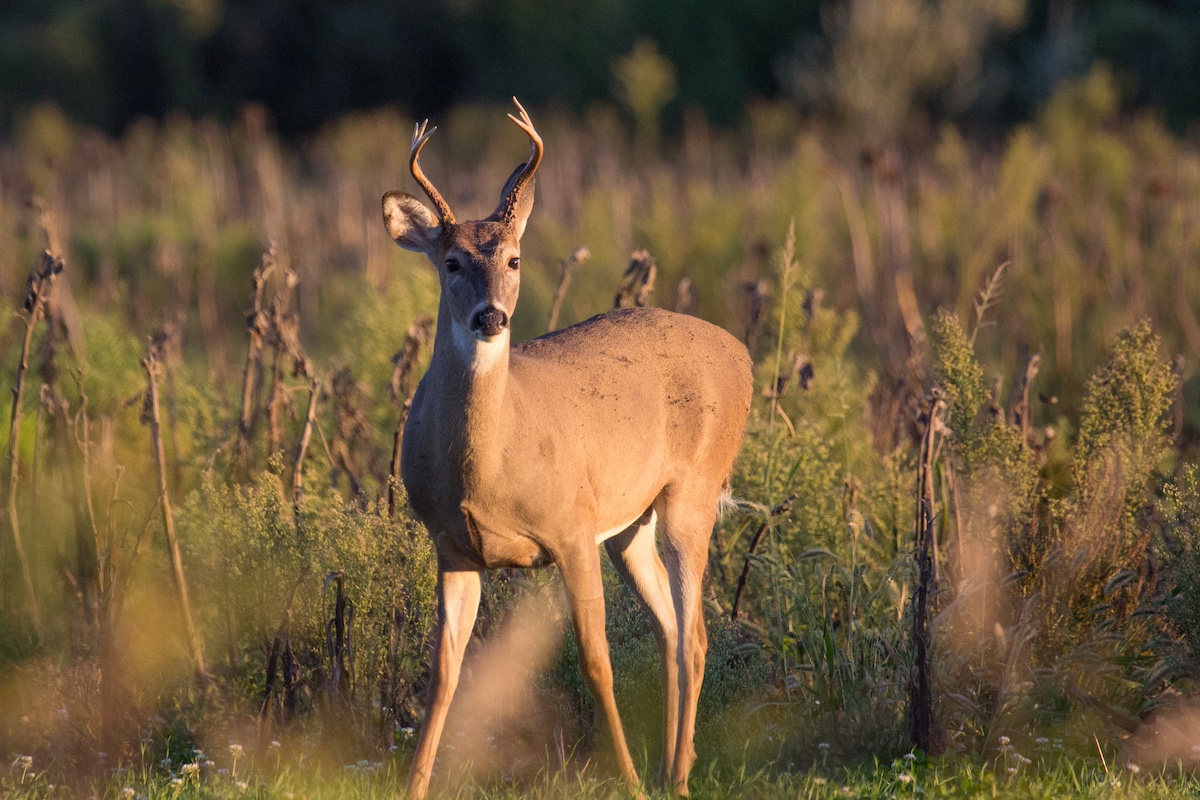
Biosecurity, or the means and procedures to protect humans or animals against disease and other harmful biological agents, is at the forefront of animal care, especially for a zoo. Much like farmers have dedicated clothing and boots to wear as they enter livestock barns, zoos take similar precautions when caring for their animals. In 2021, the United States Department of Agriculture’s (USDA) Animal and Plant Health Inspection Service (APHIS) began a research project to analyze the biosecurity of many zoos across the country, following the detection of SARS-CoV-2 in exhibit animals and given the knowledge that wild white-tailed deer were documented asymptomatic carriers of the disease. Three programs within APHIS led the effort. USDA-APHIS-Animal Care looked into the health of the most at-risk exhibit animals, USDA-APHIS-Veterinary Services looked at overall biosecurity, and USDA-APHIS-Wildlife Services surveyed the local wildlife populations and collected samples from animals that co-exist on a frequent basis with humans. While this was a nationwide effort, multiple zoos in Illinois participated in this research to learn more about their biosecurity efforts and what potential threat wildlife played in the health of their exhibit animals.
APHIS staff visited these zoos to get an understanding of what wildlife were present. This helped APHIS gain an understanding of which habitats to focus sampling/surveillance efforts on, as well as where wildlife habitually entered and exited the zoo.

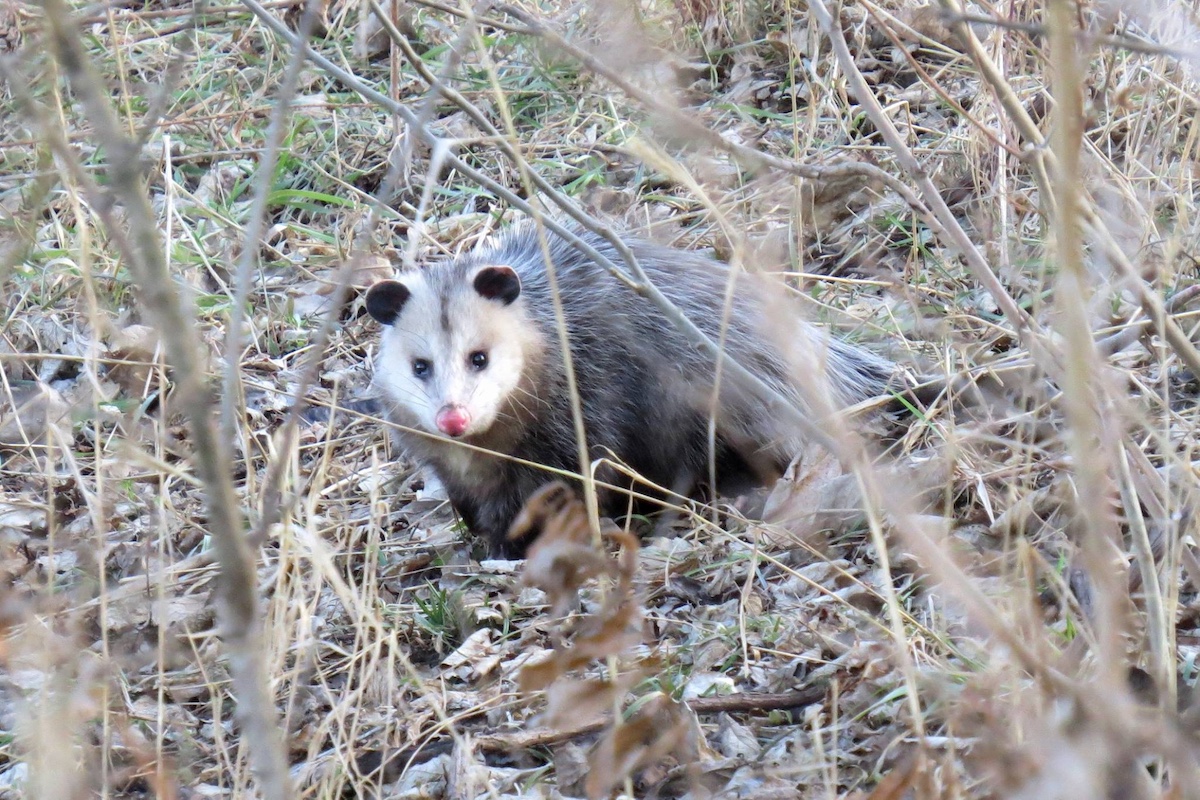
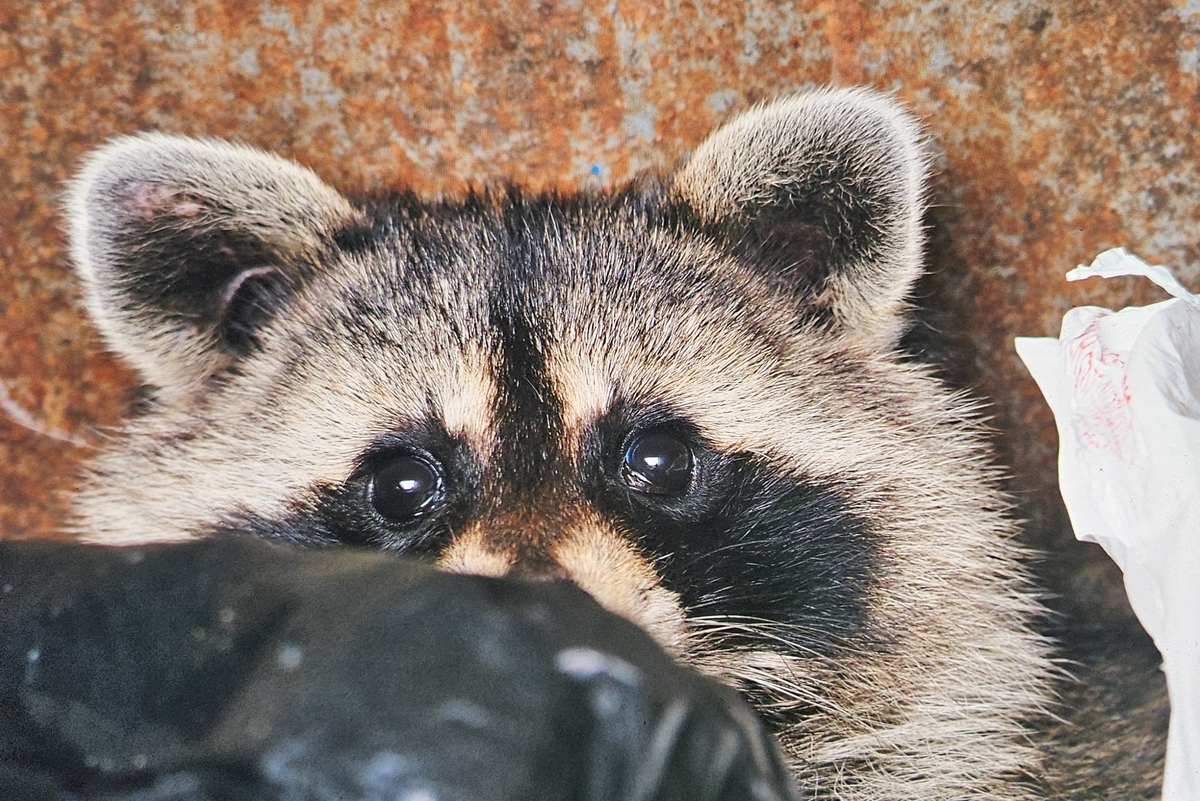
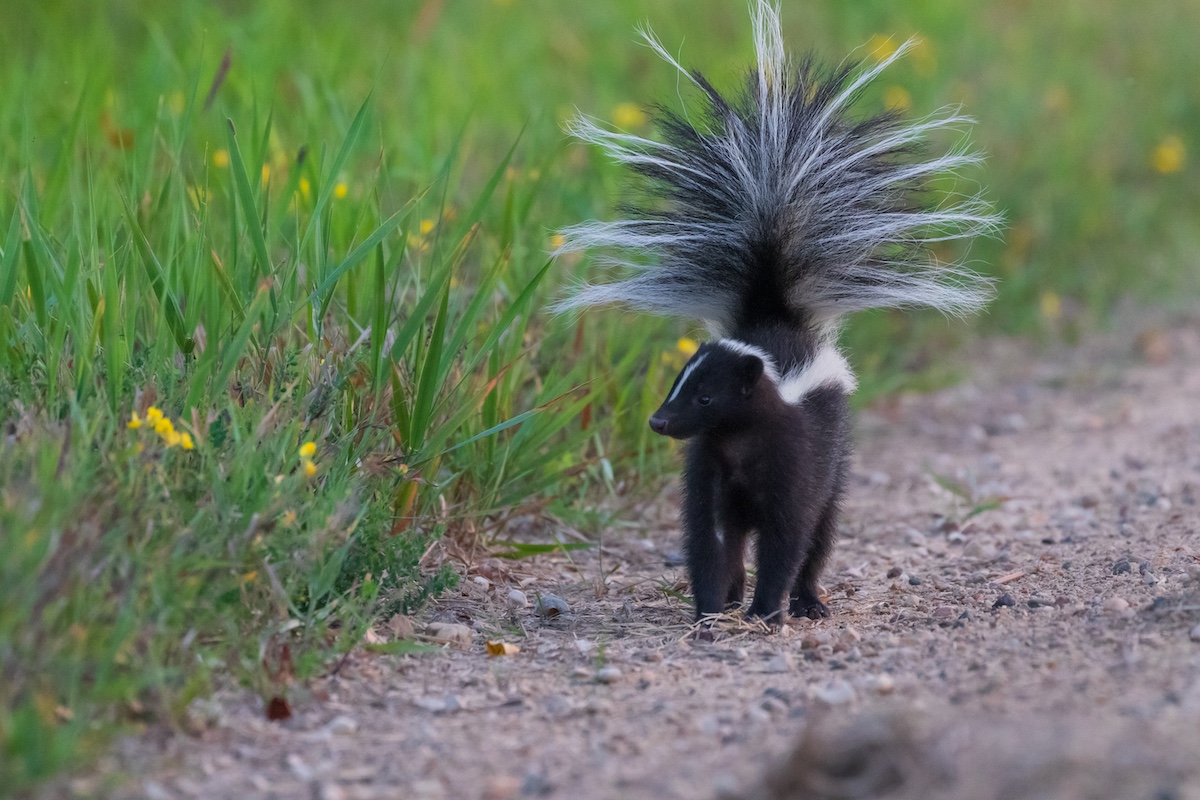
Wildlife Services conducted a review to summarize natural and experimental SARS-CoV-2 infections in free-ranging small- to medium-sized terrestrial mammals found in the United States to determine priority target species for the wildlife surveillance component of this research. Wildlife Services categorized species into four groups based on their findings: 1) confirmed natural infection, 2) confirmed experimental in vitro/vivo infection (conducted by the National Wildlife Research Center in Ft. Collins, CO.), 3) experimentally exposed but not infected (i.e., possibly resistant), and 4) no information available. Wildlife Services concluded that efforts should target mustelids, foxes, skunks, rats, and mice as well as any species with no information currently available, which, at the time, included opossums, groundhogs and chipmunks. Combined with this research and an understanding of how SARS-CoV-2 interacts with cells within the body, USDA created a list of wildlife species most susceptible to the virus and that would pose the most probable risk of transmission to zoo animals.
Sample collection methods consisted of the use of several nonlethal methods including cage traps, mouse traps, Sherman live catch traps, as well as conibears and foothold traps. Much like a test you or I would receive for COVID-19, all trapped wildlife received a nasal and oral swab to test for active infection. Along with active infection, Wildlife Services wanted to look at signs of prior infection in wildlife. To accomplish this goal, Wildlife Services collected blood samples to test for the presence of SARS-CoV-2 antibodies.
Across all the zoos and aquariums that took part in this disease surveillance project in Illinois, Wildlife Services found no detections of either active infection or antibodies, indicating a prior exposure. Despite the early hypothesis of wildlife playing a role in the spread of SARS-CoV-2 infection to exhibit animals, this field work demonstrated that this might not be the case.

Like lots of research, more questions were generated at the end of this study; however, our findings still provided a valuable insight, and many lessons were learned. Zoos were able to rework their biosecurity plans, instituting mitigation measures within their scope of control.
Additionally, facilities were able to obtain a better understanding of which wildlife species were on their properties and how they may be interacting with zoo animals. This provided an awareness of how each zoo could better protect exhibits and exhibit animals from introduction of other diseases, such as leptospirosis, tularemia and avian influenza. Zoo staff were also able to partner closely with wildlife biologists to learn methods to reduce wildlife threats and reduce damage to property.
Mitch Oswald is a Wildlife Disease Biologist for the United States Department of Agriculture’s branch of Wildlife Services. Oswald is a 2014 graduate of Blackburn College in Environmental Biology. He currently works in the State Office in Springfield and has overseen disease surveillance projects for the agency since 2019. He is an avid outdoorsman and enjoys hunting, fishing and anything that gets him outdoors. He currently resides in Carlinville.



Submit a question for the author
Question: Good job on the article. Put as many things in print as you have time for. I know it takes time, but it can pay rewards in the long run.