


Whether you are a beginner or a seasoned hunter the word “prepare” could not be more meaningful than in the sport of waterfowl hunting. If you do your research, learn from those who are experienced and legal, waterfowl hunting can and will provide you a lifetime of memories and hunting enjoyment. Below, I will address the main topics that you need to research.
Keeping Legal and Safe
If you were born after January 1, 1980 you must attend an Illinois Hunter Safety Course to obtain the course certificate required to obtain a hunting license. Learn more about the courses offered by the Illinois Department of Natural Resources at www.dnr.illinois.gov/safety/Pages/HunterSafety.aspx. I also recommend every hunter download or obtain a copy of the newest Illinois Hunting and Trapping Digest and the Illinois Department of Natural Resources- Hunt Illinois to keep your legal knowledge up to date as laws can and do sometimes change.

Learn from Experienced Waterfowlers
I suggest connecting with family or friends who are seasoned waterfowlers. They have been where you are and will be anxious to help you get started. The information you gain from them can be invaluable and literally save you multiple seasons of frustrating trial by error. This translates to greater success and more enjoyment of your new sport.
Waterfowl Gear
We all know individuals who have a garage full of clothing and gear but I guarantee they didn’t start out that way. Speak with your hunting mentors, and the sales representative at a good sporting goods store. They will be able to assist you in making the right choice of clothing and gear for your specific needs and budget.
Shotgun

A 12-gauge semi-automatic shotgun is the most popular, however, a pump action will suffice. A 10-gauge may be preferred for goose hunting and a 20-gauge is sometimes used for the smaller ducks, such as teal. Whichever gun you choose, make sure that it is the right gun for you and that you are proficient with it. Go to the range and practice, join a gun club or shoot clay pigeons. Do whatever you have to to hone and prepare your shooting skills.
Ammunition
Non-toxic shot is required to hunt waterfowl and there is a plethora of choices. Be sure to check the regulations as to what is allowed in Illinois along with the Lethality Shot Guide available in the Illinois Hunting and Trapping Digest.
Waterfowl Identification
Spend time learning the markings, characteristics, and flights of different waterfowl as, when combined with weather different conditions, identification can become difficult. Many identification publications are available at bookstores and on-line to help get you started.

Preparing for the Hunt
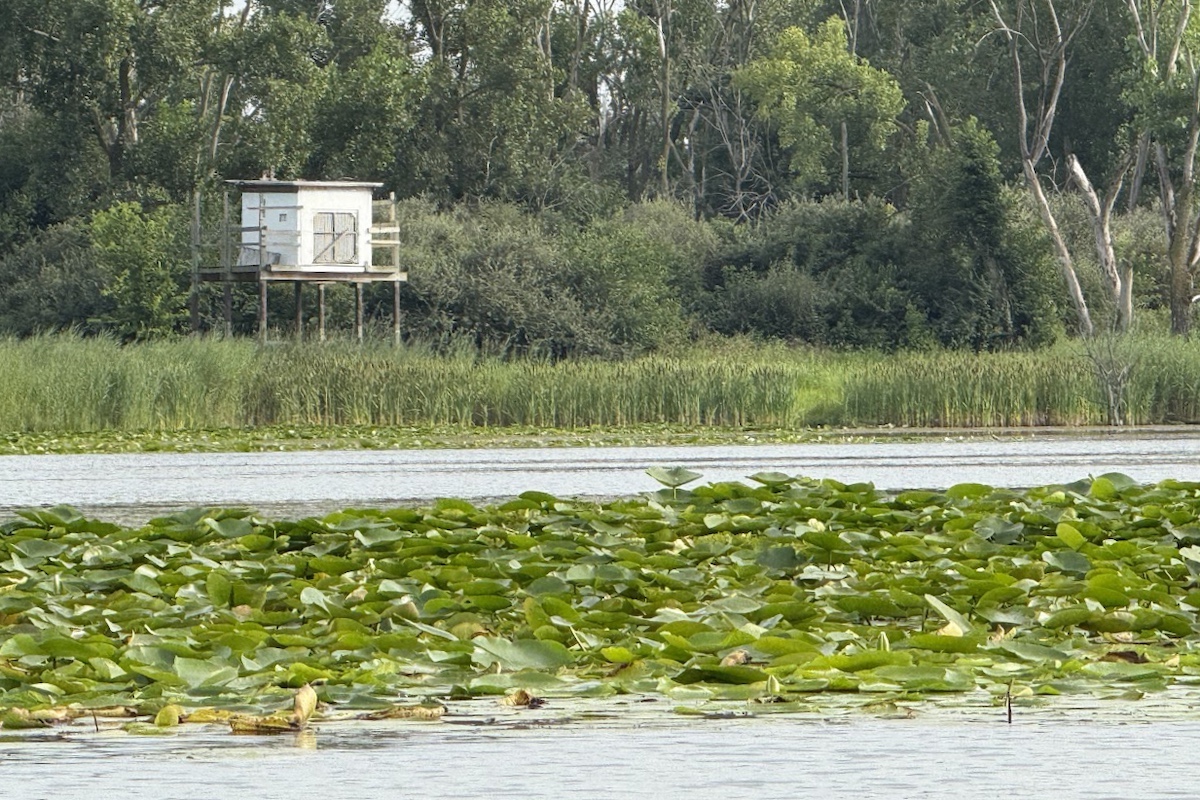
Preparation should not start the day before the hunt. Plenty of work, consideration and planning goes into a season of waterfowl hunting. Make a checklist to help and include the following: verify all gear is clean, functional, packed and accessible, including your boat, PFDs, waders, decoys, gun and ammunition. Pack all necessary credentials, such as your FOID card, hunting license and waterfowl stamps. If you need permission to hunt the property confirm that early, not the morning of your hunt. If necessary, build a waterfowl blind. Don’t forget to pack a copy of the current Illinois Hunting and Trapping Digest and any necessary identification books. And, as with all outdoor adventures, let someone know where you will be and when you expect to return.
There is nothing like sitting in a waterfowl blind on a crisp morning. Water glistening, dog anxious, smell of a cup of coffee, sounds of nature. Looking up you see a flight of greenheads, wings cupped, dropping rapidly, and hear those famous words: “Take ‘em!”
Don’t forget to prepare! Enjoy your waterfowl season and, as always, be safe!
Retired Lieutenant Eric Bumgarner spent 24 years with the Illinois Conservation Police. Eric is an avid outdoorsman and has a passion for protecting the natural resources.
Share this Article

Subscribe to our Newsletter
Explore Our Family of Websites






Submit a question for the author