
Area cleared of shrubs and trees in Grant Creek Watershed restoration site, June 6, 2026. Photo by Michael Kamp.

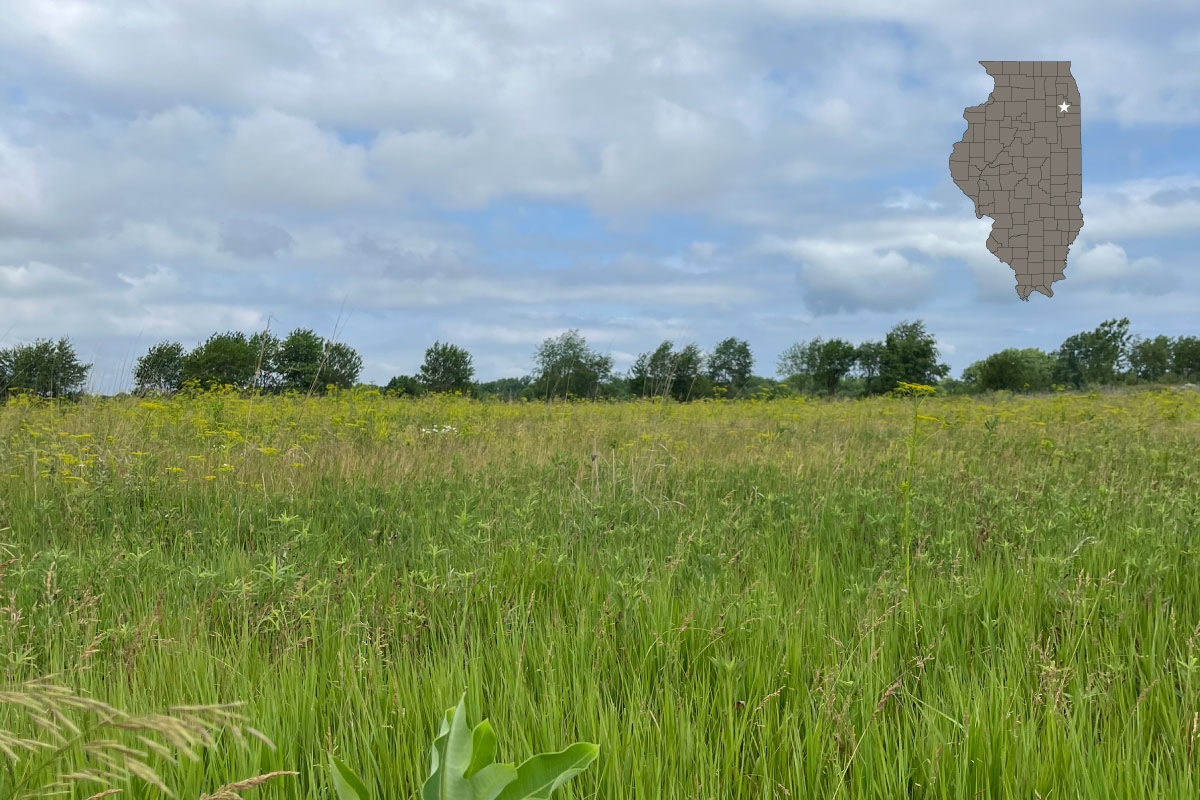
Area cleared of shrubs and trees in Grant Creek Watershed restoration site, June 6, 2026. Photo by Michael Kamp.
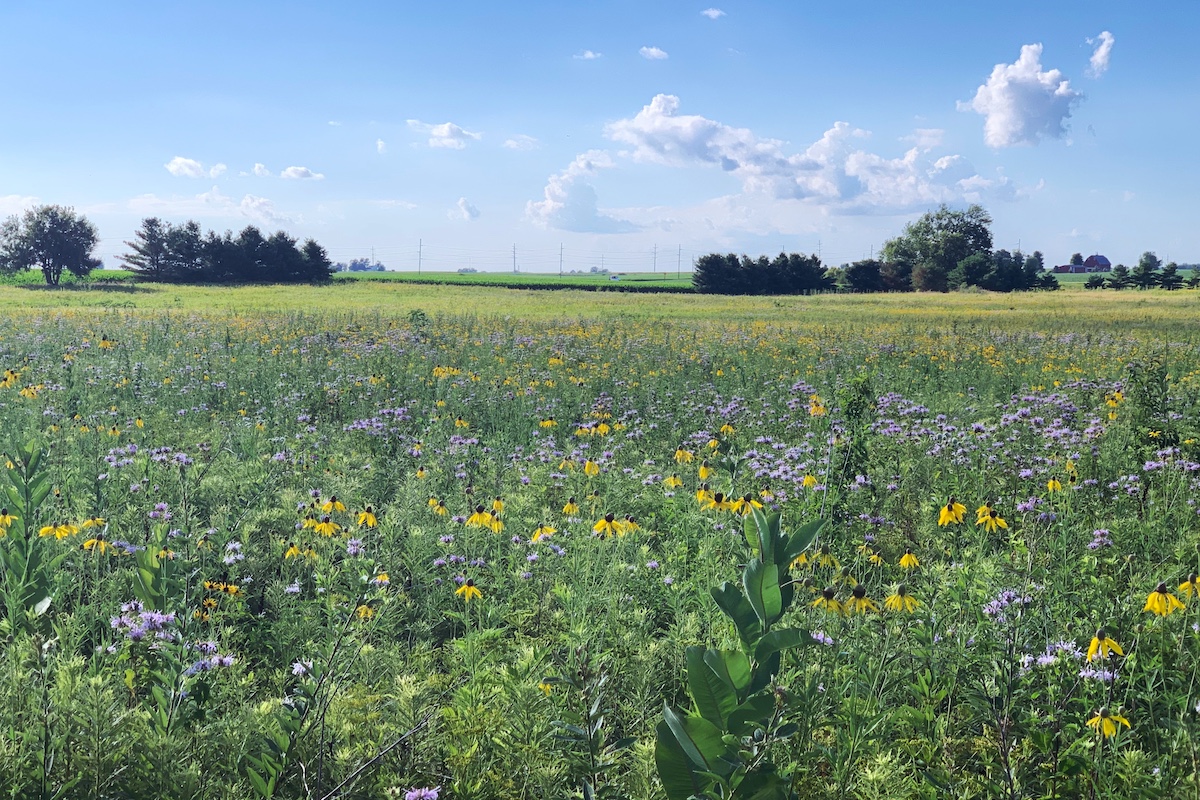
About 60 miles southwest of downtown Chicago stands Midewin (mi-DAY-win) National Tallgrass Prairie, the largest protected area in the Chicago region. The unique landscape used to be the Joliet Arsenal, an ammunition plant that opened in 1940 during World War II. In 1996 the land was designated as the nation’s first national tallgrass prairie under President Bill Clinton. Even today, above ground bunkers dot the landscape in sections of Midewin, reminding visitors of the land’s past.
The name “Midewin” comes from a Native American term for medicine society, reflecting the area’s history as well as a commitment to heal the land. Managed by the U.S. Forest Service, Midewin covers roughly 20,000 acres (about 31 square miles), giving visitors a sense of the prairie that used to stretch for 22 million acres across Illinois. Now, less than 1/10th of 1 percent of the original tallgrass prairie remains, making Midewin a vital restoration project.
Moving west as rainfall gradually decreases, the prairie transitions to mixed-grass prairie then shortgrass prairie closer to the rain shadow of the Rocky Mountains.
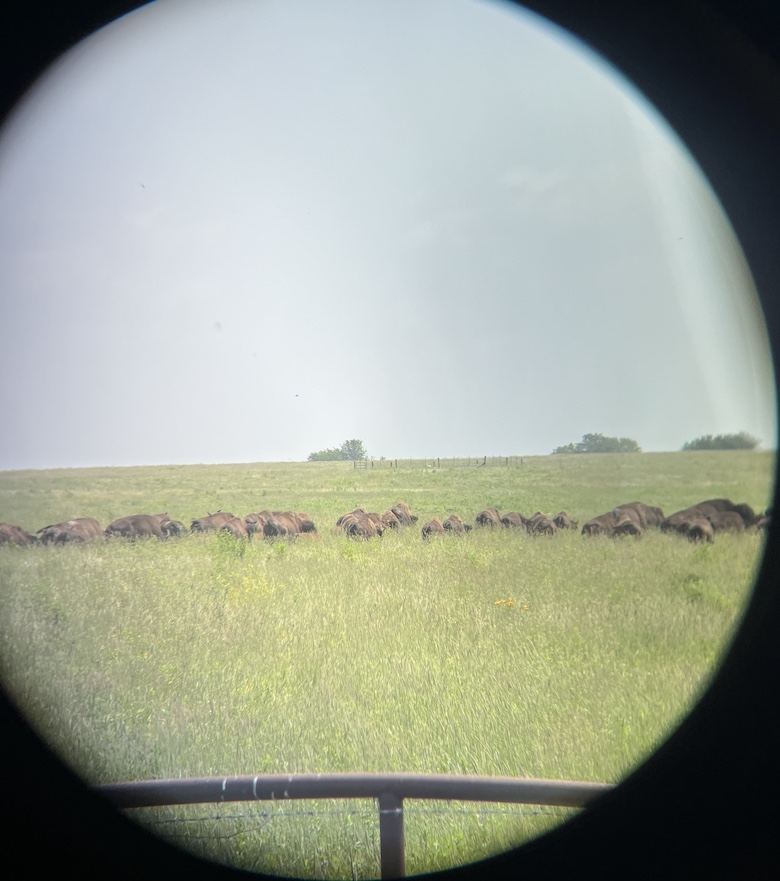
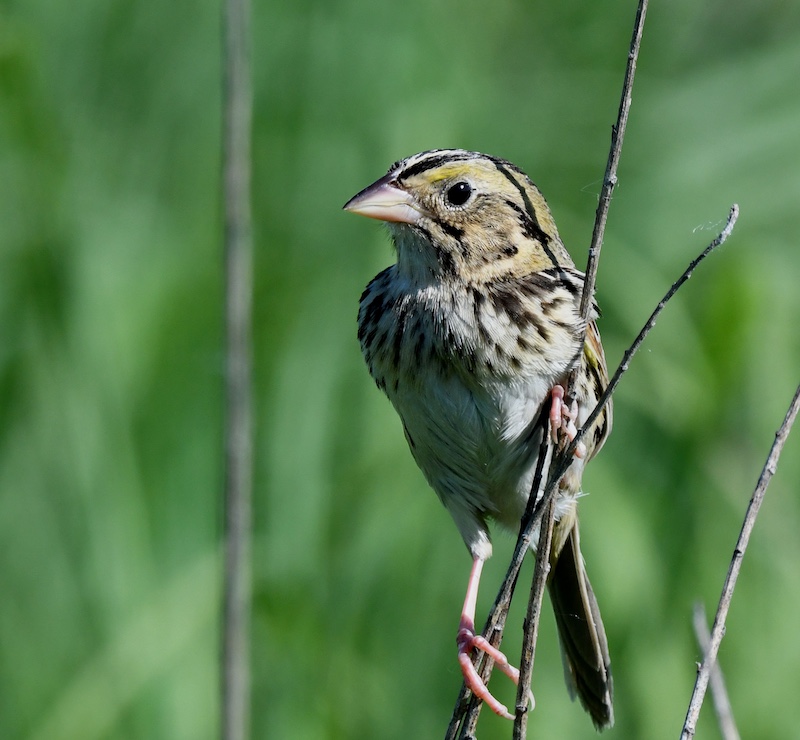
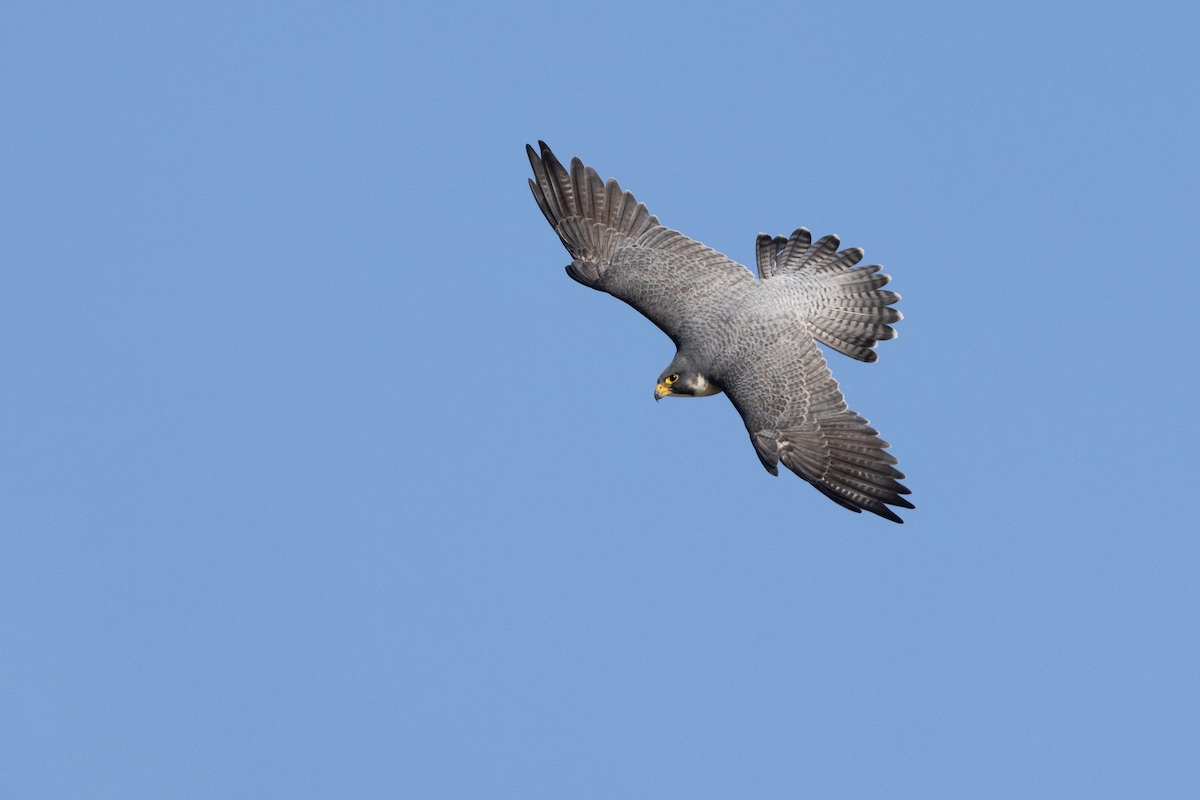
Today, Midewin provides valuable grassland habitat for a plethora of species. Protecting grasslands is critical for grassland birds as they have declined by more than 50 percent in the U.S. and Canada since 1970. Known and suspected breeding species at Midewin include the Henslow’s sparrow, dickcissel, eastern meadowlark and bobolink. Notably, bison were reintroduced to a section of the prairie in 2015.
Besides providing a valuable home for wildlife, Midewin offers a respite for people from the hustle and bustle of modern life. In the almost 9,000 acres open to the public, there are 33 miles of trails for hiking, biking and horseback riding. Taken together, it was time to celebrate the accomplishments of the past 30 years.
On June 6, 2026, Midewin hosted an open house in celebration of its 30th anniversary and National Trails Day, a day to celebrate trails and promote trail stewardship on public lands. The U.S. Forest Service, with the help of dedicated volunteers, manages more than 165,000 miles of trails across the United States. Visitors to the celebration walked, biked or drove between interpretive stations across the prairie.
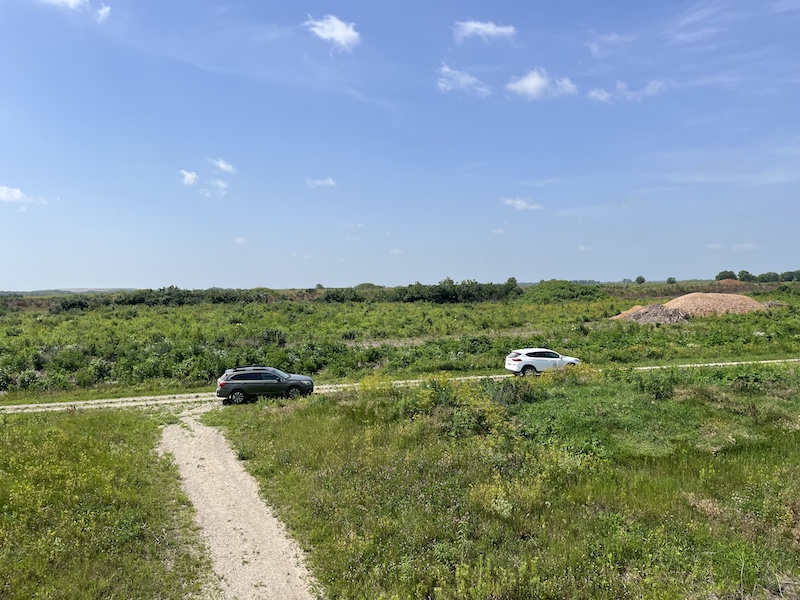
I was fortunate to staff one of the interpretive stations in my role for Openlands along with partners from The Wetlands Initiative and the Forest Service. We set up near the Iron Bridge Trailhead at the largest current restoration project at Midewin—and the largest active restoration project in northeastern Illinois. Funded by a grant from the National Fish and Wildlife Foundation, the first phase of the project involves removing encroaching trees and shrubs, many of them invasive, from 1,300 acres (about 1,000 football fields). Beyond restoring the site to grassland, the eventual goal is to restore the natural flow of water allowing Grant Creek to once again meander through the site rather than run straight in its man-made channel.
For visitors coming to our station we explained the ambitious restoration project and the importance of grasslands. The site also bordered the edge of a bunker field, with the closest bunker open. It served two purposes—being a cool refuge on a warm summer day, and, when climbed upon, a vantage point of the surrounding landscape to show the true scale of the project. About 100 visitors made it to our station, though not everyone climbed the bunker.
To engage visitors with the local wildlife, our friends at the Forest Service showcased fish caught from creeks in Midewin that morning. Youth gathered around an aquarium to peer at a hornyhead chub, bluntnose minnow and yellow bullhead. Multiple questions centered on the eyecatching nose of the bluntnose minnow and the whiskers of the bullhead.
As a birder myself, I enjoyed highlighting the birds present. Dickcissels sang essentially the whole four hours we were at the station. Common yellowthroats joined the chorus with their “witchity-witchity-witchity” song. Killdeers flew over multiple times accompanied by their piercing “kill-deer kill-deer.” Walking back towards the parking lot while passing a shrubby section, I heard the distinctive, scratchy song of the Bell’s vireo, another species to highlight for visitors.
Standing atop the bunker, I heard a colleague say to take a mental snapshot and then come back 10 years later. Scanning the landscape, piles of woodchips remained from the removed trees and shrubs, more than 50 bunkers stretched out in lines, and in one direction lay agricultural fields. While the space was beautiful and birdsong filled the air, much work remains for the restoration project.
The piles of woodchips will be cleared. Native plant species will return. The goal is to remove the majority of the bunkers, while leaving some for interpretative purposes. The project will take time, but it will be well worth the wait. I look forward to returning 10 years from now to see the transformation, and I hope some of the visitors from the 30th celebration do, too.
In 2026 Michael Kamp accepted a position as the Public Relations Specialist at Openlands. Previously, he worked in outreach and communication for the Illinois Department of Natural Resources, the Wisconsin Department of Natural Resources and the Nelson Institute for Environmental Studies at UW-Madison. A lifelong birder, he enjoys sharing his love of birds and nature with others.




Submit a question for the author