


Taking up any new sport can be intimidating, especially when you hang out with a group of people experienced in that activity, listening to them recount adrenalin-packed tales, trying not to interrupt with too many questions as you muddle your way through their jargon.
Deer hunting is no different. No matter if you start hunting as a pre-teen or take to the tree stand as an adult, are interested in firearm or bow hunting, there are a few basic tips to help ease you into this time-honored annual tradition.
- Take a Class. Hunter Safety Education, Becoming an Outdoors-Woman, and Women in the Outdoors classes offer opportunities to learn, or enhance, hunting skills.
- Know the Rules and Regulations. Spend some time learning what it takes to be legal by reviewing the IDNR Digest of Hunting and Trapping Regulations.
- Understand the Process. Before your hunt, you must buy a hunting license and apply for a deer permit.
- Report your Violations. If you witness a hunting violation, contact the Illinois Conservation Police via the TIPS Hotline.
- Find a Place to Hunt. Research opportunities if you plan to hunt on public land. Ask permission to hunt on private land. Regardless of the location, download free online satellite maps to gain an overall perspective of the land. Check out the Hunt Illinois website.
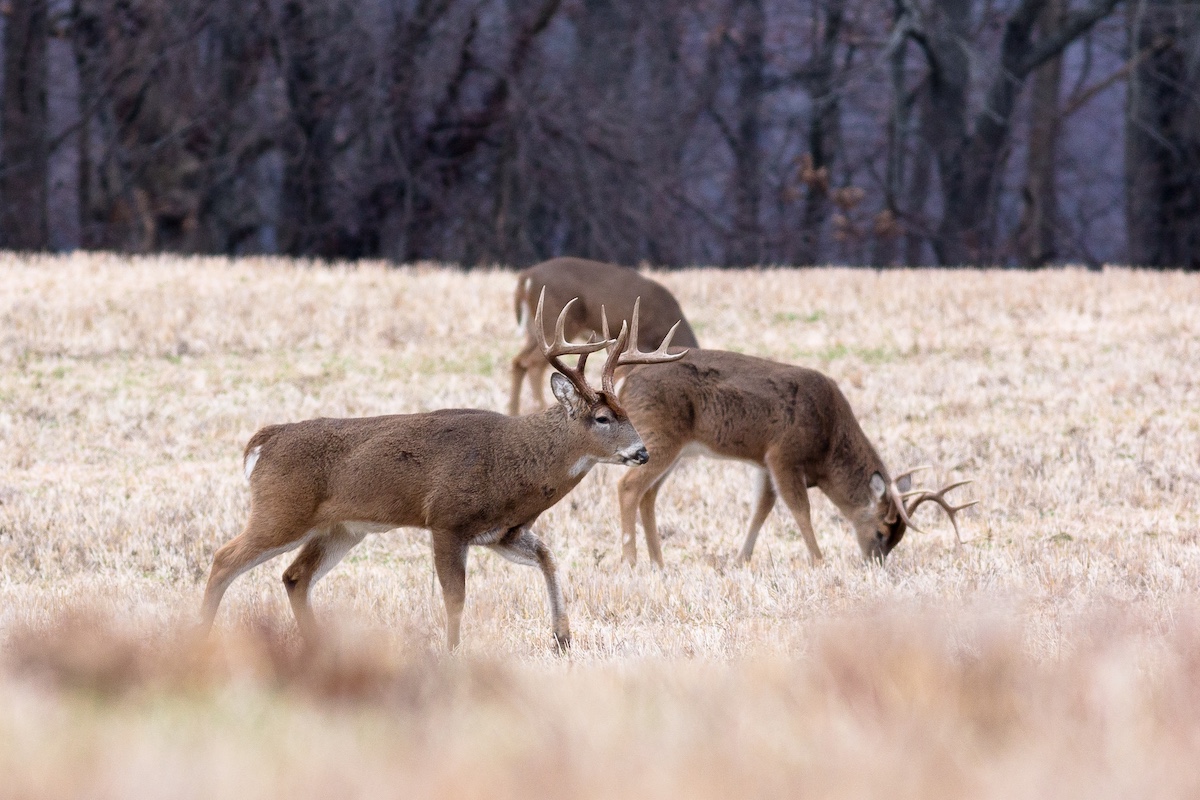
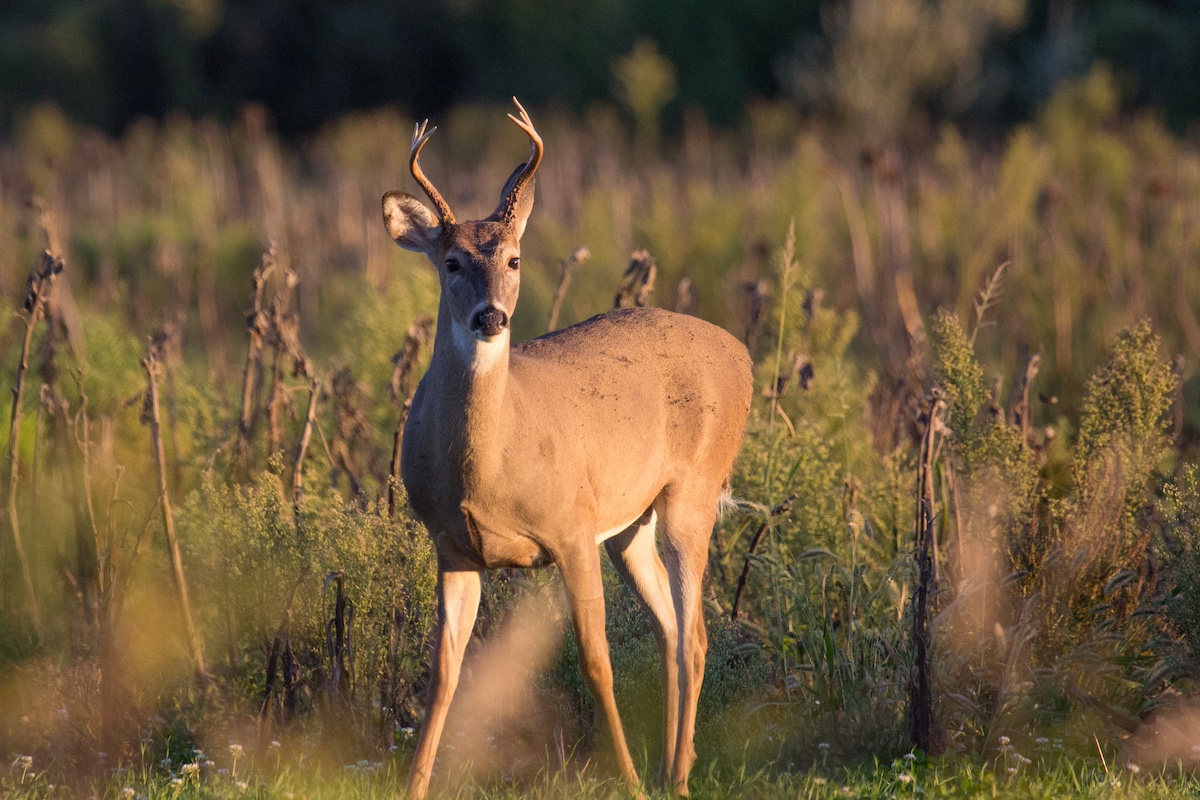
- Understand White-tails. Study books, magazines, websites and YouTube videos, then build on the textbook knowledge by observing deer in the field to learn their habits.
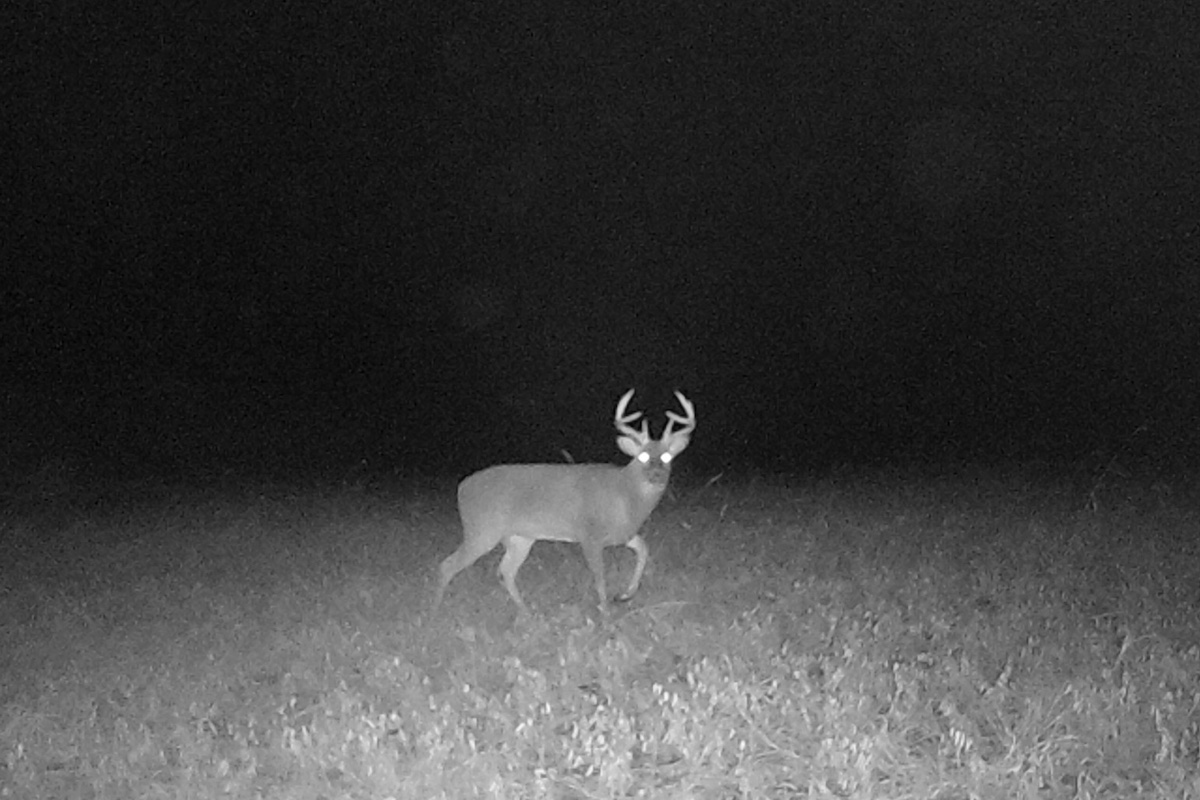
- Set up a Game Camera. Game cameras can lend a lot of insights on wildlife activity in the vicinity of your deer stand.
- Deer Know Movement and Sound. Practice sitting still and quietly, and moving smoothly.
- Practice Safety. Wear your blaze orange. There’s a reason why it is required. Check out the information provided in the annual Digest of Hunting and Trapping Regulations. If using a tree stand, always wear your harness and never climb with a loaded firearm. Dress for the weather, and be prepared for it to change at a moment’s notice throughout your hunt. Before you take a shot, know your target.
- Practice Fair Chase and Show Respect. Practice ethical, sportsman-like and lawful pursuit of game. A little common courtesy with the landowner, other hunters and other recreationists goes a long way.
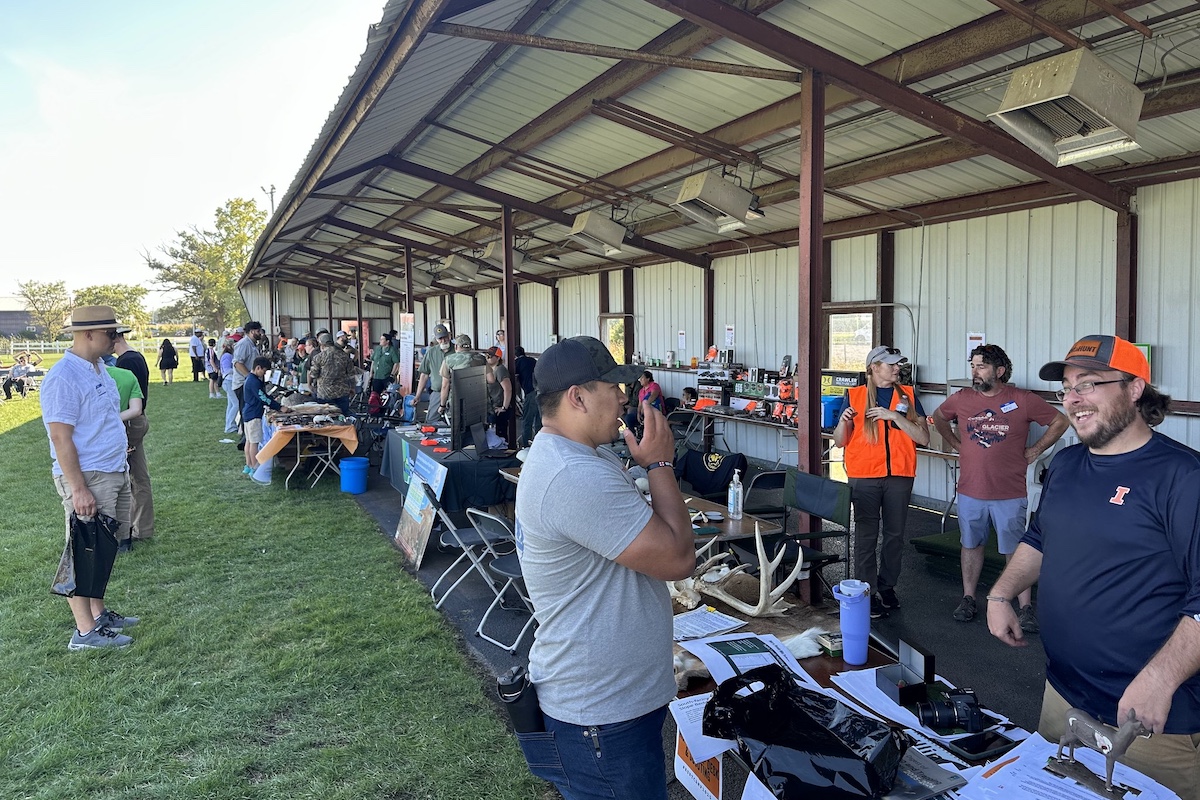
- Join a Sportsmen’s Group. Support conservation efforts of sportsmen’s group, and take the opportunity to learn from members.
- Ask an Experienced Hunter to be Your Mentor. Not only can you gain from the experiences of a seasoned hunter, the comradery can help prevent a long, lonely day in the field.
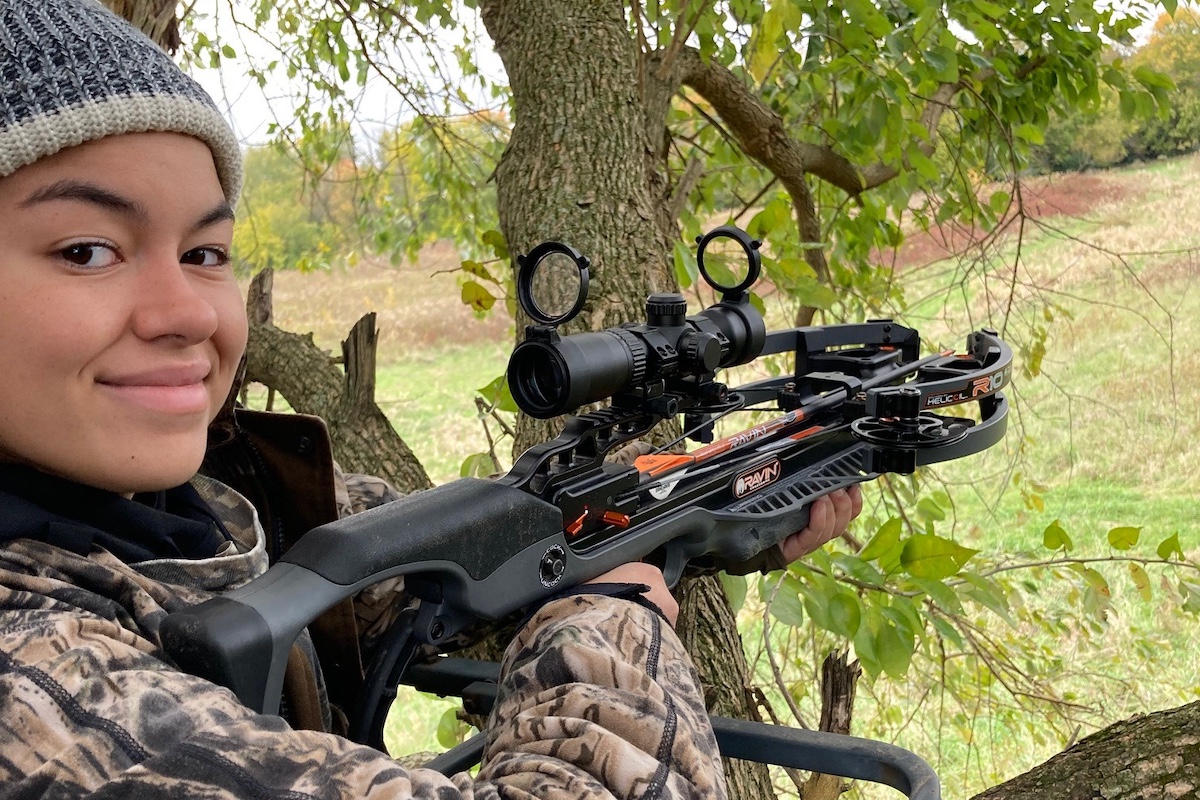
- Know Your Firearm/Bow. Never wait for opening day to take the first shot. Practice as much as possible before the season, learning shooting distance limits and how to estimate distances.
- Taking the Shot. Before you take that shot, know your target and range, and confirm that you have a safe shot. Shoot for the vitals—the heart is 4-6 inches behind the left “elbow” of a deer’s front leg.
- Be Patient. Despite all your preparation, you’ll never be able to predict how and when the deer will be moving. Sit back and enjoy being outdoors while you wait and watch.
- Learn from Your Mistakes. As any experienced deer hunter will tell you, you’ll be learning about yourself and deer every hunting season.
Kathy Andrews Wright retired from the Illinois Department of Natural Resources where she was editor of OutdoorIllinois magazine. She is currently the editor of OutdoorIllinois Journal.
Share this Article

Subscribe to our Newsletter
Explore Our Family of Websites



Submit a question for the author