
Bufflehead. Photo by Matt Williams.

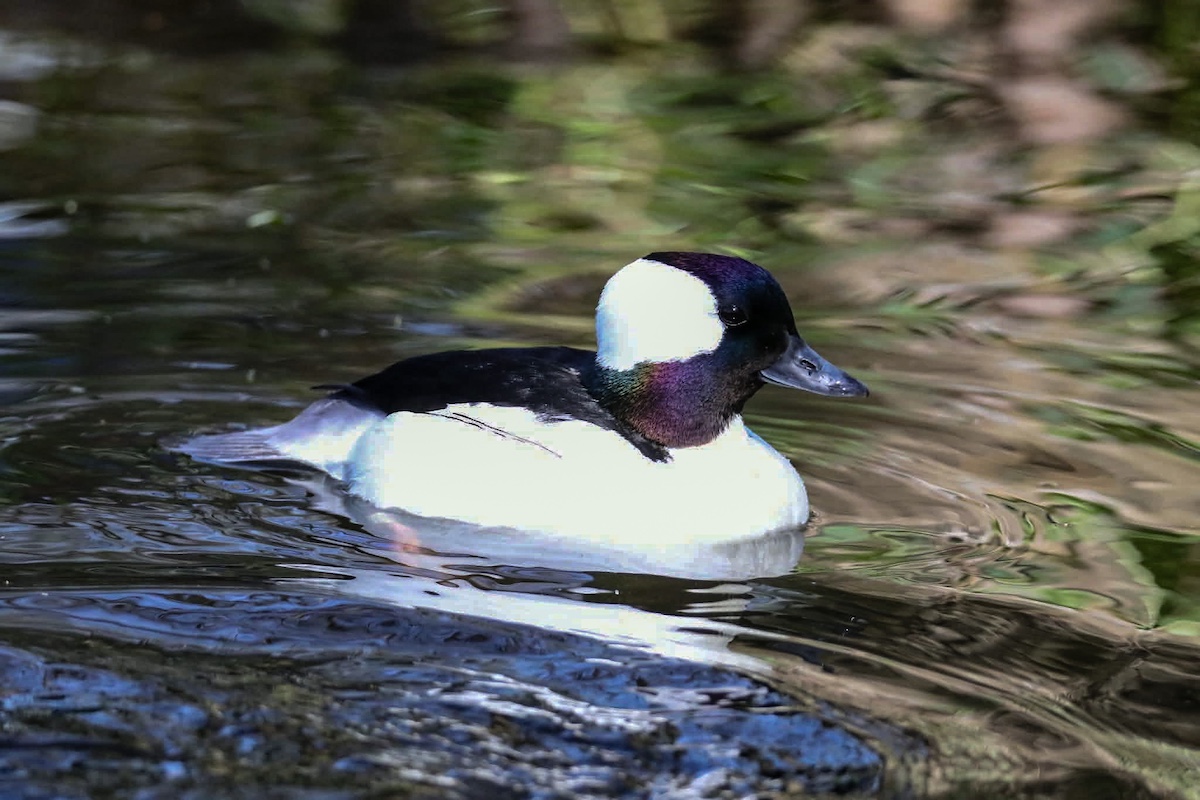
Bufflehead. Photo by Matt Williams.
The cover of this year’s Illinois Digest of Hunting and Trapping Regulations features one of North America’s smallest and most colorful diving ducks—the bufflehead (Bucephala albeola). Captured by wildlife photographer Matt Williams, the cover photograph showcases a striking male bufflehead floating atop rippling water, his glossy green and purple head feathers accented by a brilliant white patch that makes the species instantly recognizable.
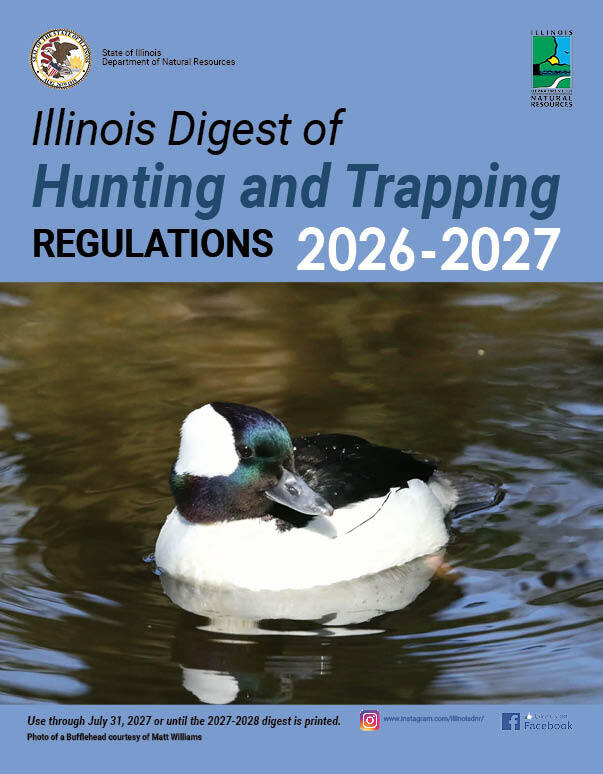
The smallest diving duck in North America, buffleheads are uncommon migrants in Illinois. Although hunters and birdwatchers are most likely to encounter them during spring and fall migrations, their unique appearance makes every sighting a memorable one.
Illinois Department of Natural Resources (IDNR) Division of Wildlife Resources staff coordinated the preparation of this annual Digest, incorporating updates to hunting regulations, season dates, permit information and public hunting opportunities for the 2026-2027 seasons. Printed copies of the Digest will be available at license vendors throughout Illinois beginning in early August. Visitors may also obtain a printed copy at the Illinois State Fair Conservation World tent during the fair. Hunters looking for additional pickup locations can find a nearby vendor, while a digital version of the Digest is available online under the “Hunting and Trapping Digest” section.
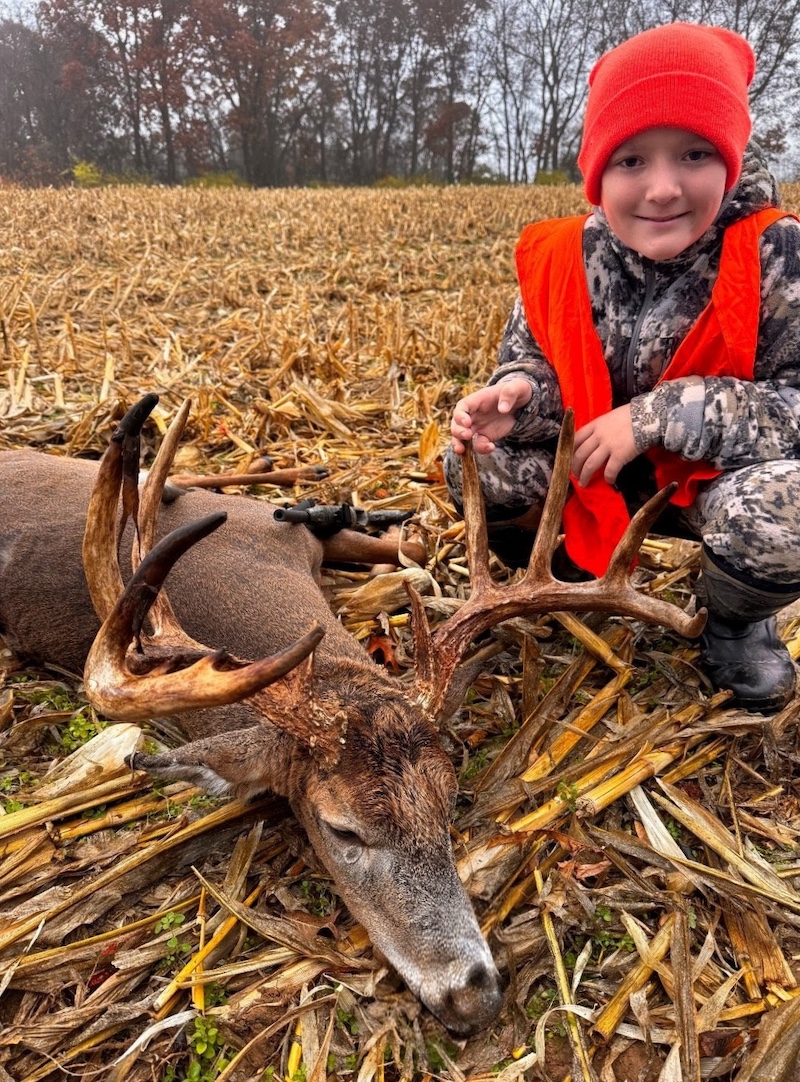
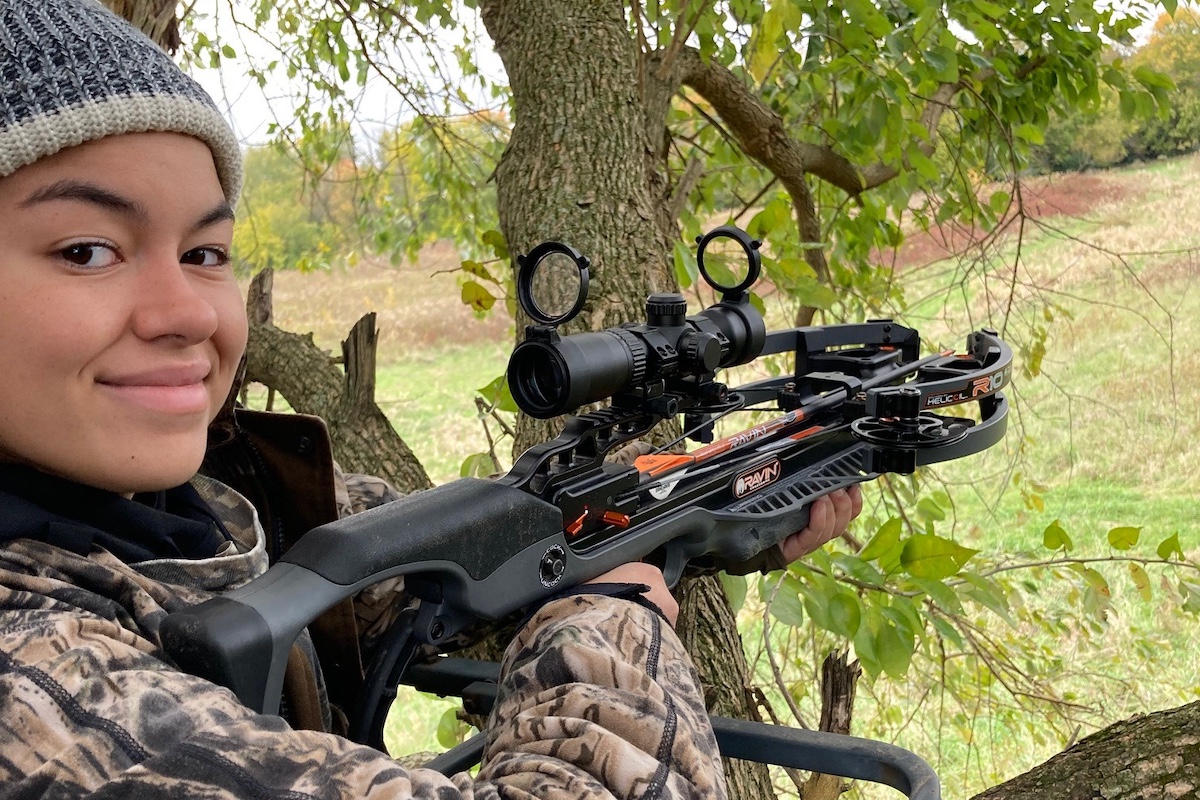
One of the most significant updates appears on page 13, where youth hunters will find information about Illinois’ newly adopted youth deer permit structure. Rather than receiving a single either-sex permit, youth hunters may now purchase a combination permit that includes one either-sex tag and one antlerless-only tag. This change provides eligible youth hunters the opportunity to harvest up to two deer during the season, expanding opportunities while continuing to support responsible deer population management.
On page 18, hunters will find updates regarding Illinois’ ongoing management of Chronic Wasting Disease (CWD). As CWD continues to expand across the state, Effingham, Scott and Stark counties have been added to the list of counties eligible for the Special CWD Deer Season. The Special CWD season allows hunters in participating counties to use any unfilled deer permits from the previous firearm, muzzleloader, and youth deer seasons. Hunters may also purchase over-the-counter Special CWD season permits, providing additional opportunities to assist with deer population management while helping limit the spread of the disease. Read more about changes to the CWD program and IDNR’s evolving efforts to manage the disease in CWD Management Program Changing, part of our recent issue.
Also on page 18, the Digest outlines updates to Illinois’ County-Specific Restricted Archery Zones (RAZ). During October, Champaign, Douglas, Macon and Piatt counties—excluding Allerton Park in Piatt County—will be limited to the harvest of antlerless deer from October 1 through October 31. Beginning November 1, standard statewide archery regulations will once again apply within those counties. The update also removes Moultrie County from the list of Restricted Archery Zone counties.
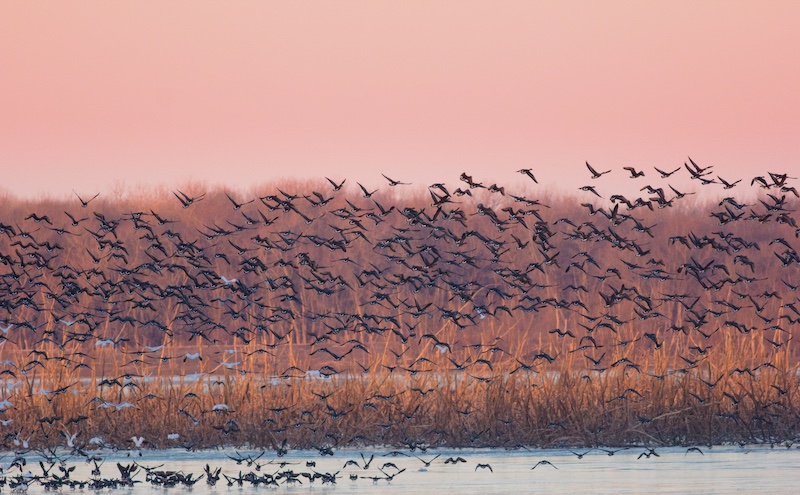
Waterfowl hunters will notice several important changes beginning on page 27. Illinois has reduced its waterfowl hunting framework from four hunting zones to three zones—North, Central and South—resulting in updated season dates across the state. Hunters should also review new regulations affecting greater and lesser scaup. For the 2026-2030 seasons, the daily bag limit for scaup will be one bird during the first 15 days of the season, increasing to two birds during the remaining 45 days. Possession limits have been adjusted accordingly.
Hunters and trappers will also find additions to Illinois’ growing network of Public Hunt Areas on pages 52 and 54. Two new public hunting sites have been added to this year’s Digest.
In Region 2, Hackmatack State Natural Area in McHenry County adds 71 huntable acres open for waterfowl hunting, deer archery hunting and fall archery turkey hunting.
In Region 4, Annbriar Karst State Natural Area in Monroe County provides 160 huntable acres open for deer archery hunting.
These additions continue IDNR’s commitment to expanding public access and providing diverse hunting opportunities throughout Illinois.
The Digest remains available in multiple formats, allowing hunters and trappers to access regulations from a smartphone, tablet, computer or printed copy. It also includes a convenient quick-reference insert highlighting important season dates, application deadlines, lottery information, and daily and possession limits.
Spanish and Polish versions of the 2026-2027 Illinois Digest of Hunting and Trapping Regulations and quick-reference insert will also be available online through the HuntIllinois and Illinois Department of Natural Resources websites.
Suggestions regarding the annual Digest are welcome and may be emailed to DNR.WildlifeRecep@Illinois.gov.
Kaleigh Gabriel is a Wildlife Outreach Specialist with Lewis and Clark Community College, working out of the Illinois Department of Natural Resources building to assist the Division of Wildlife Resources. Growing up just between Sangamon and Christian counties, she spent a lot of her time hunting and fishing in Illinois. She received her bachelor’s degree in writing/journalism from Manchester University, Indiana.



Submit a question for the author
Question: 2026 squirrel hunting dates