
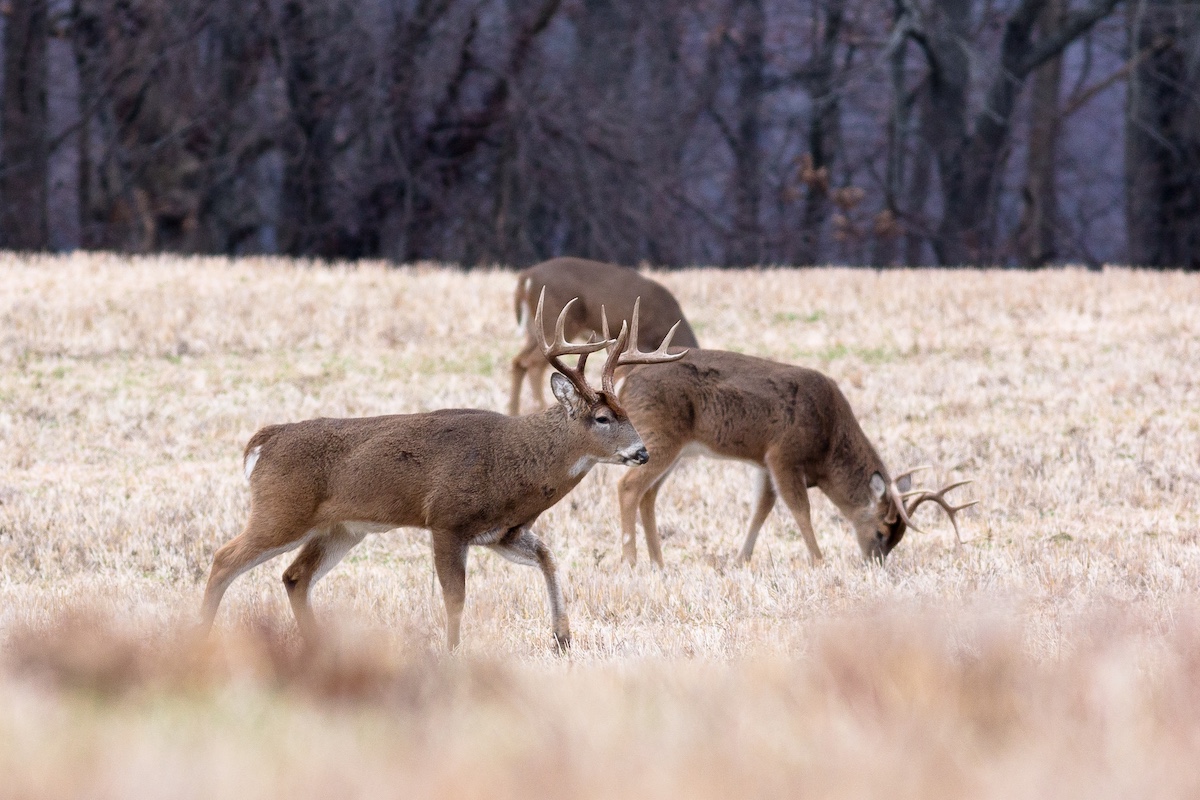
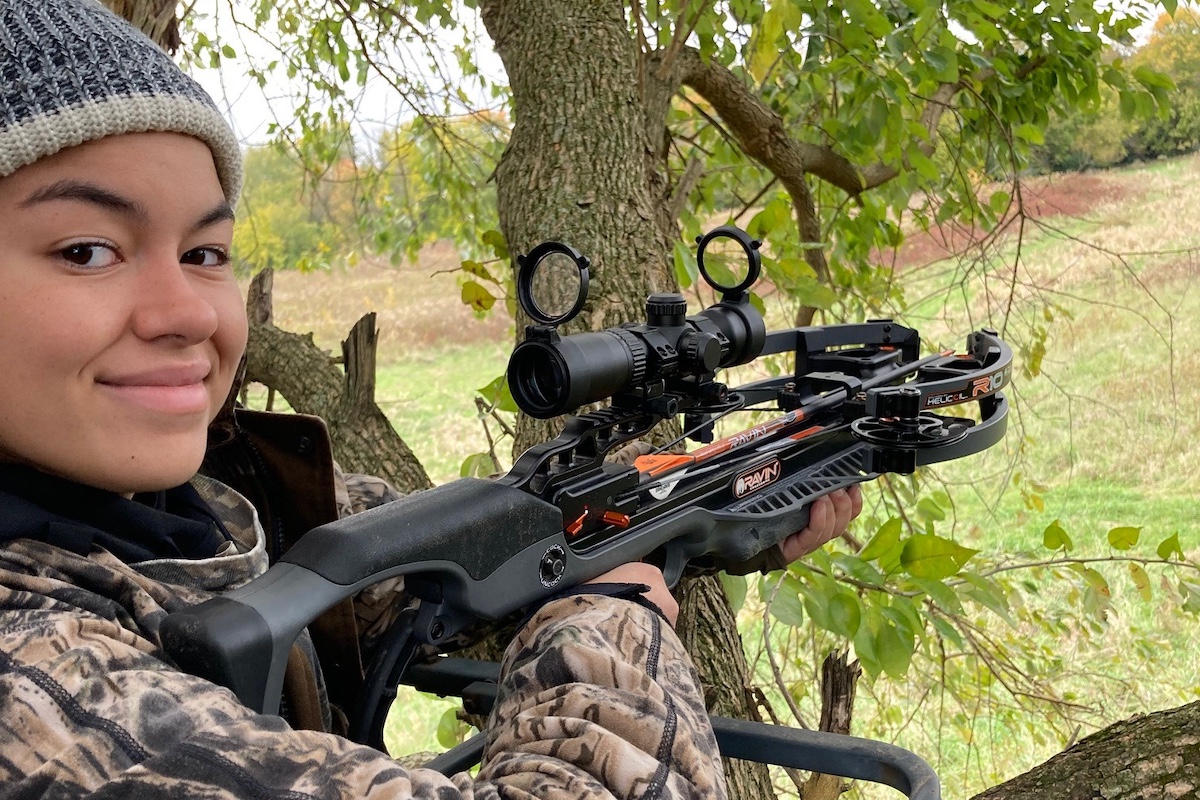
Photo courtesy of Dan Stephens, Illinois Learn to Hunt.

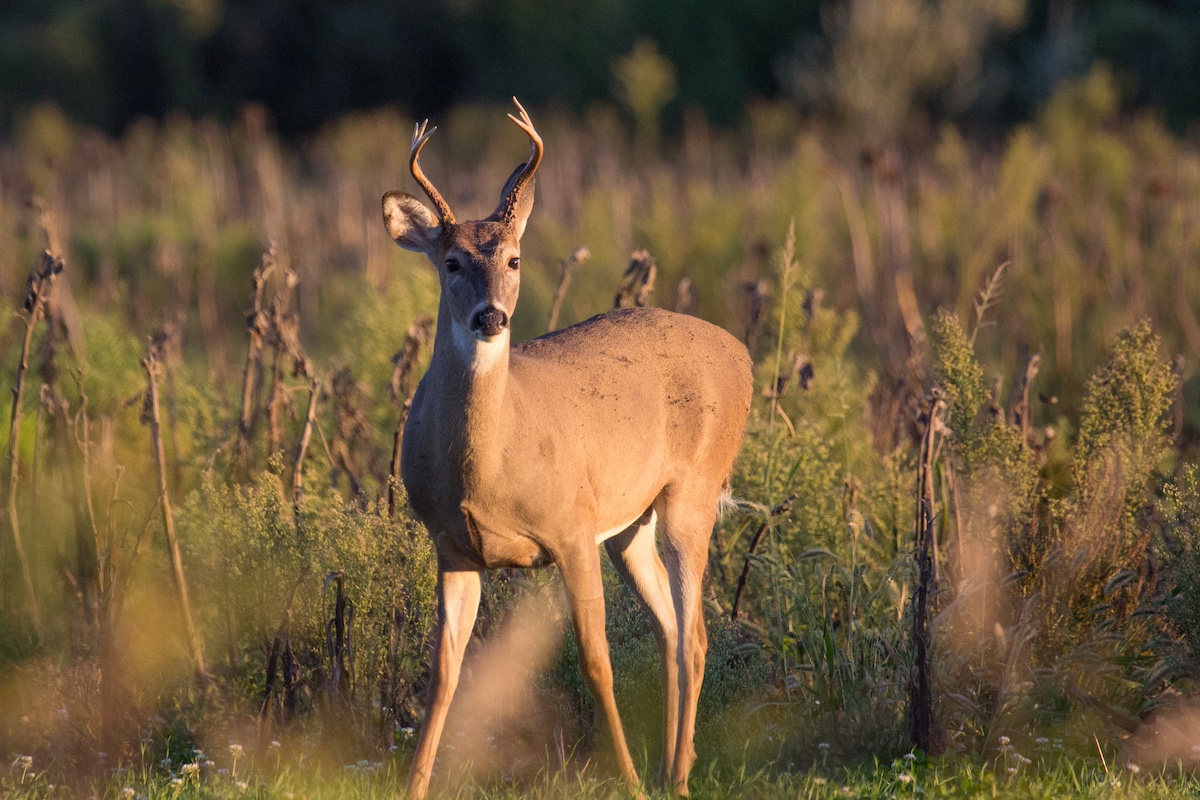
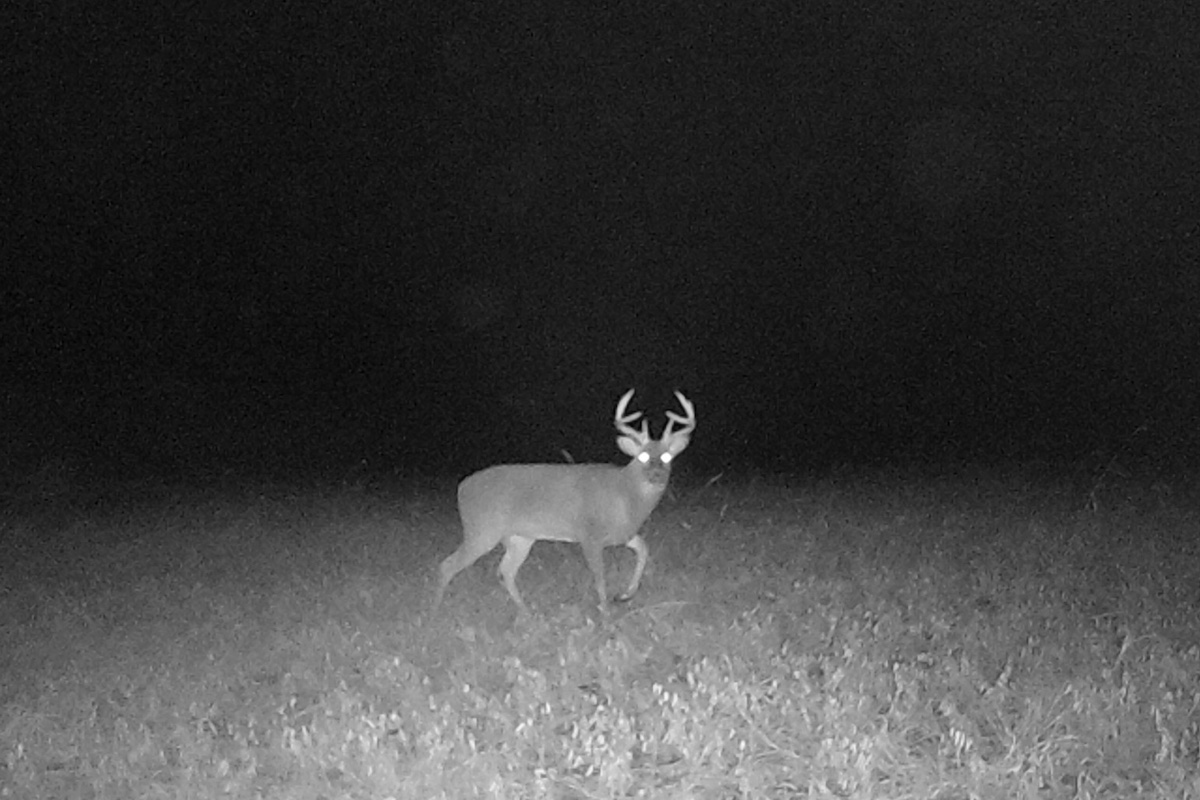
Photo courtesy of Dan Stephens, Illinois Learn to Hunt.
For nearly 24 years, the Illinois Department of Natural Resources (IDNR) has coordinated a project to detect and suppress the always-lethal prion-linked neurological disease Chronic Wasting Disease (CWD). Nearly 175,000 white-tailed deer have been tested through samples collected from check stations, meat lockers, drop-off stations, taxidermists, sharpshooting, special permits, road-kills and animals displaying signs of the disease. Since 2002, preventing the spread of CWD into new areas, keeping disease rates low, and eliminating it wherever possible have been IDNR’s goals and entailed increased hunter harvest during the deer seasons and focused removal in areas where the disease was known to occur.
By 2025 CWD had been found in 25 Illinois counties. In the spring of 2026 CWD was detected in deer from three additional counties: Effingham, Scott and Stark. With Effingham and Scott counties, as well as Adams County the year before the disease jumped into three counties well outside the disease’s endemic area in northern Illinois. With the expanded geographic distribution of CWD and increasing prevalence, along with growing fatigue among cooperating landowners and the public, IDNR decided to suspend sharpshooting. After 23 years of doggedly fighting to manage the disease it had simply grown beyond the agency’s capacity to contain it. IDNR will continue to monitor CWD within the state and work with our local and national partners to explore other ways to staunch the disease.
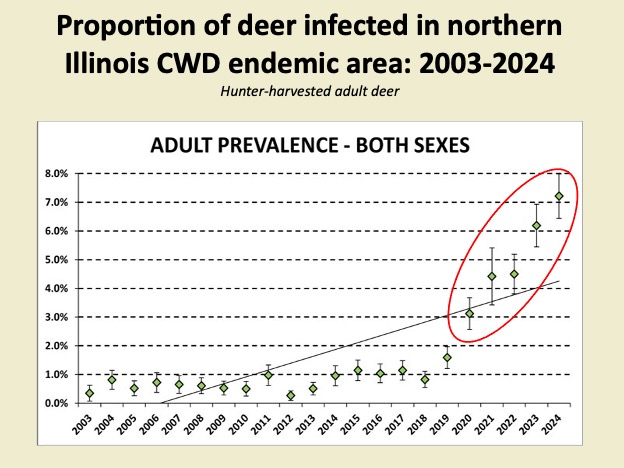
The first case of CWD occurred in 1967 in a captive-herd facility in Colorado. CWD was first detected in Illinois in 2002 in Boone County. Since 2003, IDNR has employed active CWD management through sharpshooting, coupled with liberalized hunting opportunities and baiting restrictions. The program IDNR developed earned national recognition for keeping disease prevalence low and slowing the spread. These efforts kept CWD prevalence low in Illinois – below 2 percent – and confined to the northern part of the state for almost an entire generation of deer hunters.
During the past seven years, however, Illinois saw a rapid increase in prevalence rates – up to 9.2 percent in 2025 – and a continued spread southward into central Illinois.
Since CWD was first detected in Illinois in 2002, the work to study and manage the disease has been a team effort.
“I would like to offer my sincere thanks to the many partners who helped us battle this disease, including the cooperating hunters and landowners, USDA Wildlife Services, the Illinois Natural History Survey’s Veterinary Epidemiology Laboratory, the SIU Cooperative Research Laboratory and the Illinois Department of Agriculture,” said Mike Wefer, Chief of the Illinois Department of Natural Resources’ (IDNR) Division of Wildlife Resources. “Also, I extend a special thanks to the dedicated IDNR professionals who sacrificed much, endured rigorous conditions, and conducted the hard, necessary work to keep the disease in check for so many years. Rest assured this is a worthy cause.”
When CWD was first detected in Illinois in late 2002, the disease had only been detected in a handful states and provinces. At present, CWD has been detected in 36 states and 3 Canadian provinces. Illinois joined the other state and provincial fish and wildlife agencies, federal agencies, and universities in providing research and knowledge on the disease. Below are a few things that we’ve learned.
Illinois’ free-ranging deer herd is an incredibly valuable and cherished public resource and the heart of outdoor culture in the state. Protecting the health of the herd continues to be the goal of IDNR’s CWD management program and staff will continue to monitor CWD within the state, provide sampling opportunities for hunters, and engage with the public to help manage the disease.
Later this year, IDNR will host public open houses with hunters and landowners to update them on the status of the disease in Illinois and encourage continued vigilance and testing when harvesting deer.
Illinois hunters and landowners have been valuable partners from the very beginning. They can still help by continuing to work as agents for Illinois’ deer herd. Illinois hunters and landowners can continue to play a vital role in CWD monitoring and management by:
Additional information on the status of CWD in Illinois and how to participate in sampling programs will be available on the IDNR CWD webpage.
Kathy Andrews Wright retired from the Illinois Department of Natural Resources where she was editor of OutdoorIllinois magazine. She is currently the editor of OutdoorIllinois Journal.





Submit a question for the author