
The real work for Conservation Police Officers begins after the sun sets, monitoring activity of the poachers who use the dark as cover. All photos courtesy of the author.

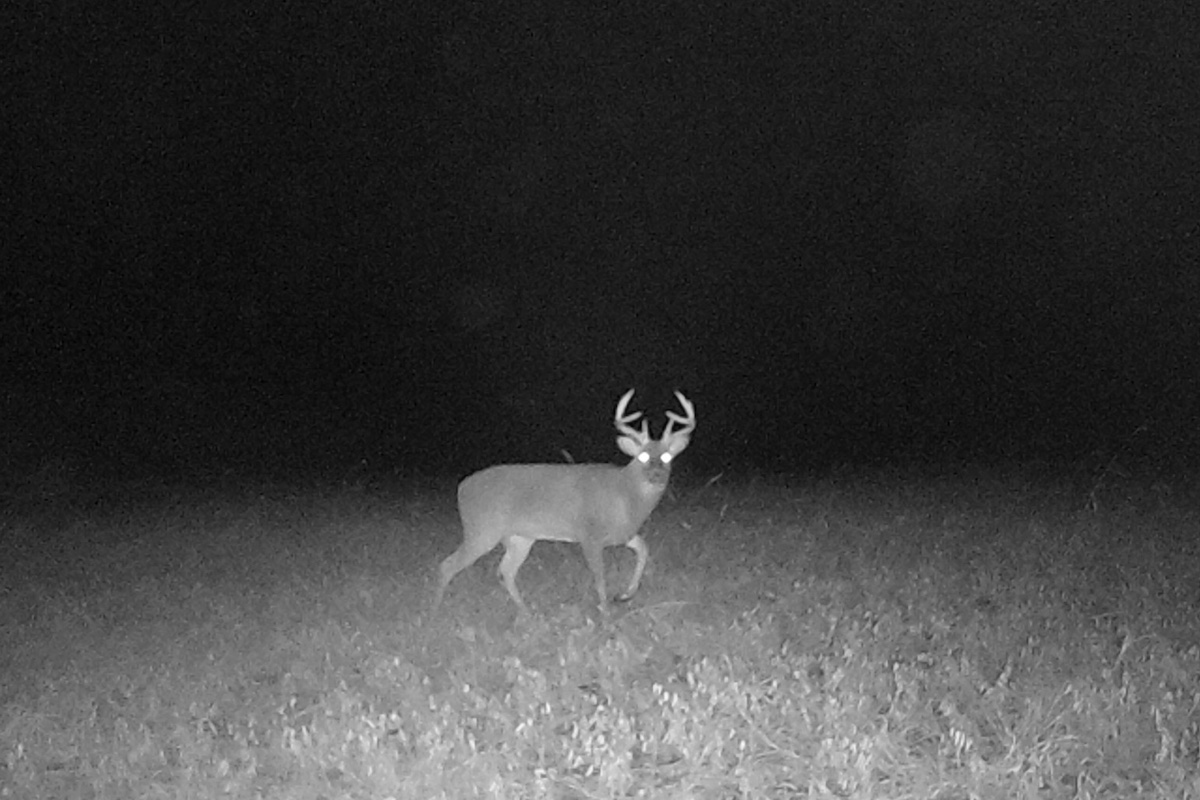
The real work for Conservation Police Officers begins after the sun sets, monitoring activity of the poachers who use the dark as cover. All photos courtesy of the author.
The woods do not go to sleep when the sun goes down. Most recreational outdoor enthusiast pack up their gear, dock their boats and head for the warmth of a cabin or truck the moment legal shooting light ends. But for those patrolling the dark stretches of Illinois backroads and riverbeds, sunset is when the real work begins. Over a 25-year career working as a conservation officer in this state, the transition from day to night patrol became second nature, a shift from checking licenses and bag limits to actively hunting the poachers who use the dark as cover.
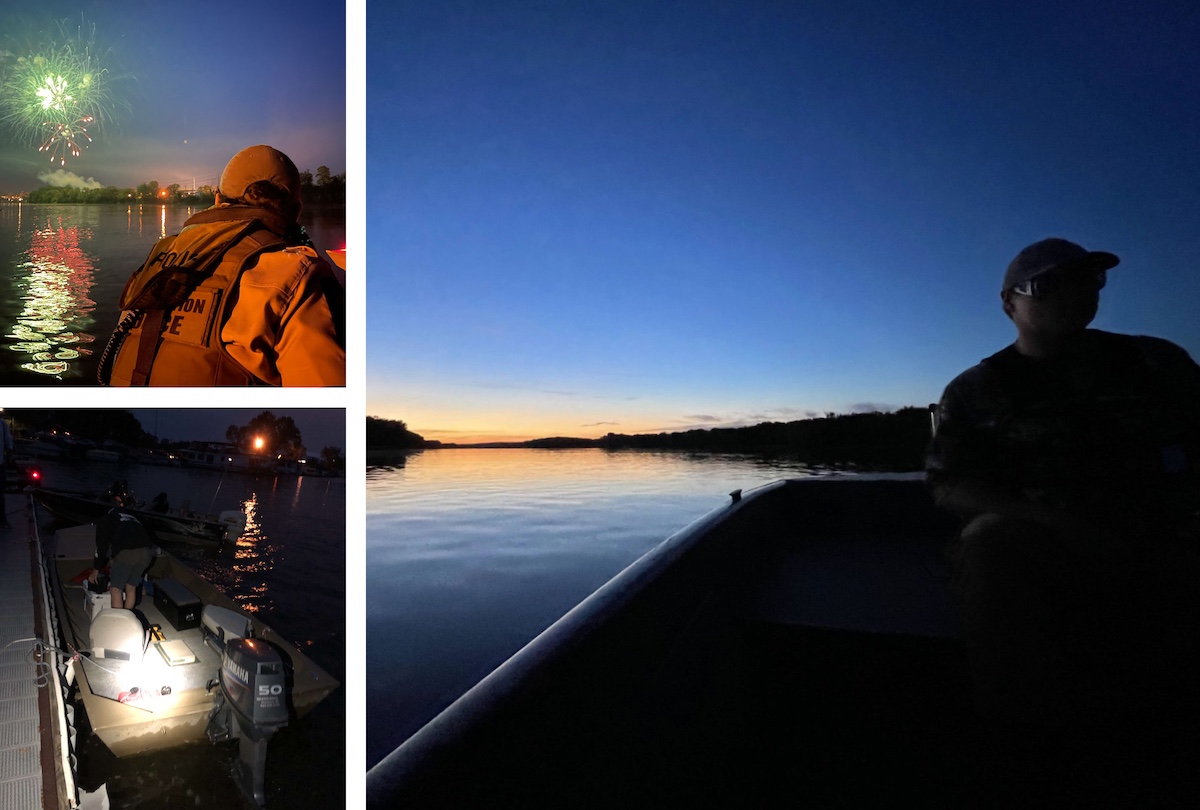
Night patrol is a completely different tactical environment. It is a waiting game played out with cold coffee and thermal imaging, sitting in a blacked-out squad truck listening to the silence, waiting for the telltale sweep of a spotlight across a cut cornfield or the hum of an outboard across the waterway.
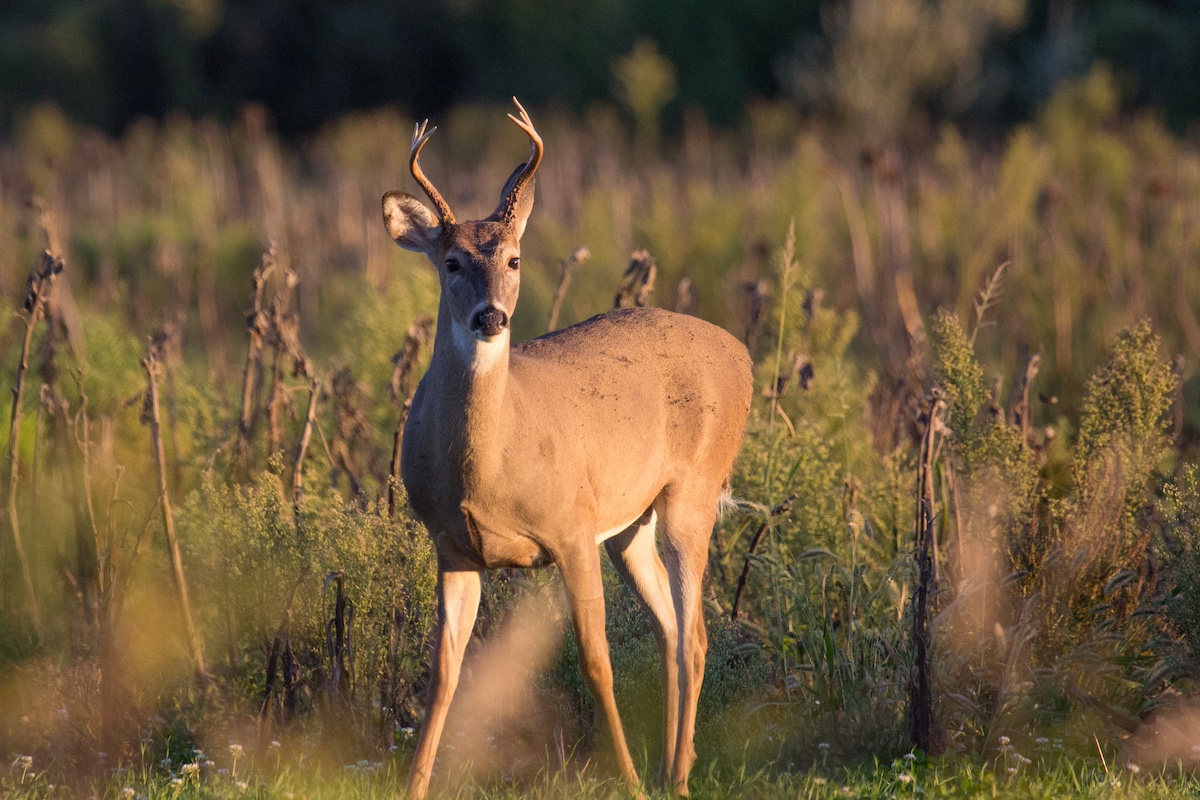
Spotlighting deer is one of the most persistent and dangerous wildlife crimes that an officer encounters. The motivation usually boils down to greed, thrill-seeking or a complete disregard for the resource. But beyond the blatant theft of wildlife, illegal night hunting is a severe public safety hazard. It fundamentally violates every core tenet of hunter safety, most notably the rule that demands you know your target and what lies beyond it.
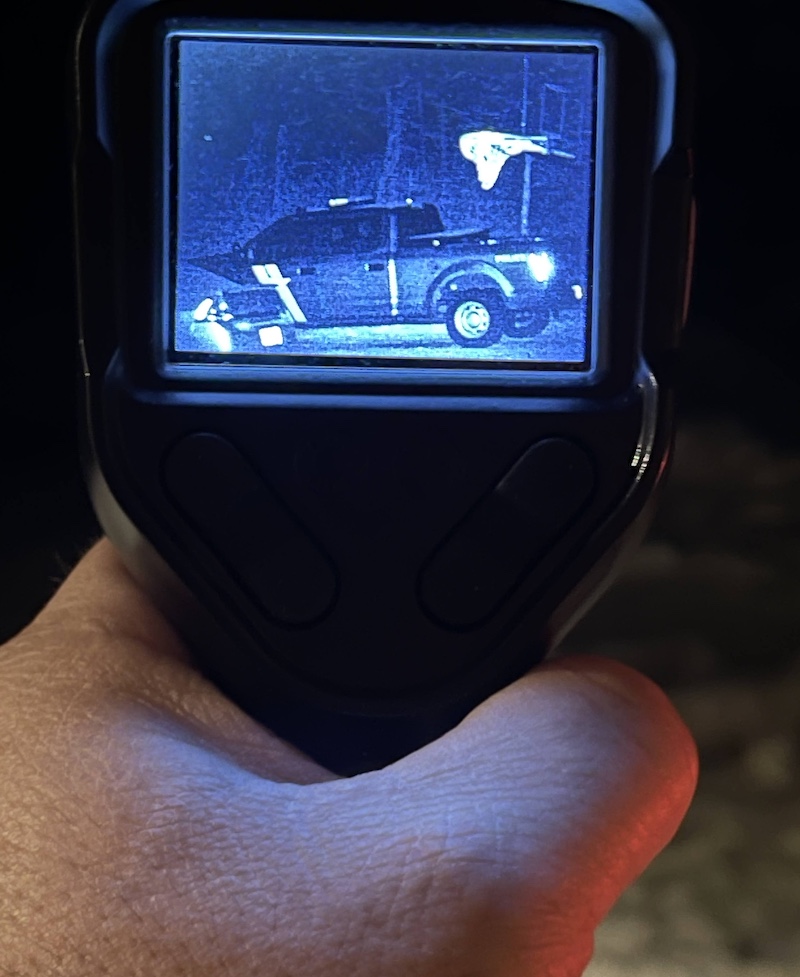
When a poacher shines a million-candlepower beam into a field, they see a set of reflecting eyes. That is all they see. The darkness completely swallows whatever is in the background. It could be a rise in the terrain, a county road, a tractor shed, or a farmhouse where a family is sleeping. In some cases a high-powered bullet can travel more than a mile. When someone pulls a trigger at a set of glowing eyes in the pitch black, they are rolling the dice with human lives. Modern thermal imaging has a great advantage in detecting wildlife by showing heat, but it will not reveal a tractor sitting in a field or other neutral-temperature liabilities.
Enforcing these laws is not just about writing tickets, it is the frontline of public relations for the hunting community. Ethical hunters are the first to condemn spotlighting because they understand that a stray bullet from a poacher’s gun doesn’t just cause a tragedy, it damages the reputation of every law-abiding sportsman and woman in the state. When a conservation officer makes a night case, seizes a rifle and impounds a vehicle, they are actively protecting the integrity of the hunting tradition. They are ensuring that the woods remain a safe environment during legal shooting hours.
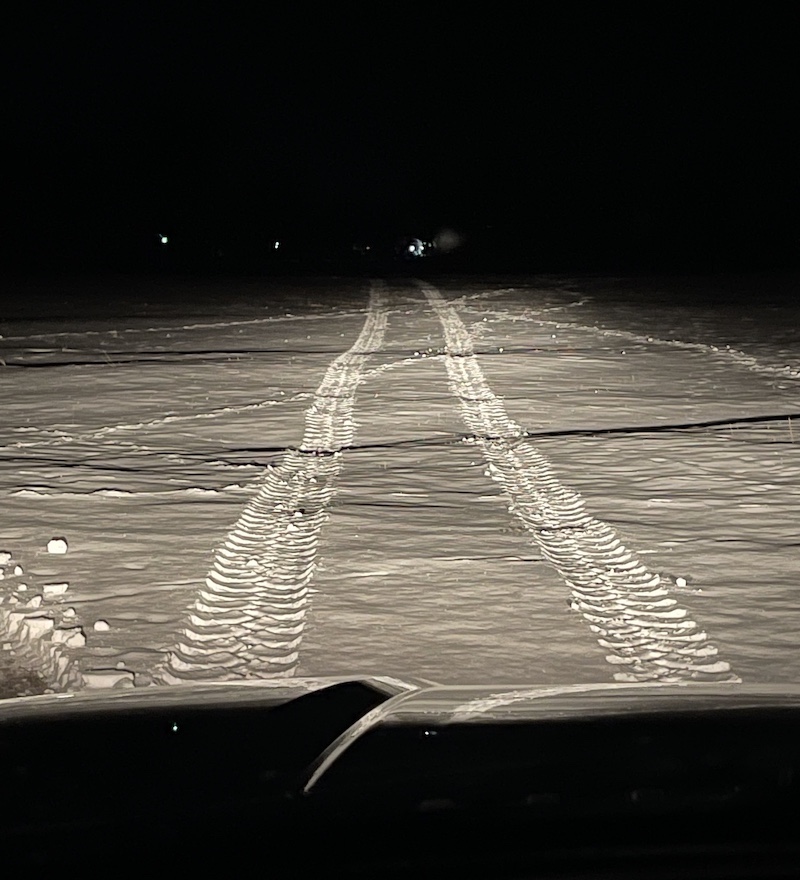
The strategy behind catching these individuals relies on intimate knowledge of the terrain. A conservation officer knows every rutted dirt road, every hidden access point, and exactly where the deer are yarding up during the late season. We use ambient moonlight, run without headlights, and sit for hours in freezing temperatures.
Technology has evolved significantly over the years. Early in my career, we relied entirely on our own eyes, ears and the eventual flash of the poacher’s light. Today, thermal imaging monoculars and advanced night vision allow us to see the poachers long before they turn on a spotlight. We can watch a vehicle slow down, see the heat signature of a rifle barrel protruding from a window, and move into position to make the stop before a shot is ever fired.
But technology does not replace outdoor skills. You still have to know where to be. You have to anticipate the poacher’s movements based on weather patterns, moon phases and crop harvests. A freshly picked bean field on a crisp November night with a high moon is a prime target for illegal activity, and we plan our patrols accordingly.
When the stop happens, it is always high adrenaline. You are initiating a traffic stop on an armed individual, in the middle of nowhere, with no backup for miles. Command presence is critical. The goal is to secure the weapons, separate the suspects and gather evidence. Often, the evidence is undeniable—a freshly killed deer in the truck bed, a warm rifle and a spotlight plugged into the dash.
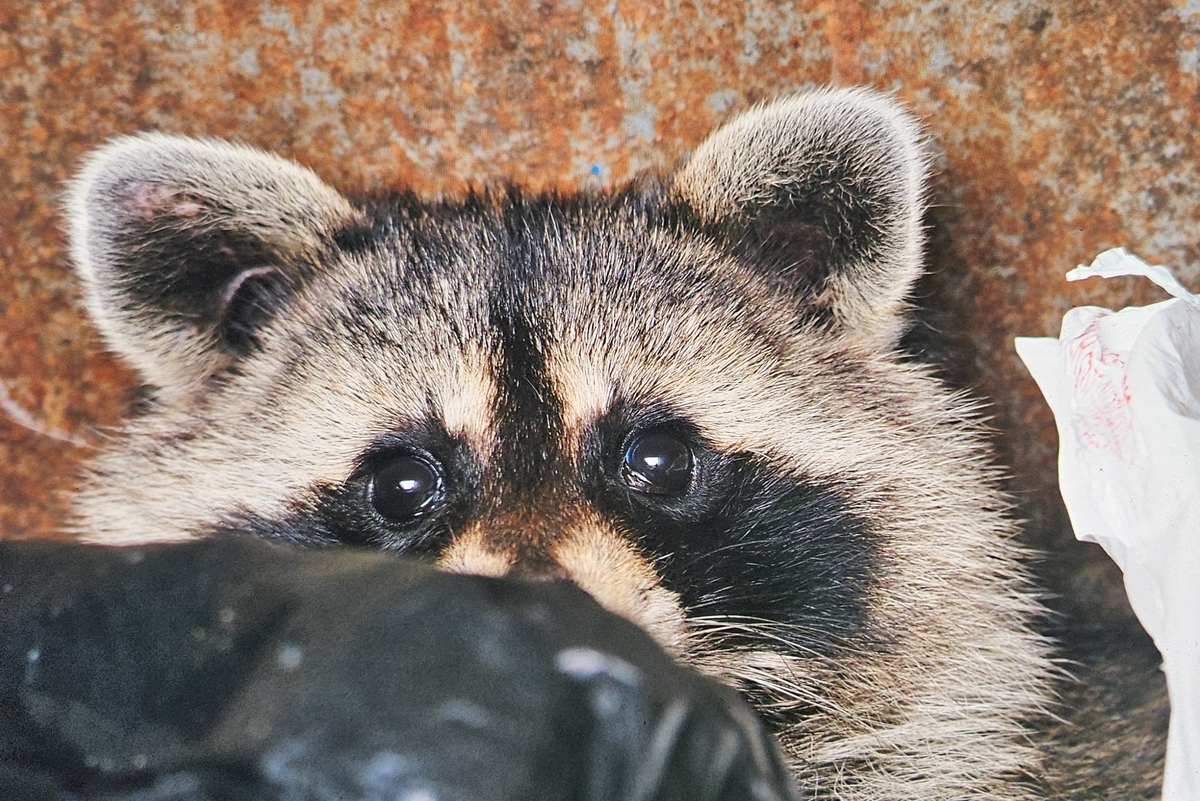
These nights are long and grueling. You might sit for five nights in a row and see nothing but raccoons and owls. But on that sixth night, when you intercept a truck leaving a field with an illegally taken buck, you know you are making a difference. You are taking a dangerous element out of the woods and sending a clear message that the state’s resources are actively guarded.
The public rarely sees this side of conservation law enforcement. They see us checking boat registrations on a sunny July afternoon or checking in a deer at a fall check station. But the foundation of wildlife protection is built in the dark, on those lonely gravel roads, standing between the ethical sportsmen and women of Illinois and those who would steal from them under the cover of night.
Steven Beltran joined the Illinois Conservation Police in 2000, retiring as a Sergeant in northwest Illinois in 2024.






Submit a question for the author