
Photo by Brad Pendley, USFWS.

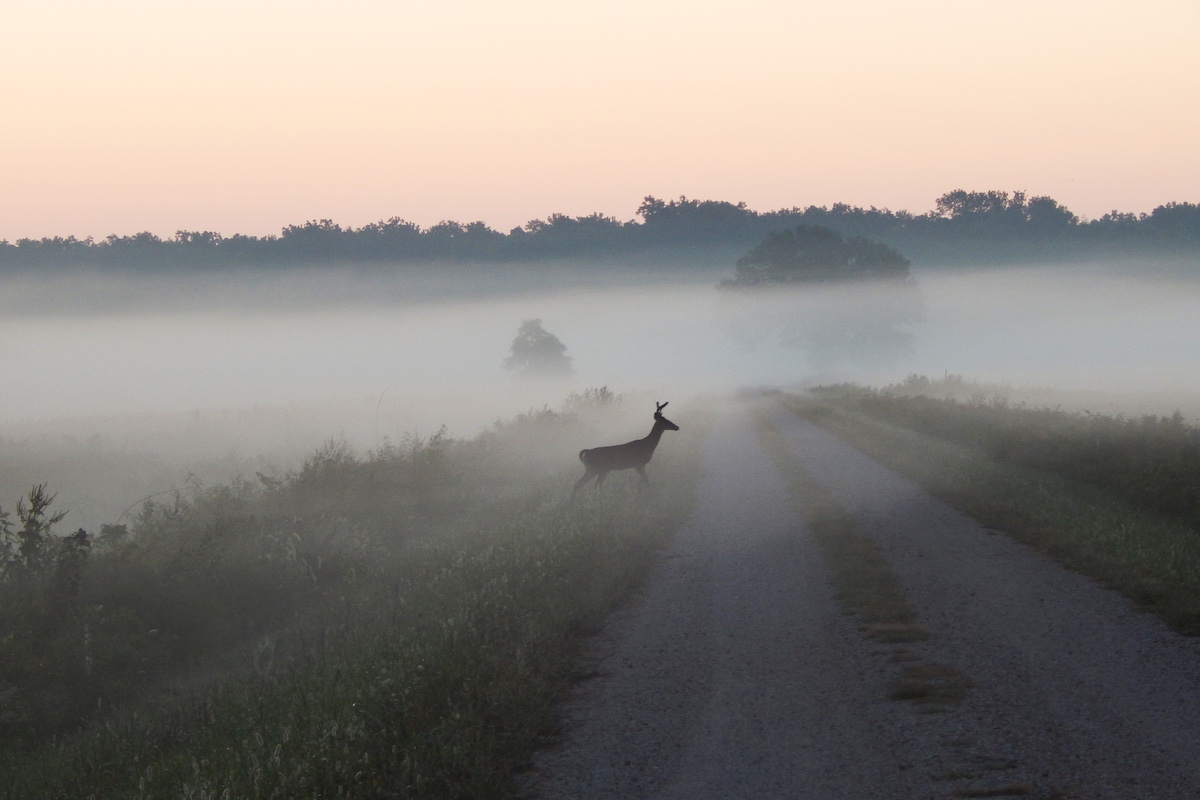
Photo by Brad Pendley, USFWS.
On Sunday, Nov. 1, just like clockwork, at 2 a.m. daylight saving time ends and the clocks go back one hour. One of the most noticeable effects of “falling back” is that people find themselves driving home from work or for after-school activities as the sun sets, putting them on the road and at risk for collisions with many wildlife that are active at that time.
The tradition of daylight saving time has a long history, with reasons for its implementation ranging from maintaining daylight during work and school to conserving energy and boosting the economy through extended shopping hours. However, research has shown that the end of daylight saving time in the fall can lead to an increase in wildlife vehicle collisions. Studies across the U.S. have tracked white-tailed deer vehicle collision rates in relation to time changes, with some showing a 16 percent spike in deer-vehicle collisions after the fall time shift. Collisions also tend to decrease after the clocks “spring forward” in March.
Reduced visibility and driver fatigue caused by disrupted sleep schedules can further increase the risk of collisions following the time change. As we transition into darker evenings, drivers should stay alert and be aware of wildlife activity near roads to avoid collisions. Not all collisions can be prevented, but drivers can reduce their risk by understanding wildlife behavior.
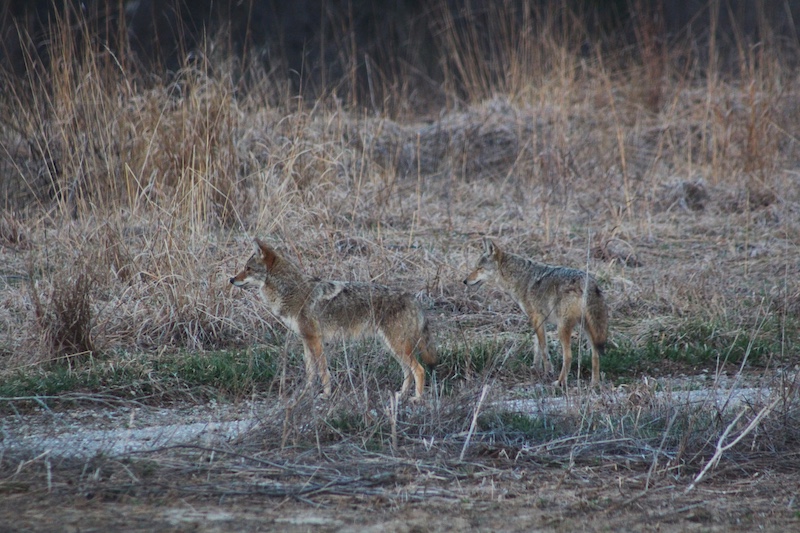
White-tailed deer, coyotes, rabbits, foxes, moths, fireflies, some bees and other wildlife are crepuscular, meaning they are most active at dawn and dusk. These animals have adapted to be active during these times to avoid predators, enhance camouflage, and take advantage of cooler summer temperatures. Hunting seasons and pressure, changing food availability concurrent with crop harvest, deer mating behaviors and dispersal of young-of-the-year animals also contribute to increased wildlife activity in the fall.
In the case of white-tailed deer, human activity can also influence their movement. Proximity of ag fields to roads in rural areas can increase the possibility of collisions when deer gather in cornfields. Additionally, the time change alters traffic flows at certain times of the day. When this pattern changes suddenly, it will take wildlife a few weeks to readjust.
An estimated 1 million vertebrate wildlife are killed by vehicles every day in the U.S., and a collision with any large animal can be costly. Wildlife vehicle collisions are a lose-lose situation. They are most often fatal for the animal and potentially harmful to the people involved.
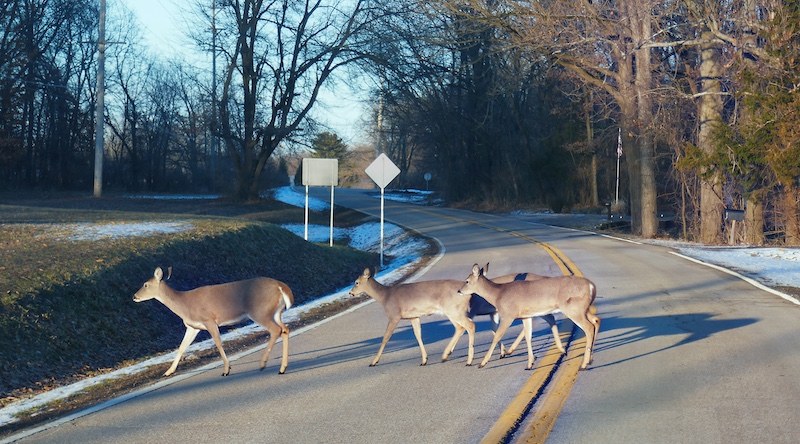
If animals are on the roadway, avoid slamming on the brakes or swerving into traffic or off the road; this can cause a loss of control of the vehicle. Slow to a stop, flash your headlights, and honk the car horn to encourage animals to move off the road.
If an animal is struck, safely pull off the road, assess the situation, and call 911 if needed. It is illegal for anyone except a law enforcement officer to kill a crippled animal.
Deer killed in a vehicle collision can be legally claimed by any Illinois citizen. Claims must be reported to the Illinois Department of Natural Resources within 24 hours by calling (217) 782-6431 or online at deer.wildlifeillinois.org where more information about making a claim is available.
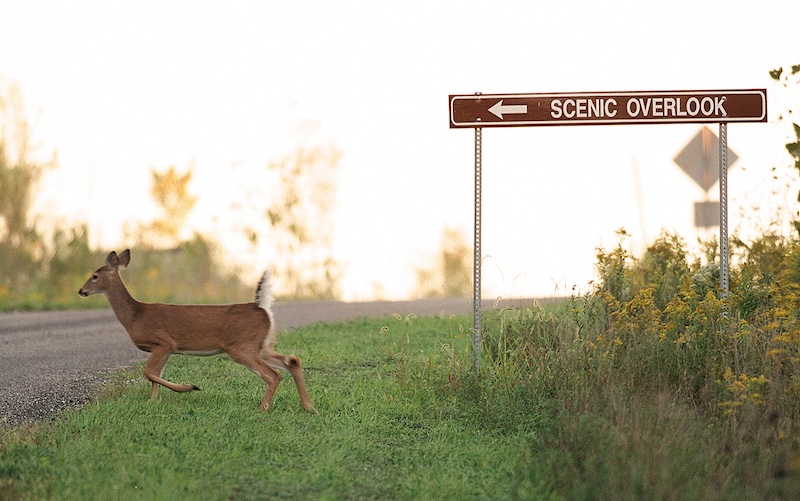
Explore more about navigating human-wildlife interactions on Illinois Extension’s wildlife website at extension.illinois.edu/wildlife and at the Illinois Department of Natural Resource’s Wildlife Illinois website.
Extension’s natural resources, environment and energy program provides research-based education for awareness and action to sustain healthy environments and ecosystems that support quality living and resilient communities. Extension staff empower people across Illinois to make a difference through the community volunteer programs Master Naturalists, Climate Stewards and Master Watershed Stewards.
Karla Griesbaum is a University of Illinois Extension natural resources, environment, and energy educator serving Champaign, Ford, Iroquois and Vermilion counties. She has a bachelor’s degree in natural resources and environmental science and a master’s degree in plant biology from the University of Illinois in Champaign-Urbana. She has worked in natural areas restoration, regenerative agriculture and plant-microbial research in forest ecosystems. Her main topic areas include ecology, safe and ethical foraging, invasive species, prescribed burning, native plants, fungi, climate and wildlife.
Emily Steele is a science communicator with University of Illinois Extension. There, she helps natural resources, environment, and energy staff across the state create educational podcasts, blogs, fact sheets, and websites on everything from water quality, climate, forestry, wildlife, and invasive species. A hiker, mountain biker, camper, casual birder, and sometimes hunter, she enjoys exploring the natural areas of her home turf in central Illinois.


Submit a question for the author