
Photo by Steve Beltran.

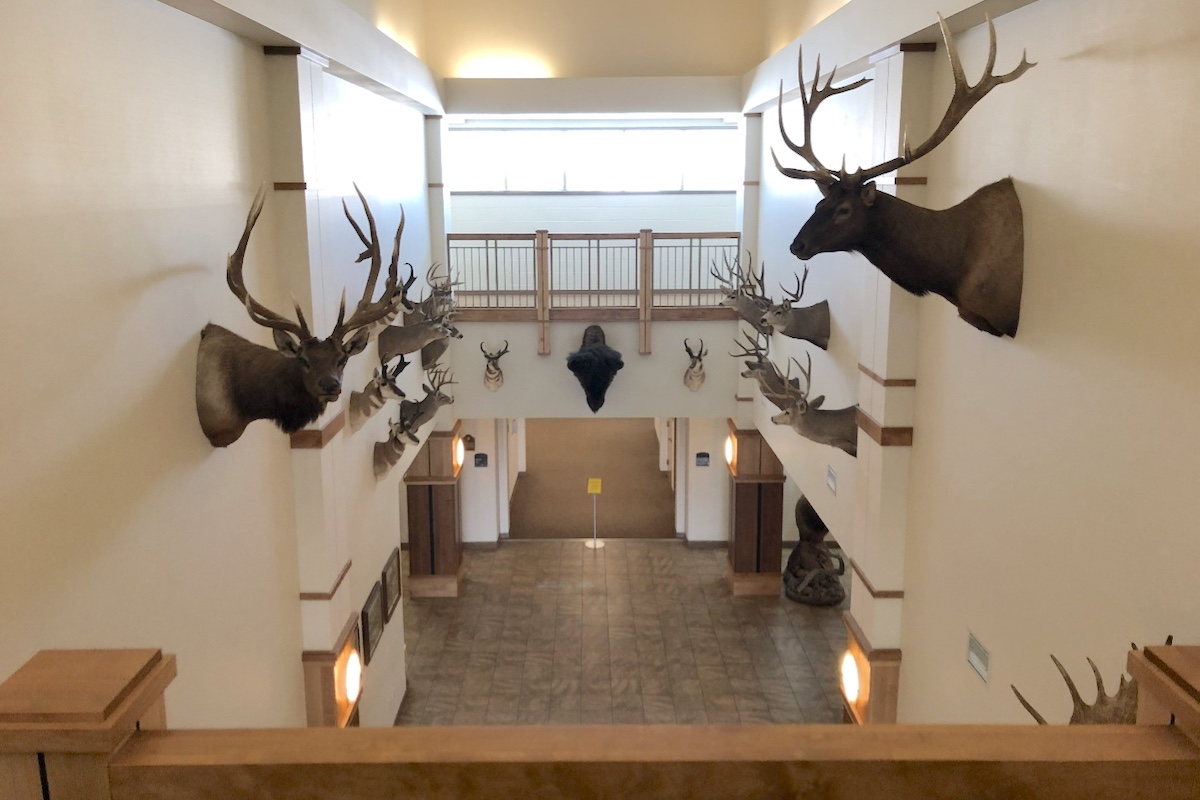
Photo by Steve Beltran.
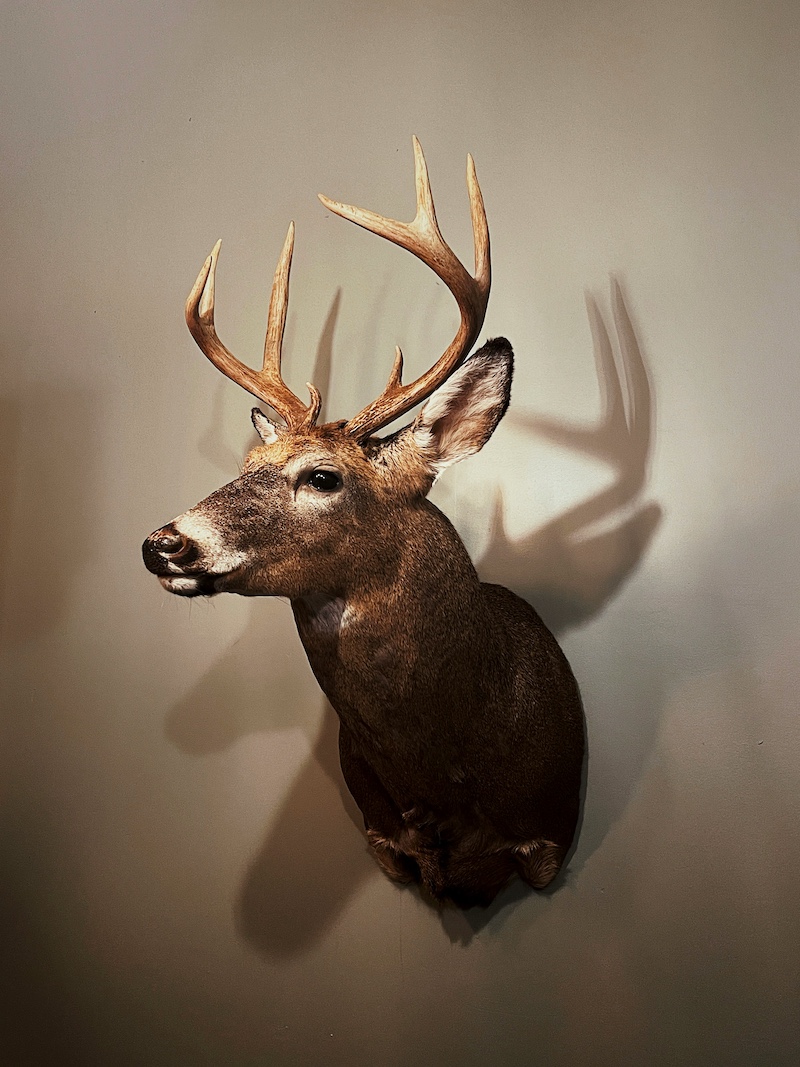
Every mount on a wall has a story behind it. It might be a first buck, a long-beard that took three seasons to fool, or the last deer Grandpa ever took. Taxidermy is how many Illinois hunters and anglers honor those memories, and it is one of the oldest ways we celebrate fish and wildlife. But a mount is only as good as the story behind it, and that story has to start with a legal, ethical harvest.
Taxidermy has come a long way. Before the late 1800s, animals were typically stuffed with straw and cotton, and the results rarely looked lifelike or held up over time. That changed when Carl Akeley, The Field Museum’s chief taxidermist from 1896 to 1909, began sculpting a form of the animal first and fitting the skin over it. His “Four Seasons of the Virginia Deer,” unveiled in 1902, is still on display in Chicago and shows how far the craft could go. Today’s taxidermists carry that tradition forward, and the best of them see their work as a way to honor the animal, not just decorate a wall.
A good mount begins long before the taxidermy shop. Take ethical shots, respect fair chase, and make every effort to recover your animal and count it in your daily bag limit. Let’s not forget that Illinois law also prohibits wasting the usable meat of harvested game. A mount should be the memory of a hunt done right, never the reason an animal was taken.
Care in the field also protects your investment. A few general tips to talk over with your taxidermist before the season:
In Illinois, anyone in the business of taxidermy must hold a taxidermist license from the Illinois Department of Natural Resources, and that license is valid only at the location listed on it. Licensed taxidermists also have record-keeping duties you should expect to see:
If a taxidermist offers to skip the paperwork, take your business elsewhere. That paperwork protects you as much as it protects the resource. Keep in mind each state has its own laws. If you are traveling out of state to hunt or fish, research the law of other countries to determine if it will be possible to have your prized harvest transported back without significant issues.
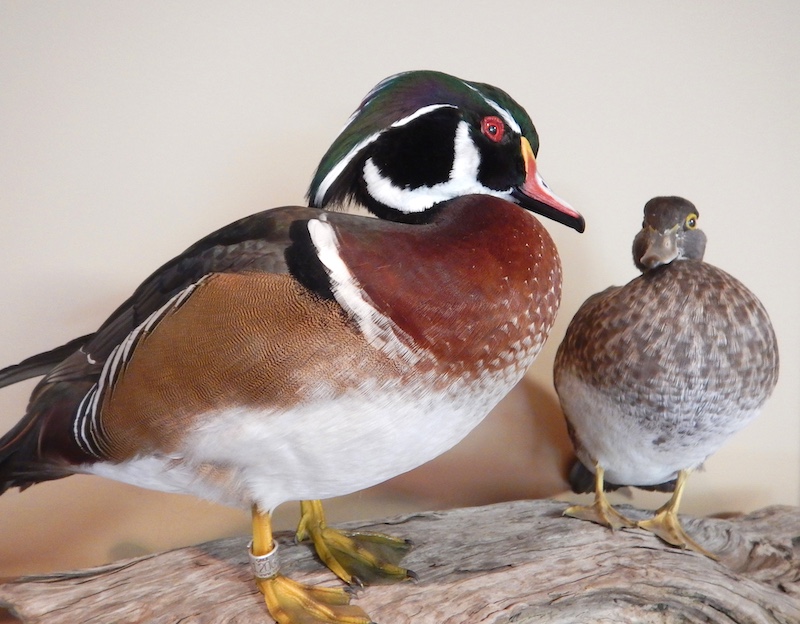
Federal law adds another layer of complexity. Under the Migratory Bird Treaty Act, it is illegal to possess a native migratory bird or its parts, including feathers, without a permit. There are exceptions for legally hunted waterfowl and other migratory game birds, so a duck or goose taken in season with the proper licenses and stamps can be mounted.
Possession of songbirds, hawks and owls is a different story. Federal guidance says personal possession of mounted nongame birds is prohibited, and there is no exemption for feathers found on the ground or taken from road- or window-killed birds. Eagles are protected by their own federal law, the Bald and Golden Eagle Protection Act.
If you find one of these animals dead, reach out to your local conservation officer and inquire about an educational permit. The species may be able to be mounted and donated to a school or other public facility. The cost of the mount is up to the individual to pay.
The federal Lacey Act, first passed in 1900 and amended in 1981 and 2008, makes it illegal to import, export, transport, sell, receive, acquire, or purchase fish or wildlife that was taken, possessed, transported, or sold in violation of federal, state, tribal or foreign law. It also prohibits falsely labeling wildlife. In plain terms, if an animal was taken illegally, moving it or buying it can become a federal offense, too, even if you were not the person who took it.
That matters when you are shopping. A dusty mount at an auction, estate sale, or online listing might be a bargain, or it might come with legal problems you inherit. Ask where, when, and how the animal was taken, and ask for documentation. If the seller cannot give it to you, pass on the deal.
CITES, the Convention on International Trade in Endangered Species of Wild Fauna and Flora, was signed in 1973 and requires permits and certificates when regulated specimens leave or enter a country. It is not just for African safaris. Bobcats and river otters taken in the United States are listed in CITES Appendix II, and international trade in their skins has to meet federal requirements, including tagging. If you plan to take a U.S. sport-hunted trophy out of the country, the U.S. Fish and Wildlife Service asks for documents such as a copy of the state hunting license under which it was taken. If you hunt abroad and want to bring a trophy home, contact the U.S. Fish and Wildlife Service before you book your trip as permits can take time and some species cannot be imported at all.
Hunting out of state and bringing a deer home? Illinois limits what parts of hunter-harvested deer and elk may be imported. Finished taxidermist mounts, deboned meat, cleaned skull caps with antlers, and hides are among the allowed items, but check the current list before you cross the state line. There have been several cases of famous hunters—social media and other online and TV show personalities—traveling in different states and not obeying the laws. The Lacey Act is one of the biggest tools to deter illegal crimes for these situations and having federal prosecution helps protect the animals.
Done right, taxidermy keeps a family’s hunting story alive for generations and reminds us why conservation matters. Choose a licensed taxidermist, keep your paperwork, know the law and never take a shortcut. Remember that those who take wildlife unlawfully steal from every sportsman. If you see a violation, contact your local Conservation Police Officer or the TIP hotline at 1-877-2DNRLAW (1-877-236-7529). Deaf and hearing-impaired callers can use 1-800-526-0644. All reports to the TIP program are confidential and are forwarded to a Conservation Police Officer for investigation.
Oh, and one more thing I learned about taxidermy, and this is an important lesson. Have a discussion with your wife or husband on where you’re going to hang that prized squirrel. They might have a different idea on where and how to enjoy the ever-lasting wildlife display.
Steven Beltran joined the Illinois Conservation Police in 2000, retiring as a Sergeant in northwest Illinois in 2024.





Submit a question for the author