All photos courtesy of Brodie Eddington.

All photos courtesy of Brodie Eddington.
Western Illinois native Brodie Eddington is turning a lifelong passion for the outdoors into a career protecting the state’s wildlife resources.
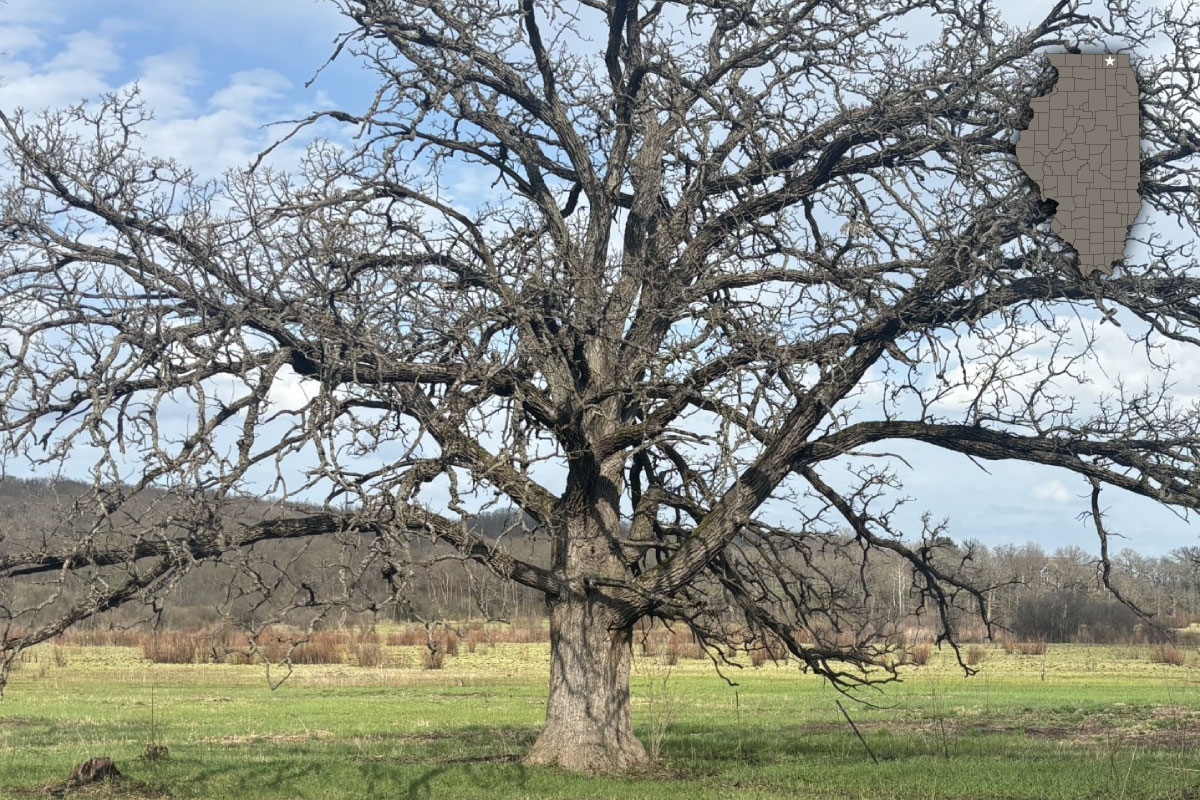
Having accepted the position as an Illinois Department of Natural Resources (IDNR) District Wildlife Biologist (DWB), Eddington now oversees wildlife management efforts across Jo Daviess, Stephenson and Winnebago counties in the state’s scenic northwest corner. His work centers on conserving and enhancing the diverse forests, prairies and river valleys of northwestern Illinois while providing quality outdoor recreation opportunities for visitors.
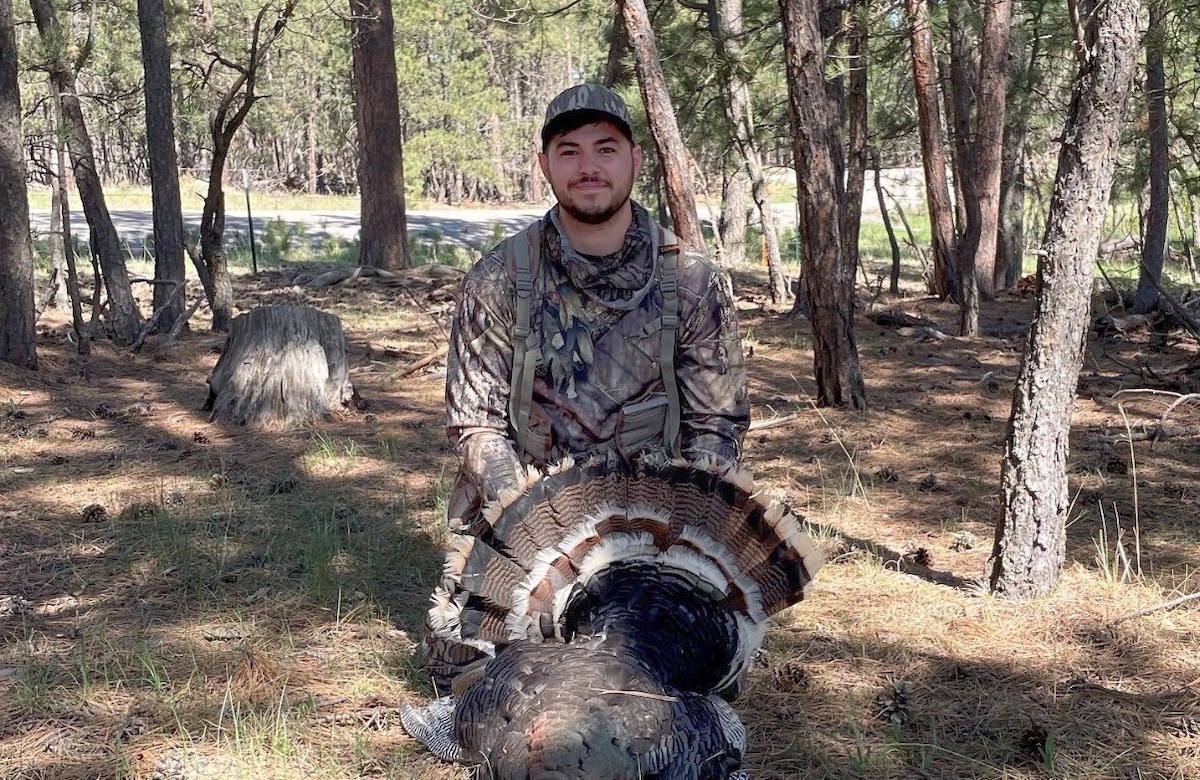
Eddington’s appreciation for wildlife began at an early age, thanks to countless hours spent outdoors with his father.
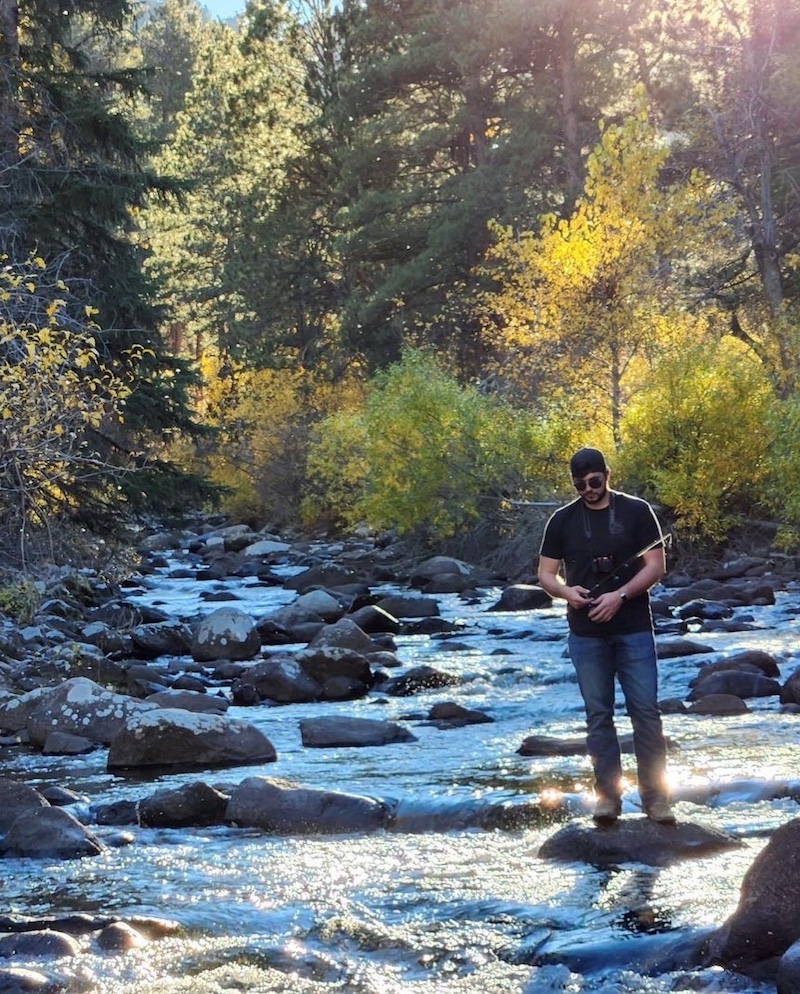
“My interest in the outdoors was instilled at an early age,” Eddington said. “Growing up, my father was an avid hunter who would always be sure to bring me along.”
Those early outings quickly developed into a lifelong passion.
“My time spent with my father led to a love for hunting, fishing, trapping and searching for morels.”
While those experiences fostered an appreciation for wildlife, Eddington’s interest in conservation as a career took shape during his time as a Summer Conservation Worker at Weinberg-King State Park. Working alongside park staff and district wildlife biologists, he helped improve wildlife habitat and monitor animal populations, gaining firsthand experience with the role science-based management plays in conserving Illinois’ natural resources.
“I really gained interest in natural resource conservation during my summers working at that Schuyler County park,” Eddington recalled. “I was able to work with site staff as well as district biologists to improve habitat and monitor wildlife.”
His interest continued to grow through several years of volunteering with the Central Illinois Goose Roundup, where he participated in monitoring resident Canada goose populations. Seeing wildlife management firsthand transformed a childhood passion into a professional goal.
“My desire to work for the Division of Wildlife was sparked by several years of volunteering with the goose roundup,” he said. “I found the process of directly participating in the monitoring of wildlife to be extremely important and fascinating work.”
Inspired by those experiences, Eddington earned a bachelor’s degree in Environmental Biology from Western Illinois University before beginning his professional career with Pheasants Forever and Quail Forever.
Over the next several years, he steadily expanded both his technical expertise and leadership responsibilities, eventually serving as Senior Farm Bill Wildlife Biologist. In that role, Eddington worked across five western Illinois counties while supervising four Farm Bill wildlife biologists serving northern Illinois. Working closely with private landowners, he developed Wildlife Management Plans, Prescribed Burn Plans and Conservation Reserve Program (CRP) habitat projects designed to improve wildlife habitat on working landscapes.
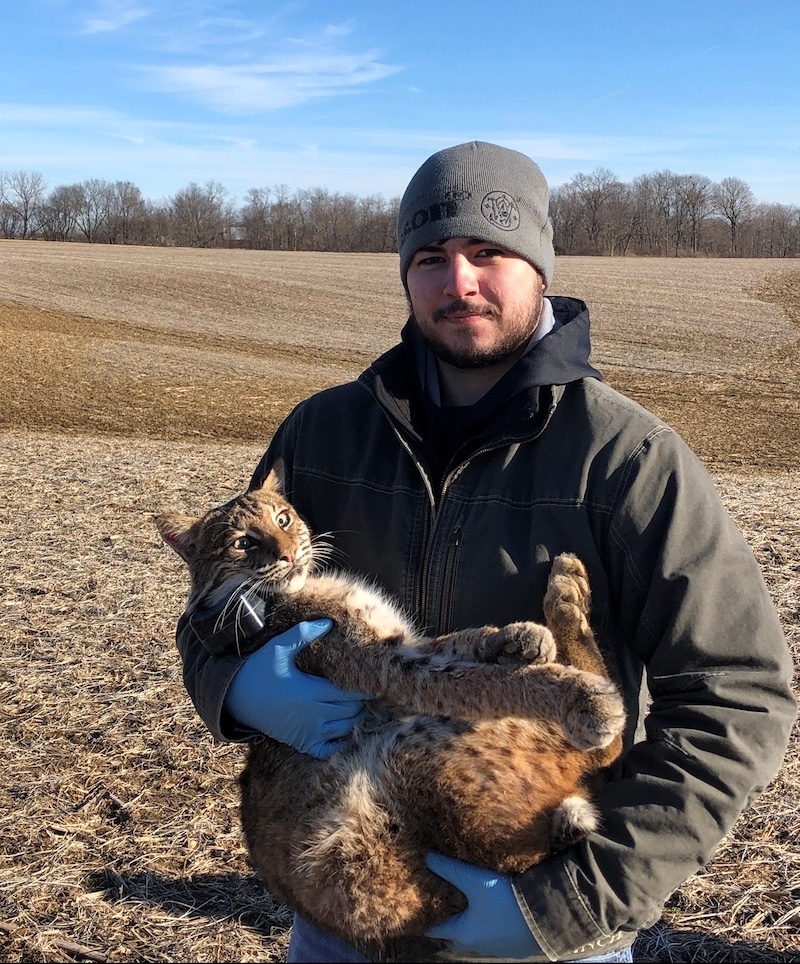
The broader philosophy behind Eddington’s work with Pheasants Forever—healthy ecosystems can emerge from work with a single species—shows in the projects he spent time in.
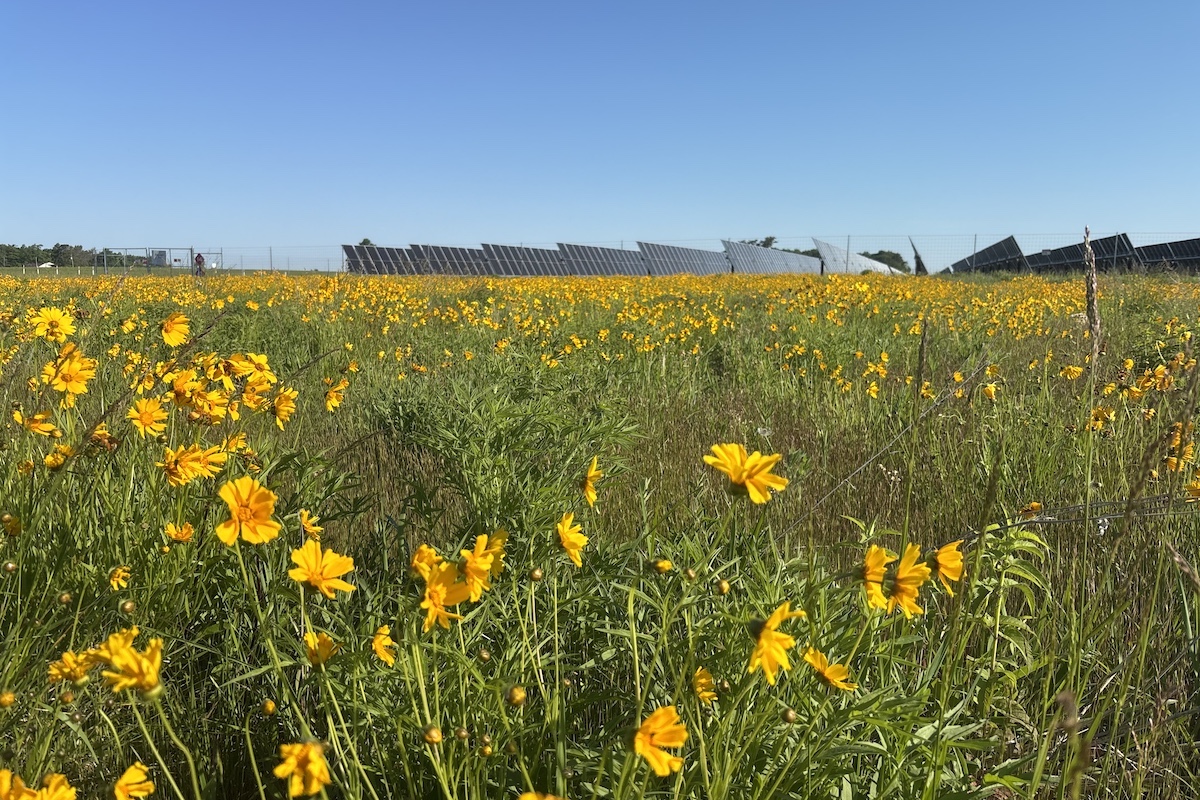
Among his many projects was addressing the spread of sericea lespedeza, an aggressive invasive species that threatens native grasslands throughout Illinois. Drawing from treatment methods used across western Illinois, Eddington evaluated both successful and unsuccessful management strategies before developing a standardized prescription for CRP land managers. The recommendations provided landowners with practical, science-based guidance for slowing the species’ spread while improving native habitat.
As he explored in his previous OutdoorIllinois Journal article, Frog and Quail are Friends, habitat restoration efforts for northern bobwhite quail were also a focus project during Eddington’s time with Pheasants Forever. These projects had a significant trickle-down effect, with habitat work completed to benefit quail also supporting Illinois chorus frogs, a state-threatened species, pollinators and countless other grassland species within the area. By focusing on ecosystem health and removing known invasives, sometimes focusing on an individual species, habitat improvements can create lasting benefits across an entire landscape.
Today, Eddington applies that same philosophy across some of northwestern Illinois’ most unique public lands.
His district includes Lake Le-Aqua-Na State Park, Rock Cut State Park and Apple River Canyon State Park, as well as several associated state-owned properties, including Iris & Jack Witkowski State Wildlife Area, the Apple River Canyon Salem Unit and Dublin Highlands Public Hunting Area.
Much of Eddington’s district lies within Illinois’ Driftless Area, one of the state’s most distinctive natural regions. Escaping the flattening effects of the last Ice Age, this unique 15,000-square-mile landscape lacks glacial “drift” and is characterized by rugged hills, deeply carved river valleys and striking karst geology. OutdoorIllinois Journal previously highlighted this remarkable region in The Driftless Natural Division: Rare Terrain the Glaciers Missed, offering readers a closer look at the unique geology and ecological communities that make northwestern Illinois unlike anywhere else in the state.
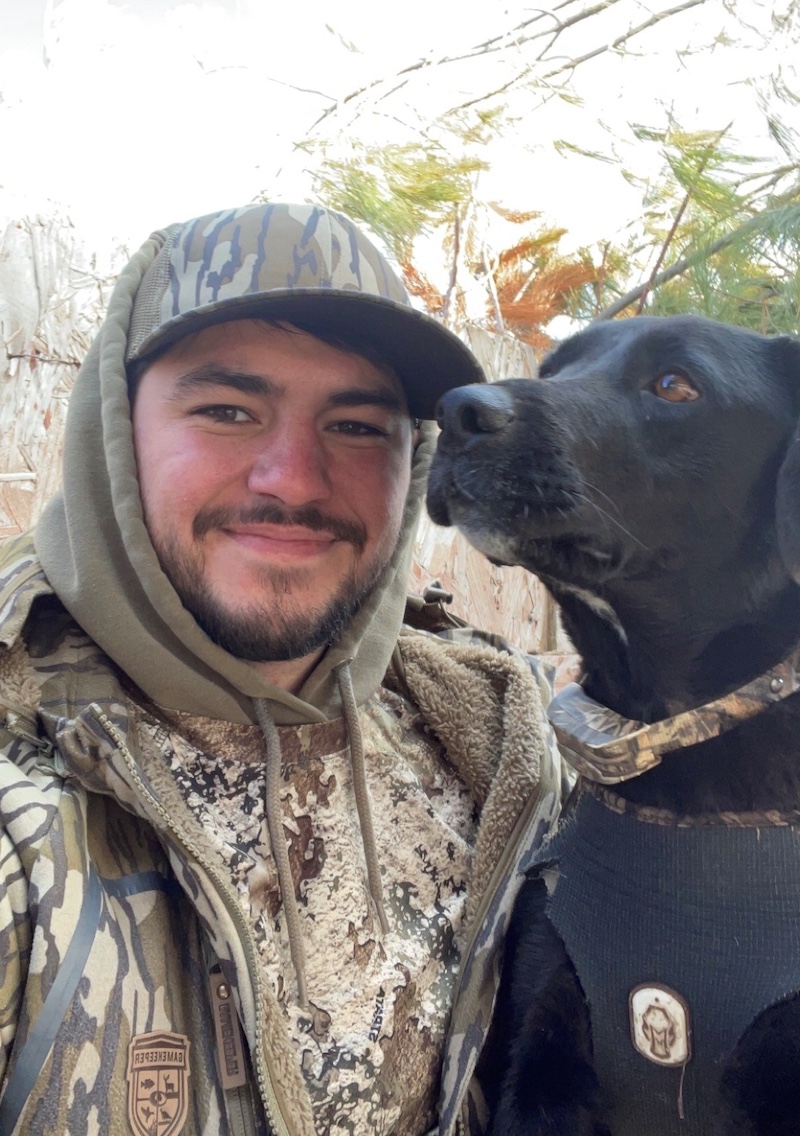
Managing wildlife habitat across such varied terrain presents both unique opportunities and challenges. Over the coming years, Eddington plans to focus on improving habitat quality while enhancing hunting opportunities throughout the district.
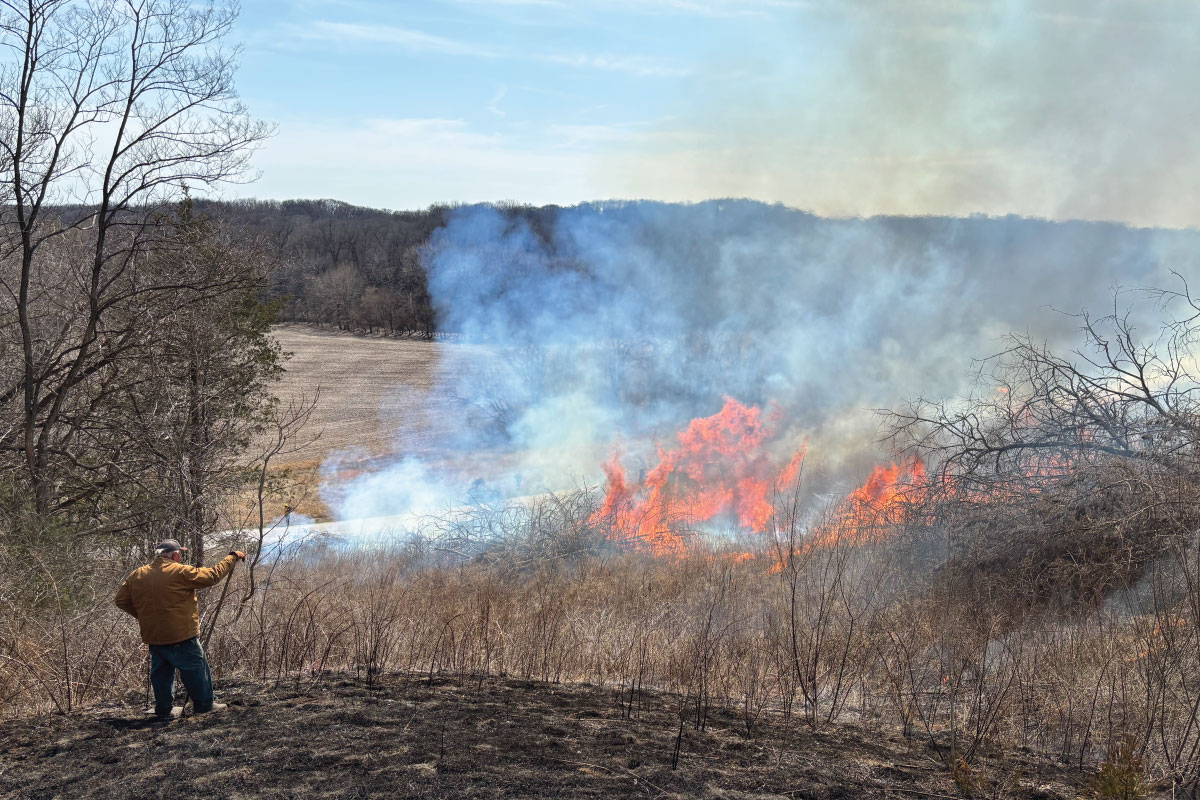
“My plans include prescribed fire and invasive species control to provide the best hunting opportunity for visitors,” said Eddington.
These methods are two of the most effective tools available for restoring native plant communities, improving forest and prairie health and creating diverse habitat for wildlife.
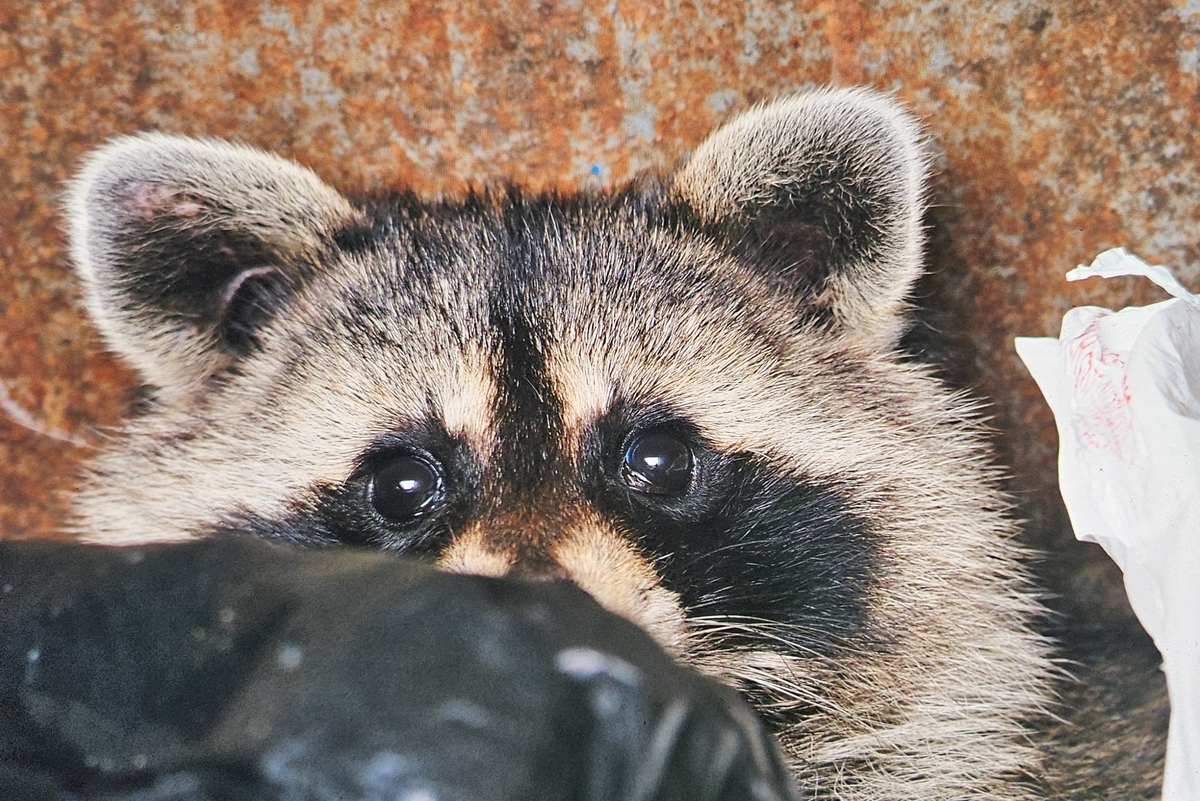
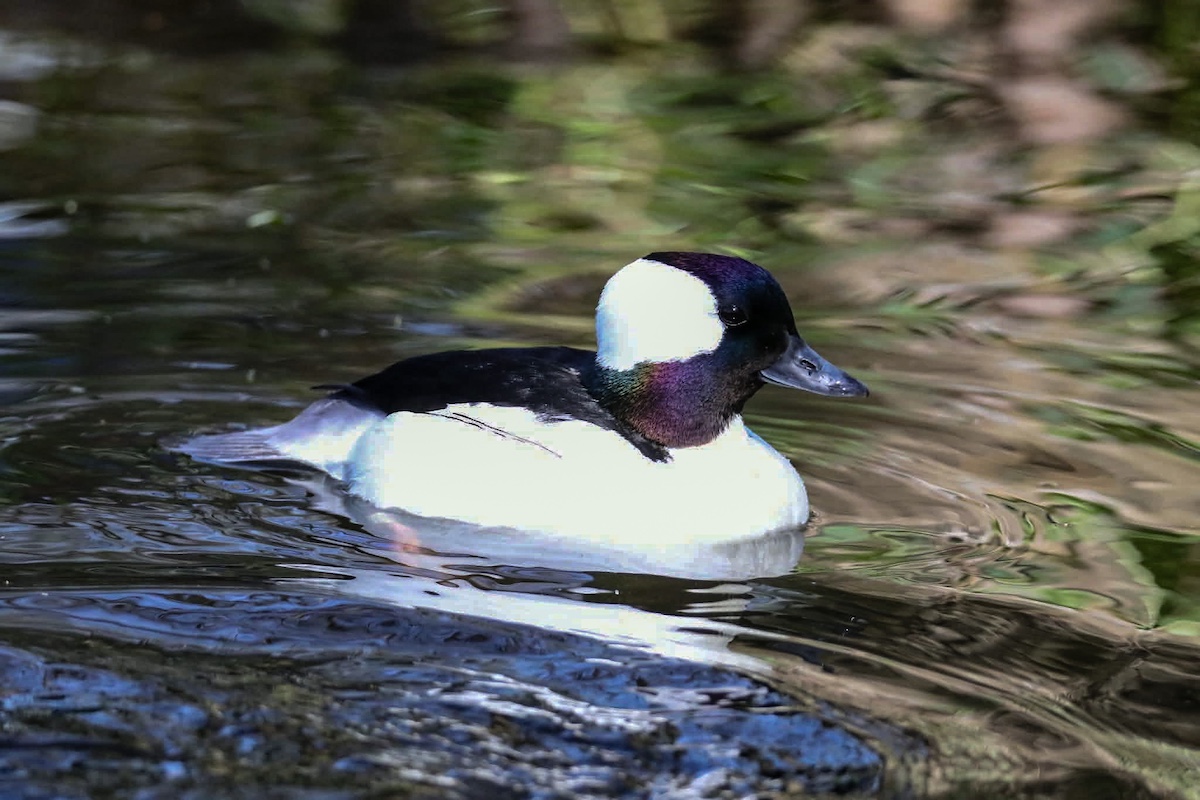
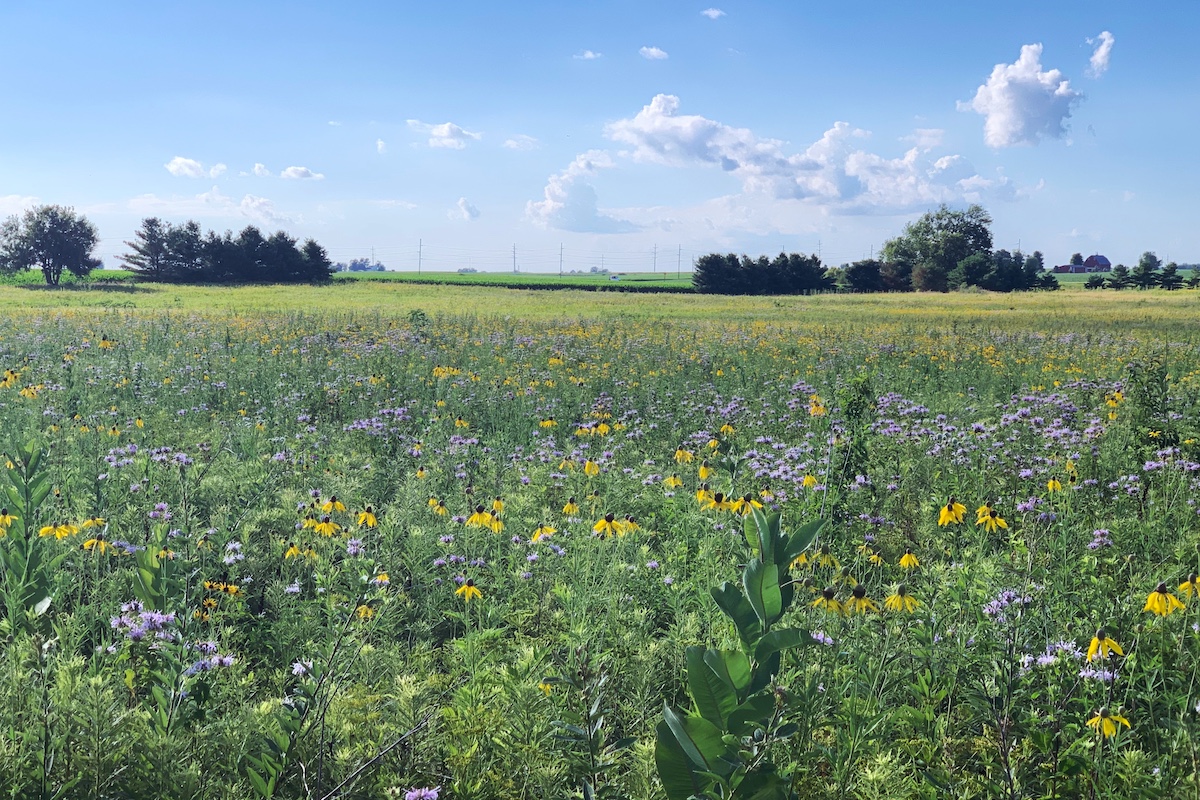
While these management practices improve recreational opportunities for hunters, their benefits extend well beyond game species. Restoring native forests, woodlands and grasslands provides nesting cover, forage and healthy ecosystems for songbirds, pollinators, reptiles, amphibians and countless other species that rely on quality habitat.
The same passion that began alongside his father in the woods of western Illinois now guides Eddington’s work as a District Wildlife Biologist in northwestern Illinois. Through thoughtful habitat management and science-based conservation, he is helping ensure that future generations can experience the same hunting, fishing, trapping and outdoor traditions that first inspired him to pursue a career in wildlife conservation.
Kaleigh Gabriel is a Wildlife Outreach Specialist with Lewis and Clark Community College, working out of the Illinois Department of Natural Resources building to assist the Division of Wildlife Resources. Growing up just between Sangamon and Christian counties, she spent a lot of her time hunting and fishing in Illinois. She received her bachelor’s degree in writing/journalism from Manchester University, Indiana.


Submit a question for the author