
All photos courtesy of the author.

All photos courtesy of the author.
By midsummer, hunting season can feel both frustratingly close and so far away. Your spring turkey gear has been packed away, and the first cold fronts of fall are nowhere to be found. But experienced hunters know that successful seasons are often built long before opening morning. Summer and early fall offer time to sharpen shooting skills, scout unfamiliar ground, repair equipment and connect with the people who can make the coming season more rewarding.
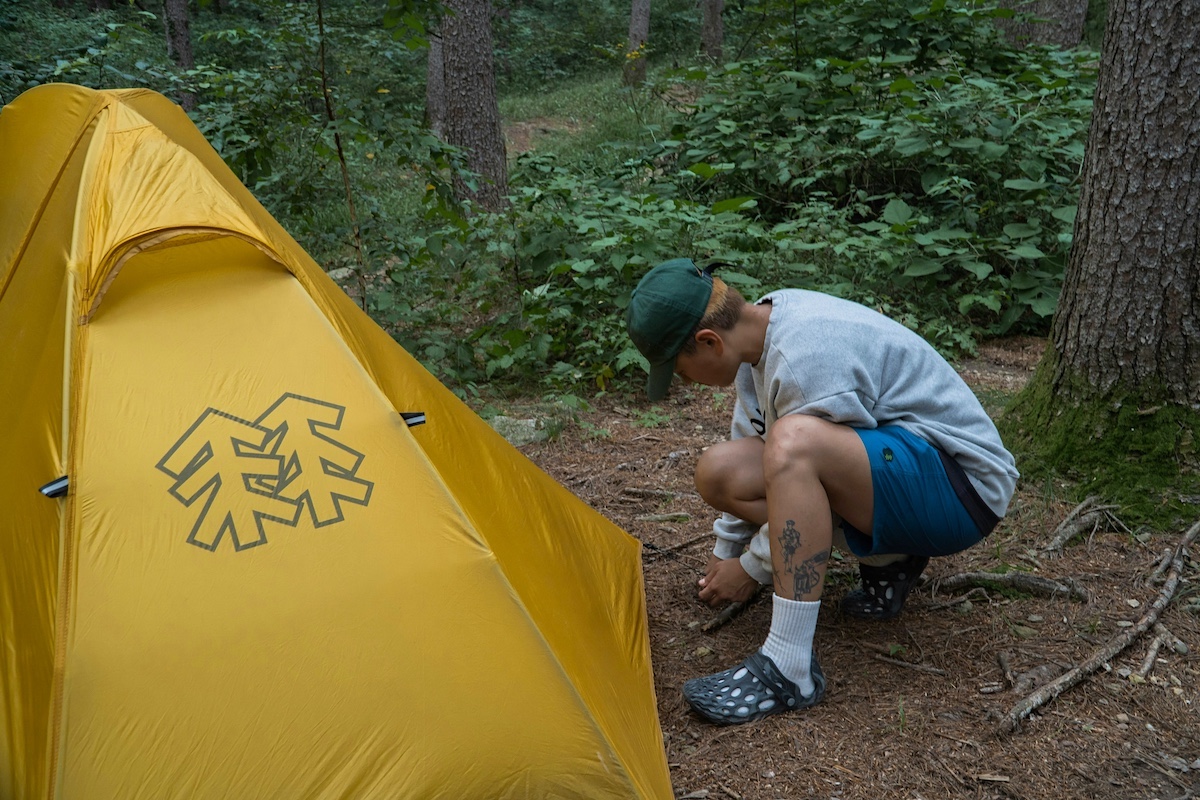
A good place to begin is with the equipment already stacked in the garage or tucked into a basement corner. Pull out your boots, packs, waders, tree-stand harnesses and hunting clothing before you need them. Check rubber boots and waders for leaks, inspect straps and buckles, and confirm that last year’s rain gear still sheds water. Wash clothing, organize ammunition and make a list of anything that needs to be repaired or replaced.
Physical preparation matters, too. Hunters don’t need to train like professional athletes, but several weeks of strenuous walking can make a major difference when carrying decoys across a marsh, climbing hills in southern Illinois or following your bird dog through heavy cover. Add a loaded pack, break in new boots and practice the movements that will be required during the hunt.
For Illinois bird hunters, however, one of the most valuable preseason opportunities may be found on a shooting field near you.
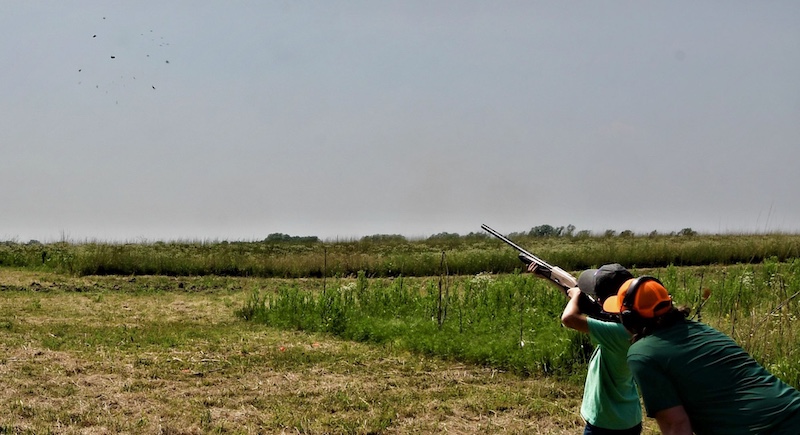
The Illinois Department of Natural Resources (IDNR) Wingshooting Program conducts clinics around the state from spring through early fall. These events are designed to make quality shotgun instruction available to youth, beginning adults and experienced hunters looking to improve their skillsets. Rather than simply standing at a trap field and firing at identical targets, which, don’t get me wrong is a ton of fun, participants can learn techniques that translate to actual hunting situations.
Introductory wingshooting clinics are built for beginner and novice shooters. Instruction generally covers firearm safety, shotgun fit, eye dominance, stance, mounting the shotgun and the fundamentals of hitting a moving target. Certified instructors work directly with participants, allowing them to correct problems that can be difficult to diagnose alone. Many clinics provide the necessary shotguns, ammunition, clay targets and eye and hearing protection, reducing one of the largest barriers facing someone who is curious about wingshooting but does not yet own equipment.
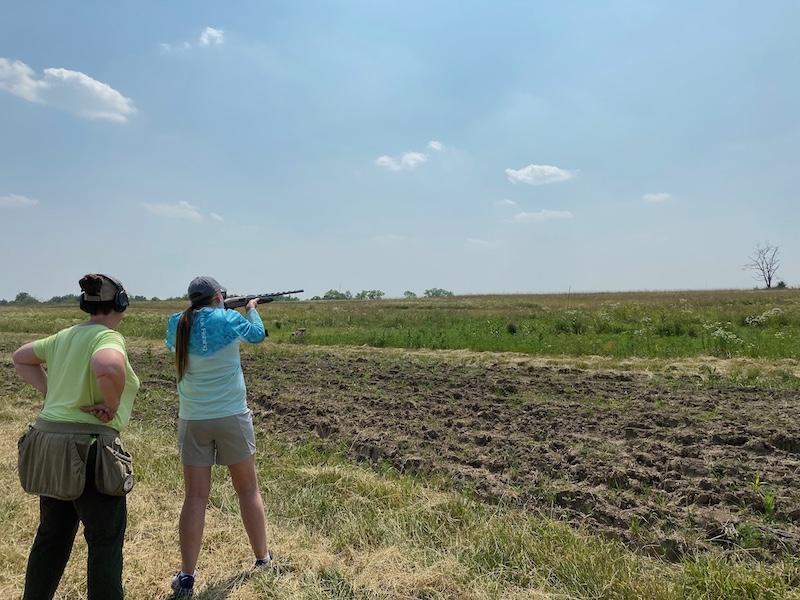
Some clinics are organized specifically for youth or women, creating an environment where participants can learn alongside others with similar levels of experience. Youth clinics can also give parents a safer and more structured alternative to trying to teach shotgun shooting on their own. Instruction is provided by the IDNR or National Sporting Clays Association-certified instructors who understand how to introduce moving-target shooting in manageable steps.
Hunter-level wingshooting clinics are intended for shooters who already understand the basics but want to become more effective in the field. Target presentations may imitate the flight paths and angles encountered while hunting pheasants, quail, doves or waterfowl. These clinics can help experienced hunters identify bad habits, improve consistency and practice shots they may encounter only a few times during an actual season. Clinics are scheduled throughout the state through mid-October.
To learn more or to register for a clinic today.
Shooting ability is only one part of becoming a successful hunter. Access, confidence and a dependable network of hunting partners can be equally important.
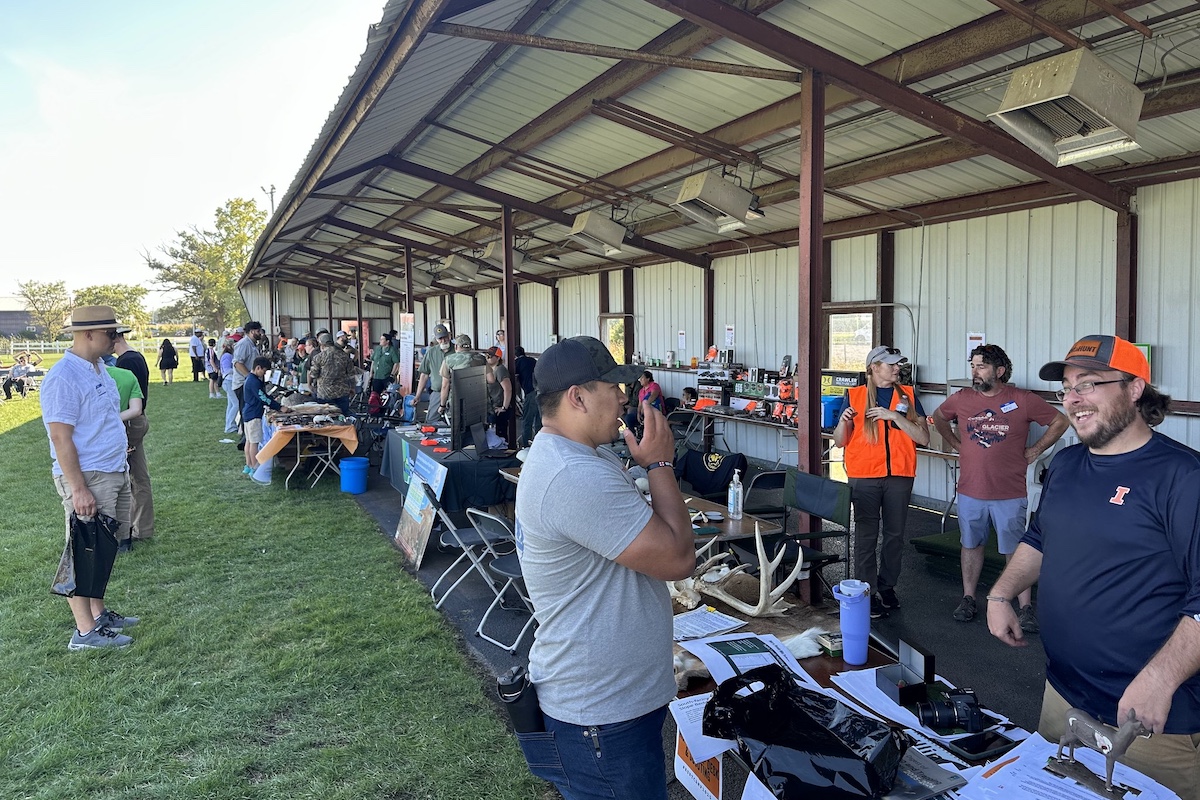
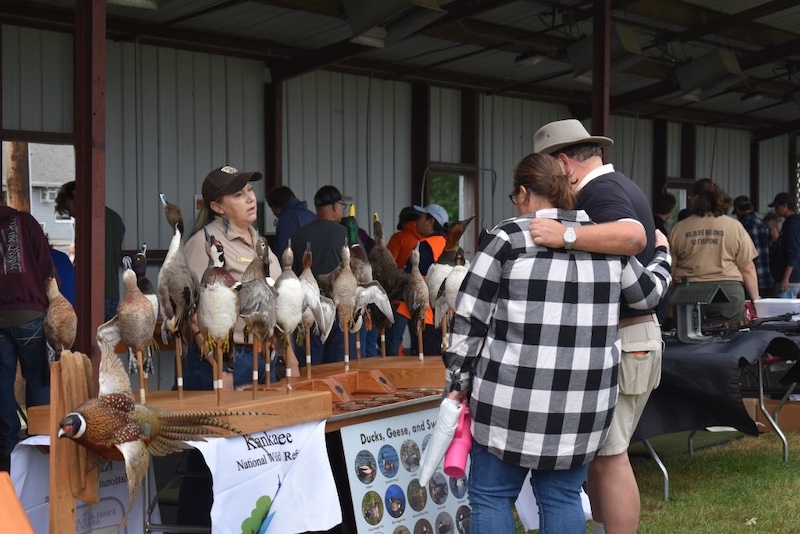
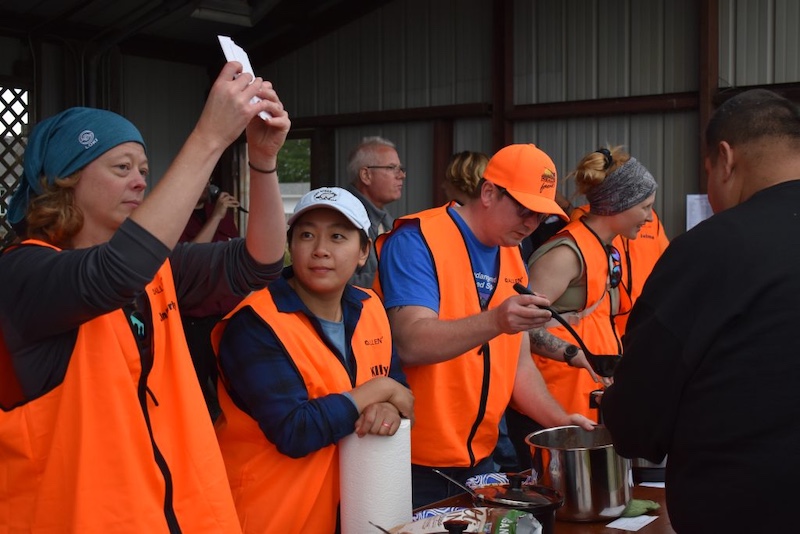
Conducted by Illinois Learn to Hunt and various partner organizations, Hunt Camp is a one-day social and educational event for adult hunters of all experience levels. It brings new hunters, experienced sportsmen and women, conservation organizations, mentors and outdoor educators together in one place. Participants can explore hands-on learning stations, sample wild-game dishes, meet representatives from Illinois outdoor organizations and learn about future educational and mentored-hunting opportunities. Previous stations have included subjects such as map reading, remote scouting, waterfowl identification, trapping, hunter safety, ask a biologist, gun-dog training, as well as numerous community focused conservation and hunting organizations.
The 2026 Illinois Hunt Camp is scheduled for September 26 at the St. Charles Sportsman’s Club in Elburn. This year’s event also includes an optional shotgun warmup, with firearms and ammunition provided, before the main Hunt Camp activities begin. Mentored hunts and outdoor equipment are also featured among the event’s giveaways.
Check out this site to learn more about Illinois Hunt Camp.
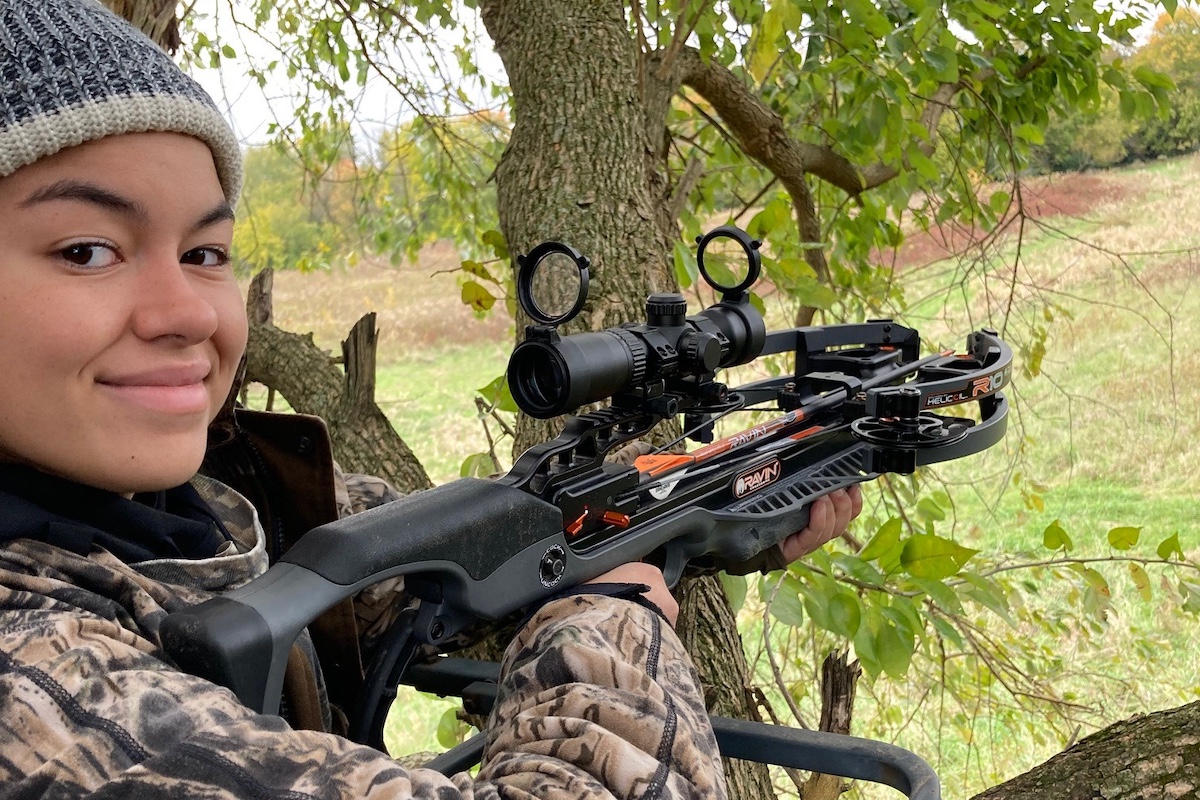
Opening day will arrive whether you prepare for it or not. Spend the remaining warm-weather weekends checking equipment, practicing with your bow and crossbow, building endurance, scouting habitat in advance of the hunting season and practicing with the tools you carry afield. Squirrel hunting opens in a few weeks; it is fun and is a great way to practice woodcraft and marksmanship. Better yet, attend a wingshooting clinic or Hunt Camp and learn alongside other Illinois hunters. When the first cool morning finally arrives, the preparation will show.
We hope to see you out there!
Dan Stephens is a Hunter Recruitment Specialist with the Illinois Natural History Survey. The Illinois Learn to Hunt program is a statewide program designed to teach adults (18+) why, where and how to hunt a variety of species in Illinois. Visit Illinois Learn to Hunt for more information or to sign-up for an event near you.





Submit a question for the author