
Photo by Chuck Traxler, USFWS.

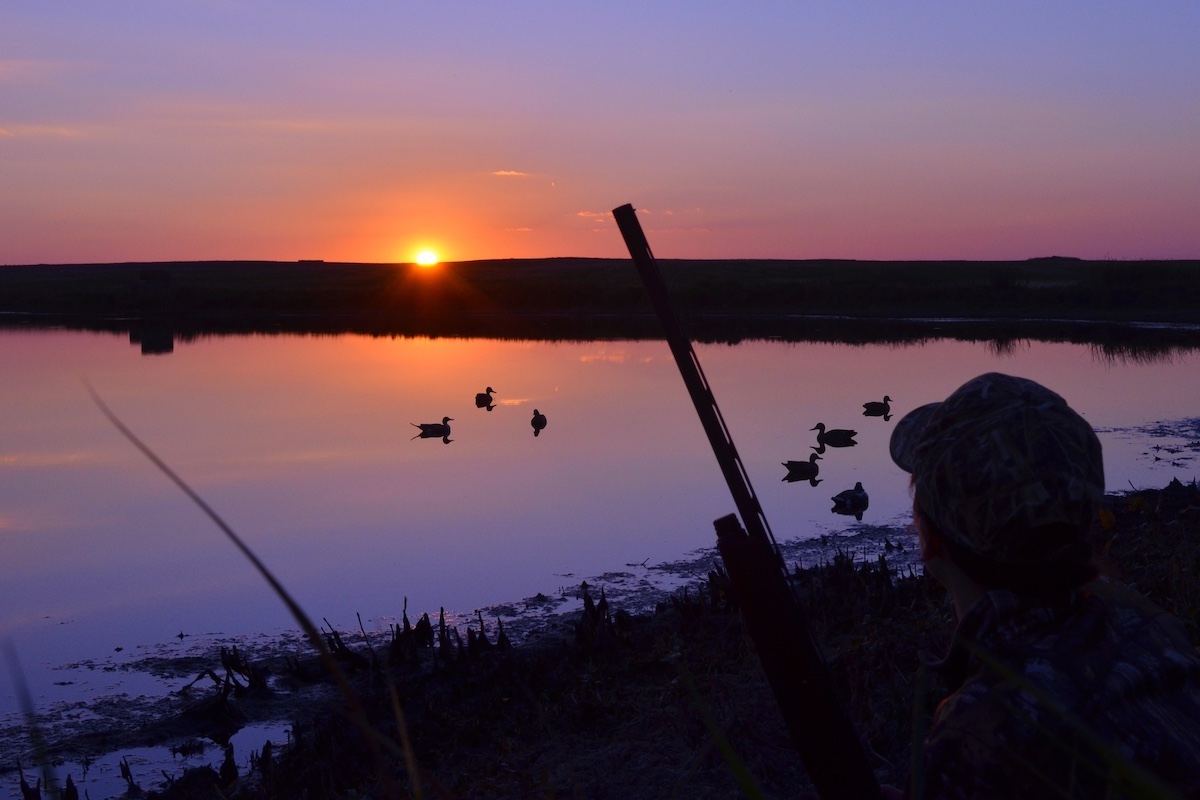
Photo by Chuck Traxler, USFWS.
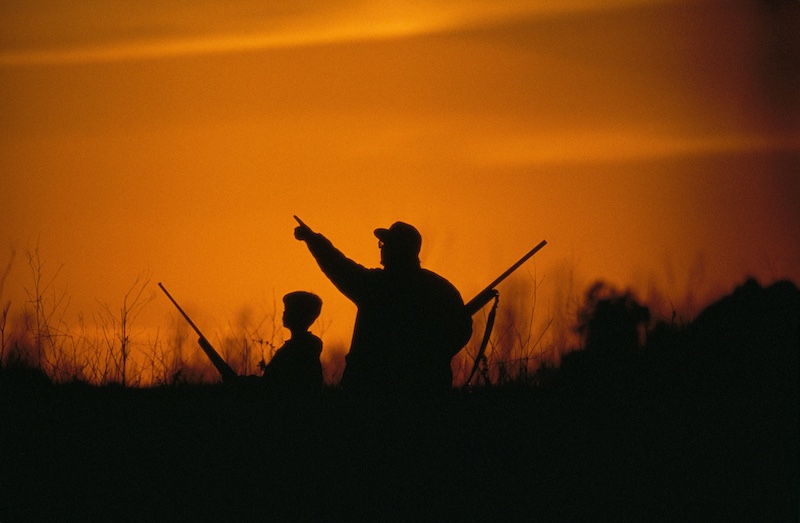
As temperatures cool and fall is upon us, waterfowl hunters throughout the state are eagerly awaiting the opening of waterfowl seasons in Illinois. As thousands of migratory ducks and geese make their annual trips south, the 2026-2027 waterfowl season offers new and exciting opportunities for Illinois’ waterfowl hunters. Incorporating information from the U.S. Fish and Wildlife Service (USFWS) and the Illinois Department of Natural Resources (IDNR), this forecast will provide insight into what hunters can expect this season.
Last month, the USFWS posted the results of the 2026 Waterfowl Breeding Population and Habitat Survey (WBPHS). This survey is a collaboration between state, federal and Canadian partners to assess waterfowl populations and key habitat conditions throughout the continent. In the Prairie Pothole Region (PPR) states, drought continues to plague key breeding areas for waterfowl, especially in the Dakotas. However, there was some improvement to the conditions in the Canadian PPR where habitats were somewhat wetter than last year. Pond numbers across the U.S. and Canada were up from 2025, but still below the long-term average (LTA).
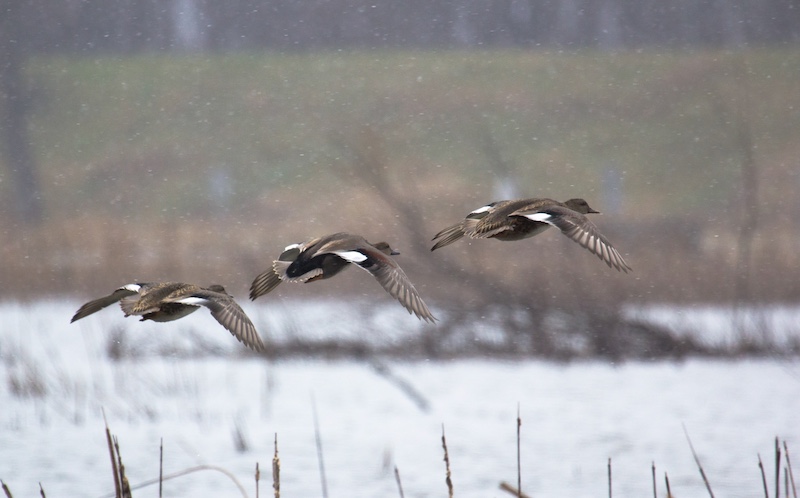
Despite some slight improvement in habitat conditions in Canada, the overall duck numbers in 2026 are estimated to be slightly less than 2025. The survey estimates around 33.5 million total ducks (500,000 fewer than last year), which represents a 2 percent decrease and still 6 percent below the LTA. Mallards specifically saw more than a 10 percent decrease from last year (5.9 million down from 6.5 million) and are now 26 percent lower than the LTA. Other common dabbler species (such as gadwall, American wigeon, teal species and northern pintail) also saw dips in abundance from 2025, although most are still above their LTAs (northern pintail and blue-winged teal being the exceptions). Conversely, the estimates for northern shovelers along with surveyed diver species (redheads, canvasbacks and scaup) showed increases in 2026, and all but scaup are above their LTAs.
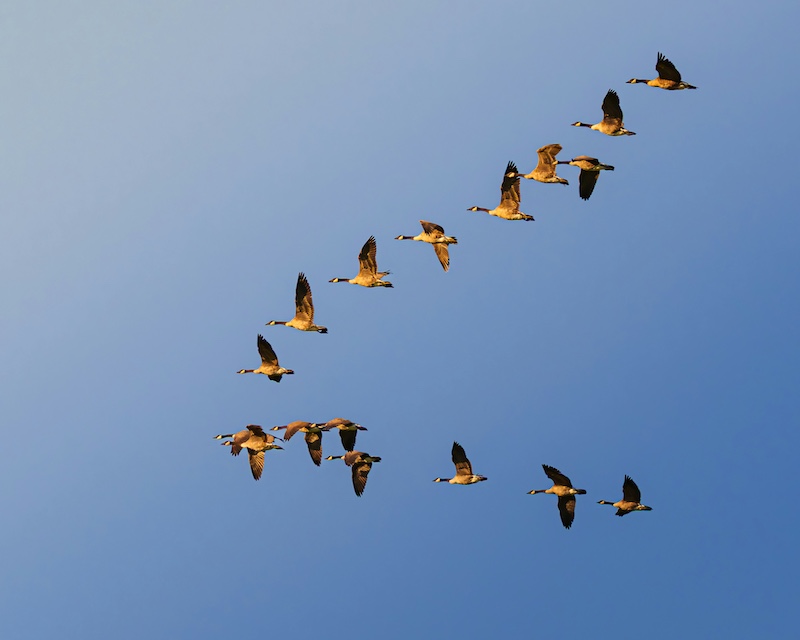
Geese are a staple of Illinois waterfowl hunting, and Illinois has a long history of harvesting large numbers of Canada geese, with light geese and white-fronted geese being readily available across the state as well. Throughout the Mississippi Flyway, the 2026 estimated breeding population of temperate-nesting Canada geese is 1.3 million. This estimate is relatively unchanged over the past few years, though a very slight decrease from 2025 (1.4 million). Illinois contributed an estimated 79,000 breeding Canada geese to the flyway-wide estimate this year, which is the lower than previous years. IDNR will continue to monitor local Canada goose populations to determine if this dip is an aberration or the beginning of a trend. Other populations of Canada geese that contribute to our harvest but breed in sub-arctic areas across Canada decreased in 2026, although some monitoring efforts in Canada were decreased due to helicopter availability. There are no changes to seasons or bag limits for Canada geese this season.
Light geese, which include snow geese and Ross’s geese, have seen population declines for several years, yet still have robust populations. Both species are above their population goals and are experiencing harvest within acceptable levels. Most banding locations across Arctic Canada this year showed average production for snow geese and Ross’s geese. Hunters will continue to have long seasons with liberal bag limits on light geese this season.
Mid-continent greater white-fronted goose (specklebelly) numbers continue to be stable at high numbers. White-fronted geese also exhibited average to good production across the banding stations in Arctic Canada this year. Illinois waterfowl hunters will enjoy another season with a two-bird daily bag limit for specklebellies.
The Prairie Pothole Region (PPR), known as the “Duck Factory” of North America, has been in varying levels of drought for several years. This region, encompassing portions of five states and three Canadian provinces, produces a significant portion of the continent’s waterfowl. Overall, wetland conditions across this region varied in spring/summer 2026. The U.S. portion of the PPR continued to see droughts and drier conditions, while the Canadians reported wetter conditions and good production. Ducks are resilient and will readily respond to favorable conditions once increased snowpack and precipitation returns to the prairies, filling up many of these basins. Ensuring plentiful wetland and associated upland nesting habitat are present on the breeding grounds when precipitation returns will allow duck populations to be sustainable into the future.
In Illinois, the availability of wetlands and food during migration is crucial in determining hunter success. Fall and early winter rainfall will play a significant role in determining how long birds remain in the state before moving further south. Mississippi River water levels are up, but the habitat appears to be in good shape. Untimely summer floods in the Illinois River Valley may limit vegetation growth and impact food availability in areas without levee protection. The seeds and invertebrates that these habitats provide will feed waterfowl while they are in the state and will encourage waterfowl to remain longer.
Last fall, IDNR reorganized the waterfowl hunting zones within the state to incorporate split-seasons (season starts, stops and restarts). The USFWS framework requires that states offering splits may only have a maximum of three waterfowl hunting zones. As such, the South Central and South Zones were combined to create a new South Zone. The North and Central Zones remain unchanged.
Now with three waterfowl hunting zones, the following waterfowl hunting seasons are offered in Illinois during fall-winter 2026-27:
Illinois boasts several prime hunting locations, from the wetlands of the Mississippi River to the large reservoirs and marshes scattered throughout the state. Here are a few areas where hunters are likely to have success during the 2026-2027 season:
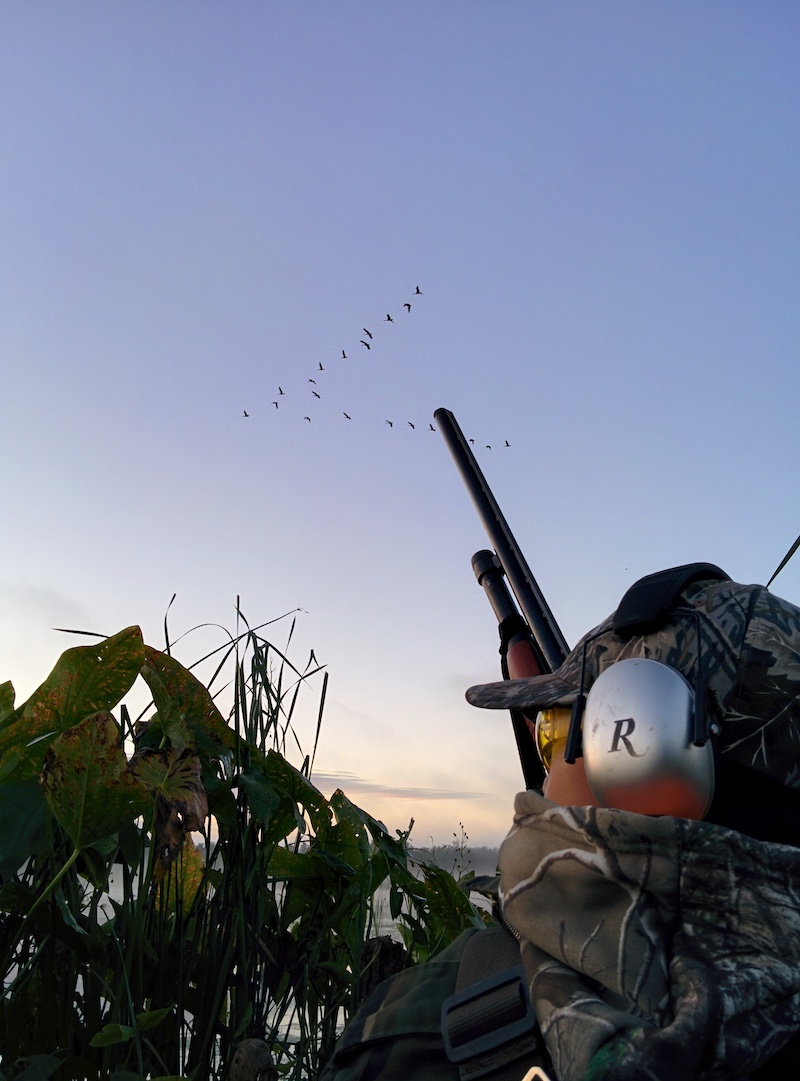
While the 2026-2027 waterfowl season looks promising, hunters should remain mindful of several challenges that can affect waterfowl migration through a particular area. Climate variability remains a significant concern, as changing weather patterns can disrupt migration timing and habitat availability. Warmer fall temperatures can delay migrations, pushing peak hunting opportunities later into the season. Conversely, early cold snaps in the northern Midwest can force large numbers of waterfowl into Illinois early, creating a brief but intense window of opportunity for hunters.
Precipitation, or lack thereof, can also make or break a season. Heavy rains during early fall can destroy wetland vegetation and wash away desirable forage for ducks and geese while a lack of rain will leave lots of food unavailable to waterfowl. Small precipitation events throughout the season are ideal for recharging wetlands, increasing food availability and offering sporty weather for duck hunters.
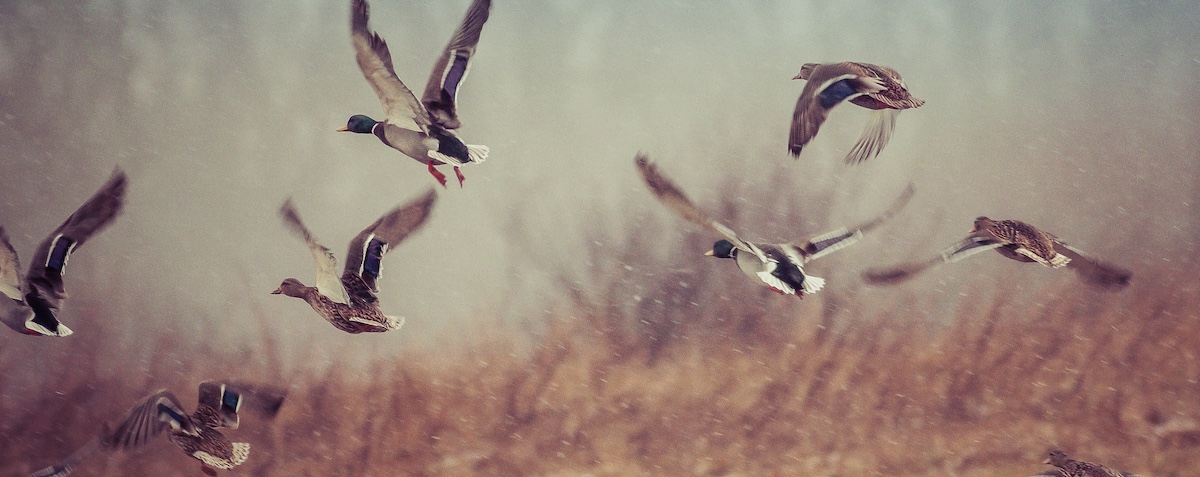
Regardless of the population numbers or the habitat conditions, waterfowl hunters are always looking forward to getting back out into the marsh, and hunters still have a lot to look forward to with relatively stable duck populations and good production for most of our goose species. Whether you’re targeting mallards in the Illinois River Valley or snow geese in the southern part of the state, the opportunities for a successful season are abundant. Illinois waterfowl hunters have a lot to look forward to during the 2026-2027 waterfowl season.
Ben Williams is the IDNR Division of Wildlife Resources Urban Waterfowl Project Manager.




Submit a question for the author