
Photo by Kevin Irons.

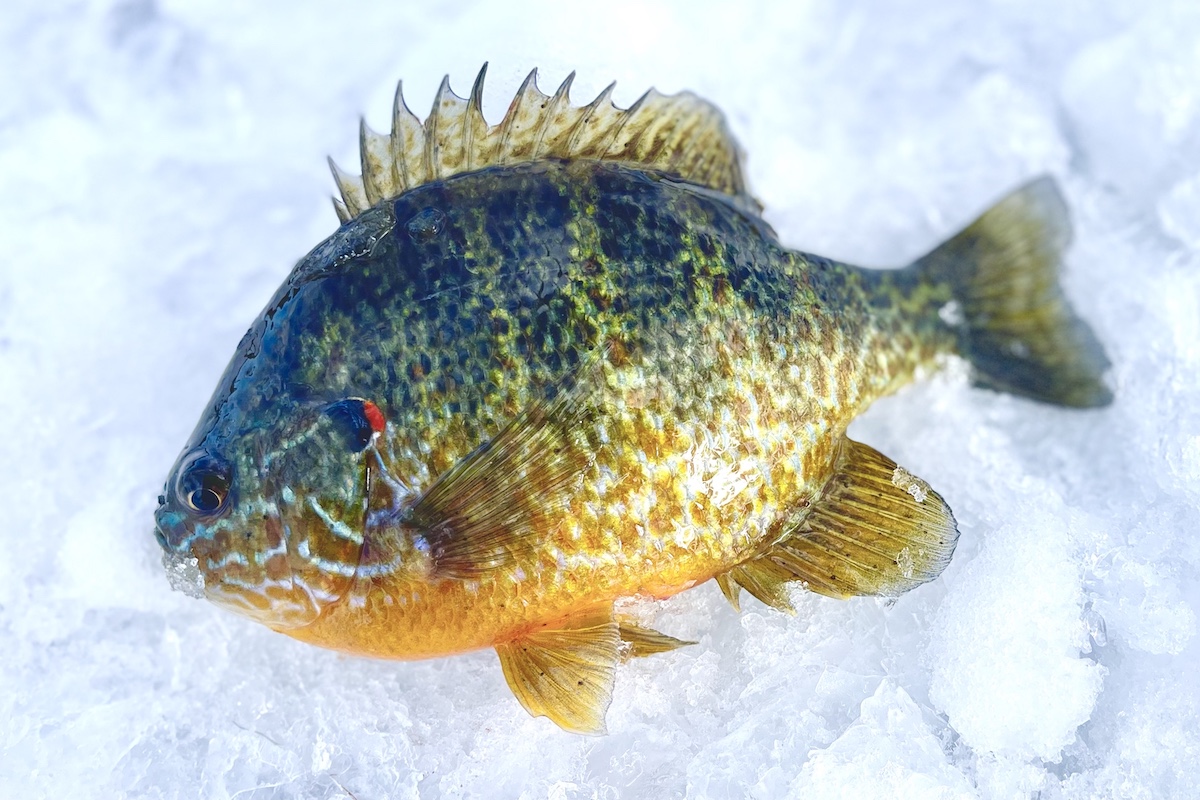
Photo by Kevin Irons.
There is a distinct, hollow groan that ice makes just before it gives way. For those patrolling the frozen lakes and rivers of Illinois, it is a sound that precedes a frantic, high-stakes rescue. Over my 25 years serving as a Conservation Police Officer, I’ve heard that sound and dealt with the aftermath more times than I care to remember. Ice fishing is a cherished winter tradition here, a way to beat cabin fever and pull some beautiful crappie, walleye or perch through the hardwater. But the margin between a great day on the ice and a life-threatening emergency is often measured in just a few inches. The beauty of the frozen landscape can easily mask the hidden dangers lurking just beneath the surface, making it imperative for anglers to approach the ice with deep respect, thorough knowledge and uncompromising preparation.
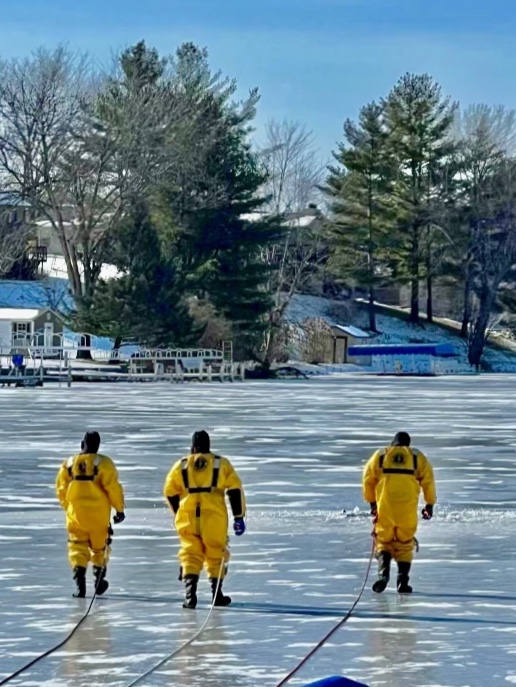
Early and late ice are the most unpredictable times of the season. You might have 6 inches of clear, black ice near the boat ramp, giving you a false sense of security. But walk 50 yards out, near a pressure ridge, a submerged spring, or a current seam, and that solid sheet can turn into a honeycombed trap less than an inch thick. Ice strength can change rapidly depending on weather fluctuations; thick ice often becomes rotten and unstable after a winter rainstorm, and new ice is almost always stronger than old, honey-combed ice. In a rescue scenario, every second counts. The human body loses heat 25 times faster in cold water than in cold air. The initial cold shock response causes involuntary gasping, if your head goes under during that gasp, the situation turns fatal almost instantly.
Illinois Conservation Police train extensively for ice rescues. We carry throw bags, ice awls and wear specialized buoyant flotation suits. But the reality is, when someone goes through, the initial response usually relies on the people immediately around them. By the time a 911 call is made, a dispatch goes out, and an officer or fire rescue team arrives on the scene, 10 to 15 minutes have likely passed. In freezing water, that is an eternity. This is exactly why personal responsibility and carrying the right gear are the most critical components of ice fishing safety. Out on the frozen water, you must act as your own first responder.
The lessons from these close calls are simple, brutal and non-negotiable. First, never assume ice thickness is uniform across a body of water. A spud bar, or heavy ice chisel, is your absolute best friend. Use it to aggressively check the ice ahead of you with every step when venturing out onto new or changing ice. If the spud bar punches through with one hard strike, turn around immediately. Before heading out, you should also consult local authorities or staff at local bait shops for specific ice conditions. As a standard safety rule, 5 inches of clear, new ice is the absolute minimum required for safe travel on foot or safe ice fishing.
Beyond measuring thickness, you must learn to read the ice and the surrounding environment. Avoid gray ice entirely, as its color indicates the presence of water within the structure, making it extremely dangerous. Clear, blue ice is the strongest and safest, while white or cloudy ice contains trapped air bubbles and is only about half as strong as clear ice.
Wildlife plays a surprisingly significant role in localized ice conditions, and observing animal activity is a vital safety skill. Certain animals can dramatically weaken ice structures. Beavers and muskrats are highly active under the ice throughout the winter. Their lodges, bank dens, and the underwater trails they frequently travel often have significantly thinner ice above them due to the movement of the water and the animals’ body heat. Furthermore, congregations of waterfowl, such as Canada geese, can keep large pockets of water open long into the freezing process through their constant movement. Even after these pockets finally freeze, the ice remains dangerously thin compared to the surrounding areas. A visible beaver lodge, a cluster of muskrat huts or evidence of recent bird activity should serve as a clear, immediate warning sign to give that entire area a very wide berth.
While wildlife can pose a hazard to ice integrity, the frozen lakes also offer an incredible vantage point for observing nature. It is common to see bald eagles soaring over open river channels looking for fish, or white-tailed deer carefully picking their way along the frozen shorelines. However, never let the distraction of the scenery compromise your situational awareness regarding the ice beneath your boots.
Second, wear a buoyant flotation suit or at least a Coast Guard-approved life jacket. It sounds cumbersome, but modern gear is specifically designed for exceptional comfort and mobility. If you go through, the built-in buoyancy keeps your head above water and prevents you from fighting a losing physical battle to stay afloat while heavy, waterlogged winter clothing drags you down.
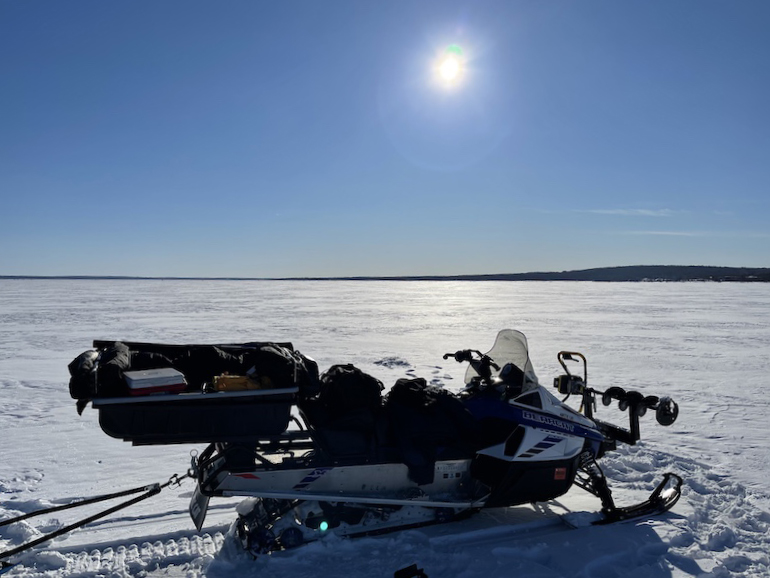
There is a critical exception to the life jacket rule: do not wear a flotation device if you are traveling across the ice inside an enclosed vehicle. If you plan to use a snowmobile or ATV, you need at least 5 inches of clear ice. For a car or light truck, the ice must be 8 to 12 inches thick. Venturing out on machines adds immense weight and risk. If a vehicle breaks through the ice, the buoyancy of a life jacket can physically trap you inside the cab against the roof, making escape nearly impossible. Countless snowmobiles and ATVs end up at the bottom of lakes every season because operators misjudged the thickness or drove over hidden structural weaknesses.
Third, keep ice picks easily accessible. Not in your pocket, not buried in the bottom of your sled, but right around your neck. If you fall in, your wet, freezing gloves will slide right off the slick surface of the ice as you try to pull yourself out. Ice picks give you the sharp, mechanical grip needed to aggressively drag your body weight back onto the solid shelf. Additionally, always bring a highly visible throw rope that is at least 50 feet long. If someone falls through, this simple tool allows you to help them from a safe, stable distance without putting yourself in immediate danger of falling in alongside them.
When an emergency strikes, the psychological battle is often just as challenging as the physical one. The sudden, agonizing shock of breaking through the ice induces a powerful panic response. Managing this panic is the most critical hurdle to your survival. You must force yourself to take deep, controlled breaths to counter the hyperventilation. If you find yourself in the water, keep your winter gear on; your clothing will temporarily trap a layer of water against your body, which your body heat will warm, helping to insulate you. Orient yourself toward the exact direction you came from, as the ice in that direction supported your weight just moments before, making it the most reliable path to safety. Place your hands and arms on the unbroken surface, strike your ice picks deeply into the ice, and kick your legs vigorously to propel yourself up and out of the water in a horizontal swimming motion. Once you are successfully out, do not stand up. Roll or low-crawl away from the hole to distribute your body weight over a much larger area of ice.
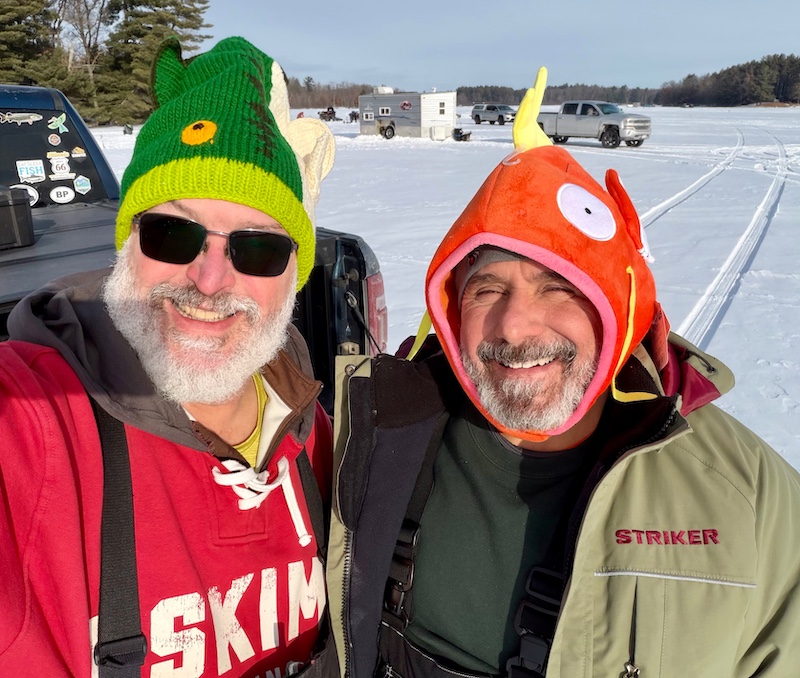
If a companion breaks through, keep calm and quickly think out a solution; do not rush up to the edge of the hole, or you will likely break through the weakened ice as well, creating two victims instead of one. Extend a long item from the shore, throw a rope, or push a sled, ladder or boat ahead of you for them to grab onto. Once rescued, getting the victim warm and seeking professional medical attention is critical. Even if they appear fine and are shivering, they can suffer from a potentially fatal condition known as “after drop.” This phenomenon occurs when cold blood that had pooled in the extremities begins to rapidly circulate back to the body’s core as the victim re-warms, causing a sudden, dangerous drop in core body temperature that can lead to cardiac arrest.
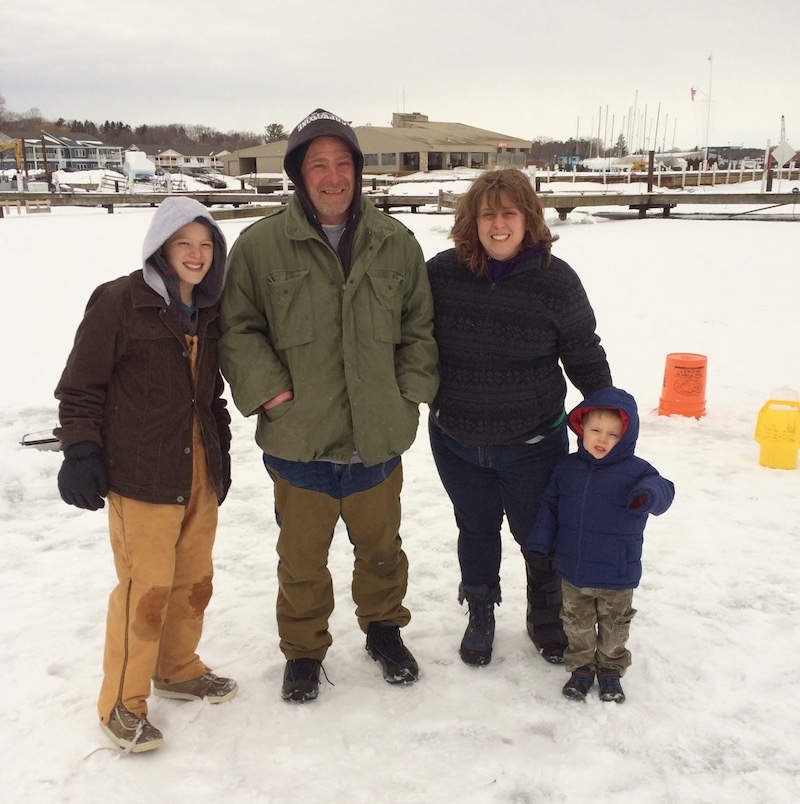
Proper clothing is another essential aspect of fundamental ice fishing safety. Always dress in specialized layers, starting with a moisture-wicking base layer next to the skin, an insulating middle layer like fleece or wool, and a waterproof and windproof outer shell. Avoid cotton materials completely, as cotton retains sweat and environmental moisture, losing absolutely all of its insulating properties when wet. Wear heavily insulated, waterproof boots with aggressive traction, and strongly consider wearing metal ice cleats or crampons to prevent catastrophic slips and falls on smooth, wind-swept surfaces. Protect your extremities by wearing quality gloves, a warm hat and a face covering to prevent frostbite. It is also highly recommended to keep an entire change of dry clothes sealed in your vehicle; having dry clothing immediately available if you happen to get soaked from a minor slip could save your life.
Never ice fish alone. Utilizing the buddy system significantly reduces your overall risk profile. Always fish with at least one other person and ensure you maintain visual and voice contact throughout the day. Create a reliable communication plan, let a responsible person know exactly where you are going and when you expect to return, and strictly adhere to that schedule. Carrying a fully charged communication device, like a cell phone sealed in a floating waterproof case, is crucial. Avoid consuming alcohol while on the ice; it drastically impairs judgment, slows physical reaction times, and contrary to popular myth, it actually accelerates hypothermia by dilating blood vessels and pulling heat away from your vital organs.
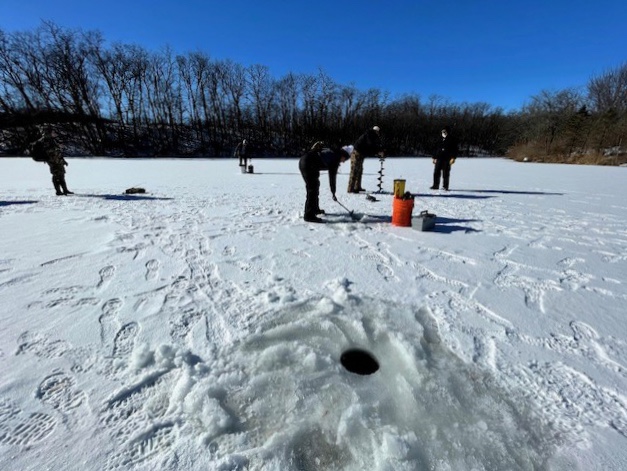
Ice shelters, or shanties, are a popular way for groups and families to stay out of the biting wind, offering a comfortable basecamp during your excursion. However, they introduce unique hazards. Portable heaters used inside shelters can produce lethal carbon monoxide gas. Always ensure your shelter is adequately ventilated. When setting up a shelter, you must also be mindful of your footprint and local regulations.
Finally, as we utilize these resources, we must remain good stewards of the environment. Follow responsible bait practices by only using commercial bait purchased for that specific body of water and dispose of unused bait in the trash rather than dumping it on the ice. Brush off mud, ice, and plant debris from your augers and sleds to prevent the spread of invasive species such as zebra mussels.
The most successful rescues are the ones that never have to happen because an angler decided that a bucket of bluegill wasn’t worth risking a plunge through the ice. We all deeply love the outdoors, but no catch is worth a life.
As conservation officers, our primary goal isn’t just to enforce the rules; it’s to make sure absolutely everyone makes it home safely to their families at the end of the day.
Steven Beltran joined the Illinois Conservation Police in 2000, retiring as a Sergeant in northwest Illinois in 2024.





Submit a question for the author