Photo by Dee Hudson.

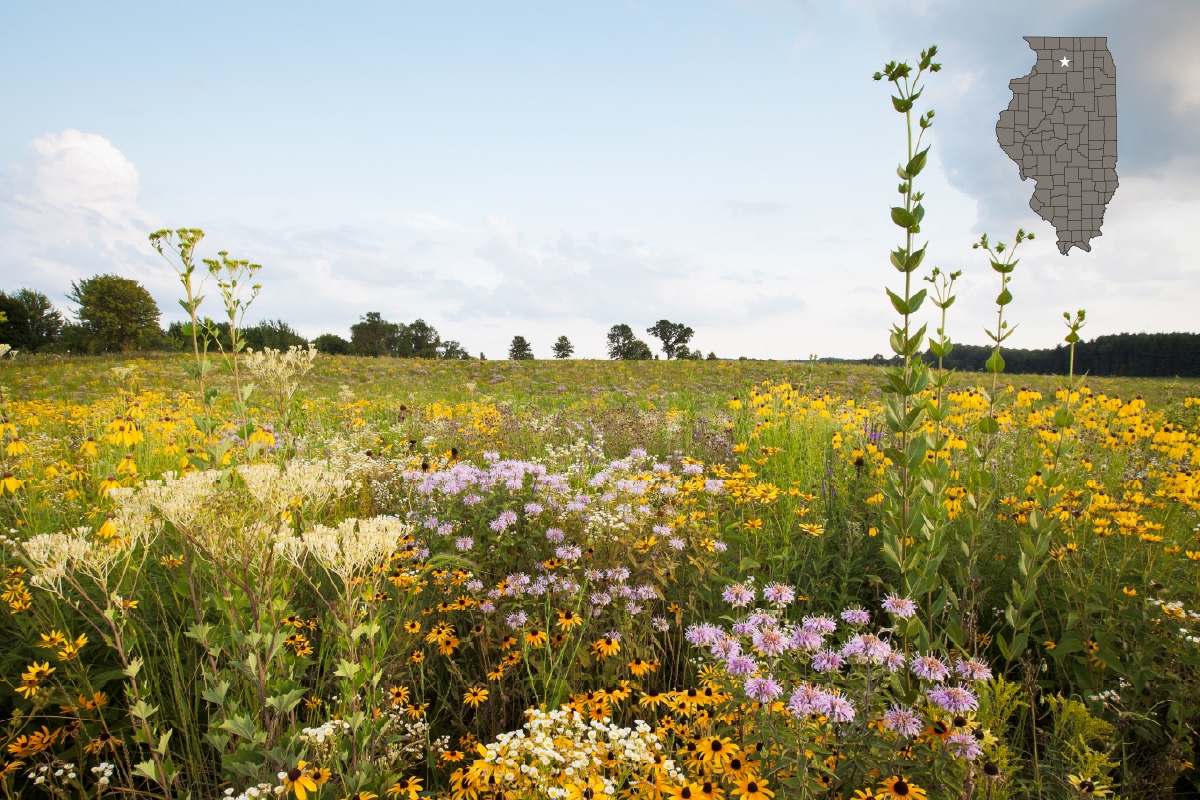
Photo by Dee Hudson.
“Like other mindful practices, ecological restoration can be viewed as an act of reciprocity in which humans exercise their caregiving responsibility for the ecosystems that sustain them. We restore the land, and the land restores us.” Robin Wall Kimmerer, Braiding Sweetgrass
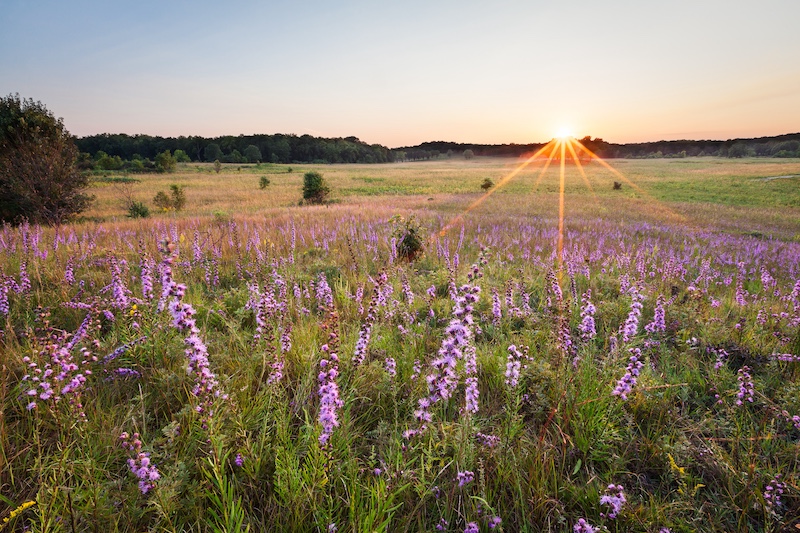
In the 1980s, conservationists in Illinois were thinking deeply about the next phase of protecting and stewarding habitat for the future. High-quality habitats are essential to overall habitat conservation, certainly for rare and declining populations. However, most of these areas were small, isolated spaces. For Illinois wildlife and habitat to truly thrive for future generations, strategic larger areas were needed.
The Nature Conservancy (TNC) and conservation minded residents of Lee and Ogle counties in northwest Illinois saw potential in a landscape matrix of row-crop farms with hilltops covered in native plants and rare upland sandpipers flying overhead. The vision was to restore key areas and weave back together several isolated grassland communities to bring an ecosystem back from the brink. When several hundred acres of this landscape came up for sale in 1986, TNC, volunteers, and donors rose to the occasion, purchasing around 400 acres and establishing TNC’s Nachusa Grasslands Preserve. Now, 40 years later, Nachusa Grasslands encompasses more than 4,000 acres of mostly restored tallgrass prairie and savanna habitat. The preserve hosts more than 700 native plant species, 245 bird species, and a herd of 100 American buffalo (Bison bison). This place is the result of a strong community of people bringing vision and action to steward habitat.
Stewardship is commonly defined as “the careful and responsible management of something entrusted to one’s care.” This definition implies the work is done for future generations, who will take on stewardship in their own time. The term stewardship can also respectfully create space for many Indigenous world views which center relationships, reciprocity and responsibility within their lifeways. “Stewardship” has always been a verb of choice for Nachusa Grasslands. It embodies the long-term, bold commitment from a community of people to care for a place, to build relationship, to humbly learn, and to share this ethos with each other and the land.
Stewardship at Nachusa Grasslands began right away with regular workdays in which volunteers and staff worked side by side. These folks learned the landscape. They removed introduced species that were crowding out prairie plants. Folks collected seeds and planted the first restored prairies in the fall of 1987. Prescribed fire became a regular management tool, returning an essential ecological force that had shaped this ecosystem for millennia. Careful long-term planning coupled with enthusiastic action on the ground has pushed Nachusa Grasslands to always look for ways to better support a biodiverse, highly functioning grassland ecosystem.
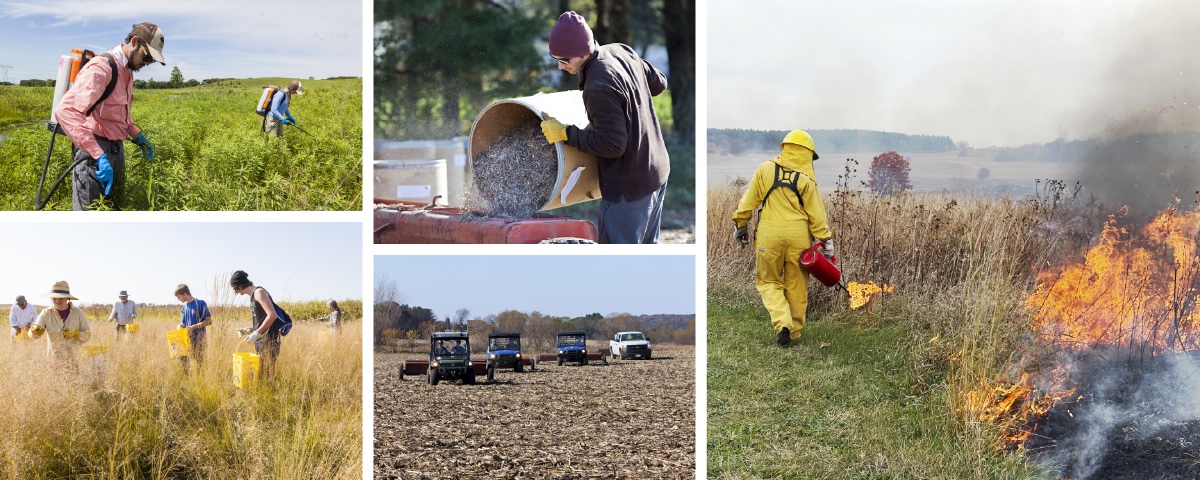
Long-term stewardship at Nachusa Grasslands included strong legal protections. More than 1,100 acres are protected as the Nachusa Grasslands Nature Preserve and 1,700 acres make up the Nachusa Grasslands Land and Water Reserve. These designations are the highest level of natural area protection and safeguarding in Illinois. Together, Nachusa Grasslands is one of the largest properties protected through the Illinois Nature Preserves Commission. This provides further assurance that the stewardship work transforming the Nachusa Grasslands landscape will endure for generations to come.
Stewards, including volunteers, staff, and supporters, at Nachusa Grasslands share a love for the place, respect for the plants and wildlife, and care for each other. We are building relationship with the land and its non-human inhabitants. We’re working together, sharing meals, figuring out challenges, and encouraging each other to do the best we can for the land and for each other.
In 2008, the Nachusa Grasslands community founded the Friends of Nachusa Grasslands, which is “dedicated to helping provide for the long-term care and management of the project.” Friends of Nachusa Grasslands and TNC work hand in hand to steward Nachusa Grasslands ecologically, financially and socially.
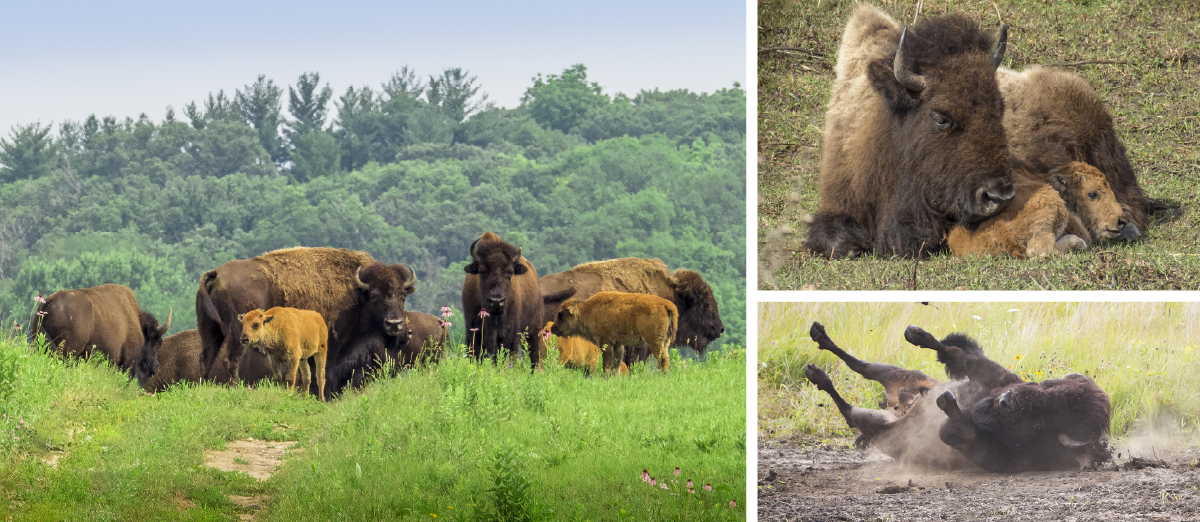
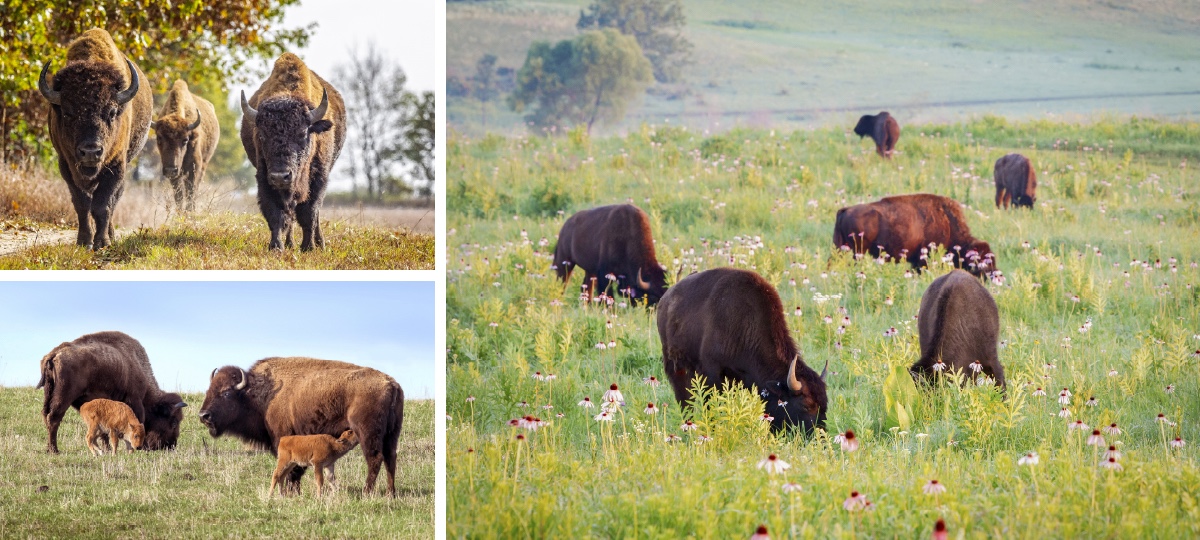
In 2014, TNC reintroduced buffalo to Nachusa Grasslands. This was a big decision made with much thought for the ecological relationships the buffalo would restore to Nachusa Grasslands. These relationships include shifting plant competitive dynamics, creating different habitat structures for grassland birds, and opening wallows that become home to ground-nesting arthropods. We were humbled by the human relationships with buffalo that would come from this decision and transform our work. Visitation jumped at the preserve and spurred the development of a visitor’s center to welcome people and share the Nachusa Grasslands story. The buffalo became a shared connection on which to build new relationships with Indigenous Peoples and Nations. These relational experiences at Nachusa Grasslands challenged us to think differently about buffalo management. Since 2020, all surplus buffalo from Nachusa Grasslands have been transferred to Indigenous Nations and Communities through the InterTribal Buffalo Council. Centering relationships with humans and non-human relatives is further transforming conservation and restoration work at Nachusa Grasslands and beyond.
Stewardship at Nachusa Grasslands is a learning process. Relationship with the land spurred volunteers to do more for prairie restoration: picking more seeds and more species, paying attention to the spots on the landscape where certain species would be most likely to thrive, and keeping a constant eye out for introduced species trying to crowd their way in. Staff experimented with ways to scale these techniques to thousands of acres. We reached out to colleagues, learning what has worked in other places, and sharing our lessons learned.
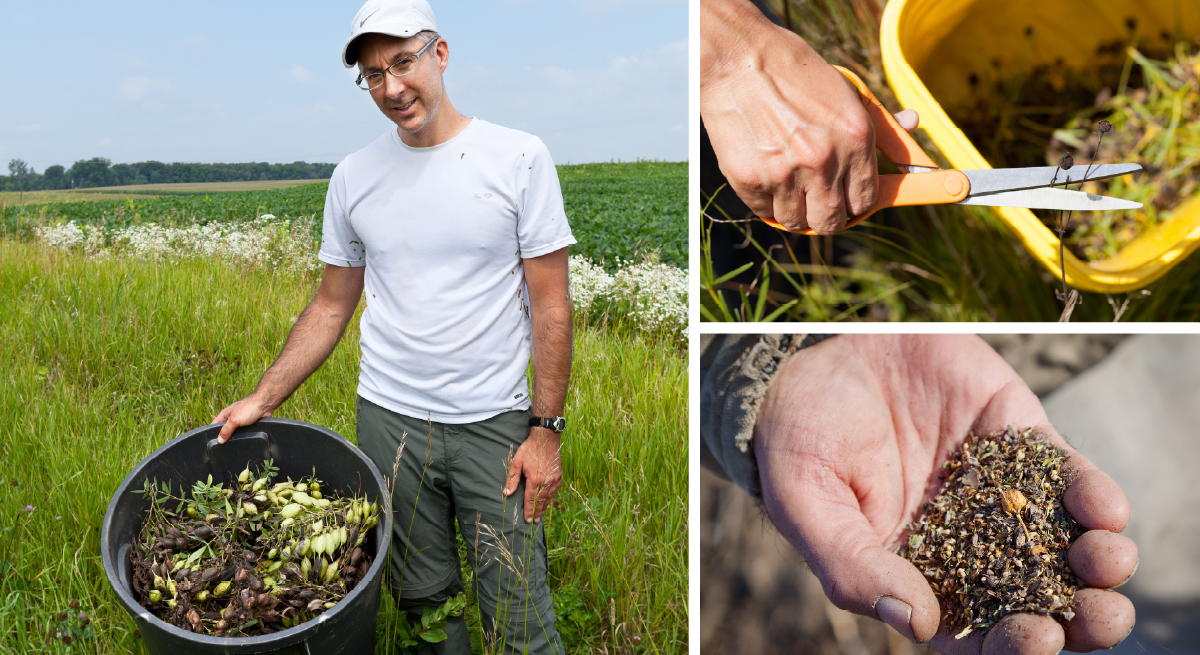
Formal learning through the science process is entwined with stewardship at Nachusa Grasslands. Scientific researchers of all types are part of our community of colleagues. Researchers and stewards collaborate to ask questions to better understand how prairies and savannas function. This in turn helps us push the boundaries of what ecosystem restoration can be. Science work at Nachusa Grasslands also reverberates beyond the preserve.
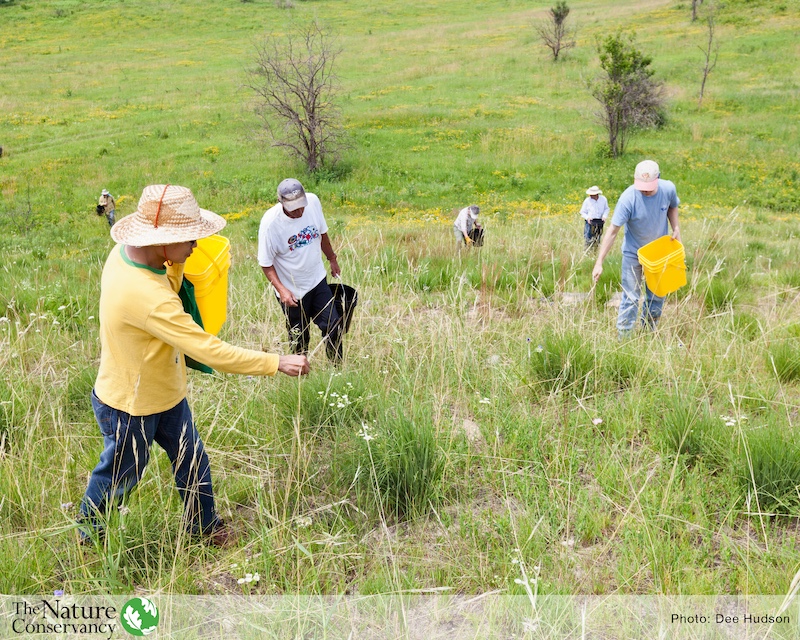
The Nachusa Grasslands community not only shares the work amongst ourselves, we seek to share and gain from colleagues in other places. The Nachusa Grasslands science community has published more than 100 peer-reviewed science papers. Seasonal restoration technicians at Nachusa Grasslands have gone on to careers in many different conservation organizations with Illinois, the Midwest, and across the U.S.. Volunteer stewards come and go, sharing Nachusa Grasslands lessons with new stewardship communities, and bringing important new ideas back to Nachusa Grasslands. We engage with professional networks, like the Grassland Restoration Network, sharing and learning lessons through outlets like blogs.
Nachusa Grasslands is open to the public, for all to share in the riches and lessons this place has to offer. The visitor’s center and hiking trails are open dawn to dusk year-round. In the summer, we offer public bison tours and guided hikes. Please come experience Nachusa Grasslands for yourself!
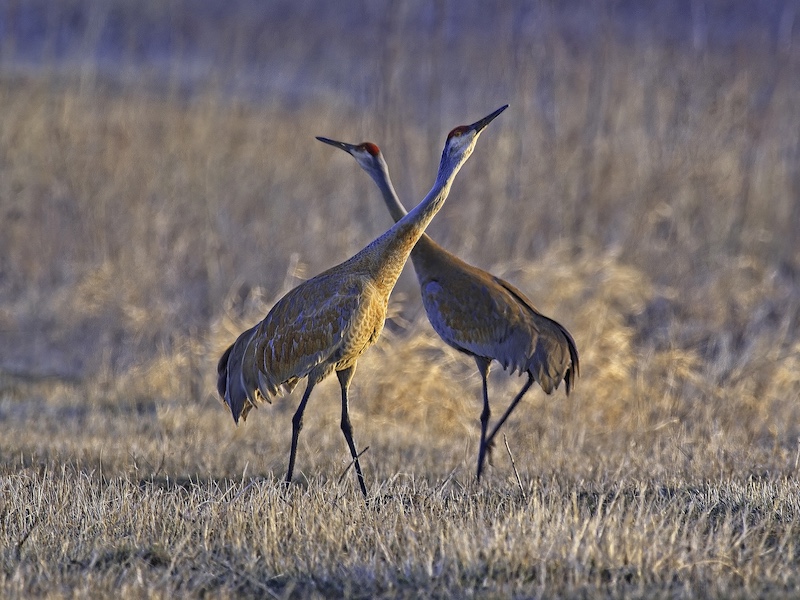
Stewardship is a shared task. We share the work of caring for the land and each other, bringing us back to relationship. Nachusa Grasslands is a community of people who not only care for the land but are also transformed by the work. For 40 years, people have found their place in this landscape. Nachusa Grasslands has become a place of biological abundance. A place with ecological interactions among non-humans and humans. A place where people can come to be themselves, and to be transformed by the land and community. May we be bold enough to listen, learn, share and care for this landscape for decades and centuries to come.
Dr. Elizabeth Bach is a Research Scientist with The Nature Conservancy in Illinois based at Nachusa Grasslands (Franklin Grove) where she works with scientists, land managers and volunteer stewards to investigate questions about tallgrass prairie restoration ecology. Her own research expertise focuses on soil ecology and botany.




Submit a question for the author