2021-2022 Illinois Deer Hunting Forecast

A adult male tan, brown white-tailed deer emerges from a wooded area and walks through tall tan grass.

Photo by Andrew Coop.

During the 2020-2021 Illinois deer hunting seasons, hunters harvested a total of 162,752 deer which was the most since 2012. Firearm, muzzleloader, youth and Late Winter/CWD harvest totals were near their five-year average with archery harvest setting a new all-time record (75,106), eclipsing the previous harvest record set in 2019-2020. Permit sales increased in 2020 for the second straight year after declining for the previous decade.

An reddish brown adult female white-tailed deer walks along a forest edge next to some green shrubs.
Photo by Jan Haerer.

The 2021-2022 Illinois deer season is shaping up to be another strong year and with 108 total days of deer hunting opportunity. Weather conditions are looking good with an average to moderate winter and ample rainfall this spring for most of the state. At press time northeastern Illinois and parts of southern Illinois were experiencing near-drought or drought conditions (United States Drought Monitor) which may influence deer behavior and body condition. Hunters should be aware of this and spend extra time scouting and setting up with water locations in mind.

There have been very few confirmed cases of epizootic hemorrhagic disease (EHD) in recent years, and we do not expect major die off events this year, however, drought conditions could exacerbate this. Hunters are encouraged to report any sick or dead deer to the Illinois Department of Natural Resources (IDNR). Barring fall weather events that delay harvest, the majority of crops are on track to be harvested by the first firearm season. The rut, which typically peaks around November 14, will primarily fall during archery season but firearm hunters can expect rutting behavior to still be occurring during the first firearm season (November 19-21).

Illinois deer hunters should keep a few things in mind before they take to the field this fall:

In a woodland, a hunter in camouflage and blaze orange gear kneels next to a harvested male deer. Leaf litter surrounds the hunter and deer. In the background is a moss covered fallen log.
Photo by Bill Peterson, USFWS.
  • For hunters who did not receive a deer permit through the lottery this year, remaining firearm and muzzleloader permits go on sale over-the-counter (OTC) in mid-October. Archery and youth deer permits are available OTC now.
  • Beginning in 2020, youth permits are no longer county-specific; youth permits will authorize the holder to hunt in any of the open counties of the state, on property where permission to hunt has been obtained from the property owner (see the Youth Deer Hunting Information Sheet).
  • Archery hunters in east-central Illinois should be aware that the five-County Restricted Archery Zone remains in place in Champaign, Douglas, Macon, Moultrie and Piatt counties. To reduce doe harvest and help grow deer populations to their county goals, archery hunters in these five counties are permitted to harvest only antlered deer during the first 15 days of the season (October 1-15).
  • Counties included in the Late-Winter Antlerless-Only season will be determined by mid-October. Hunters can use any valid, unused permits from the previous firearm, muzzleloader or youth seasons or purchase Late-Winter specific permits OTC.
  • Chronic Wasting Disease (CWD) remains the greatest management challenge for the Illinois deer herd. Successful hunters in CWD counties are required to physically check their deer at designated check stations. Other hunters, even in non-CWD areas, are encouraged to have their deer tested to help IDNR monitor CWD state-wide. Hunters can either have their deer sampled at participating vendors or leave the deer head at CWD drop off stations.


Peter Schlichting is the Deer Project Manager with the Illinois Department of Natural Resources’ Division of Wildlife Resources.

Share this Article

Submit a question for the author

Please complete the verification below to submit your question:


Explore Our Family of Websites

Similar Reads


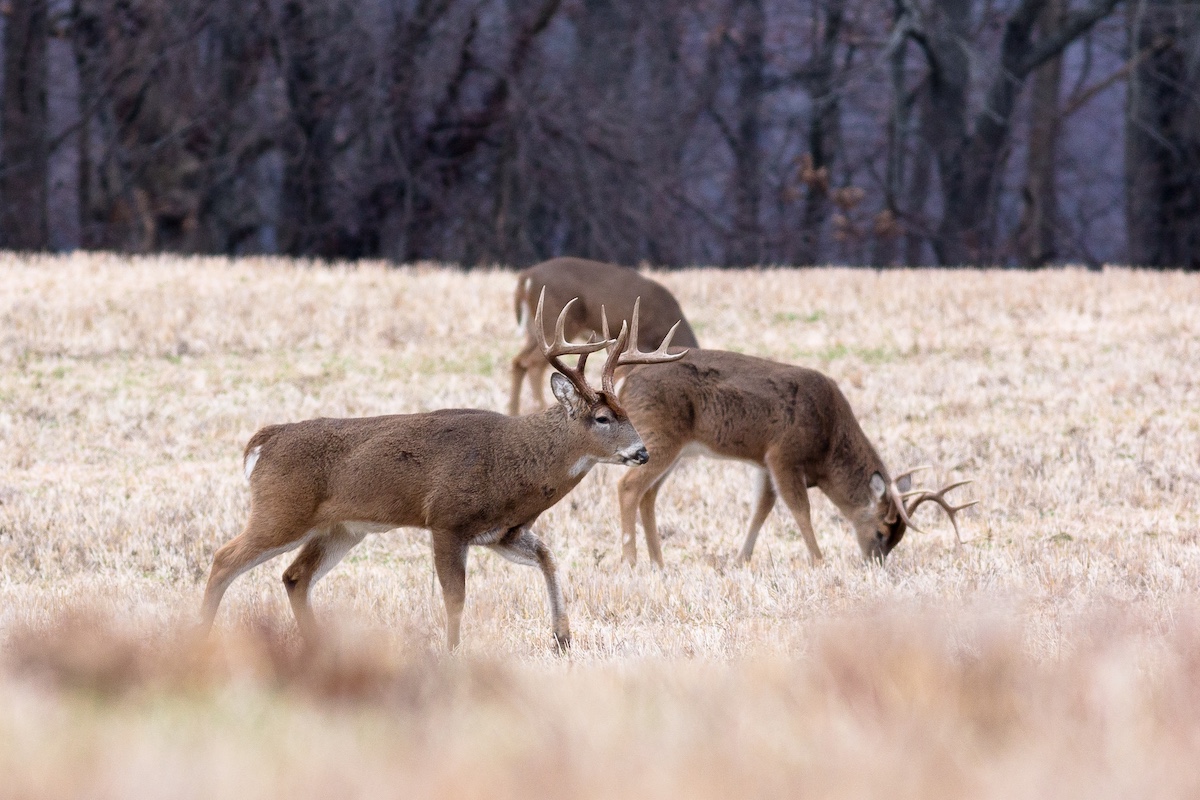
Three white-tailed deer are in a harvest agricultural field. Two of the deer are grazing. The deer in the foreground is walking towards the right with its head up. The deer in the foreground and one in the background have large antlers. A woodland is in the distance.

One Small Protein Worth a Whole Herd of Trouble: prion disease advantage in Illinois white-tailed deer


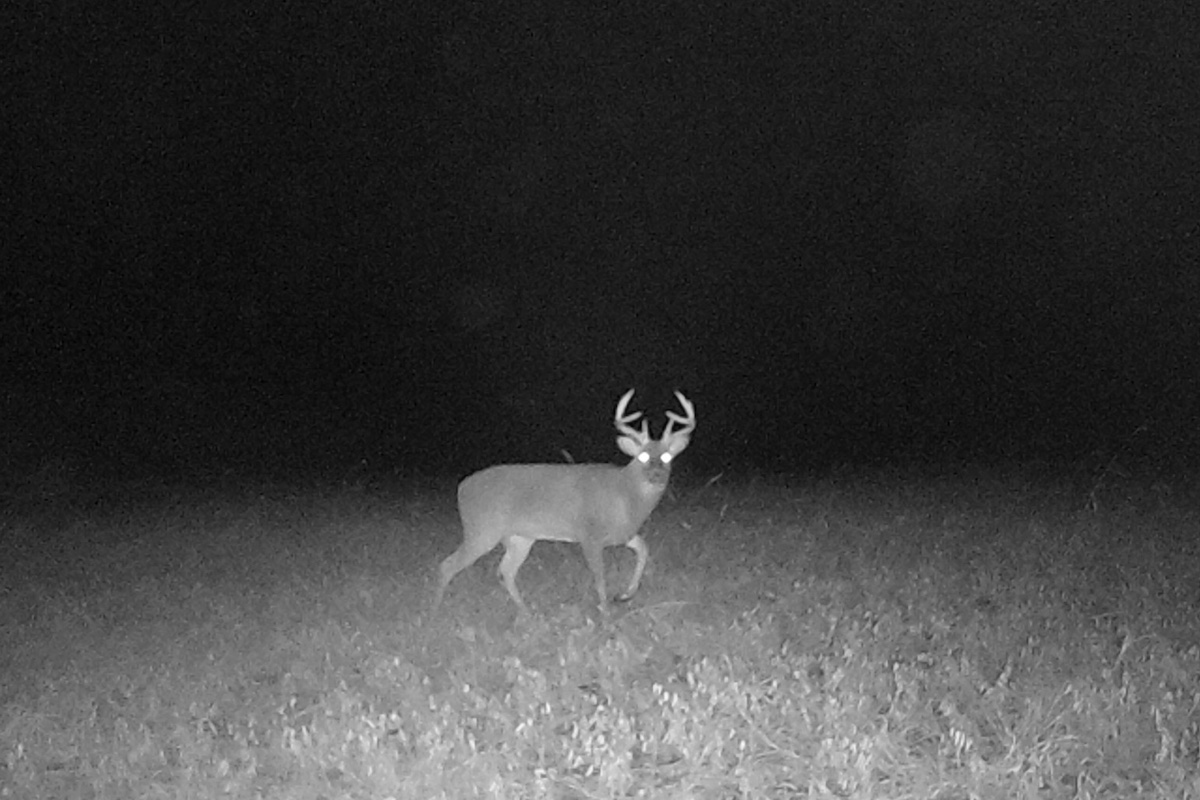
A adult male white-tailed deer with large antlers illuminated by a spotlight in a field at night.

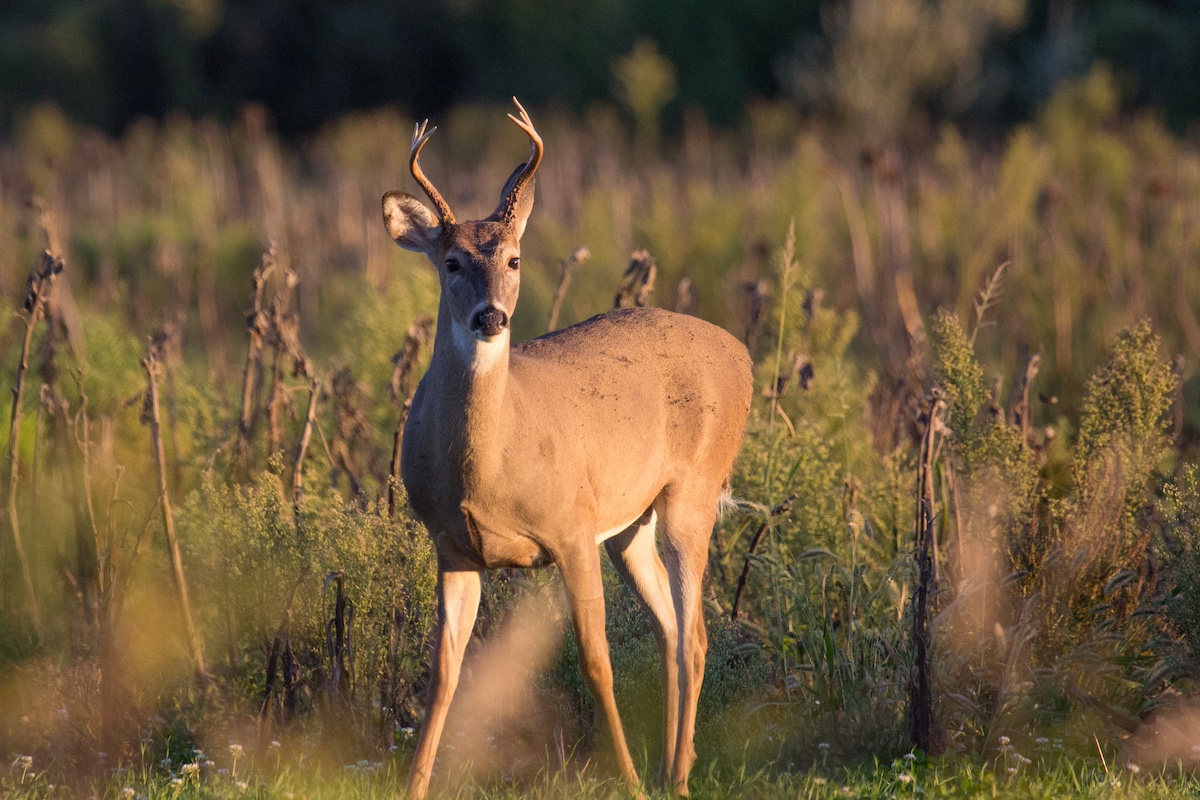
A reddish young adult male white tailed deer with small antlers stands on the edge of a grassland.

CWD Management Program Changing


A raccoon peaks over a bag of trash in a rusted dumpster.

The Perks of Not Feeding Wildlife


A hunter holds a crossbow up in preparation for aiming while sitting in a tree-stand. In the background is a grassy field. Trees with autumn foliage border the field in the distance.

A black and white skunk walks along the edge of a gravel road next to a grassy roadside. The skunk has pointed its tail up and is looking to the left.

The Science Behind Skunk Numbers: What four decades of data reveal


A close-up of a black and white duck swimming on a body of water.

2026-2027 Illinois Hunting and Trapping Digest


During a summer day under a bright blue sky a row of tables are lined up in front of a partially roofed long metal pavilion. People stand on either side of the tables and engage in conversation. Various items and hunting gear rest on the tables and on the shelves behind the tables.

Make this Offseason Count


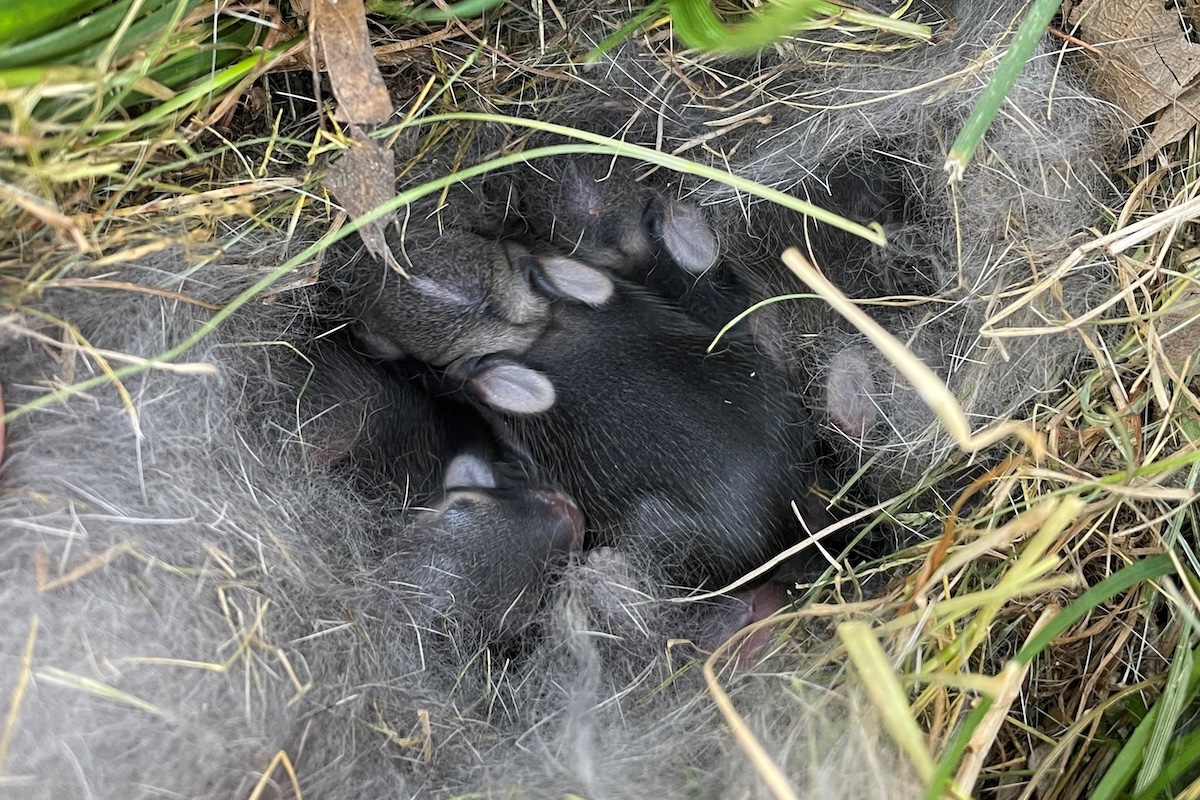
Dark gray tiny baby rabbits snuggled in a fur lined grassy nest.

Does That Baby Animal Need Help?


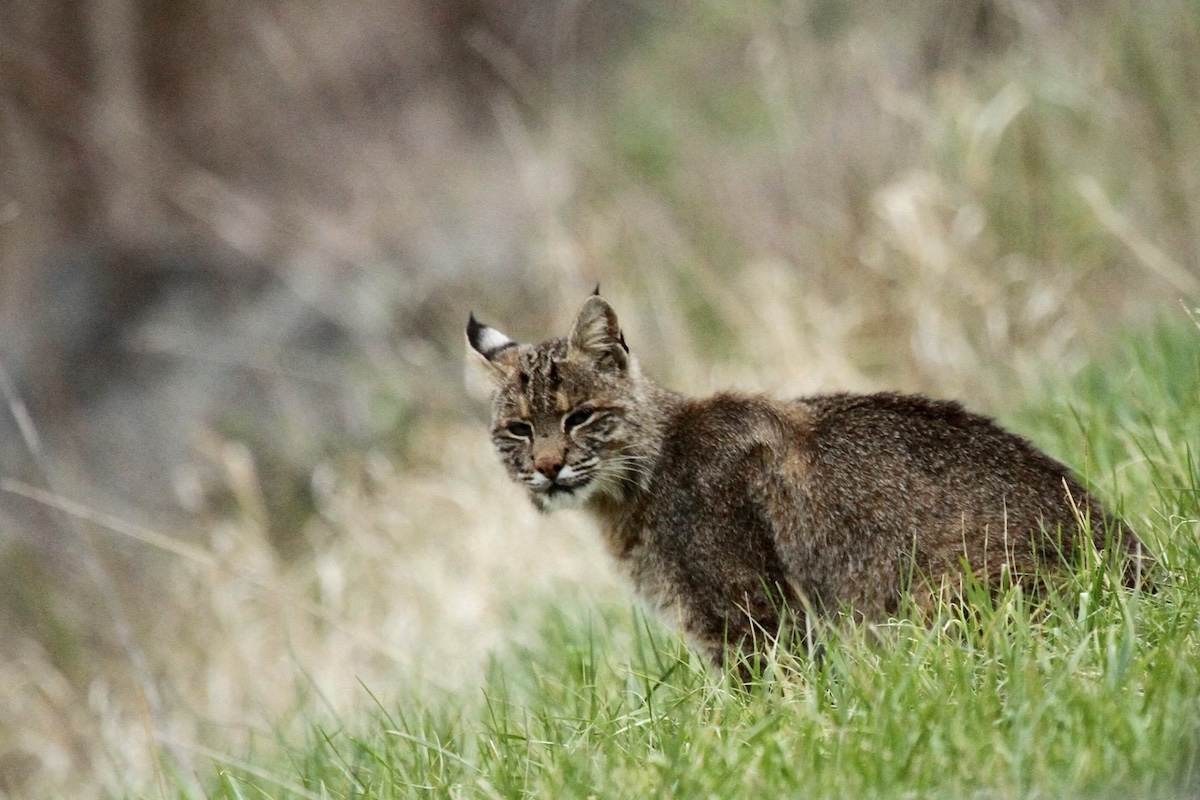
A brown, tan, black and white bobcat sits in a patch of green grass on a hill. Tan grasses are in the background.

What’s for Dinner, Bobcat?