
Southern Illinois University student Reef Pacot holds two crappie to be released back into Crab Orchard Lake. Photo by Shane Kemp.

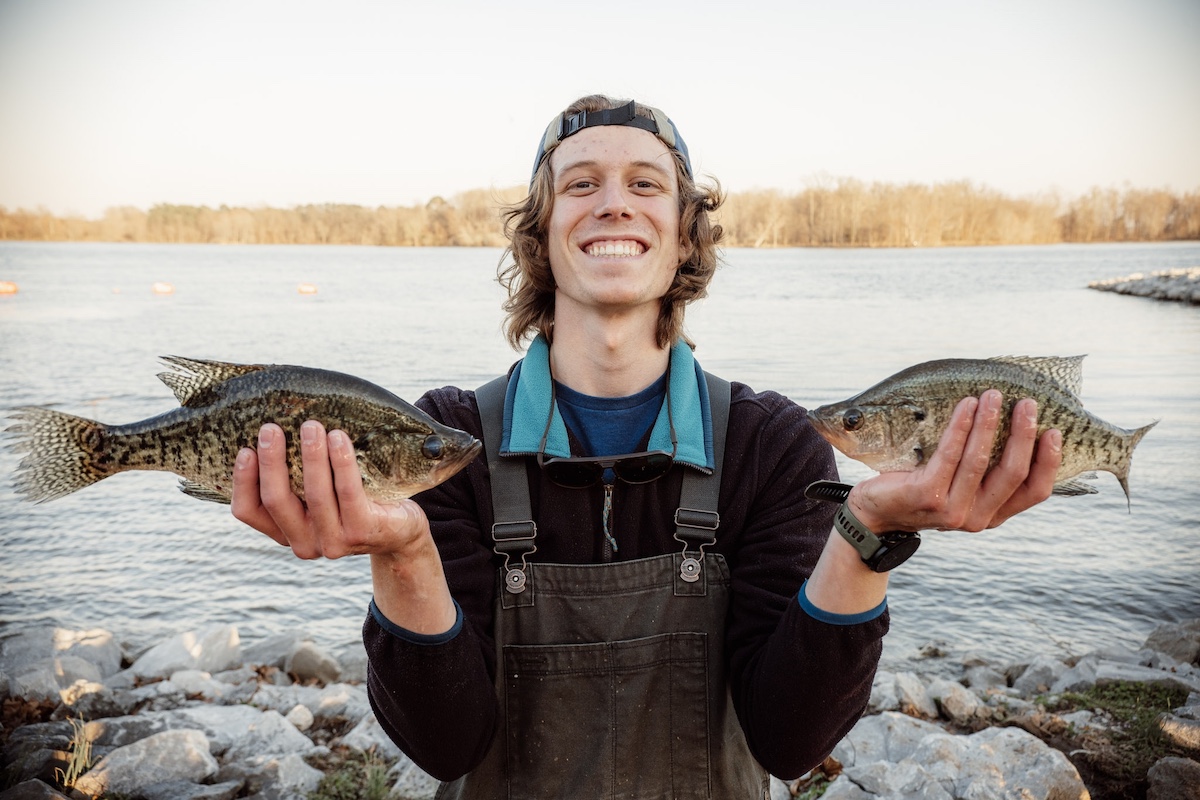
Southern Illinois University student Reef Pacot holds two crappie to be released back into Crab Orchard Lake. Photo by Shane Kemp.
A collaborative project between the Center for Fisheries, Aquaculture, and Aquatic Sciences at Southern Illinois University (SIU) and the Division of Fisheries of Illinois Department of Natural Resources (IDNR) is designed to unravel the behaviors of popular crappie sportfish and the human anglers who fish for them in Crab Orchard Lake of southern Illinois.
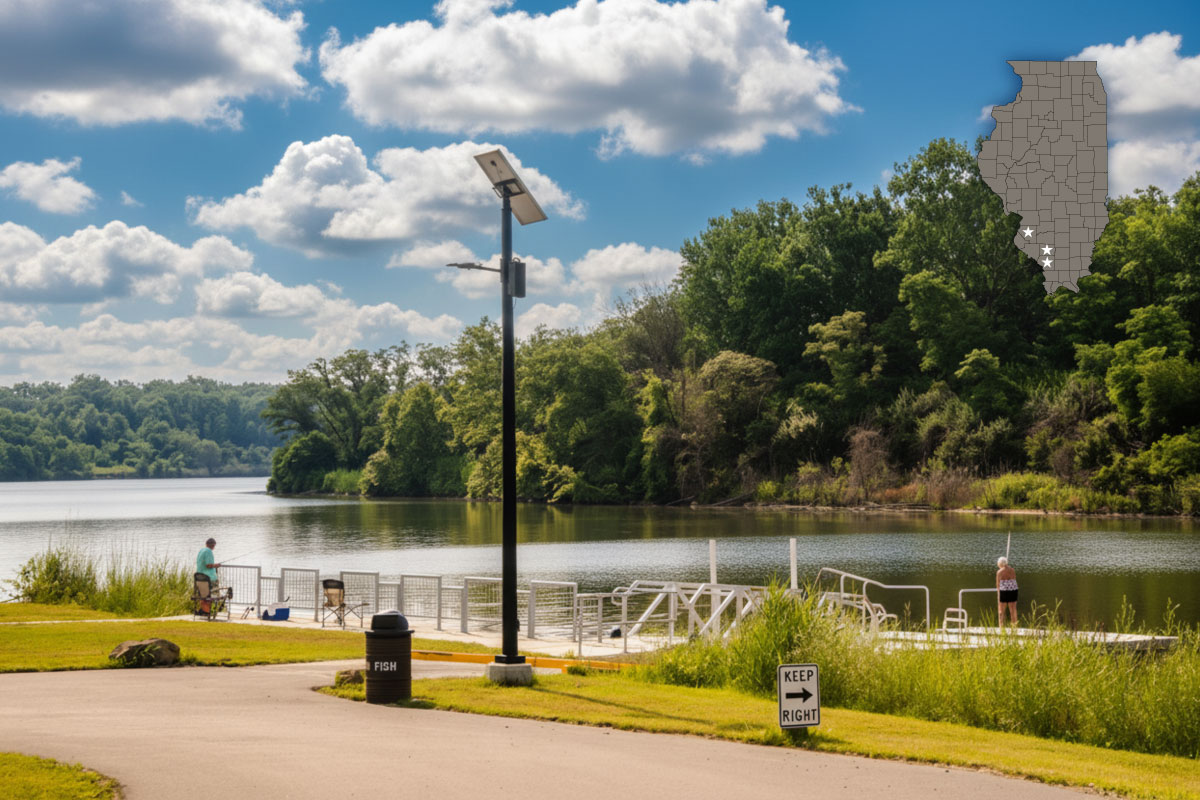
Black, white and hybrid crappies reign king in the southern part of the state with two of the three state-record crappies coming from regional lakes. With more than 125 miles of shoreline, Crab Orchard Lake ranks among the largest fishing holes in all of Illinois, with a thriving crappie population that has enjoyed a boost in productivity following a temporary draw-down and many fish-habitat improvements during 2021 through 2022. The lake’s fishery is managed by the IDNR through a cooperative agreement with the U.S. Fish and Wildlife Service (USFWS).
An abundant crappie population can be a mixed blessing for many lakes, although Crab Orchard Lake has proven to be an exception.
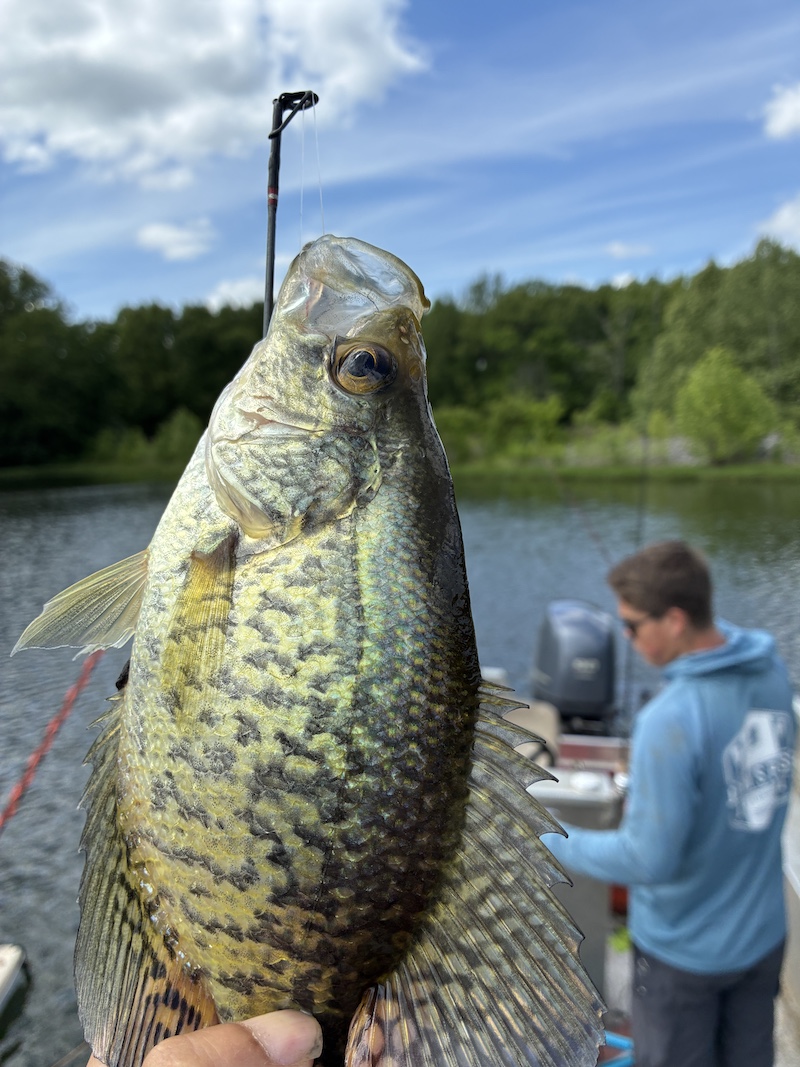
Luke Nelson, IDNR fishery biologist, noted that the lake, “…has consistently high recruitment and high densities of crappie as a result but with surprisingly good growth.” This is often not the case for many lakes where too many fish limit food supplies and stunt growth, leading to high catches of small fish. Nelson notes that the balanced size structure of the lake is likely due to desirable habitat for all ages of crappie during all four seasons. The result is a stable population and great access for all types of anglers year around.
The goal of the SIU and IDNR project is to ensure that Crab Orchard Lake’s crappie population remains robust, providing a nice balance of fillets for dinner and memorable sized fish for proud selfies. Foremost for effective fisheries management is learning what local anglers want out of a fishing trip on the lake and then working to make that happen. Some of the available levers for IDNR biologists include regulating harvest, protecting fish at vulnerable sizes or ages, and stocking. Making a fish manager’s job tricky is that environmental conditions change and so do anglers’ skills and tools.
“With advancements in technology in the last couple of years it’s become easier to target larger individuals year-round so we must improve the techniques and tools we use to make sure we’re not missing any changes,” said Nelson about a recent technological advancement for fishing Crab Orchard Lake and many others in Illinois. “That’s where projects like this come into play.”
Effective fisheries management requires good information about the fish, the anglers and how they may affect each other’s behaviors. Students, faculty and research scientists at SIU combine real-world approaches with game-like computer simulations to glean how the crappie fishery is faring today and how it may look far into the future under different management scenarios. They also explore the human dimensions of the anglers to help IDNR know how to best serve the public. This includes understanding how sportfishing is changing as an art and a science. Management models developed by SIU account for these human factors to help determine ways to keep the fishery healthy and anglers happy in a changing world.
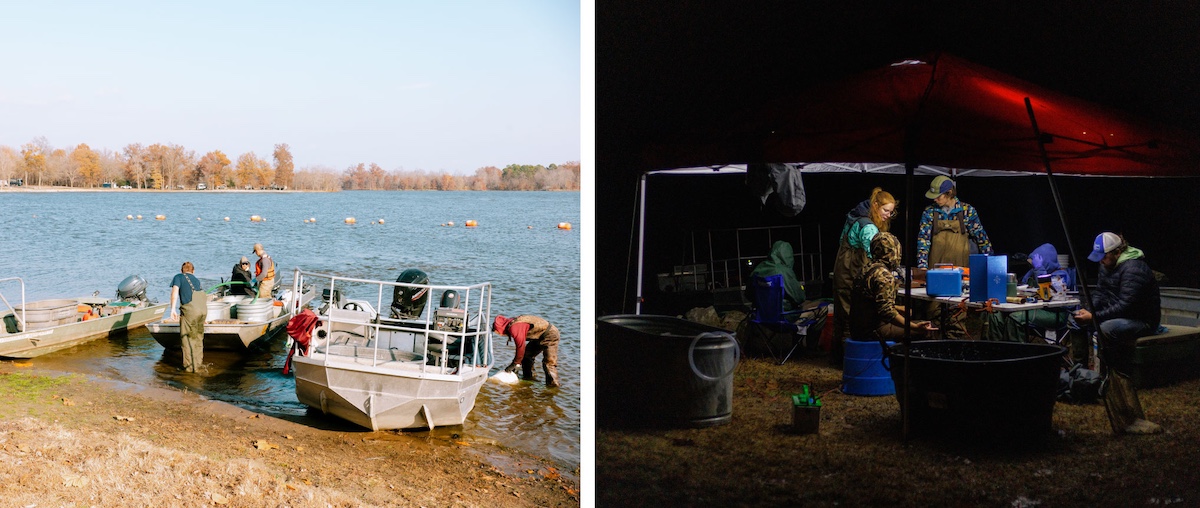
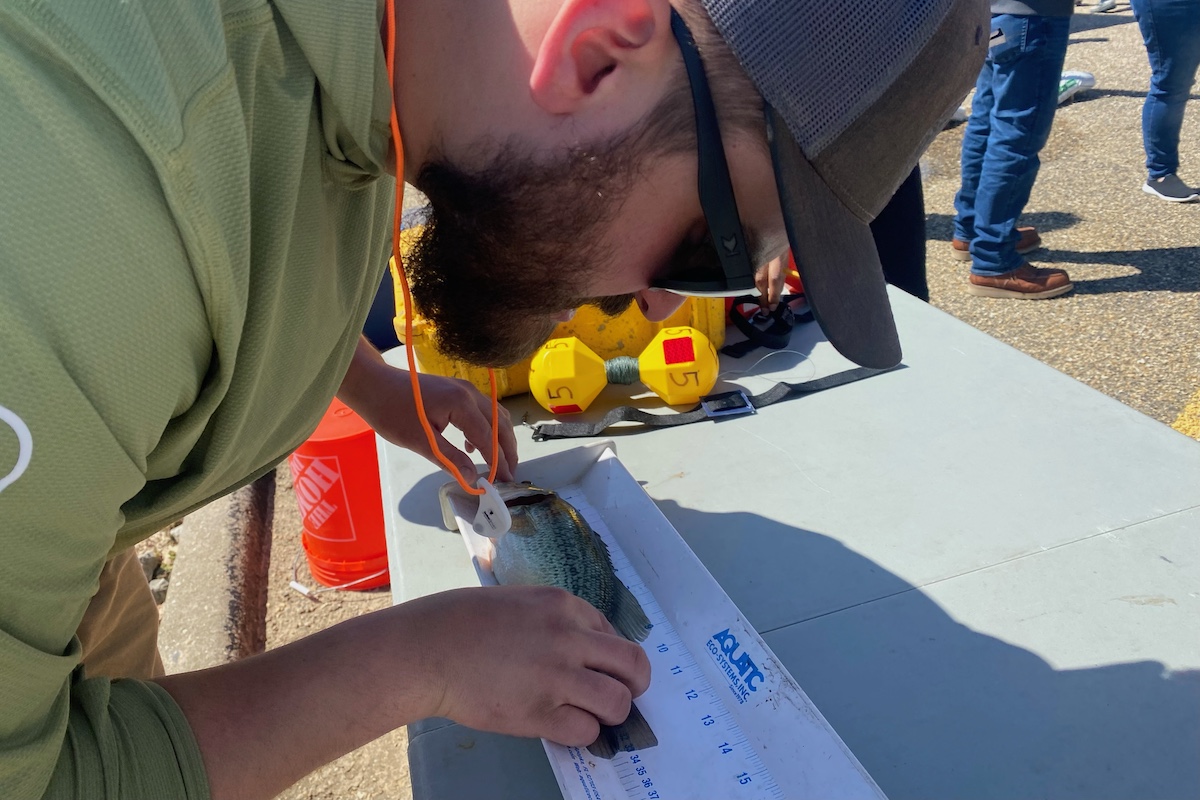
In fall 2025, SIU and IDNR began the process of collecting information on Crab Orchard Lake. Two big questions for effective management are “how many crappies are in the lake and how many are being taken home by anglers?” There are many ways to answer this. To estimate the crappie population, SIU and IDNR have been sampling, marking and releasing crappies. Harmless tags the width of an eyelash are placed deep in the heads of the fish, far away from fillets, to mark a subset of the crappie population.
By scanning crappies harvested by anglers for these tiny tags, project scientist Dr. Joe Mruzek explained, “The ratio of tagged crappie to untagged crappie in anglers’ harvests allows us to calculate harvest rates as well as a crappie population estimate.”
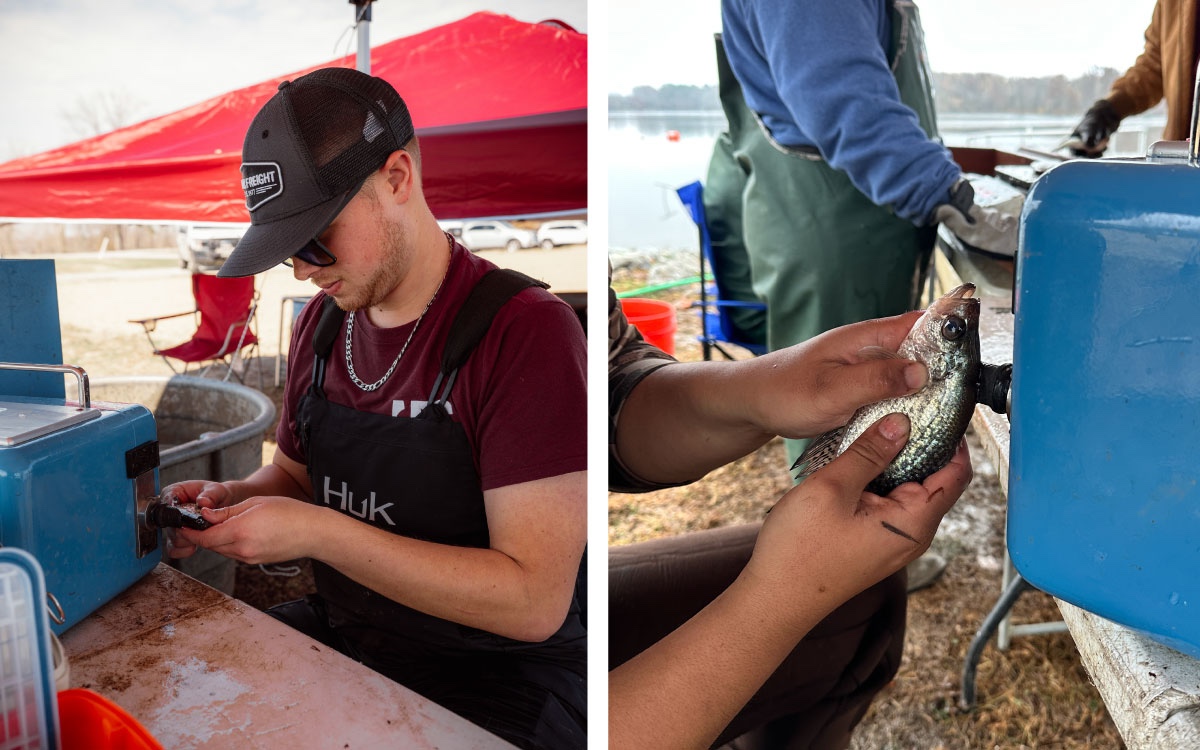
A less glitzy but important research technique is simply asking the anglers what they want from the fishery. Since early spring 2026, a group of SIU-undergraduate creel clerks have been working tirelessly under all kinds of weather conditions during their school weekdays and precious weekends to survey Crab Orchard anglers.
“A significant portion of the hard work required for this project has been done by a small group of undergraduate students in our fisheries program,” SIU Project Manager Shane Kemp emphasized.
It is too early to nail down results with precision and make future predictions, but the research has confirmed that Crab Orchard’s crappie population is booming. Notably, there has been a surge in black crappie, the crappie species linked to ample aquatic vegetation, which is attributed to recent lake habitat improvements.
The size structure of crappie continues to be good, with Mruzek noting, “Our record while tagging was over two and a half pounds!”
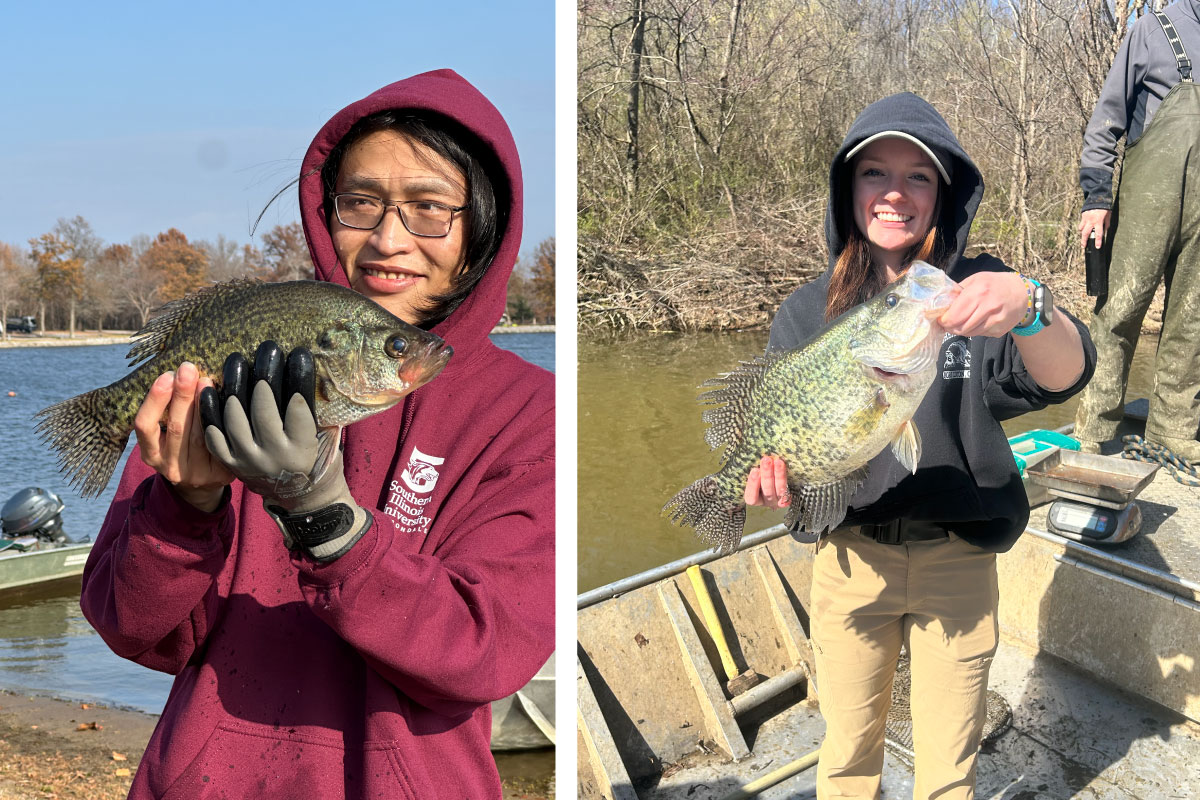
The SIU students are benefiting by getting practical training that will lead to jobs as they join the next generation of fisheries biologists.
“Professionally, I’ve benefited from hands-on experience with a variety of skills and practices like fish sampling, interview-based research, and working within a team,” said SIU creel clerk Ethan Whittaker. Whittaker further noted of his positive experience, “We’ve learned that the crappie fishermen are very happy with the state of the lake.”
What is gleaned from this study can be applied throughout the state as IDNR’s creel program evolves to meet fishery needs in other lakes and streams.
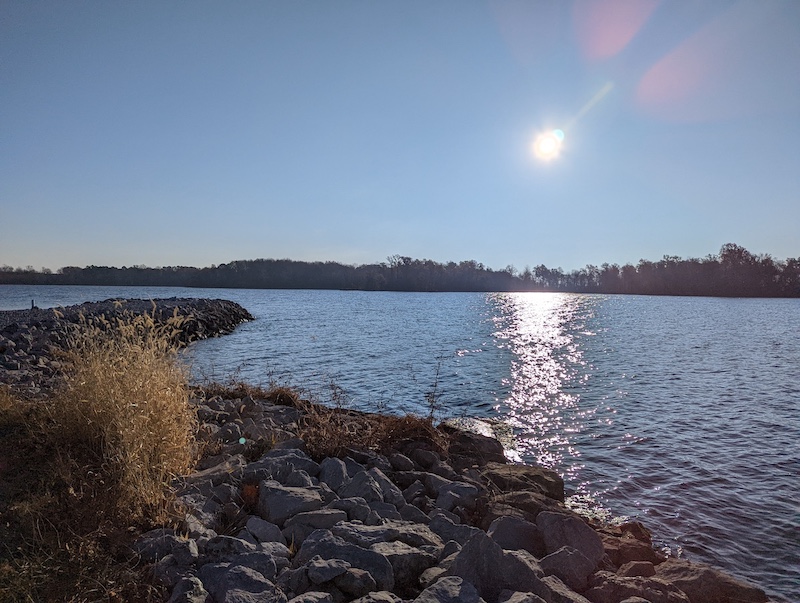
“I think we’re very lucky in southern Illinois to have so many fishing opportunities so close to home,” Nelson said. “Projects like this give us more tools in the kit to make decisions and provide good experiences for anglers.”
“We do all the work so you can go out and have a good time,” SIU’s Kemp, a life-long Southern Illinois native, added. “So, load up the poles with crappie, enjoy a nice safe day on the water, and keep some for dinner if you can use them. The people here want the nature we have been lucky enough to enjoy to still be here for the next generation.”
Crab Orchard Lake provides a satisfying crappie fishing experience for all levels of anglers, and lessons learned from projects like this will allow IDNR and the USFWS to help the healthy lake ecosystem perform for decades to come.
Jim Garvey has conducted research and taught at SIU Carbondale since 2000. He received his PhD at The Ohio State University in fish ecology and works in the fields of river and lake management and conservation. He has served as the Director of the Center for Fisheries, Aquaculture, and Aquatic Sciences at SIU since 2009. He also was Interim Vice Chancellor for Research at SIU during 2013 through 2019.





Submit a question for the author