
A coyote (Canis latrans) safely constrained in a cage (box) trap. Photo courtesy Stan McTaggart.

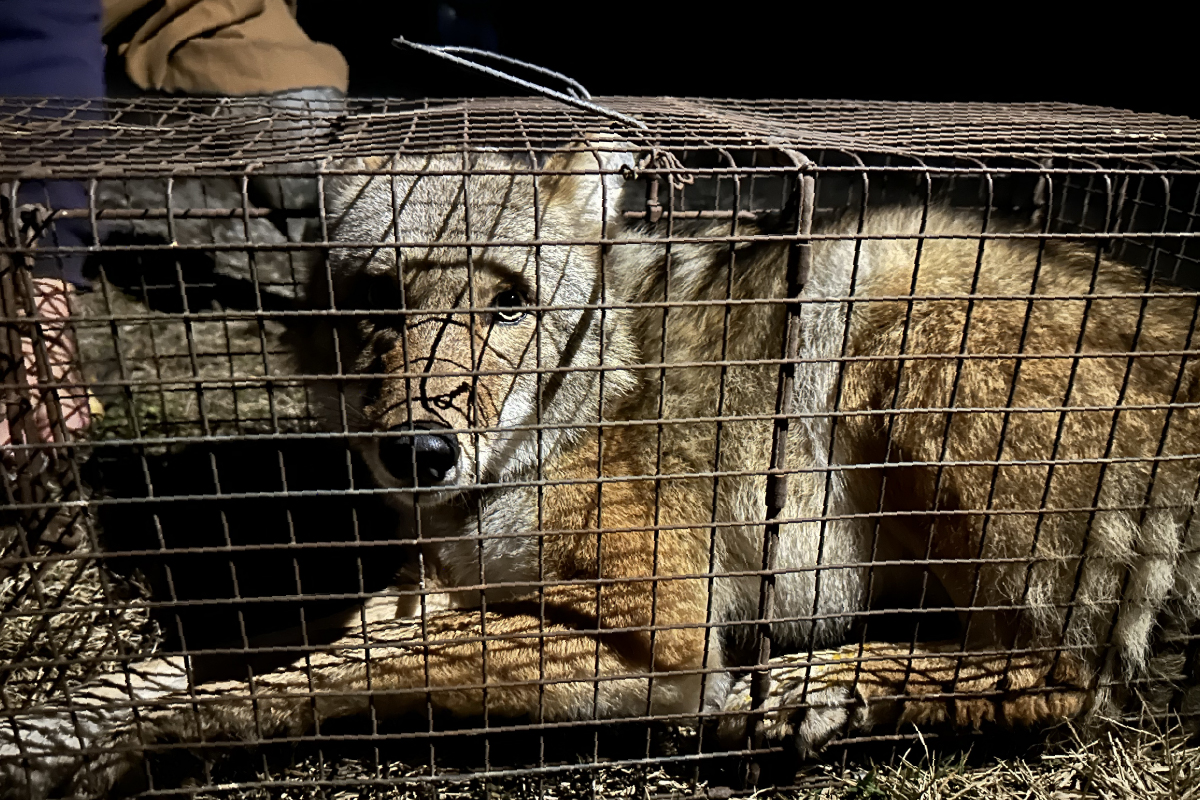
A coyote (Canis latrans) safely constrained in a cage (box) trap. Photo courtesy Stan McTaggart.
The first thing that comes to mind when most people think of trapping might be the image of a mountain man or someone plying their trade in a southern swamp. While both of these images portray accurate representations of the basic essence of trapping, there are other applications of trapping that supply real-world benefits that aren’t as readily visible. It is important to cover a few key points of regulated trapping to set the stage. Did you know:
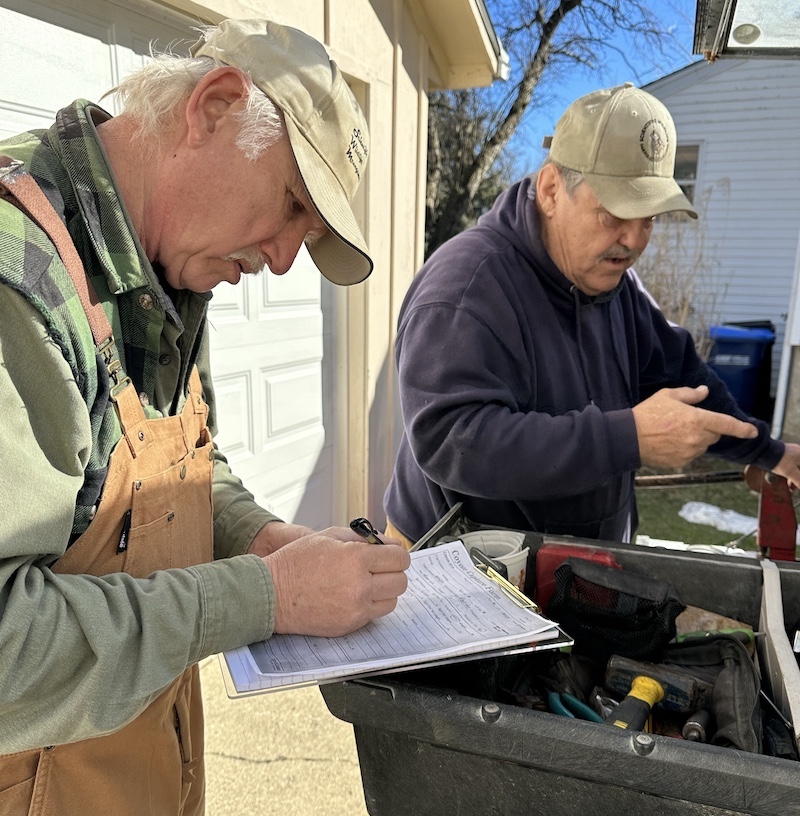
In this article I highlight some ways in which trapping has played and/or continues to play a critical role in wildlife conservation efforts in our state.
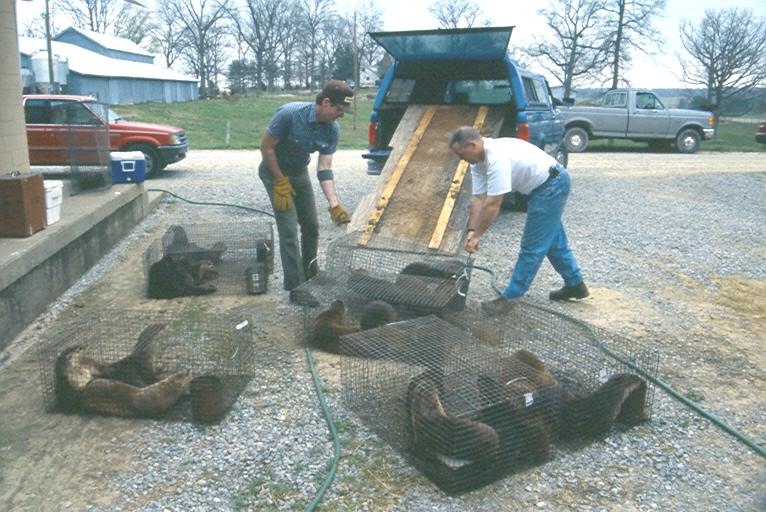
Before the early 1990s, river otter (Lontra canadensis) populations in Illinois were determined to be low enough that in 1977 the animal was given state-threatened status and in 1989 it was listed as state-endangered. Between 1994 and 1997, IDNR engaged in a reintroduction program designed to help the otter population rebound.
The basis of the recovery effort was to obtain otters from Louisiana (for which Illinois traded wild turkeys for a similar recovery effort in the Bayou State) for release in Illinois; this is where trapping became a crucial tool for this effort. Louisiana wildlife officials, along with cooperating Louisiana trappers, used foothold traps to humanely capture otters for the program. By employing experienced trappers who knew when, how and where to set the correct kinds of traps, otters were successfully captured in Louisiana, processed to gather important biometric data and allow for veterinary check-ups and then transported to Illinois for release. Between 1994 and 1997, IDNR released nearly 350 otters in various watersheds throughout (mostly central and southern) Illinois.
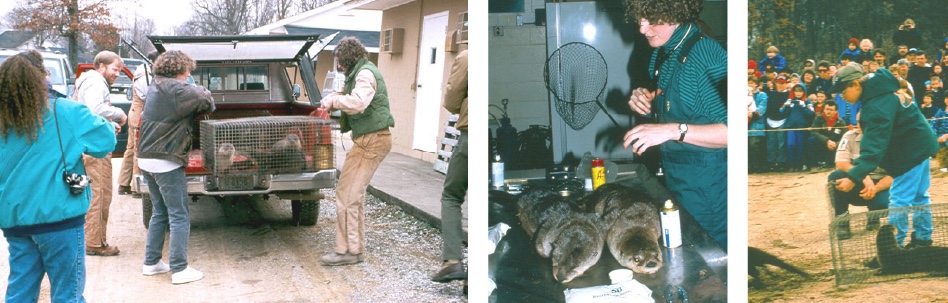
Within seven years, otter populations had expanded to the point that the species was de-listed; numbers were estimated at 11,000 statewide by 2009. In 2012, ongoing population monitoring and modeling efforts concluded that the state’s population could support a harvest and, as such, a strictly managed season was instituted. In concert with the regulated season, trappers were asked to provide jawbone samples from harvested otters in an ongoing effort to assess population status and health. As of this writing, populations levels and harvest numbers are stable statewide, making this program a rousing success and testament to how important a role trapping can play in science-based wildlife management.
Bobcats (Lynx rufus) are the only native wild cat in Illinois. Throughout the 1900s, bobcat populations dropped in the state due to a variety of factors including habitat loss and unregulated harvest. By 1972, wildlife authorities halted harvest programs, and the species was officially listed as state-threatened in 1977.
Over the next few decades, various surveys and research projects showed the cats were recolonizing areas where they were formerly found. In large part, the monitoring consisted of public reports of bobcat sightings, most of which came from hunters and trappers who observed cats in the field. The information garnered from such studies led to the de-listing of the species in 1999.
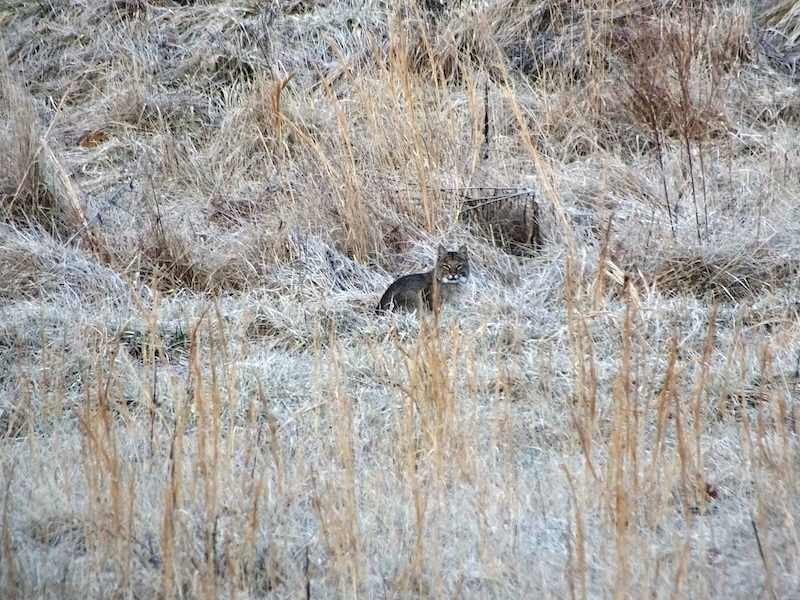
As bobcat numbers continued to rebound after de-listing, increased observations via roadkill, incidental catches, nuisance complaints and successful hunting/trapping seasons in neighboring states (Missouri, Wisconsin, Kentucky, Iowa) led to the question of whether a regulated harvest season could open in Illinois. Starting in 2012, IDNR commissioned several studies designed to establish a scientifically accepted statewide population. In these studies, populations were gauged by more direct means than in past efforts, as trappers were employed to help trap cats in various counties.
As with the otter reintroduction previously discussed, trappers with intimate knowledge of the terrain and habitat usage patterns of local bobcat populations were enlisted by researchers to assist with trapping cats. Biometric data was gleaned from captured cats, and the animals were fitted with radio collars for tracking purposes. Not only did these trappers aid researchers by directly assisting in the capture of cats, but they also helped provide access to properties that scientists might otherwise not have garnered, thereby increasing efficiency (because scientific studies are often funded through grants and turnover among graduate students who often conduct the field portions of studies is always a factor, maximizing efficiency is paramount in such efforts). While catching a bobcat in a foothold trap is one of the most effective methods, releasing a cat from a trap can be a tricky proposition; trappers who had experience releasing bobcats unharmed from traps were an invaluable resource. Researchers were able to track collared cats to aid in the determination of population status and, after years of amassing data, it was determined that the statewide population could support a harvest season.
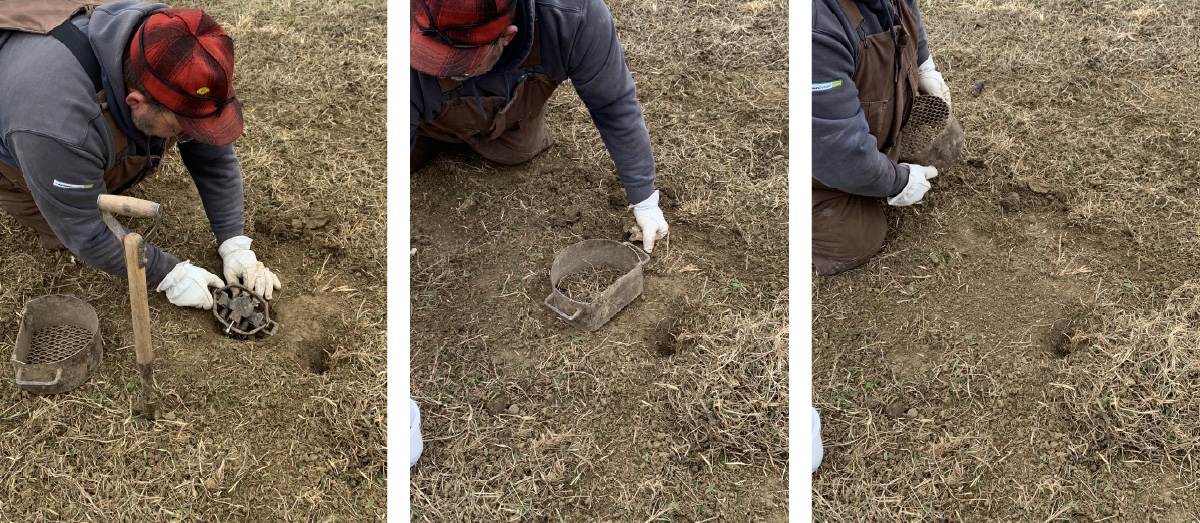
In 2016, a regulated hunting/trapping season was established for much of the state. The bobcat season is a very conservative, lottery-based system that sets a strict upper limit on the number of permits issued and how many bobcats can be harvested. Hunters and trappers have been enlisted in ongoing research by providing tissue samples from harvested bobcats, helping researchers further study genetic diversity among local and regional populations, among other efforts. Bobcat populations are stable-to-increasing, so this is another success story in Illinois, aided in large part by trappers and their expertise.
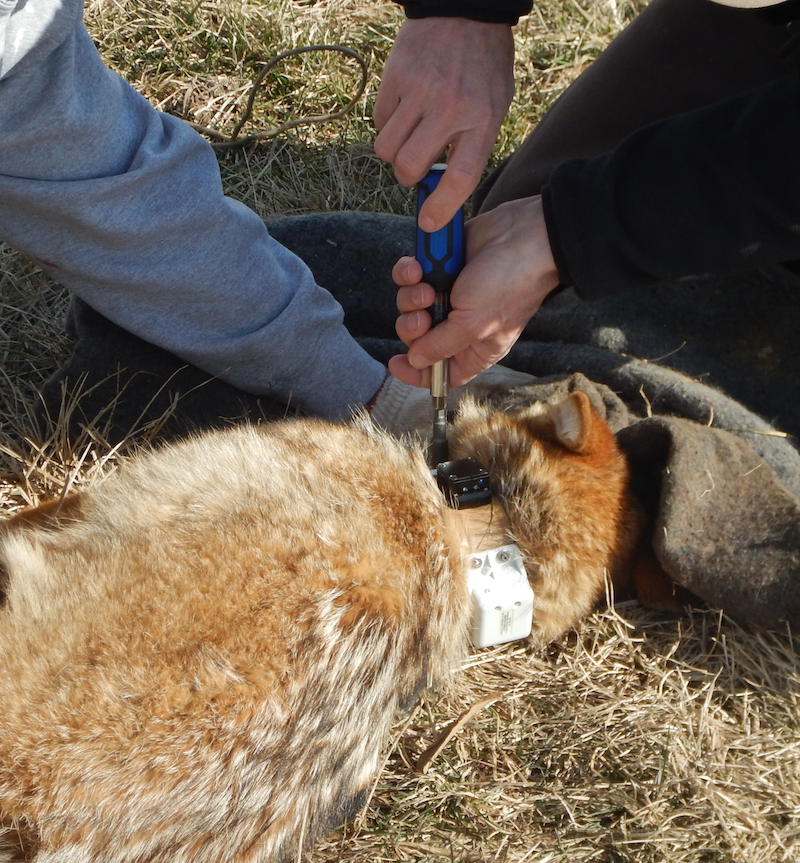
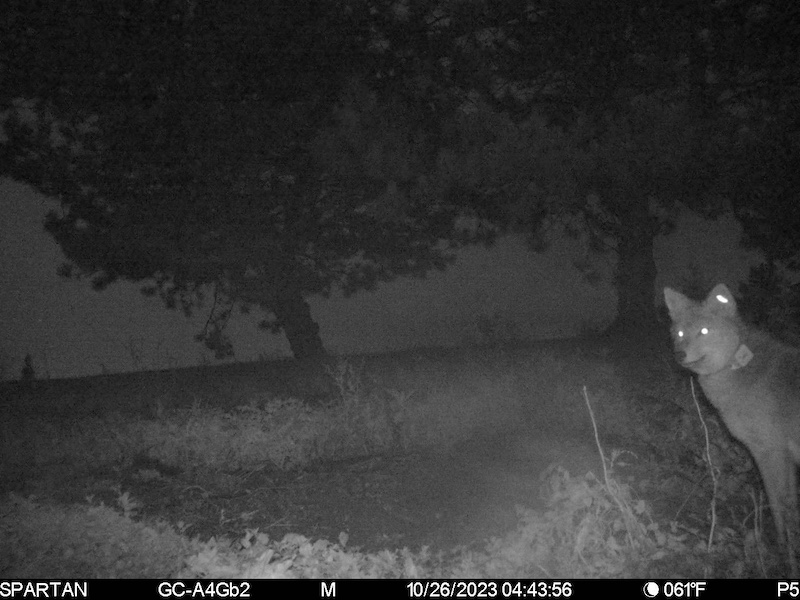
According to their soon-to-be-released website, Critter Track is “an educational project of the Illinois Department of Natural Resources in collaboration with the Illinois Natural History Survey and Southern Illinois University at Carbondale.” The basis of the project is to fit coyotes (and some foxes and bobcats) with satellite tracking collars, so high school and middle school students can learn more about their movements and behavior patterns over time.
The program is standards-based, in that ‘Explorations’ provide starting points for students or teachers to develop projects derived from the real data. These explorations also address Next Generation Science Standards for Illinois. The project allows educators and students access to the satellite tracking data through the site’s web-based portal, ‘Critter Map.’ As with the otter recovery and bobcat monitoring projects, Critter Track works with local trappers to catch and collar animals. In this case, foothold traps are used to secure animals, primarily because of the efficiency of these devices, coupled with the ability to hold trapped animals unharmed. Trappers bring their knowledge, experience and landowner connections to make accessing good habitat and catching the animals for the project much easier.
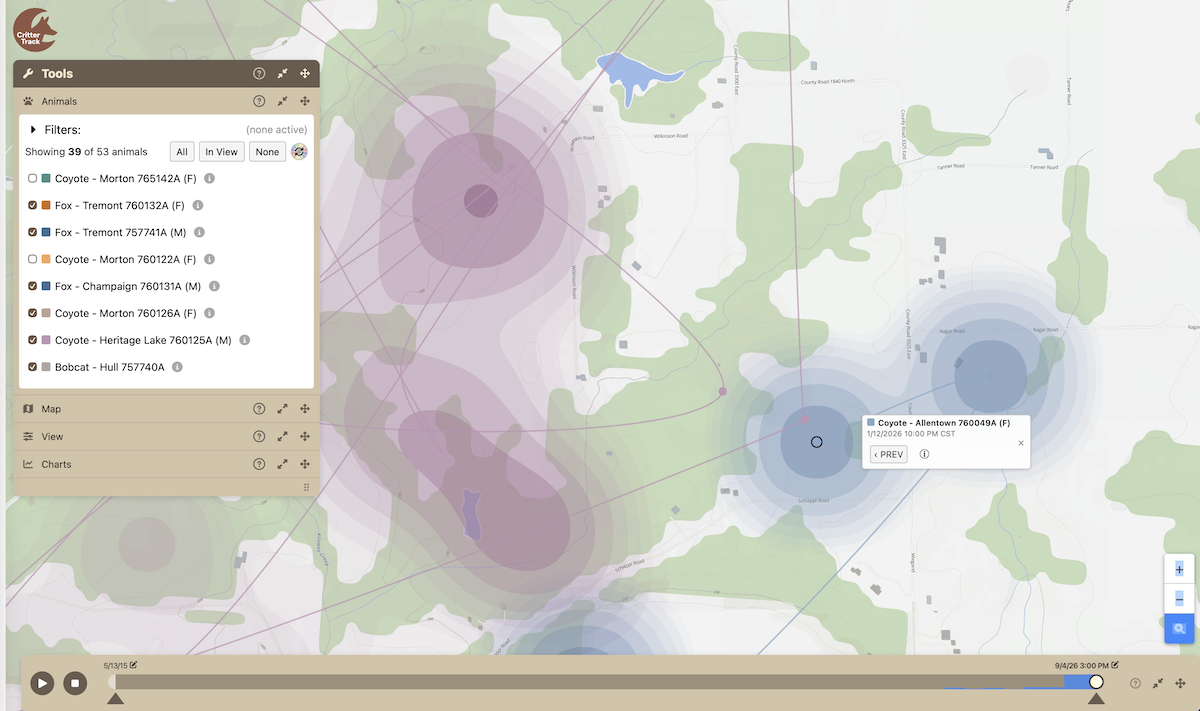
Being able to track the movements of these animals over time allows students to examine a wide variety of subjects pertaining to coyote, red fox and bobcat behavior such as, habitat usage, territory establishment, impacts of mortality and a whole host of aspects of their life history.
As much as we love wildlife, they cause a lot of property damage and create some potential health problems when they get too close to people. Whether it is a litter of raccoons in the attic, skunks under the deck or a bobcat that won’t stay out of your chicken coop, there are times when individual wildlife needs to be removed to protect property and keep us safe. Fifty-eight percent of licensed trappers were asked to trap by landowners according to the 2023-24 Trapper Harvest Survey. Of those landowners, 84 percent were experiencing property damage from wildlife and the most common species they had trouble with was the raccoon.
Trappers have a unique skill set and understanding of wildlife that is used to alleviate property damage. This is generally done during the regular trapping season, but many licensed trappers have also obtained their Nuisance Wildlife Control Operators Permit from IDNR. This allows them to run a business that utilizes their knowledge of wildlife and their trapping experience to help people when wildlife get too close. From squirrels that chew wiring harnesses off of new vehicles, to a sick raccoon that wanders around the playground at school, the knowledge that trappers hold is valuable and appreciated by landowners who need help.
The projects described are just a few examples of how trapping can be an important tool in various wildlife management programs. From species recovery efforts to population monitoring programs to educational projects, trapping can be a key component in helping wildlife managers make sound, scientifically based decisions. Experienced trappers who know local habitats and the animals that use them can be invaluable resources for researchers and managers in terms of providing expertise and greatly increasing efficiency.
In Illinois, the trapping community has long been supportive of wildlife research, as evidenced by the level of cooperation that many of these studies have enjoyed. The many successes achieved by the combined efforts of managers, researchers and trappers in our state suggest that this relationship will continue to thrive in the future.
Tim Kelley is a wildlife biologist for the Illinois Department of Natural Resources. He is based out of the Havana Field Office and his district covers all or parts of five counties in central and west-central Illinois.



Submit a question for the author