Tree-of-heaven is a fast-growing tree that releases a chemical compound into the soil that limits the growth of other plants. Photo by Christopher Evans, University of Illinois Extension.

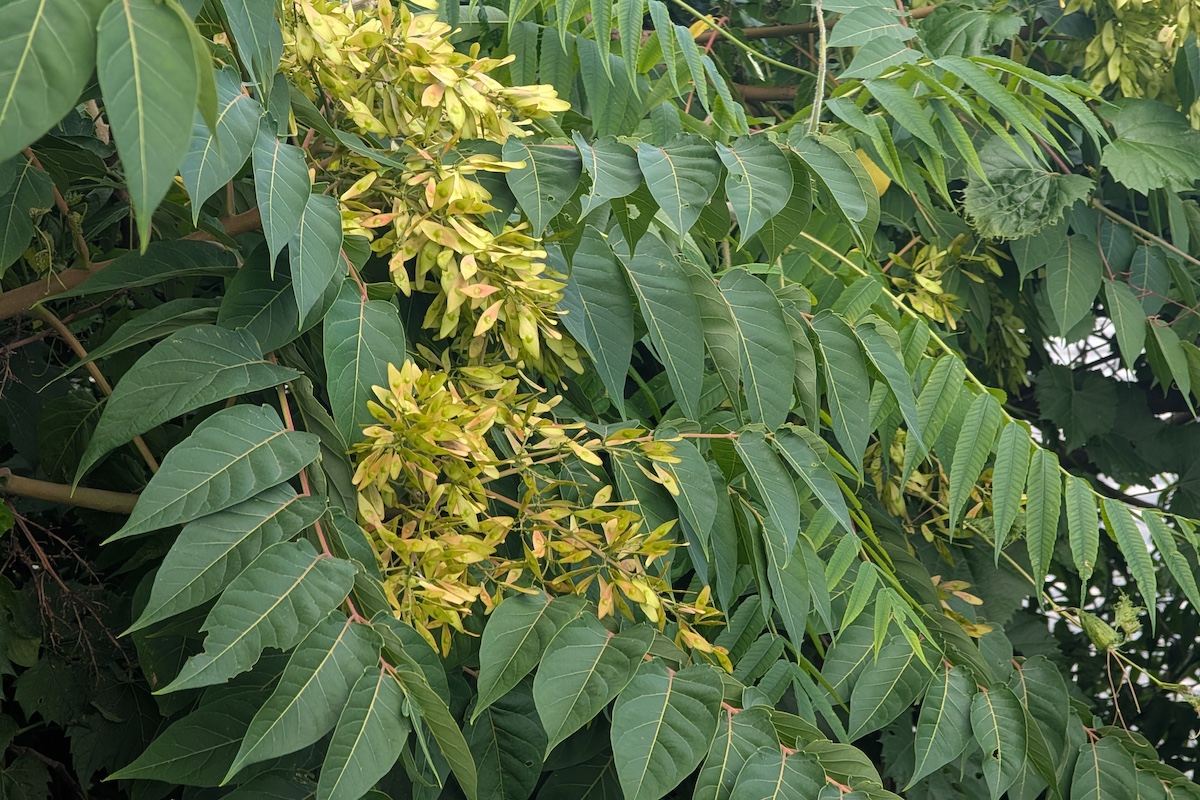
Tree-of-heaven is a fast-growing tree that releases a chemical compound into the soil that limits the growth of other plants. Photo by Christopher Evans, University of Illinois Extension.
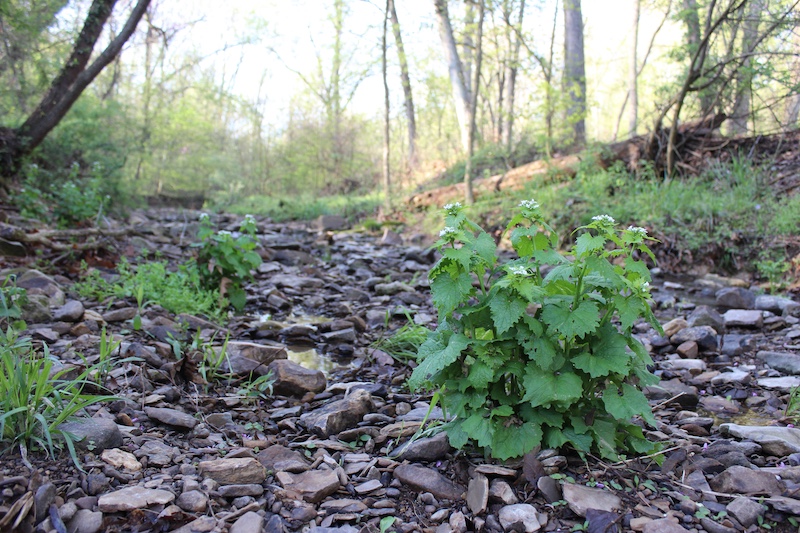
The forests and prairies of Illinois have a new line of defense against harmful non-native plants. On Oct. 1, 2025, the Illinois Department of Natural Resources (IDNR) added nine more invasive plants to the list of species that are illegal to buy, sell, distribute, or plant in Illinois, including tree-of-heaven, garlic mustard and Callery pear, also known as Bradford pear. This update supports Illinois’ commitment to protect our shared natural areas and the communities that depend on them.
Invasive species are non-native plants, animals and insects that spread quickly. Not all non-native species are harmful. Invasive species are non-native and cause ecological or economic damage. Once they take hold, they are difficult to remove and can have long-lasting, harmful economic and environmental impacts on natural areas, communities and agricultural fields. Invasive plants are a serious threat to the long-term health of our natural ecosystems, said Chris Evans, University of Illinois Extension Forestry and Research Specialist.
“Invasive plants can crowd out native species, reduce wildlife habitat and forage, change the soil chemistry, and even limit the growth and regeneration of native trees,” said Evans, who serves on the Illinois Invasive Species Council, which recommended the additions. “It is important to recognize these species are harmful to Illinois and to take steps to reduce their impact.”
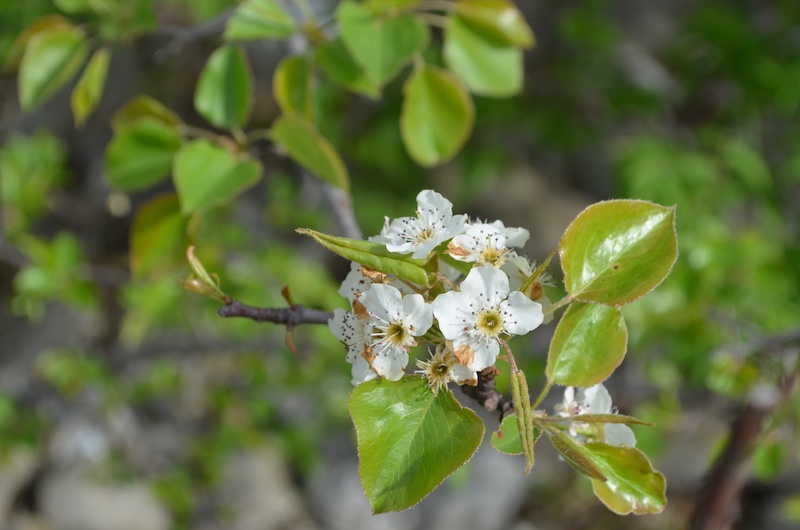
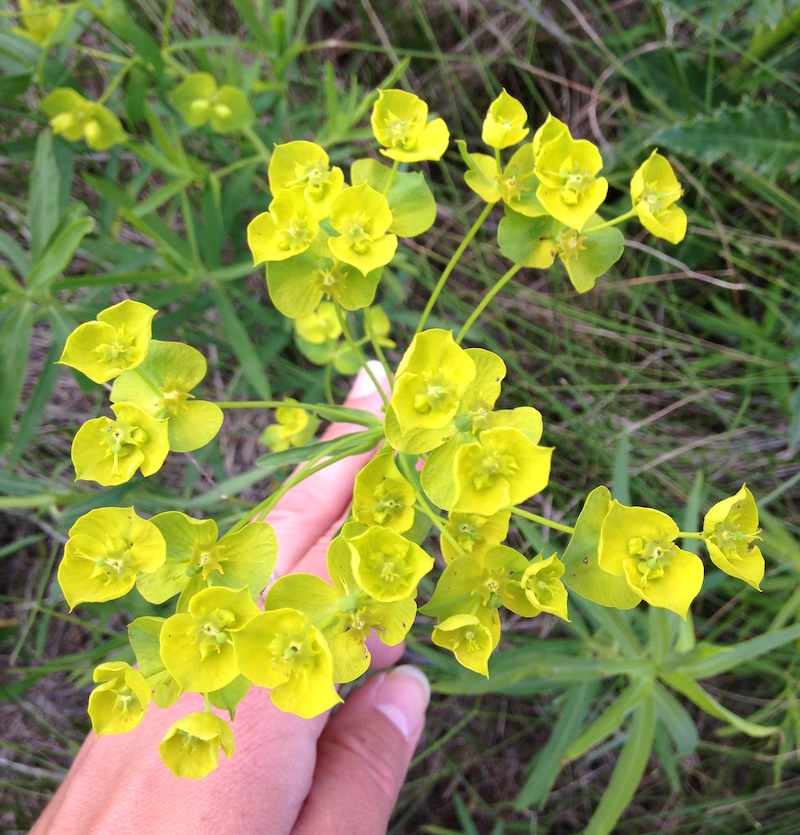
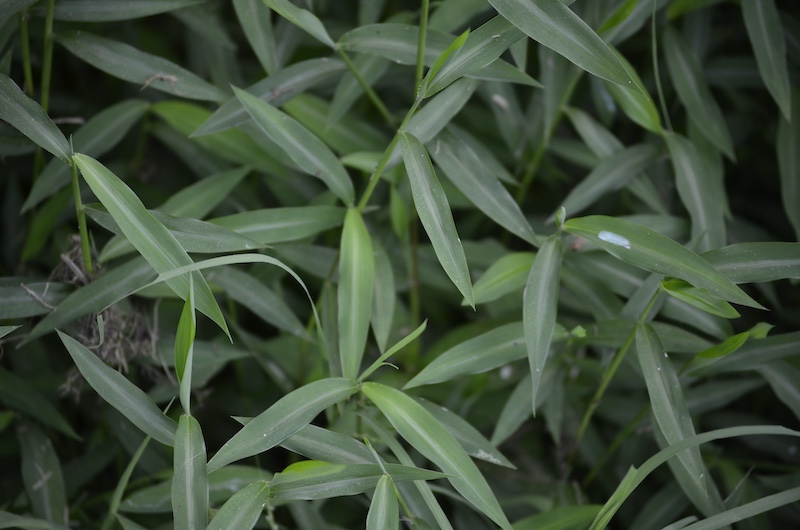
Eight plants are regulated immediately through the update to the Illinois Exotic Weeds Act (525 ILCS 10): tree-of-heaven, garlic mustard, leafy spurge, sericea lespedeza, Japanese stiltgrass, Amur corktree, black swallowwort and pale swallowwort. The policy for Callery pear trees will take effect on Jan. 1, 2028, allowing a phase-out period for nurseries and growers to reduce their stock of planted trees.
Legal definitions and regulations are a crucial tool that can help limit the spread and negative impacts of invasive species.
“The recent change to the Illinois Exotic Weed Act allows IDNR to more easily add species that are harmful to our natural areas and wildlife,” said IDNR plant ecologist Phil Cox. “This will be an important tool to help stop the spread of new invasive plants.”
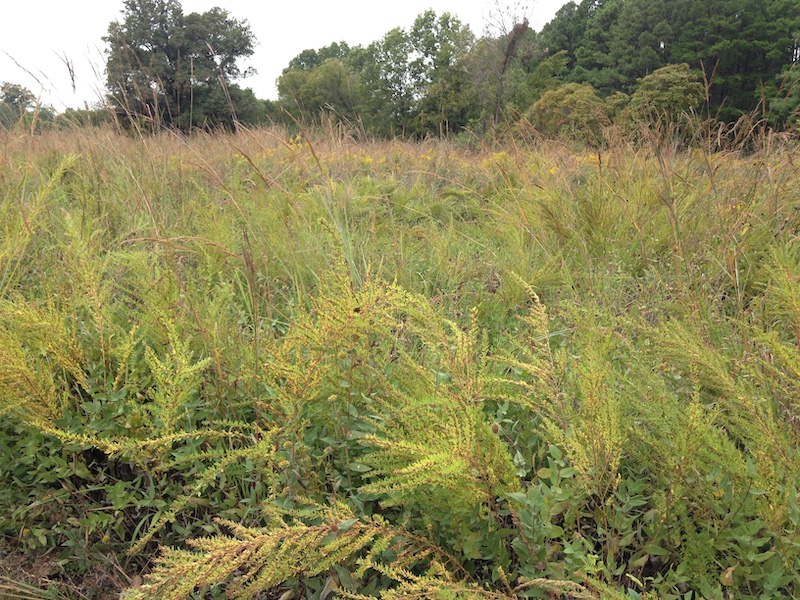
Not all non-native species are invasive; most agricultural crops are non-native, and some native plants are problematic. Some non-native species have been established in Illinois for decades without causing harm.
For a non-native species to be considered invasive, it must have a negative impact on the environment, economy or human health. Invasive species spread quickly and aggressively because they lack the natural controls found in their native habitats. Their populations grow until they cause damage by changing the habitat and competing with native species for resources.
In Illinois, invasive plants are regulated primarily through three regulations: The Illinois Exotic Weed Act; The Illinois Injurious Species Rule; and The Illinois Noxious Weed Law. Noxious weeds are plants that can be harmful to public health, crops, livestock, land or property. Exotic weeds are defined as plants that are not native to North America that spread or naturalize and degrade natural communities, reduce fish and wildlife habitat, or threaten an Illinois endangered or threatened species.
Collectively, these rules restrict the sale and movement of many invasive plant species and genera. Additionally, the movement of weed seeds is regulated by the Illinois Seed Law through the Illinois Department of Agriculture (IDOA), and the movement of aquatic plant material is regulated by the Illinois Boat Registration and Safety Act through IDNR.
Plants that were already regulated include poison hemlock, kudzu, teasels, amur honeysuckle and buckthorn. Rules and the full list of regulated invasive plants are available here.
The act does not regulate the possession of these plants or require the removal of existing plants. The plants can also continue to spread naturally.
The IDNR Office of Law Enforcement is responsible for enforcing these new regulations. They also have an agreement with the IDOA for nursery inspectors to assist in enforcing the regulations when they come across any listed plants being sold at a nursery.
The new species were recommended after being reviewed by the Illinois Invasive Species Council, which includes stakeholders from state and local governments, the nursery and landscaping industry, research institutions and non-profit organizations. Suggestions for invasives to be regulated can be submitted to the committee, which conducts plant assessments, at Illinoisinvasivespeciescouncil@gmail.com. Learn more about the Illinois Invasive Species Council here.
Control options for managing invasive plant species vary, but they include mechanical control such as cutting and pulling, prescribed fire, and chemical control with herbicides.
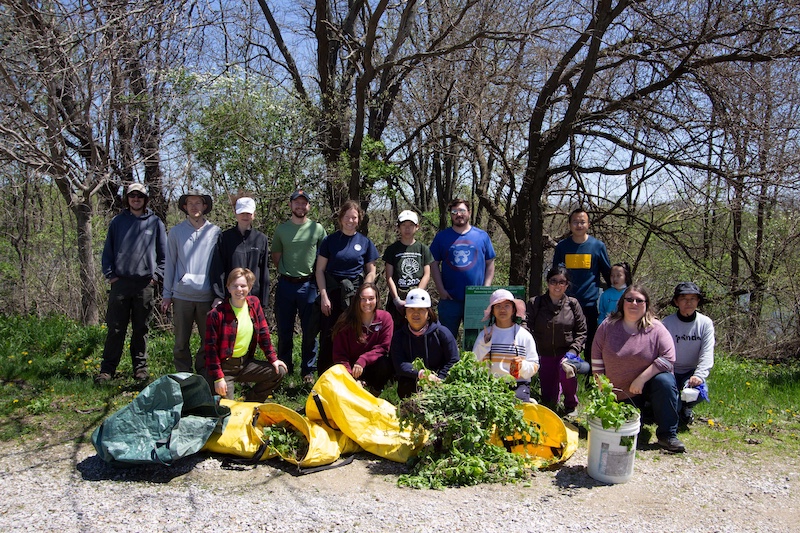
After removing invasive species, native plants may need assistance in recovering. In some cases, replanting native plants may be necessary for restoration. When planting native species, try to use local ecotypes of seeds or plants from within 100 miles of your location. Restoring diverse native plant communities will help prevent future invasions by strengthening the ecosystem but continue to monitor for invasive species.
Emily Steele is a science communicator with University of Illinois Extension. There, she helps natural resources, environment, and energy staff across the state create educational podcasts, blogs, fact sheets, and websites on everything from water quality, climate, forestry, wildlife, and invasive species. A hiker, mountain biker, camper, casual birder, and sometimes hunter, she enjoys exploring the natural areas of her home turf in central Illinois.



Submit a question for the author
Question: Honeysuckle has taken over my entire backyard along the I&M Canal in Channahon Il. I cut most of it in the spring and it continues to grow. How can I kill this without damaging other trees and contaminating the I&M water??