
Photo by Tom Gerth, Pheasants Forever.

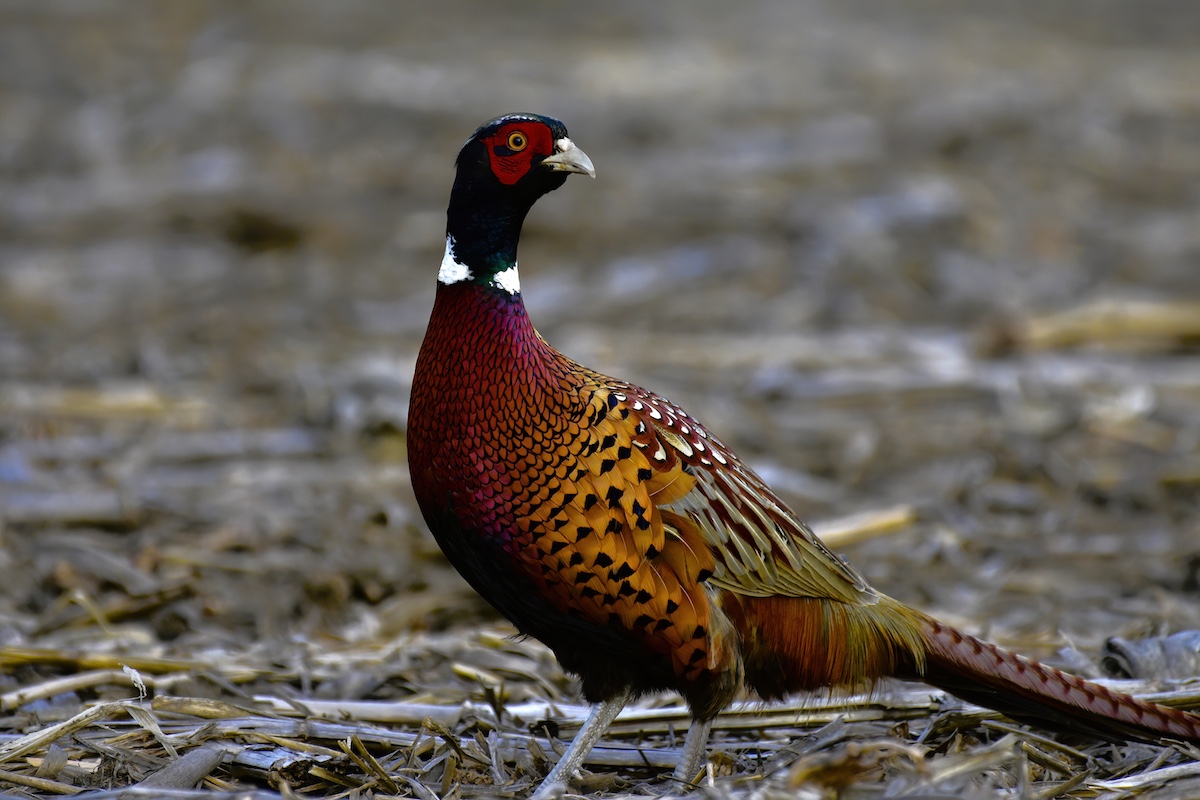
Photo by Tom Gerth, Pheasants Forever.
It is hard to name a more thoroughly studied wildlife species in the United States than the ring-necked pheasant. Most of that research points to one factor – habitat, particularly undisturbed grassland cover – as the primary driver of long-term Midwest pheasant abundance trends, with weather patterns dictating shorter-term fluctuations. Habitat conservation has therefore been the focus of science-based pheasant management for many decades.
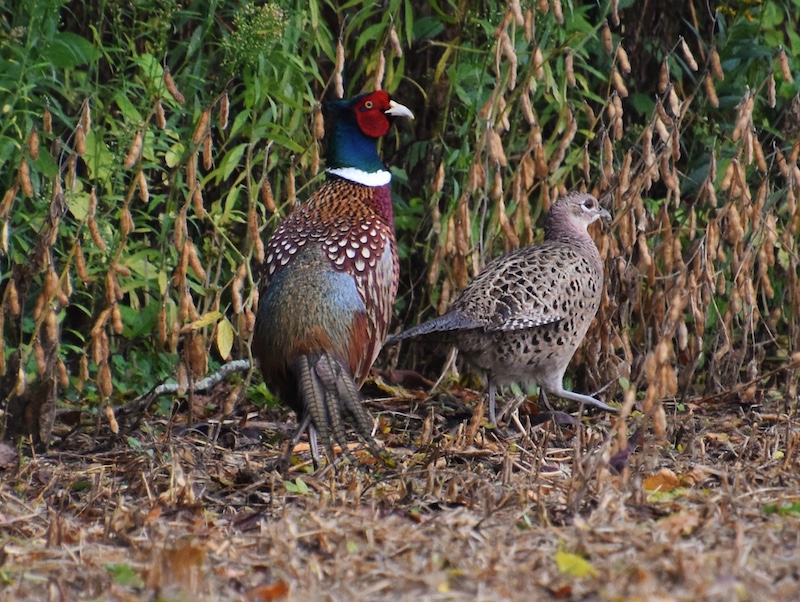
But simply knowing that populations depend on habitat hasn’t prevented widespread declines in both, with continental pheasant numbers on a mostly downward path since the 1940s. Those wanting to reverse the decline inevitably arrive at two related questions: 1) how much habitat do we need to restore and protect, and 2) where on the landscape will our work be most productive? For all the research we’ve done, we still don’t have reliable answers to those key points, meaning we may not be delivering results as efficiently as possible.
For conservation organizations trying to wisely implement habitat projects with limited funds, that’s a problem. The U.S. Department of Agriculture (USDA) is perhaps our largest investor in wildlife habitat in farming landscapes, and among USDA offerings, no national program has been more consequential to pheasants than the USDA-Farm Service Agency’s Conservation Reserve Program (CRP). First authorized by the 1985 federal Farm Bill, privately owned grasslands established under the CRP have been the lifeblood of pheasant populations in several Midwestern states, but the program’s impact has been diminished in recent years due to a drop in enrolled acres. Now more than ever, USDA and others interested in pheasants need to work together to make every CRP acre count in each state.
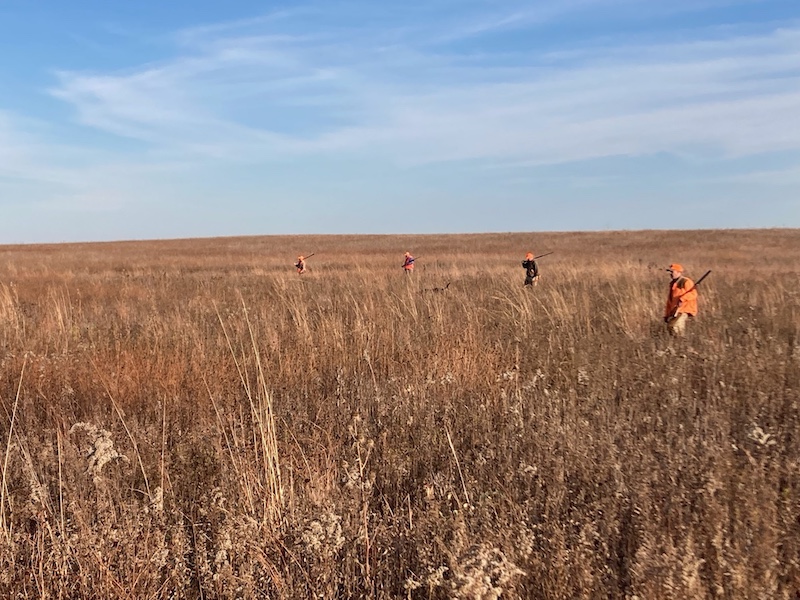
To that end, USDA-FSA is partnering with ecologists from Pheasants Forever, Ohio State University (OSU) and numerous state wildlife agencies to develop more reliable predictions about pheasant abundance outcomes related to changes in CRP and other habitats. Principle investigators at OSU are using decades of standardized counts of crowing males in the spring (“crow counts”) donated by North Dakota, Kansas, Wisconsin, and Ohio, along with habitat measurements around those survey points to create abundance prediction models using both traditional statistical methods and newer artificial intelligence-based approaches. At the same time, partners in states across the pheasant range are collecting additional relative abundance data with which to test the accuracy of predictions made by the models. If sufficiently accurate abundance predictions can be made based only on an area’s habitat characteristics, the partners should be able to identify the most impactful habitat changes to make—and where to make them—within each participating state.
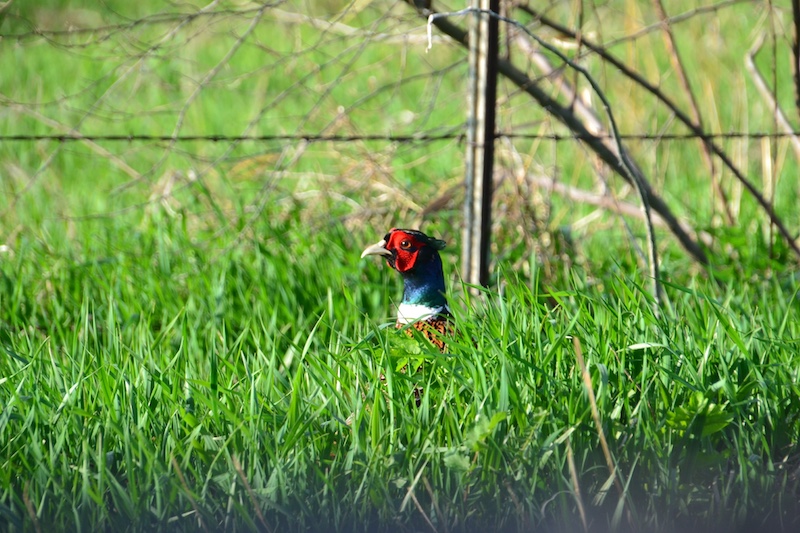
Partners in Illinois are contributing to the project in two ways. First, the Illinois Department of Natural Resources (IDNR) is among a group of 17 state wildlife agencies providing financial assistance for project coordination, as well as input on project goals and execution through participation in the National Wild Pheasant Technical Committee. In addition, biologists with Illinois Pheasants Forever are helping collect pheasant survey data using automated recording devices (ARUs), which record pheasant crows and other bird sounds throughout the spring. These data will be used to help measure 1) the variability of pheasant crowing behavior within and among spring days, and thus the reliability of traditional, more brief in-person crow counts, and 2) the accuracy of the relative abundance prediction models currently in development at OSU. Initial recordings were collected in 2026 and will likely continue for another year or two.
This multi-state project is arguably the most ambitious pheasant research effort ever attempted, but if successful, its results could help guide state pheasant habitat restoration strategies for years to come. We thank the IDNR, Illinois Pheasants Forever, USDA-FSA and our other partners across the country for their essential contributions.
This material is based upon work supported by the U.S. Department of Agriculture, under agreement number FSA23CPT0013596. Any opinions, findings, conclusions, or recommendations expressed in this publication are those of the author(s) and do not necessarily reflect the views of the U.S. Department of Agriculture. In addition, any reference to specific brands or types of products or services does not constitute or imply an endorsement by the U.S. Department of Agriculture for those products or services.
Dr. Scott Taylor is the National Wild Pheasant Conservation Plan Coordinator with Pheasants Forever, Inc.




Submit a question for the author