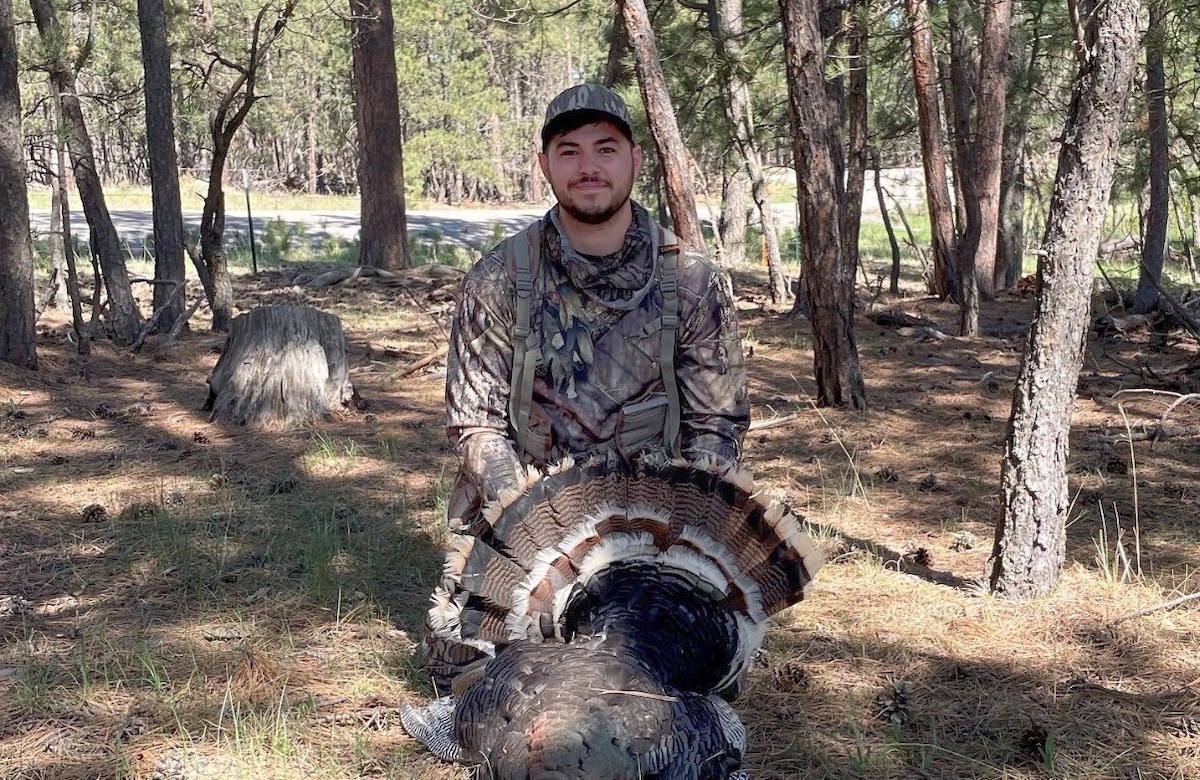
All photos courtesy of Eric Canania.

All photos courtesy of Eric Canania.
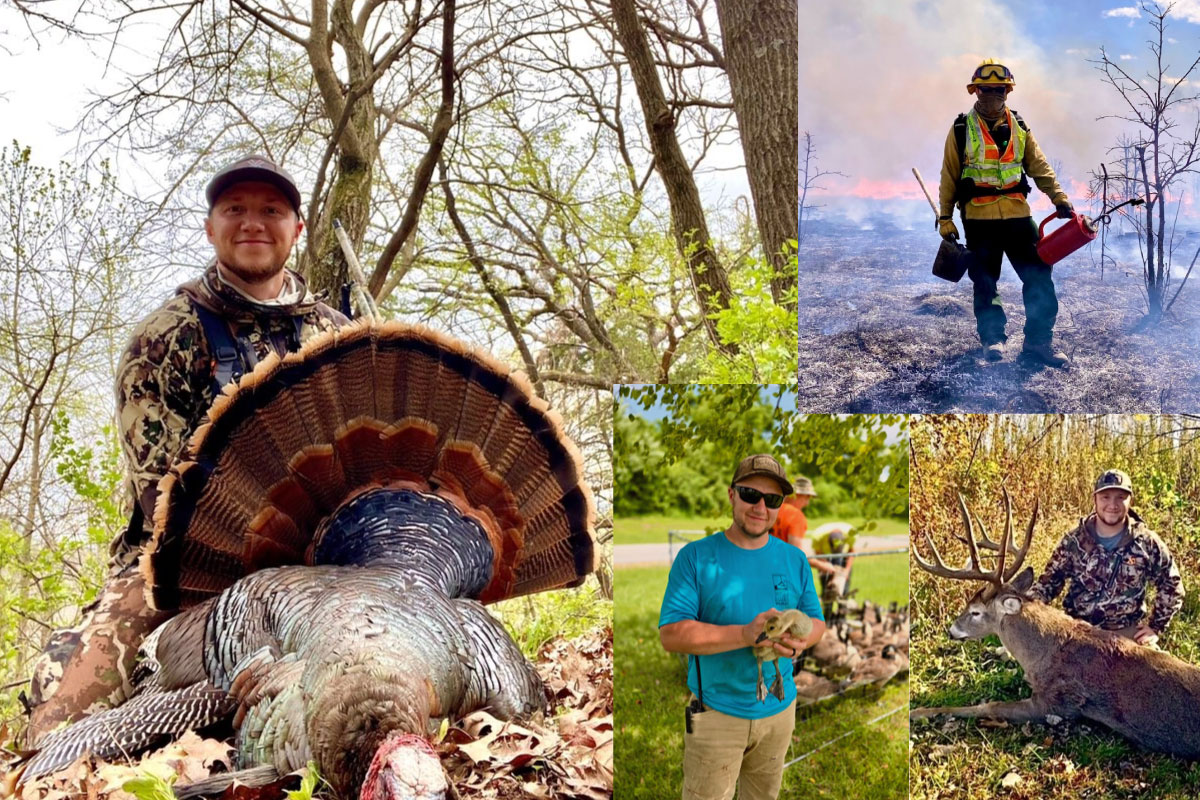
Growing up in the rolling landscapes of southwestern Illinois, Eric Canania didn’t just spend time outdoors — he was shaped by it.
From hunting and fishing as a junior high student to forging lifelong bonds with family and friends in the field, the outdoors became both a classroom and a constant companion for Canania. Those early experiences planted the seed for what would eventually become a career devoted to conserving the very resources that gave him so much.
“I wanted to do what I loved,” Canania said. “Time spent outdoors made me who I am — it built relationships and memories that will stick with me for a lifetime. This career is my way of giving back and protecting those same opportunities for future generations.”
That passion for wildlife conservation — fueled by a belief that “you fight for what you’re passionate in” — has guided Canania through years of education, research and professional work across the Midwest. Today, he brings that experience home as an Illinois Department of Natural Resources (IDNR) District Wildlife Biologist (DWB), serving five counties in southern Illinois.
While Canania’s connection to the outdoors began early, his career focus didn’t fully crystallize until college. He attended the University of Wisconsin–Stevens Point, earning a bachelor’s degree in Wildlife Ecology, Research and Management. There, hands-on fieldwork cemented his interest in wildlife research and habitat management, particularly white-tailed deer ecology.
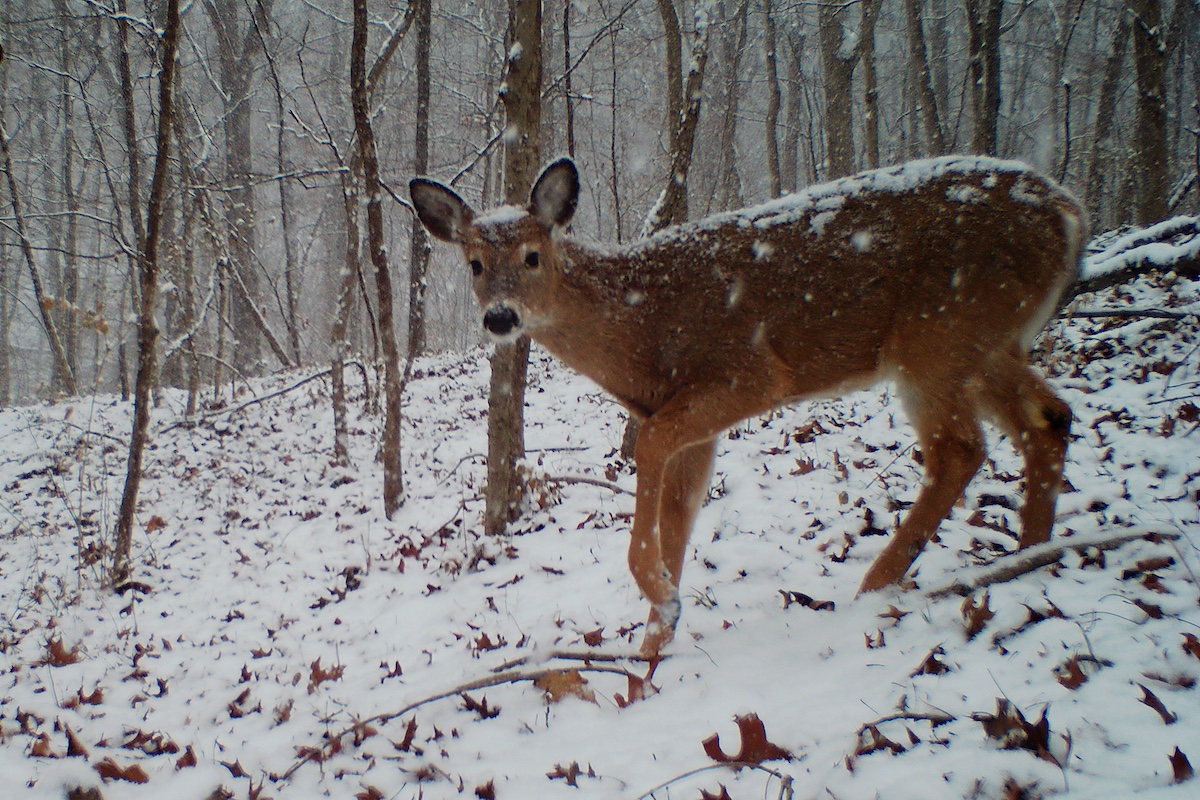
As an undergraduate, Canania participated in long-term research projects in collaboration with the University of Wisconsin – Stevens Point and the Wisconsin Department of Natural Resources, live-trapping deer and fitting them with telemetry collars to study seasonal movements and home range use. Trail cameras were used to estimate population densities within park systems, while researchers also examined vigilance behavior across age and sex classes, including adult deer and fawns.
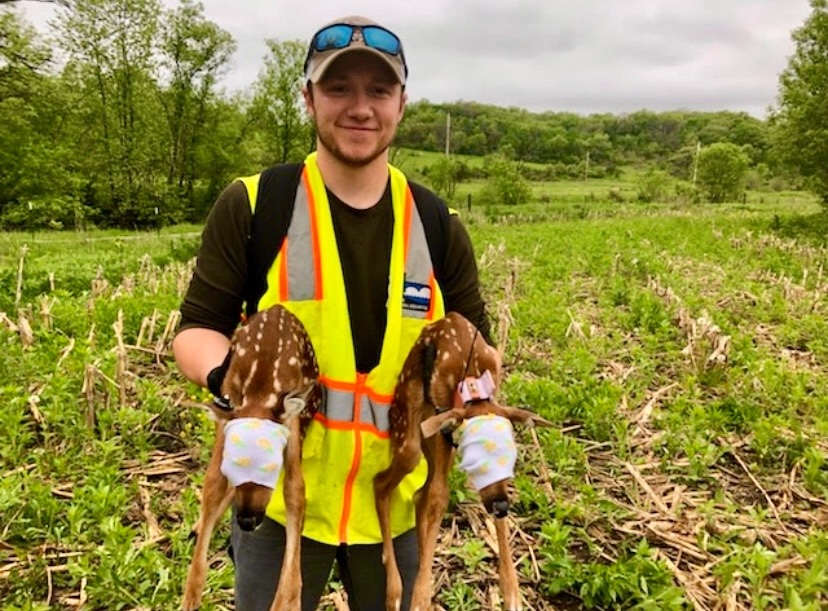
Those experiences sparked a deeper interest in research-driven management and ultimately led him to graduate school.
Canania pursued graduate studies at Southern Illinois University Carbondale, where his work focused on deer disease and predator-prey dynamics. His research involved capturing adult deer, fitting them with GPS collars, and mapping landscape use to understand how adult habitat overlaps with fawning areas — and, critically, predator ranges.
By monitoring collared fawn mortality within those overlapping zones, Canania helped determine predation rates and survival factors, producing information that helps to directly inform wildlife management decisions.
“That applied side of research really appealed to me,” he explained. “Understanding how animals actually use the landscape, and how predators, habitat and human activity intersect, is essential to making good management decisions.”
Along with graduate school research, Canania built a diverse resume across public and private conservation roles. He worked as a private lands habitat specialist with a conservation-focused habitat management company in northwestern Illinois near the Quad Cities, helping landowners improve habitat while balancing agricultural and wildlife goals.
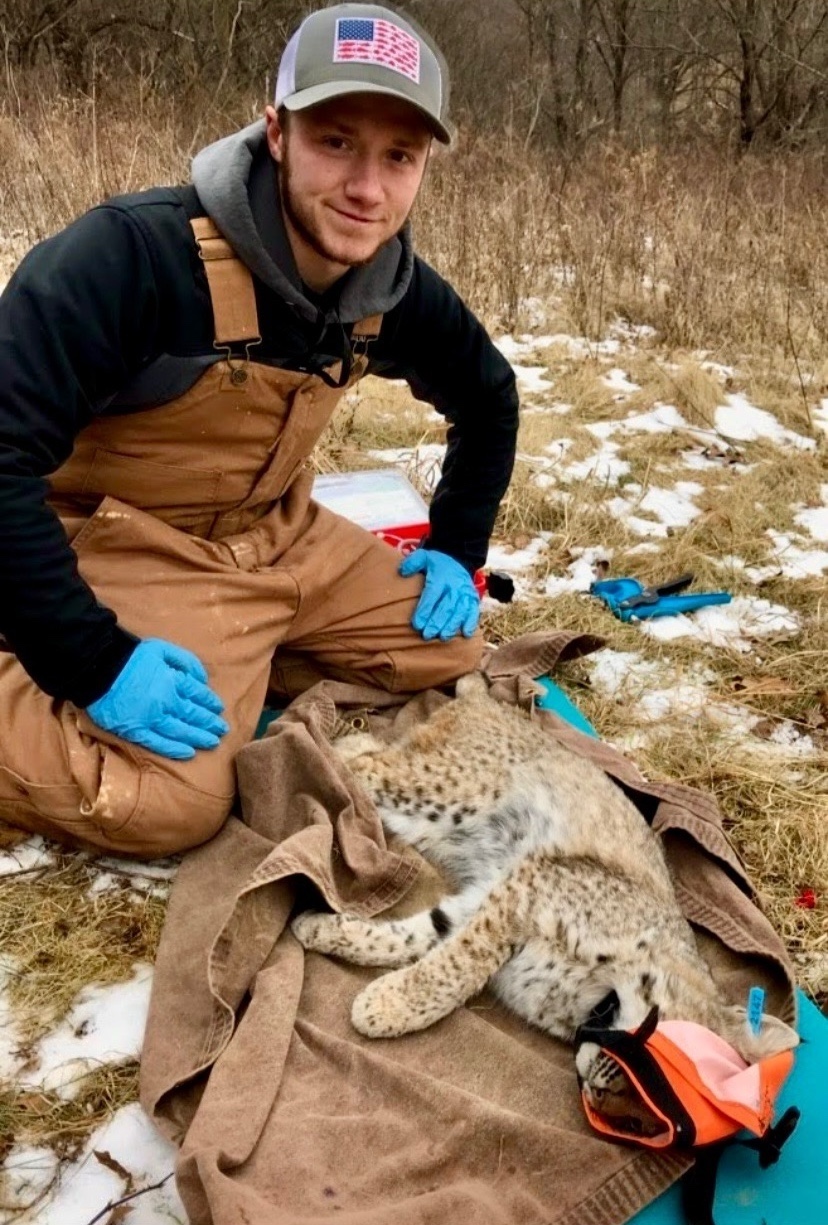
It was then that an opportunity to advance his career in applied wildlife conservation emerged encouraging Canania to set aside his graduate studies. Canaia joined the Wisconsin Department of Natural Resources, first as an Assistant Deer and Elk Ecologist, then in 2016 as a Southern Wisconsin District Deer Biologist. There, he expanded his work with private lands, bridging the gap between research, habitat management and stakeholder collaboration.
In 2022, Canania further diversified his experience with the Wisconsin DNR by changing his position to a county wildlife biologist overseeing Grant, Richland and Riverway properties in Crawford County, Wisconsin. In this role he helped manage wildlife habitat and was the primary game species management contact for his counties. In July of 2024, he moved home and officially joined IDNR as a District Wildlife Biologist, bringing his career full circle.
As a DWB, Canania now covers St. Clair, Monroe, Randolph, Washington and Perry counties, working on a diverse mix of public lands that include Kaskaskia River State Fish and Wildlife Area (SFWA), Peabody-River King SFWA, Turkey Bluffs SFWA and Pyramid State Recreation Area, among others.
Each property presents unique challenges and opportunities, but Canania’s approach remains consistent: science-based management with an eye toward long-term ecological health that benefits wildlife and recreational users alike.
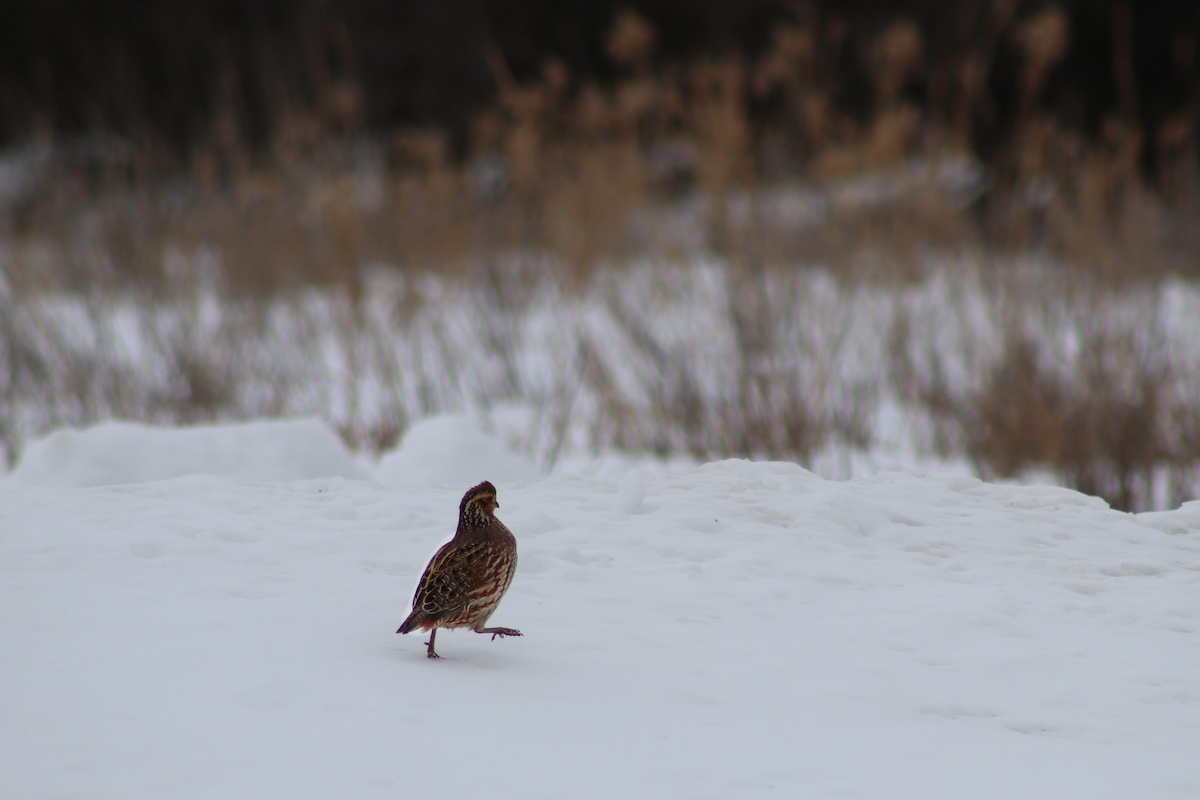
One species, in particular, has become a focal point of his work: the northern bobwhite quail.
For Canania, northern bobwhite quail represent more than just a game species — they’re a keystone indicator of healthy upland habitat and an incredible example of wildlife resiliency.
“If you manage land well enough for quail, you’re helping a lot of species, both game and non-game, too,” he said. The “trickle effect” of quail management also benefits pollinators, wild turkeys, white-tailed deer, and countless other species that rely on early successional and diverse upland habitats.
At Peabody-River King SFWA, Canania is helping implement a comprehensive quail management plan. Recent efforts include treating more than 200 acres of woody invasive species, and controlling 60 acres of phragmites to regain vitally important grassland habitat. Food plots tailored for quail are being established and fall disking and other specialized applications conducted to promote annual forb growth and increase quality brooding habitat.
Looking ahead, Canania hopes to expand these efforts through prescribed fire, using a checkerboard approach to create varied structure and increase connectivity across the landscape. He also plans to plant native warm-season grasses and native flowering forbs that thrive in southern Illinois conditions and provide year-round habitat benefits.
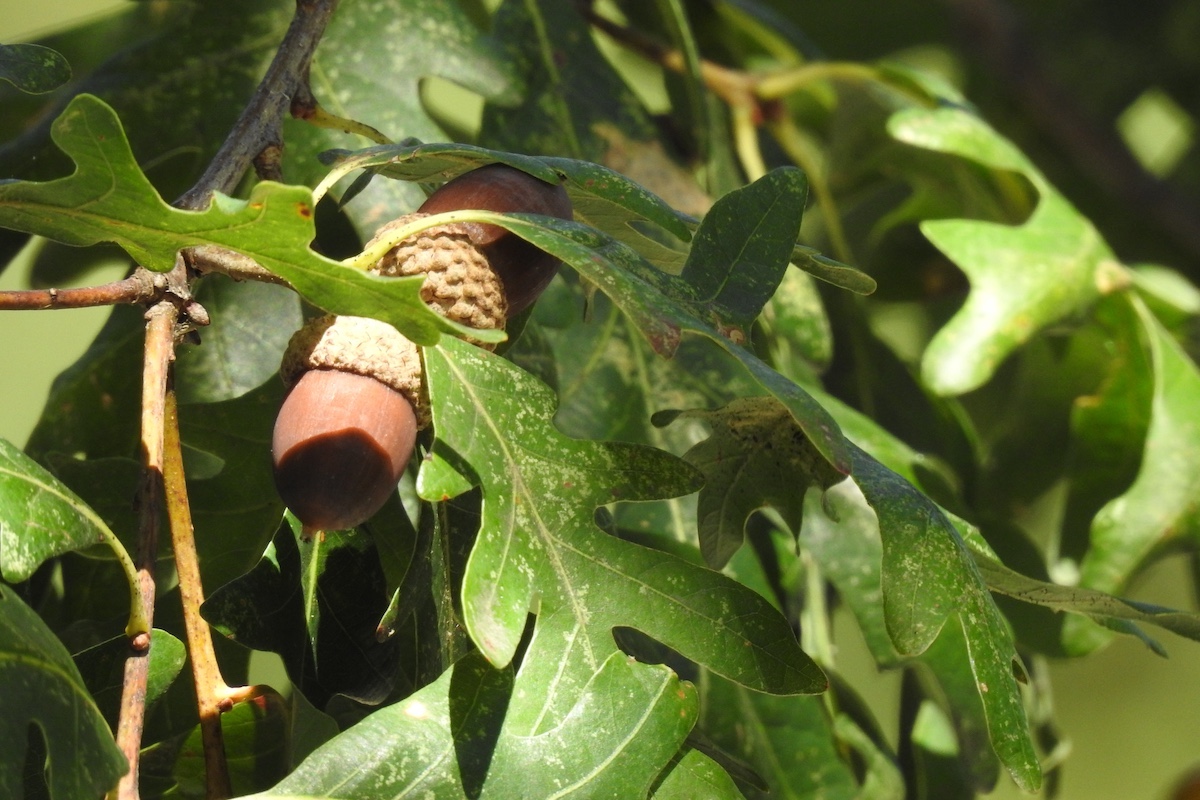
Beyond grasslands, forestry projects are also a major focus. At Turkey Bluffs and sites in Washington County, Canania is working to control invasive species while improving oak regeneration and establishing a more open woodland dynamic, a critical component for turkey nesting habitat and high-quality deer forage.
Like many wildlife professionals, Canania faces challenges, with funding consistently topping the list. Still, he remains optimistic, emphasizing the importance of strategic planning, maintaining organizational partnerships and building relationships with the public to stretch conservation dollars and his impact as far as possible.
From mentoring new hunters to managing complex public landscapes, Canania’s work reflects a lifelong commitment to conservation rooted in personal experience.
“The outdoors gave me so much,” he said. “This career is about protecting that — not just for today, but for the next generation.”
With deep ties to the region and a career built on science, collaboration and passion, Eric Canania is helping ensure southern Illinois remains a place where wildlife — and the people who value it — can thrive.
Kaleigh Gabriel is a Wildlife Outreach Specialist with Lewis and Clark Community College, working out of the Illinois Department of Natural Resources building to assist the Division of Wildlife Resources. Growing up just between Sangamon and Christian counties, she spent a lot of her time hunting and fishing in Illinois. She received her bachelor’s degree in writing/journalism from Manchester University, Indiana.


Submit a question for the author