
Photo by Patty Gillespie.

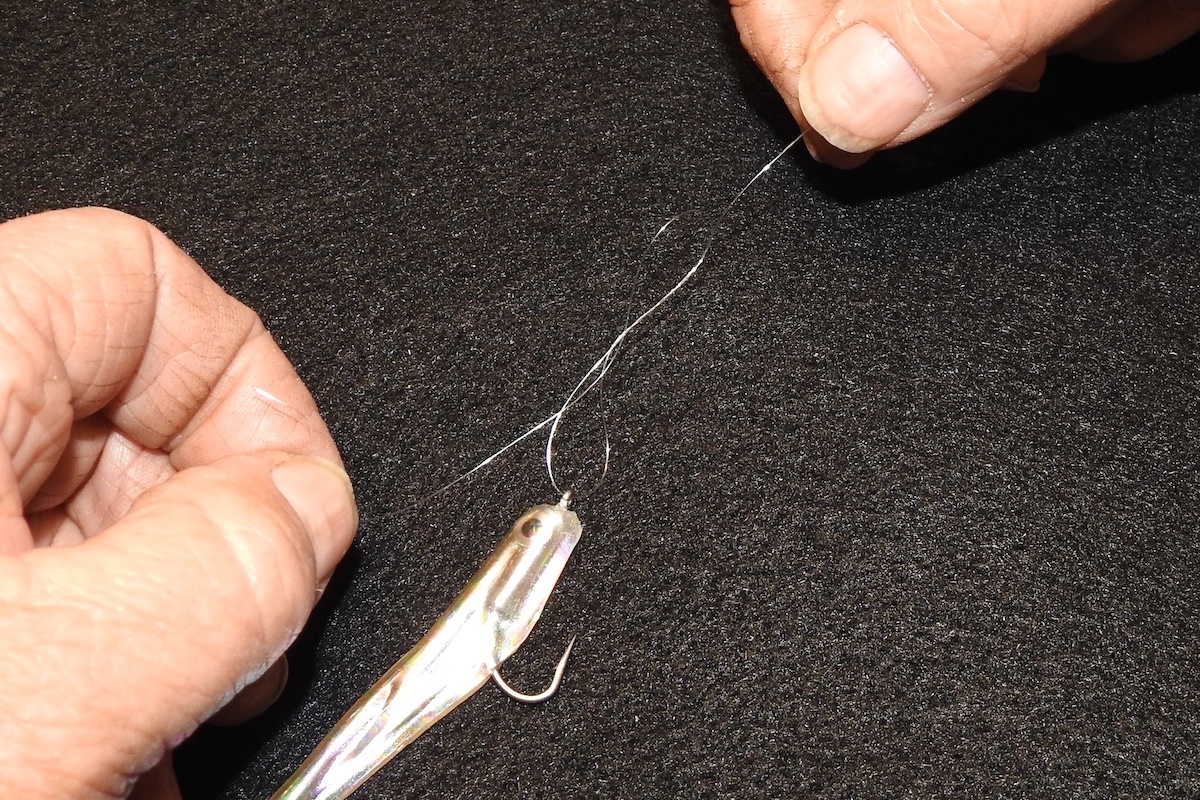
Photo by Patty Gillespie.
You can memorize every knot in the book, but if you tie them with cheap, brittle line or sun-rotted rope you are just wasting your time. In my years on patrol, I saw a lot of folks blame the knot when the real culprit was the material. Getting something rated for its use is a great way to ensure a lasting hold.
If you want your gear to hold when it counts, here is what you need to stock up on for your tackle box, boat locker and hunting pack. Remember each type of line and rope wears differently in the environment. Additionally, some are designed to float on the water which is nice when it is preferred. Don’t forget to prepare your lines properly, including melting/whipping the ends of paracord or lines to keep them from fraying. Learn how to store or drape lines for easy deployment when needed.
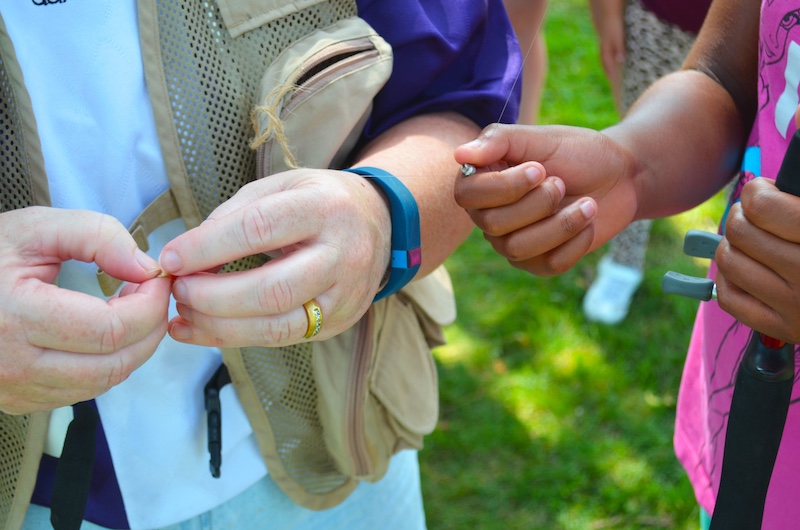
Different techniques require different lines. You should have at least one spool of each of these three main types.
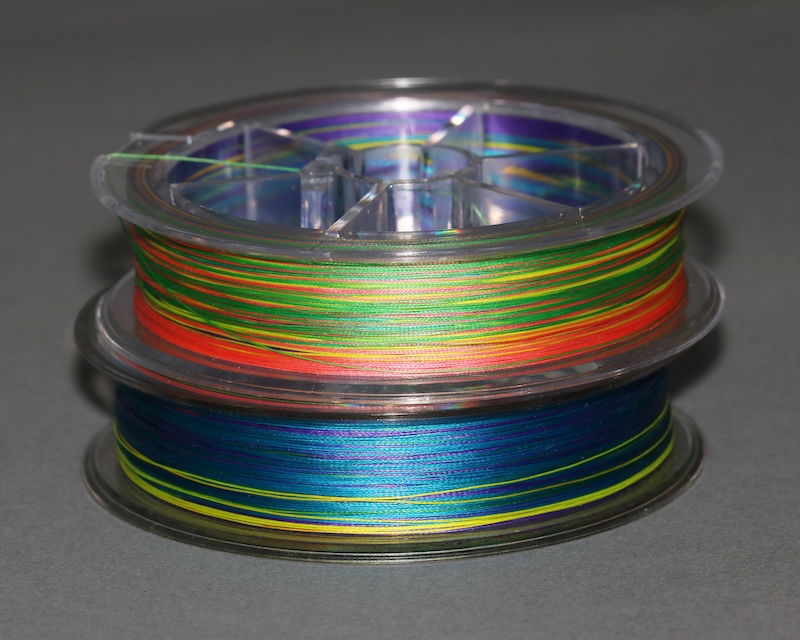
• Braided Line (The Weed Cutter): Braided line has zero stretch and an incredibly thin diameter for its strength. It cuts right through lily pads and gives you immediate sensitivity to feel a bite. PowerPro or SpiderWire Stealth in 15- to 30-pound test are excellent choices. Warden’s Note: Braid is slippery. This is exactly where you must use the Palomar Knot.
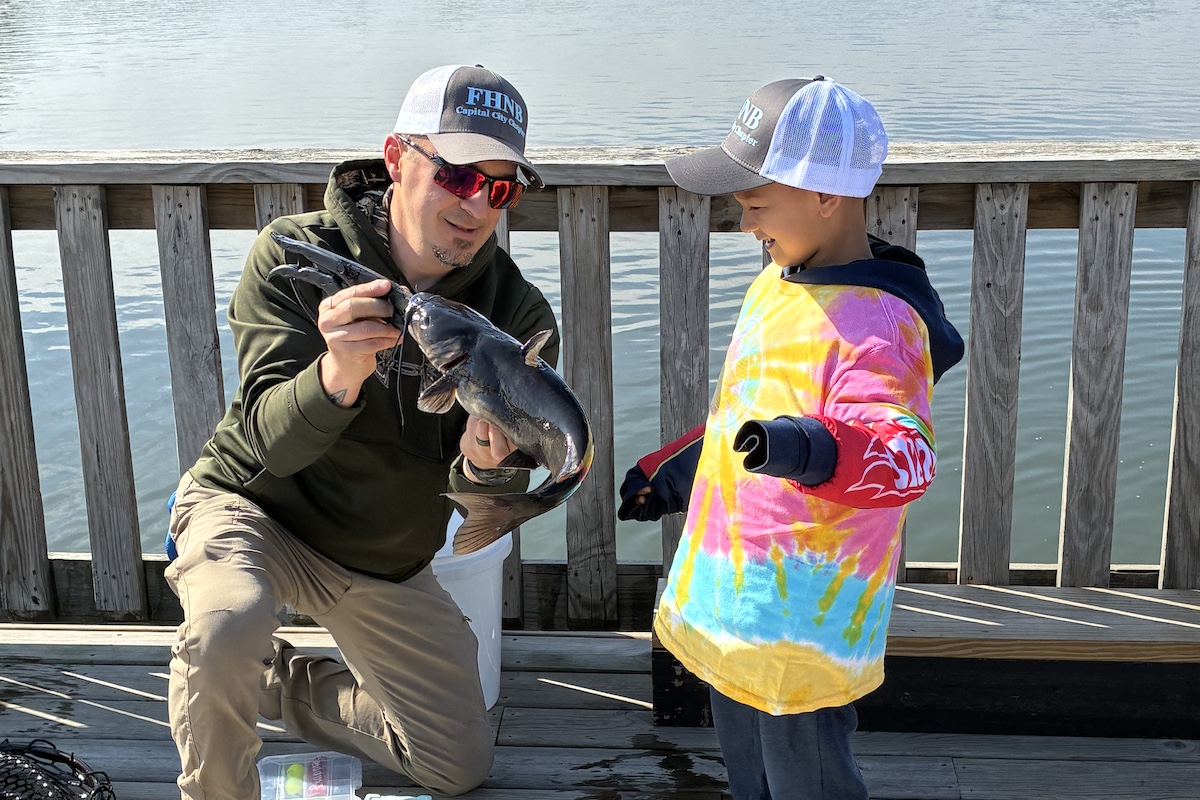
• Monofilament (The Old Reliable): Monofilament stretches, which acts like a bungee cord to keep a fish from ripping a treble hook out of its mouth when it thrashes. It also floats, making it perfect for topwater lures. Berkley Trilene XL (for easy casting) or Trilene Big Game (for hauling big catfish) are industry standards. The Improved Clinch Knot bites into mono perfectly. I’ve seen a variety of lines available on store shelves. Find one that works for you and in your budget.
• Fluorocarbon (The Invisible Leader): Fluorocarbon line bends light at the same angle as water, making it nearly invisible to line-shy fish. It also sinks, which helps get diving crankbaits down deeper. It is stiffer and more expensive than monofilament, so most anglers use it just for leader material. Seaguar (like their Red Label or InvizX) makes some of the best fluorocarbon on the market.
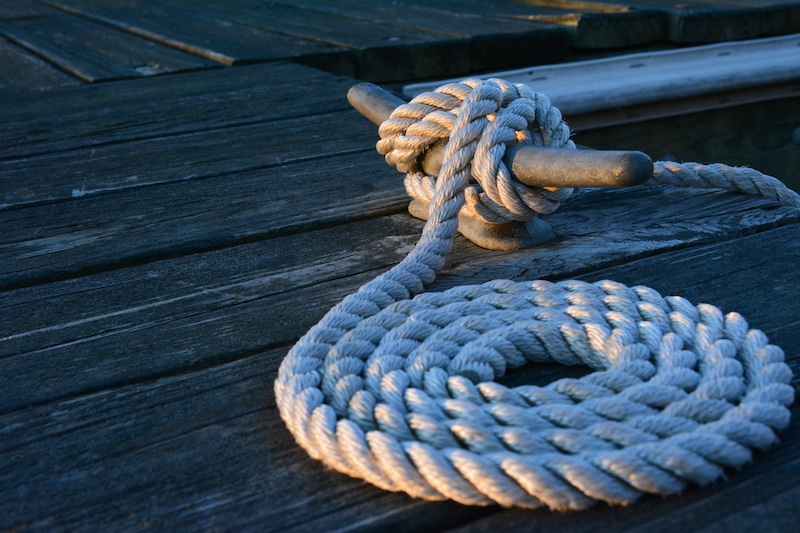
Please, for the sake of your boat’s gel coat and my peace of mind, throw away the cheap yellow polypropylene rope from the hardware store. It degrades in the sun, melts under friction and has no place securing a vessel.
• Dock Lines: You want Double-Braided Nylon. Nylon stretches, which is critical because it absorbs the violent shock of boat wakes and wind gusts rather than ripping your dock cleats out. A 3/8- or 1/2-inch double-braided nylon line is perfect for most recreational boats on Illinois lakes.
• Anchor Lines: Look for 3-Strand Twisted Nylon. Twisted nylon is incredibly durable, handles abrasion against rocks and river bottoms well and sinks—which keeps the angle of your anchor line low so the anchor stays dug into the mud.
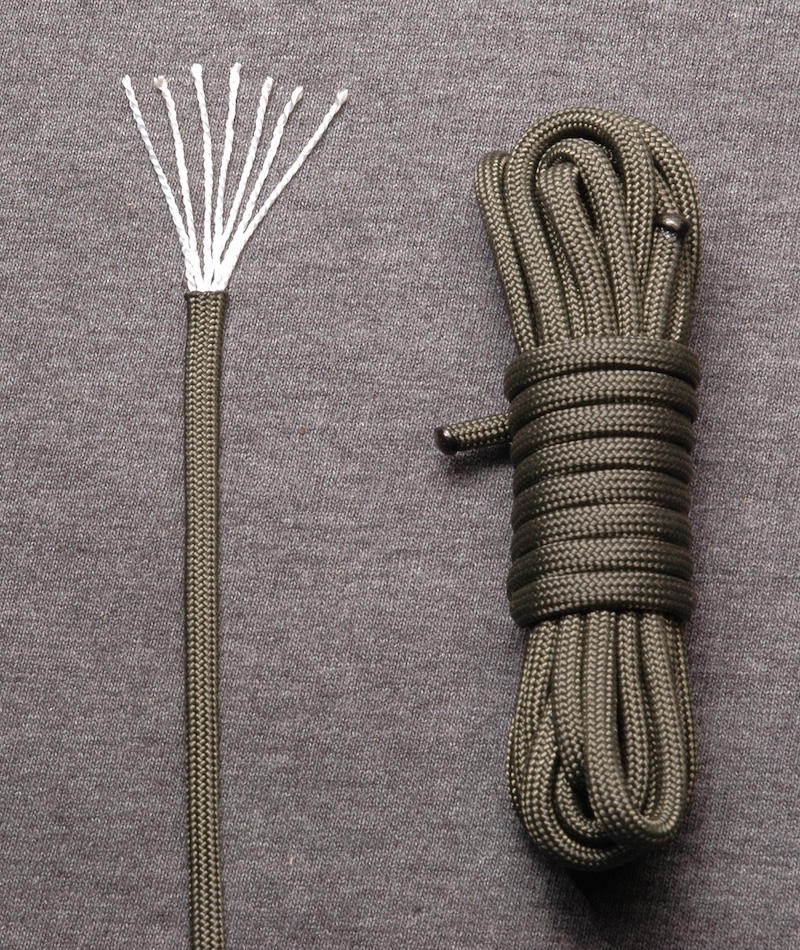
When you head into the timber, you need cordage that is versatile, strong and easy to pack.
• 550 Paracord (Mil-Spec Type III): This is the undisputed king of camp cordage. True 550 paracord is made of nylon and contains seven twisted inner strands. It holds up to 550 pounds of static weight, won’t rot and is perfect for securing tent guy lines with a Taut-Line Hitch or hanging a bear bag. There are many online and local options for basic and/or standard military-spec options. It is helpful to keep a spool of high-visibility orange and a spool of muted green or brown in your bag. I use this line often and buy it in a bulk 500-foot spool. One of my more common uses is as a pull string for the dozen or so tree stands I have.
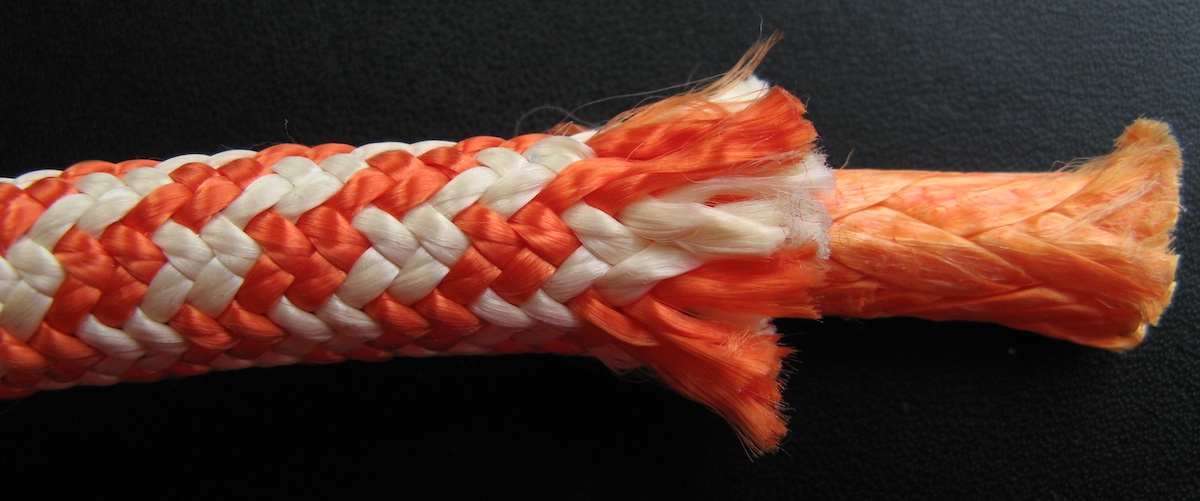
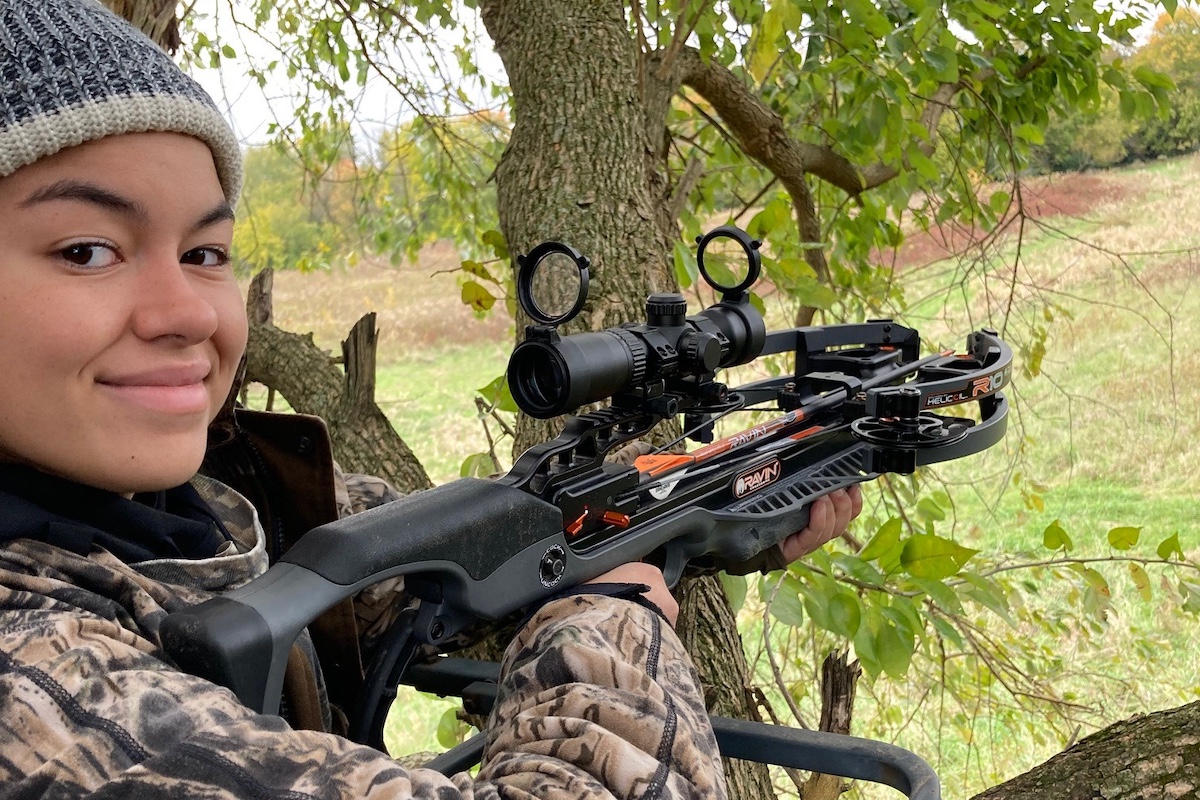
• Heavy Utility Rope (Braided Polyester or Nylon): Paracord is great, but it is thin. If you are tying a Trucker’s Hitch to drag a heavy whitetail out of a thicket, or tying a Bowline to safely haul an unloaded shotgun 20 feet up to your tree stand, thin paracord will dig painfully into your hands. Keep a 50-foot hank of 3/8-inch braided utility rope in your truck bed or pack for heavy lifting and dragging. The thicker rope is easier on your hands to grip. Paracord may be able to handle the weight but has a tendency to dig into your hands when pressure is applied. A larger rope is a must-have for hands on rope use.
Need help with your knot tying skills? Check out the companion article, “The Tie That Binds: A Game Warden’s Field Guide to Knots on the Water and in the Woods.”
Steven Beltran dołączył do Policji Ochrony Przyrody stanu Illinois w 2000 roku, a w 2024 roku przeszedł na emeryturę jako sierżant w północno-zachodnim Illinois.







Prześlij pytanie do autora