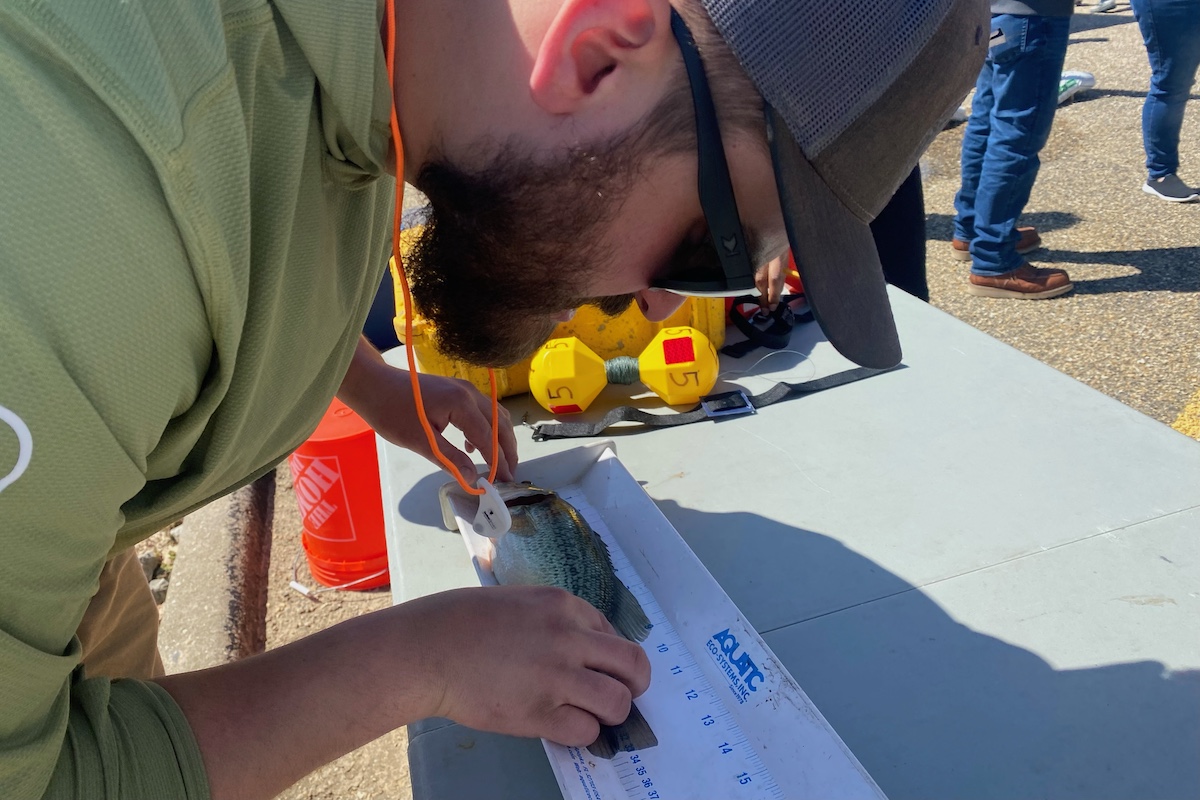
Photos by Eliha Perez, an Illinois Department of Natural Resources Conservation Education Representative

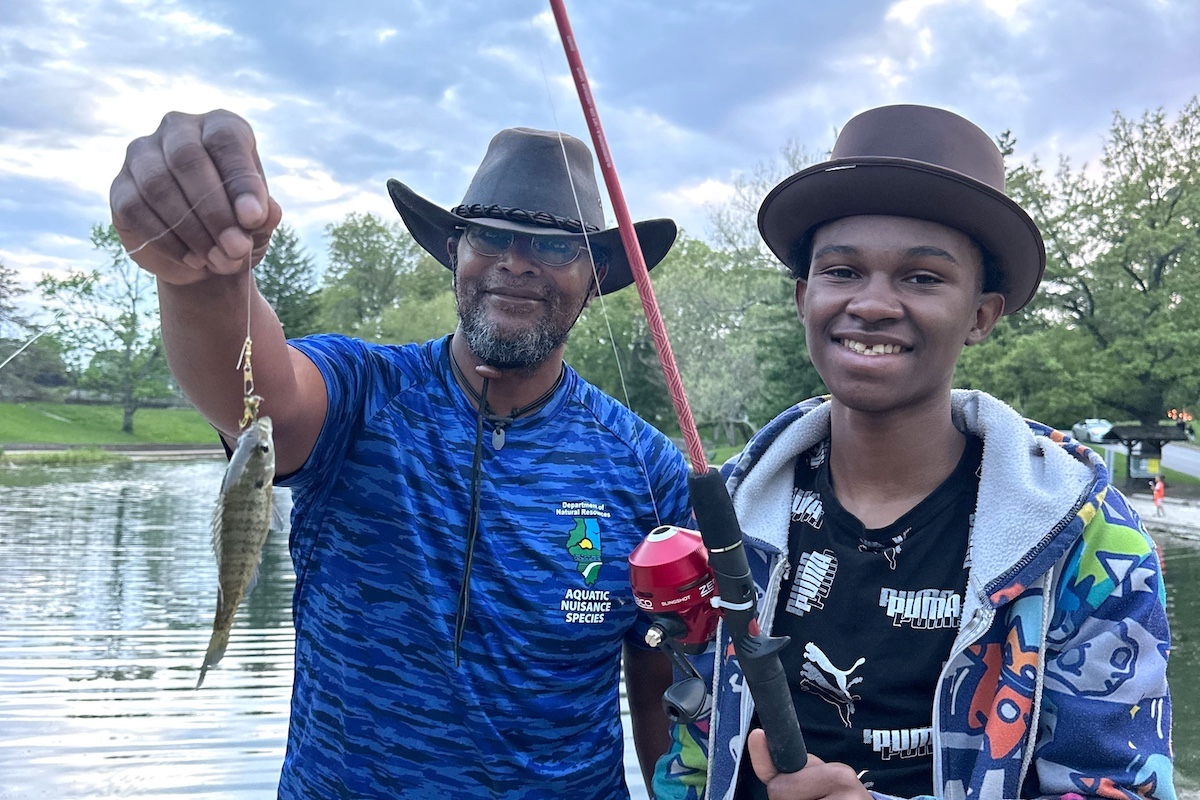
Photos by Eliha Perez, an Illinois Department of Natural Resources Conservation Education Representative
Imagine living within a mile of a river or lake and never experiencing the joy of being in or on the water. Or of wanting to go fishing but not having anyone to teach you how. This is reality for many people, but a dedicated group hope to change that for as many people as they can.
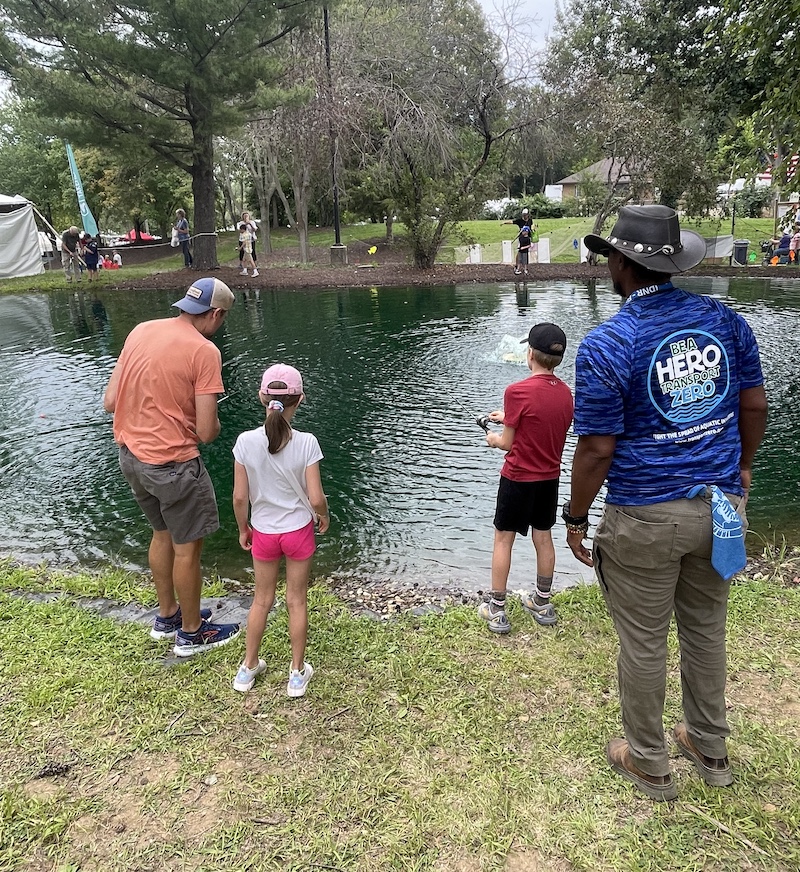
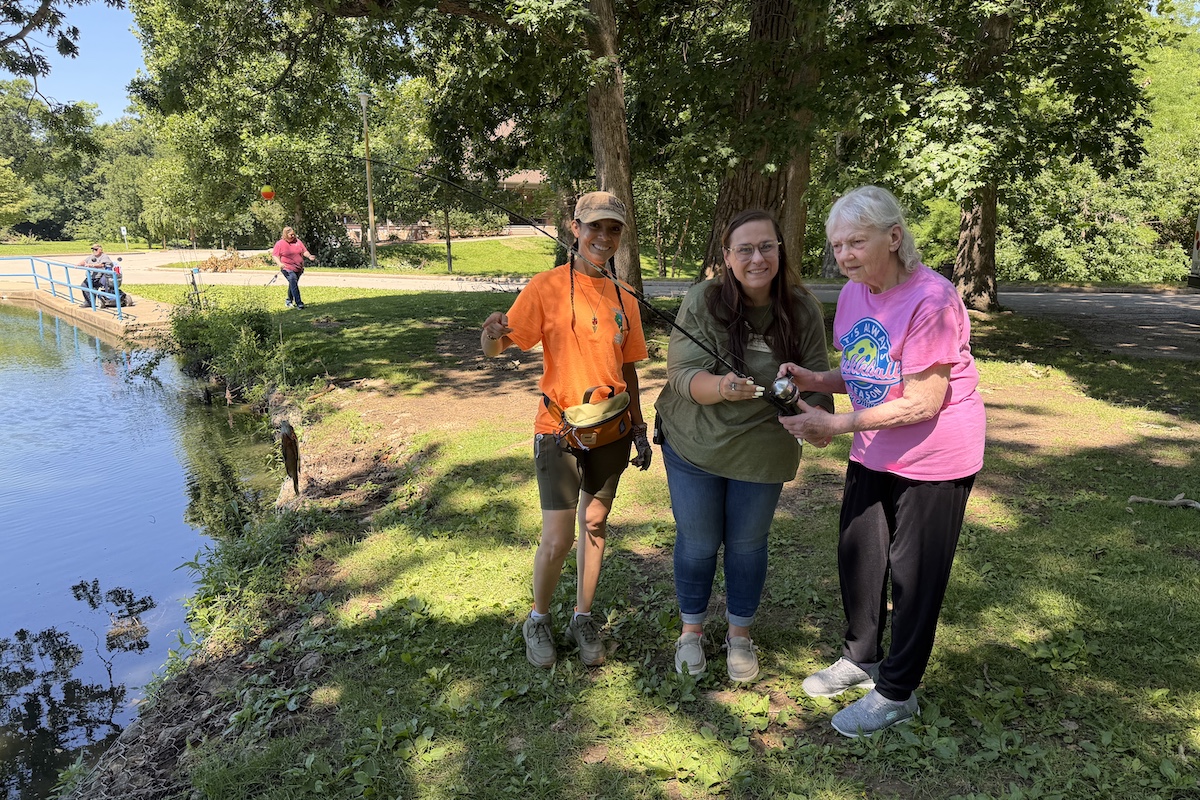
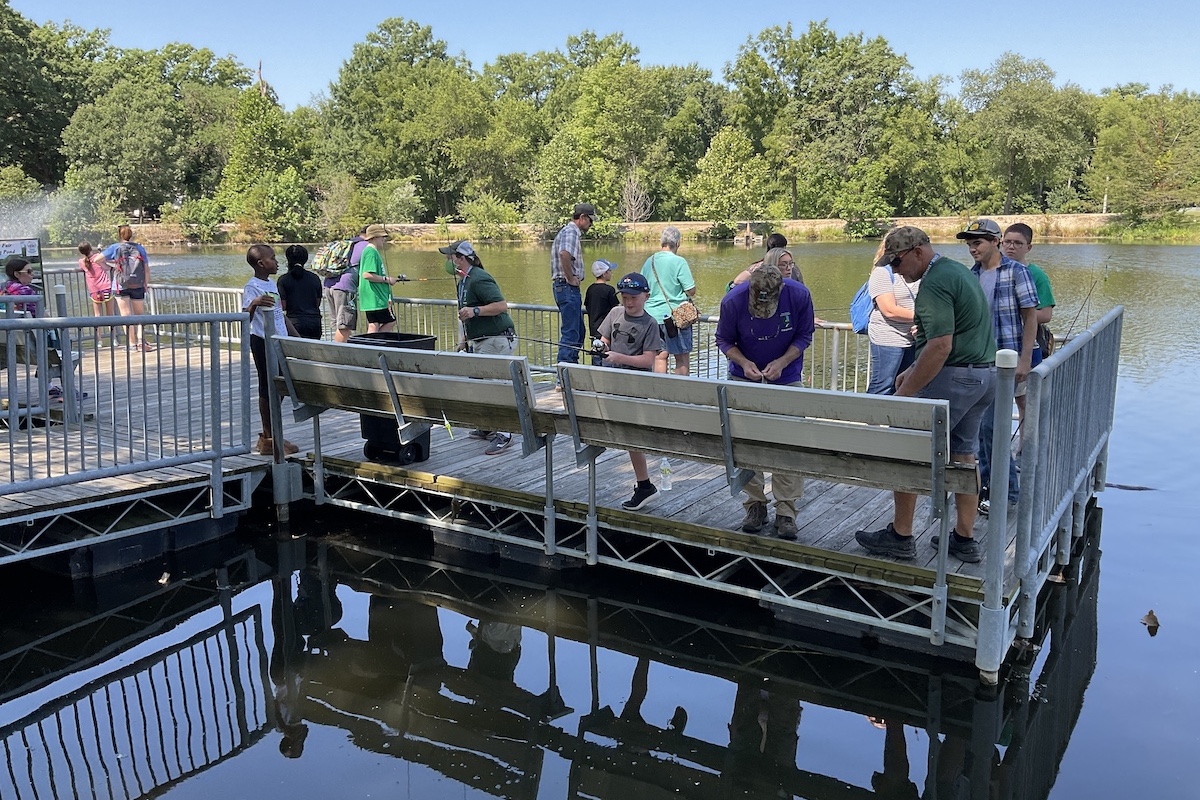
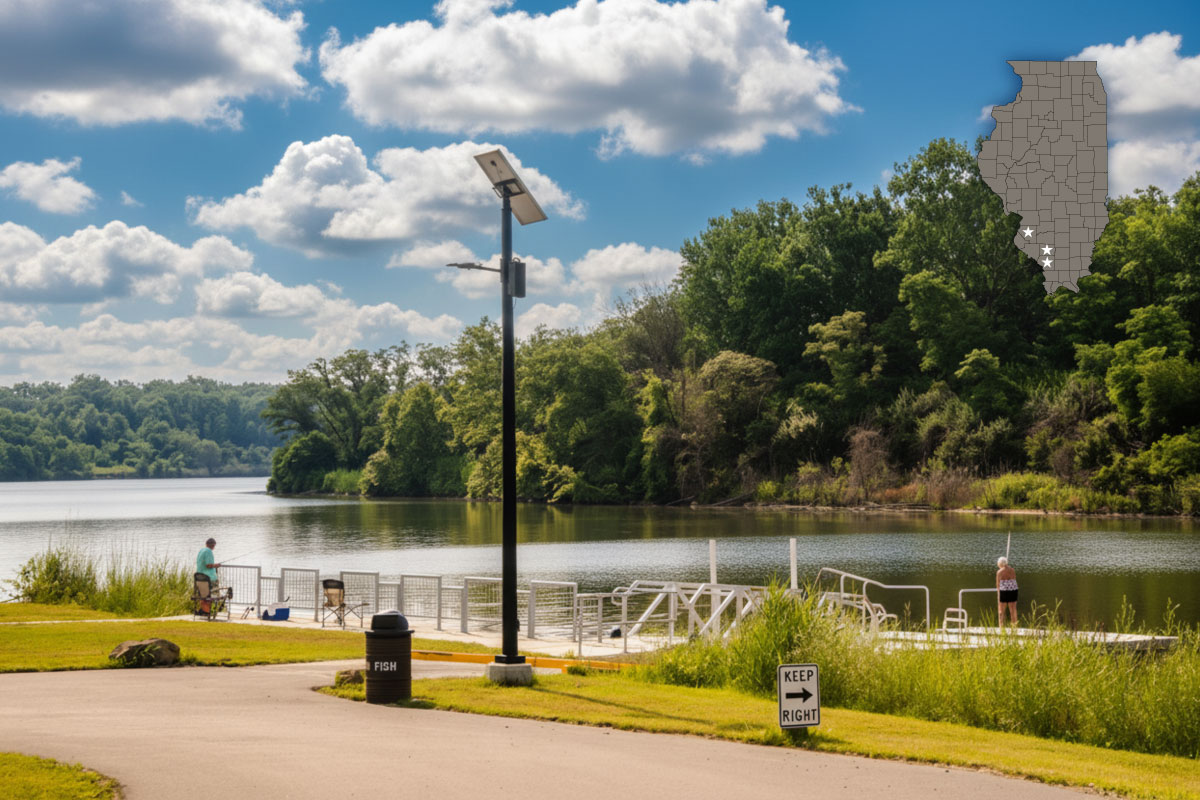
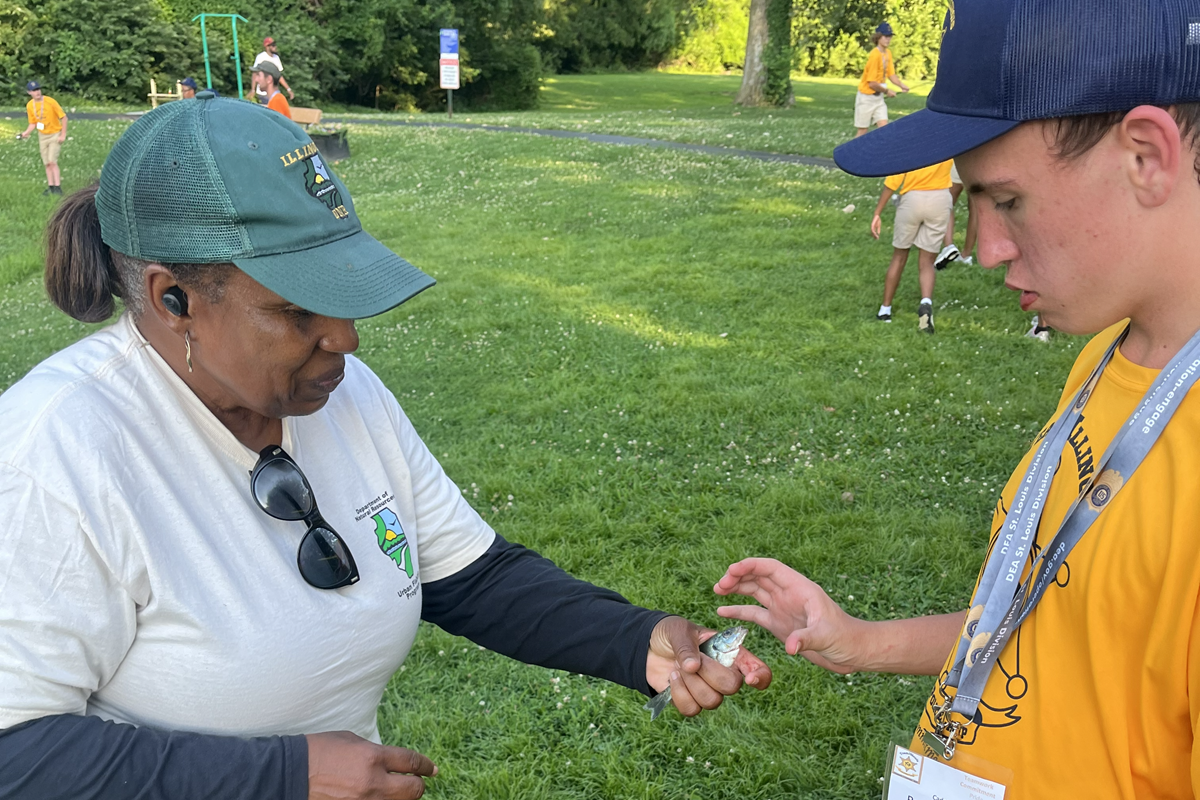
Established in 1985, the Illinois Department of Natural Resources’ (IDNR) Illinois Urban and Community Fishing Program has a long history of teaching people how to fish. The program originally started in Chicago to bring people of all ages together with the water and to connect them to local fishing opportunities. The program has become so successful over the decades that it has expanded throughout Illinois. Today, four full-time program coordinators and many seasonal Conservation Education Representatives (CERs) facilitate fishing experiences and conservation programs for thousands of Illinois children and adults of all abilities each year.
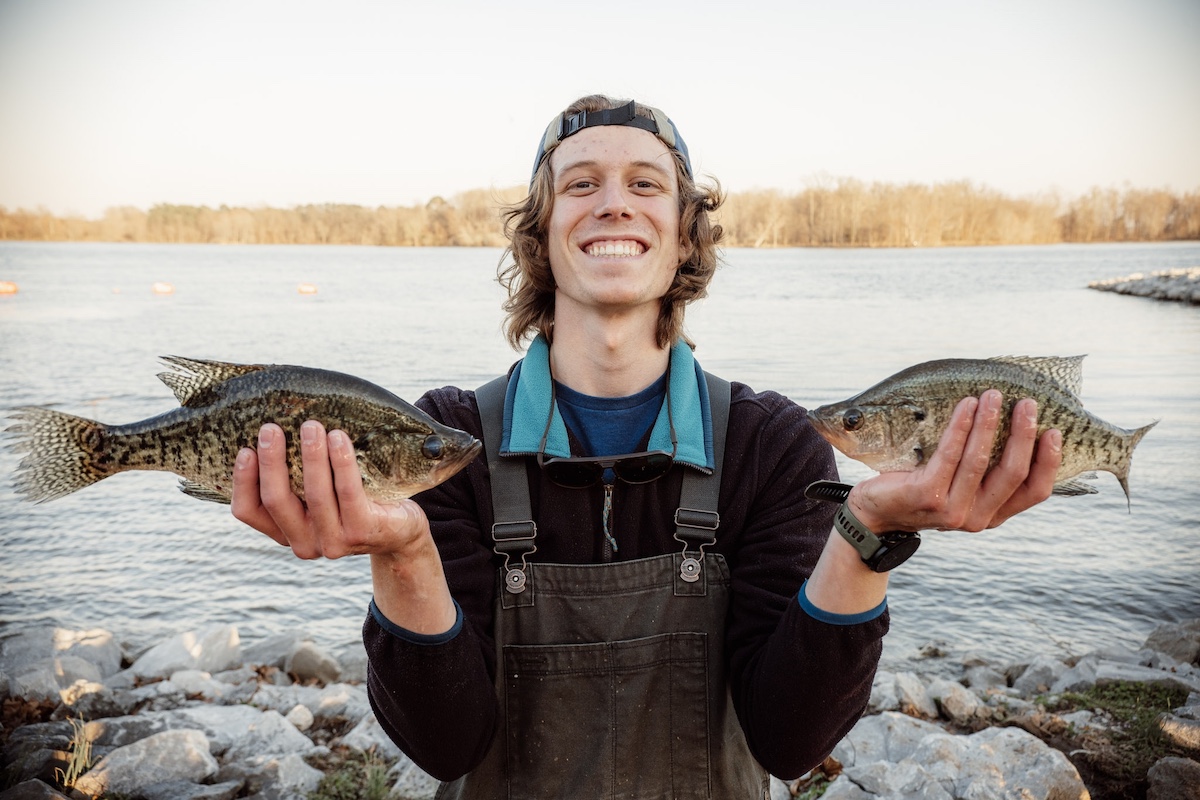
It sounds like a great program, but I’m old enough to know that a program is only as good as the people who deliver it. So, I wanted to better understand what, besides a love of fishing, draws someone to become a CER. Eliha Perez has been a CER for four years. I had the good fortune to sit down with him recently and learn why he got involved with the Illinois Urban and Community Fishing program and what drives him to continue year after year.
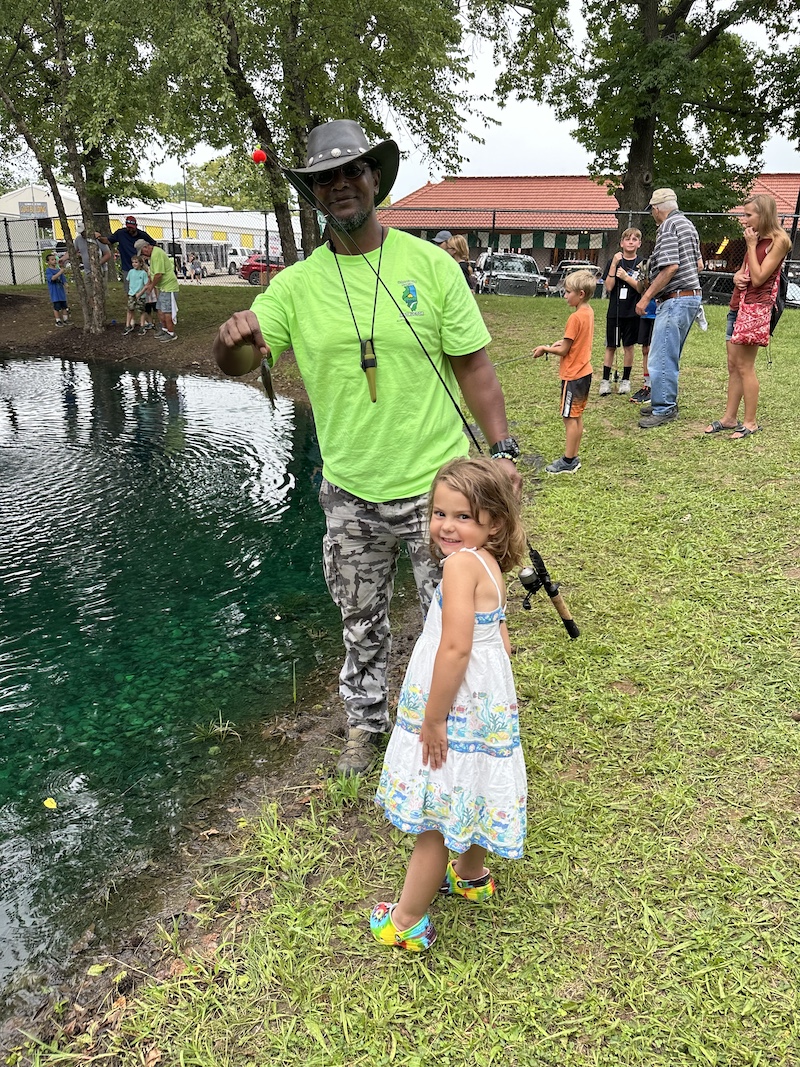
As a story usually starts at the beginning, the first question I asked Perez was: When did you get interested in fishing? He laughed and responded, “A long time ago! The ocean was right across the street from the Jamaican parish area I lived in and there were a lot of fishermen. When I was 4 or 5 years old a couple of friends and I went out with a line and hook baited with dough. I caught a fish as big as I was, maybe 36 inches. It was so big compared to my size; everyone in the community made a big deal about it.” That experience made a lifelong impression, and he has been fishing ever since.
In his full-time job as a case worker, Perez helps 7th and 8th graders navigate school life. That often includes assisting students who are homeless, dealing with truancy issues or navigating their education using a 504 plan. These youngsters have a lot on their minds. And Perez can relate to having a mind that is racing with a million different thoughts; he shared that fishing helps him to calm his mind. It’s that experience that he strives to share as an IDNR CER.
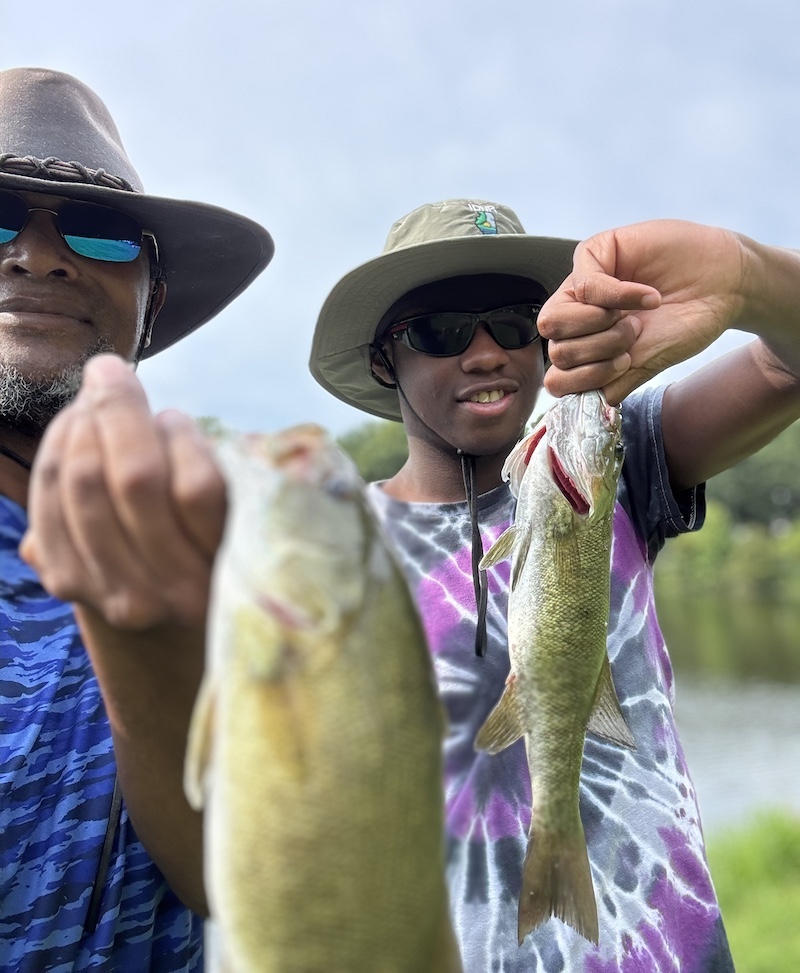
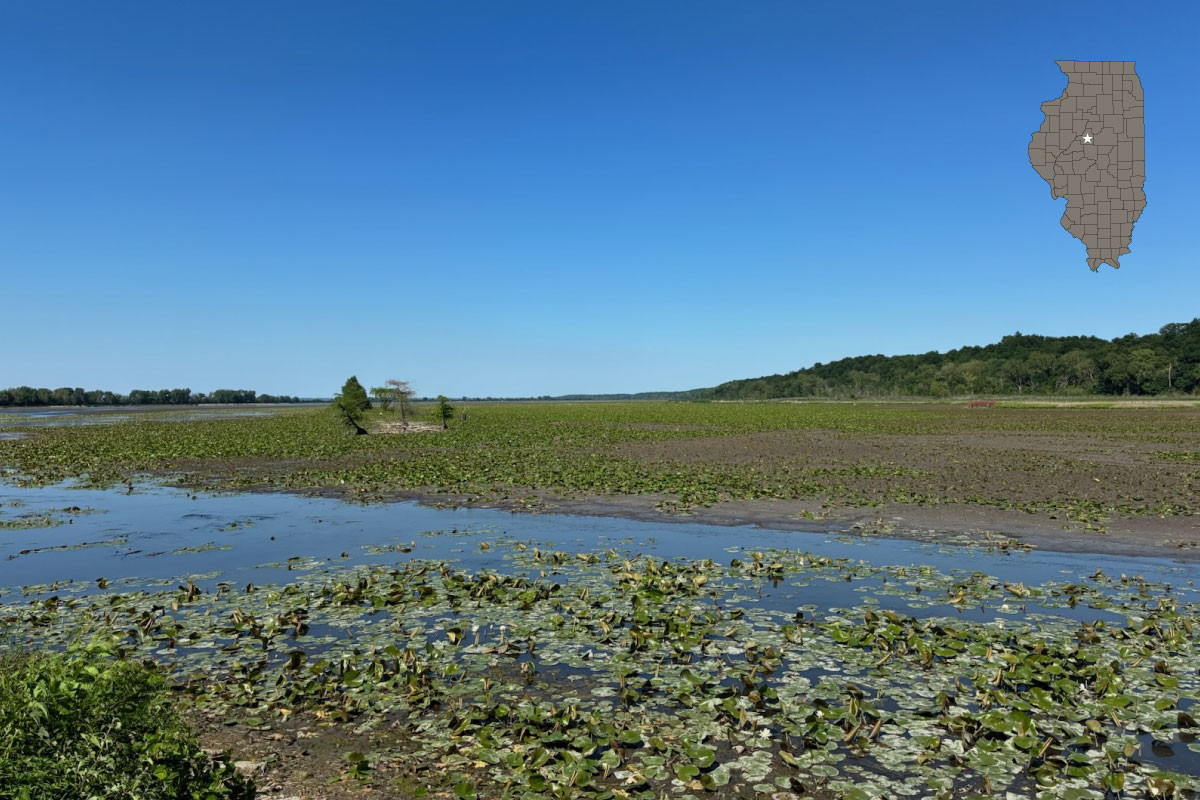
Located in central Illinois, Perez often takes students out first to Lake Clinton, Lake Decatur, or a local river before taking fishing trips farther away. Many of his students have never been to a lake or river before. Many are nervous around the water. Few know how to swim. Some believe that being outdoors is dangerous. Others just have a hard time leaving their screens. He meets each one where they are, and through teaching them how to fish (and sometimes swim), he shares other lessons they will use throughout their lives.
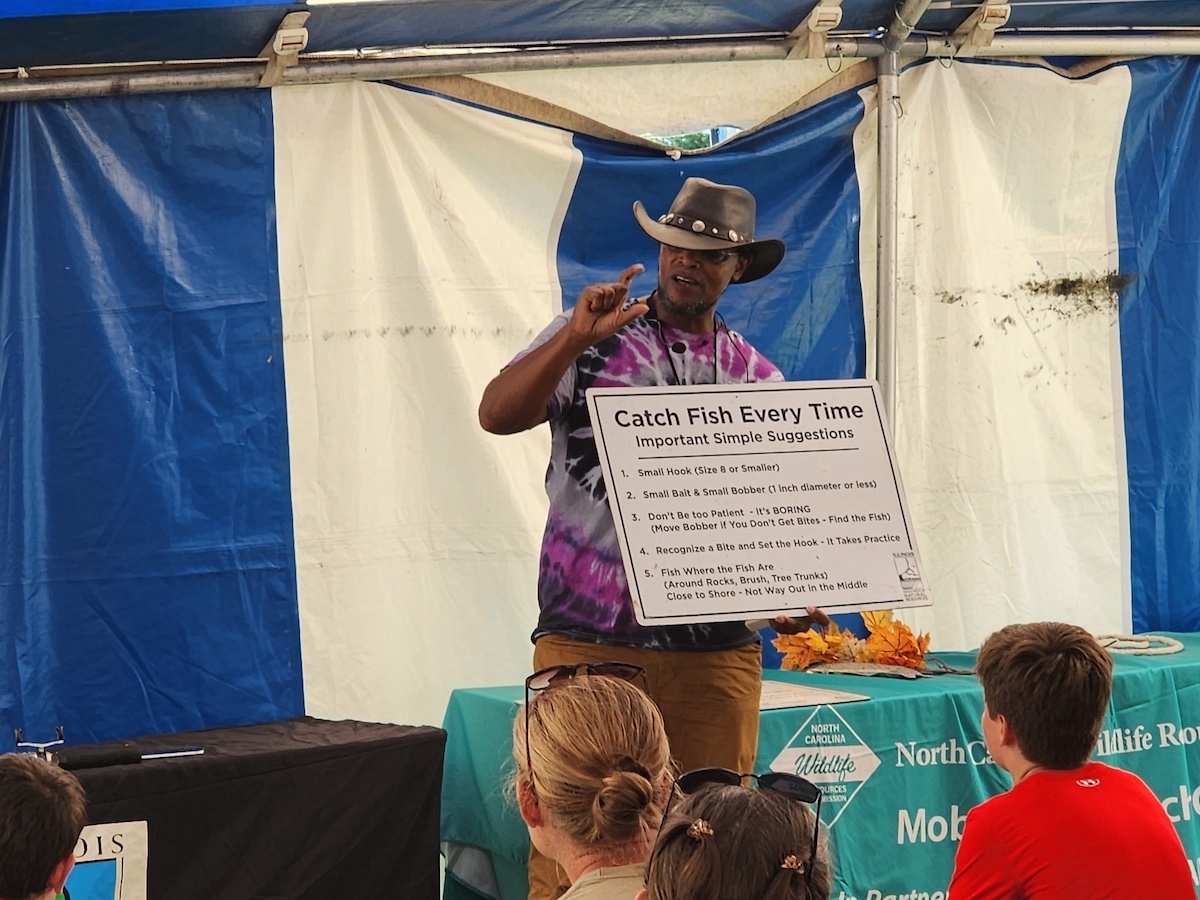
More than a seasonal position, the CER work is a calling for Eliha. He works with people of all ages, not just junior high students, but also adults, college students and younger children too — some as young as five years old. From Chicago to Carbondale, he teaches people everything he knows about fishing. He conducts workshops on fly fishing, advises people about the right gear to start with and what hooks or baits to use, teaches them how to kayak fish, instructs them on the proper pole to use for the type of fish they want to catch (“otherwise you’ll lose your fish”) and how to tie fishing knots (“these are your best friend.”)
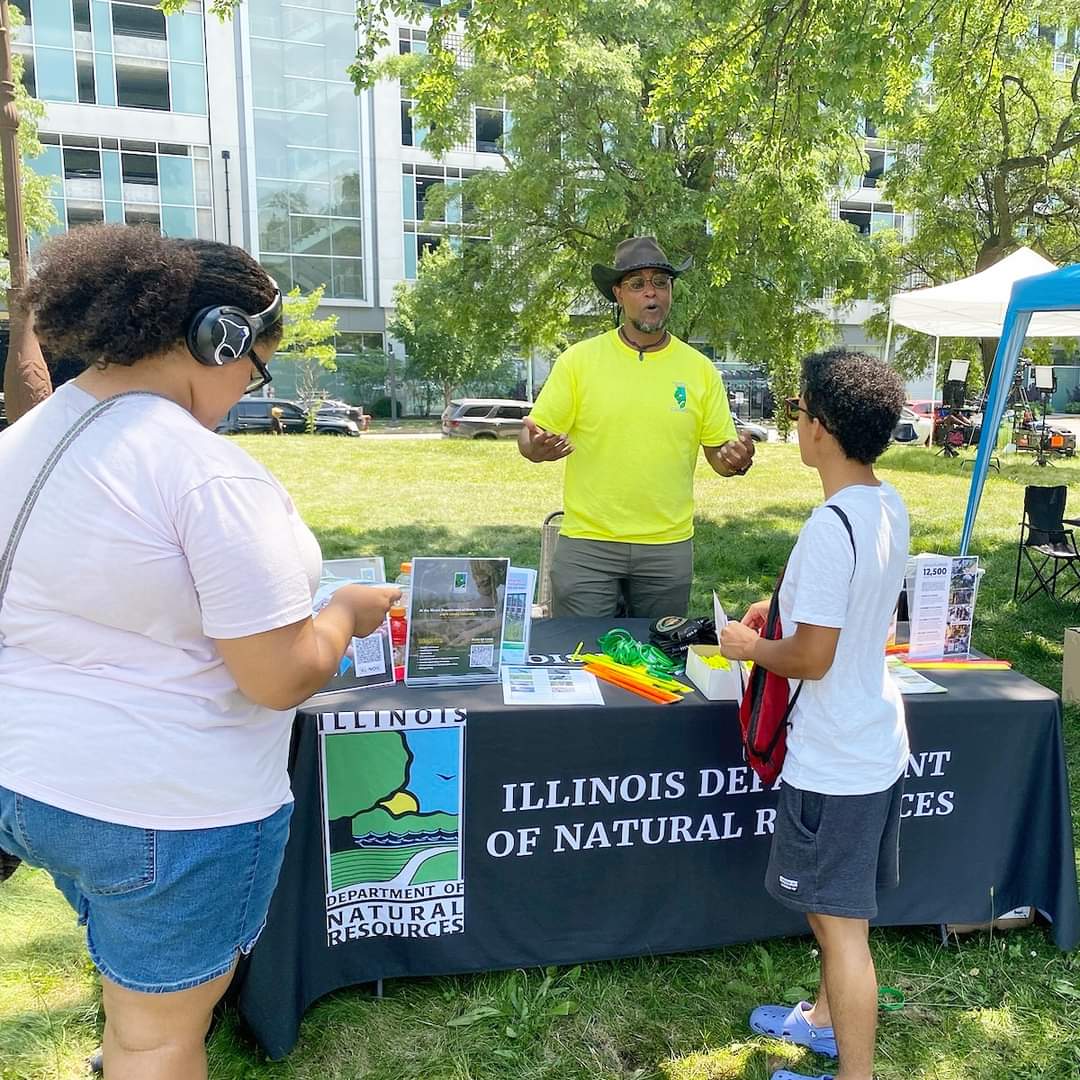
Perez covers much more than how to catch and fillet a fish. He says that “teaching people about fishing and the outdoors is like a Lego set — each piece fits into the big picture of conservation.” While the focus is on fishing, he also often covers how aquatic ecosystems works, the different species of fish and their breeding and spawning seasons, the nitrogen cycle, how algal blooms impact aquatic species, why it is important not to kick over the rocks in trout rivers (trout fishing is his favorite), how to get a fishing scholarship to go to college and much, much more. The goal he said is to tie these ideas to what people already know so that they can share the information with their friends.
When I asked Perez what takeaway he’d want to leave with people, his response was simple: “Leave no trace, only footprints.” But it took me less than five minutes talking with Eliha to realize that he’s leaving not just a trace, but a lasting legacy. Instead of simply fishing for his own enjoyment (which he does a lot of), he’s encouraging others to thrive through their own connection with nature and by teaching them how to leave the land and waters better than they found them. He ‘preaches what he practices’: “If you pack it in, pack it out, and pick up others’ trash. Leave it pristine.”
Perez pointed out that he didn’t start fishing alone. So, he extends his hand to the next generation. How to fish. How to improve one’s mental and physical health by enjoying the outdoors. Sharing the encouragement to be brave, keep learning throughout life and to go to places you didn’t know about before. Solid life lessons to inspire the next generation of anglers.
Laura Kammin jest specjalistką ds. zasobów naturalnych w National Great Rivers Research and Education Center. Wcześniej pracowała w Illinois-Indiana Sea Grant, University of Illinois Extension, Prairie Rivers Network oraz Illinois Natural History Survey. Tytuł magistra ekologii dzikiej fauny uzyskała na University of Illinois w Urbana-Champaign.





Prześlij pytanie do autora