
Photo by Mohan Nannapaneni from Pixabay.

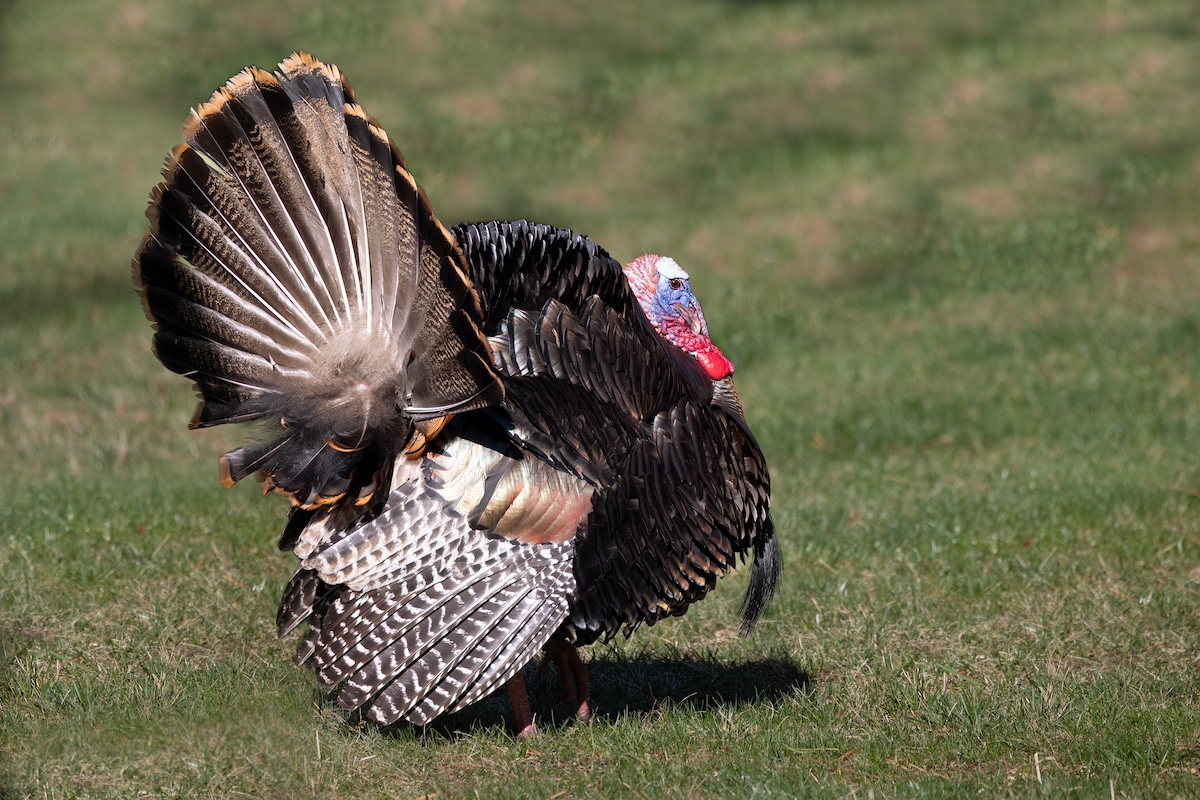
Photo by Mohan Nannapaneni from Pixabay.
As the Program Manager for the Illinois Learn to Hunt program I have the privilege of taking many new hunters on their first hunts and experiencing that mix of nerves, curiosity and excitement through their first-time experiences. I just wrapped up a recent mentored turkey hunt on public land and, while we didn’t get a turkey this time, my mentee, who asked to remain nameless for this article, said: “I came out here thinking everything was about harvesting a turkey, I’m leaving realizing it’s about so much more than that.”
That realization never ceases to leave its mark on me. As a mentor, I am routinely hypercritical of myself and focus so much energy on making sure mentees get into the action that sometimes I lose sight of the bigger picture. We still had an unfilled tag after two days of hunting but we had seen plenty of action, learned a few hard lessons and got a firsthand look at what makes turkey hunting such an unforgettable experience.
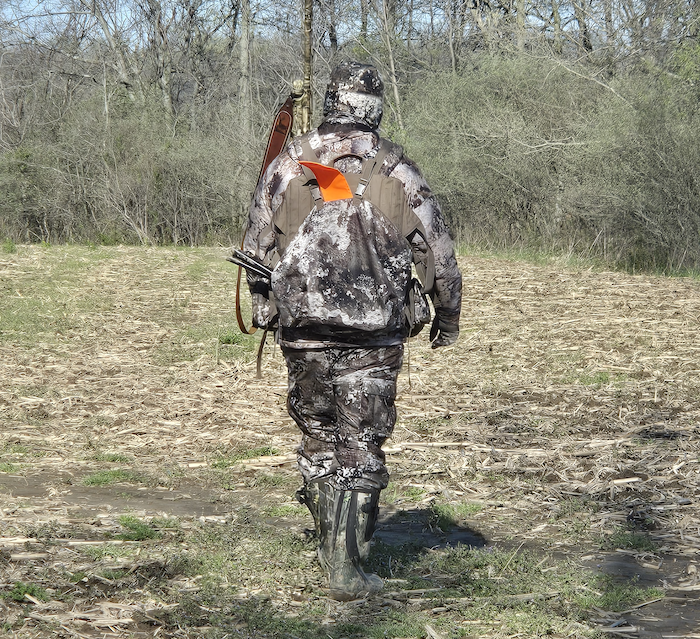
The morning of the first day started like most spring turkey hunts; heading out with a plan to set up near a roost that had been identified the night prior. As we arrived at the public site, I got a sense that my mentee was far more nervous than excited. I used that time to talk about patience, respect for wildlife and the traditions that make hunting so meaningful for millions of Americans.
As we stumbled through the timber in the dark and began approaching the area I wanted to hunt, his questions shifted tones. Earlier, the questions were very much focused on “what if I screw up?” and “what if I scare the bird before I can shoot?” and “what if we mess up another hunter’s hunt?” to more strategic questions. I felt his nerves transition to excitement and anticipation.
We settled along a small prairie field edge with mowed firebreaks along the edges and eagerly awaited that first gobble off the ridge from where I had roosted birds the previous night. This moment of a mentored turkey hunt is far and away my favorite part of the hunt. Watching a new hunter’s reaction to that first gobble cascading from the ridge is pure nostalgia for me. It takes me back to my first turkey hunt.
That first gobble struck no more than 100 yards from us. My mentee flinched as if startled by the noise. As I leaned over to whisper to him we heard another gobble. Then another and another. The gobbles tumbled from the surrounding areas. Unfortunately, most of the gobbles were off property, but one or two were from birds on the public land.
I’m pretty certain I could hear his heartbeats as he took a few deep breaths to try and calm his excitement, I whispered, “we’ve all been there!” to reassure that what he’s feeling is normal. As I began some soft yelp sequences, we heard little of the primary tom that I roosted the previous night, especially after he left the roost and hit the ground. This gave us some time to whisper back and forth a little bit and I asked what he thought of the morning so far.
“I’ve heard turkeys before but hearing that first gobble from the roost in the dark was absolutely insane and the second he gobbled my heart started pounding,” he replied. “I knew this was real.”
As time elapsed we finally got a gobble response from about 100 yards behind us. It was an overcast morning with bad storms anticipated to start around 9 a.m. so our day was already somewhat limited. Even the gobbles off the roost had started 10 to 15 minutes later than expected. I wanted to make a move on the bird behind us. We could have stayed in our original set, but I knew a bird coming in from behind us was unlikely. We had setup with a creek about 40 yards behind us, and as most turkey hunters know, that can cause birds to hang-up and just decide to not come in.
As we quietly walked out of our hiding spots I heard a hen yelping from across the prairie. I whispered that we would stay put to see how this played out. We’ve had a gobbler behind us and could hear at least one hen yelping in front of us. I continued with some light yelping and decided to throw in a quick cutt and purr. A gobbler began to sound off from where the hens were yelping.
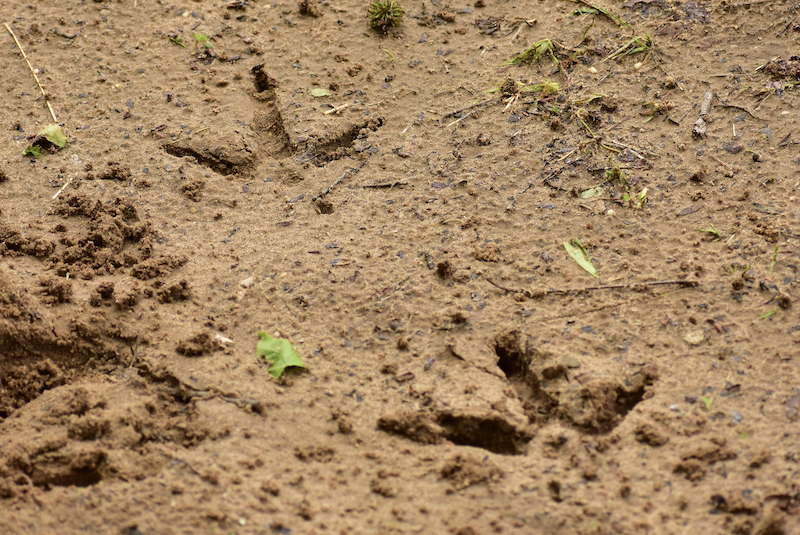
Every yelp sequence I hit was now interrupted by the gobbler. I started another sequence with some light purrs mixed in. Gobble! This one came from behind us and that bird was closer than he had been before. At this moment it was evident we had two birds on either side of us, both gobbling their faces off but we could not get eyes on either one of them. After what seemed like an eternity, but likely was only 15 to 20 minutes, of constant gobbling we caught a glimpse of a few hens exiting the field about 70 yards to our right. Unfortunately, a tom was following them. We continue calling but it became painfully obvious that the bird behind us was, in fact, hung up by the creek. After another 10 minutes or so everything went silent.
As we packed our setup before the storm hit my mentee said: “That was nuts. The adrenaline when that bird answered the call…wow. I get it now.” And something to the effect of “even without harvesting a turkey, this was one of the most exciting outdoor experiences I’ve ever had.”
As we worked our way back to the truck, my mentee asked about other options he has to get out once or twice more before this turkey season ends. I could tell that he was hooked on turkey hunting.
As the morning unfolded I got to share more than tactics and techniques. Every whispered explanation, every small adjustment to where we sat, every lesson about reading sign or calling carries value. When a bird hangs up or slips away, it’s another lesson, another story and another reason to come back. And when the hunt ends, seeing that new hunter smiling, energized and asking when they can go again is one of the most rewarding feelings there is. In that moment, I knew I didn’t just mentor a hunt. I had helped open the door to a lifelong journey.
As most who read this story are aware, taking someone out who is new to hunting and sharing your outdoors and hunting experience and lifestyle with them is the greatest experience one can ask for. If you’ve never taken someone new afield consider it! If you already have mentored a new hunter and share my sentiments, thank you for continuing to pass along this cherished lifestyle and teaching someone the value of hunting.
Dan Stephens jest specjalistą ds. rekrutacji myśliwych w Illinois Natural History Survey. Program Illinois Learn to Hunt to ogólnokrajowy program mający na celu nauczanie dorosłych (18+) dlaczego, gdzie i jak polować na różne gatunki w Illinois. Odwiedź stronę Illinois Learn to Hunt, aby uzyskać więcej informacji lub zapisać się na wydarzenie w swojej okolicy.


Prześlij pytanie do autora