All photos by Paul Ritter.

All photos by Paul Ritter.
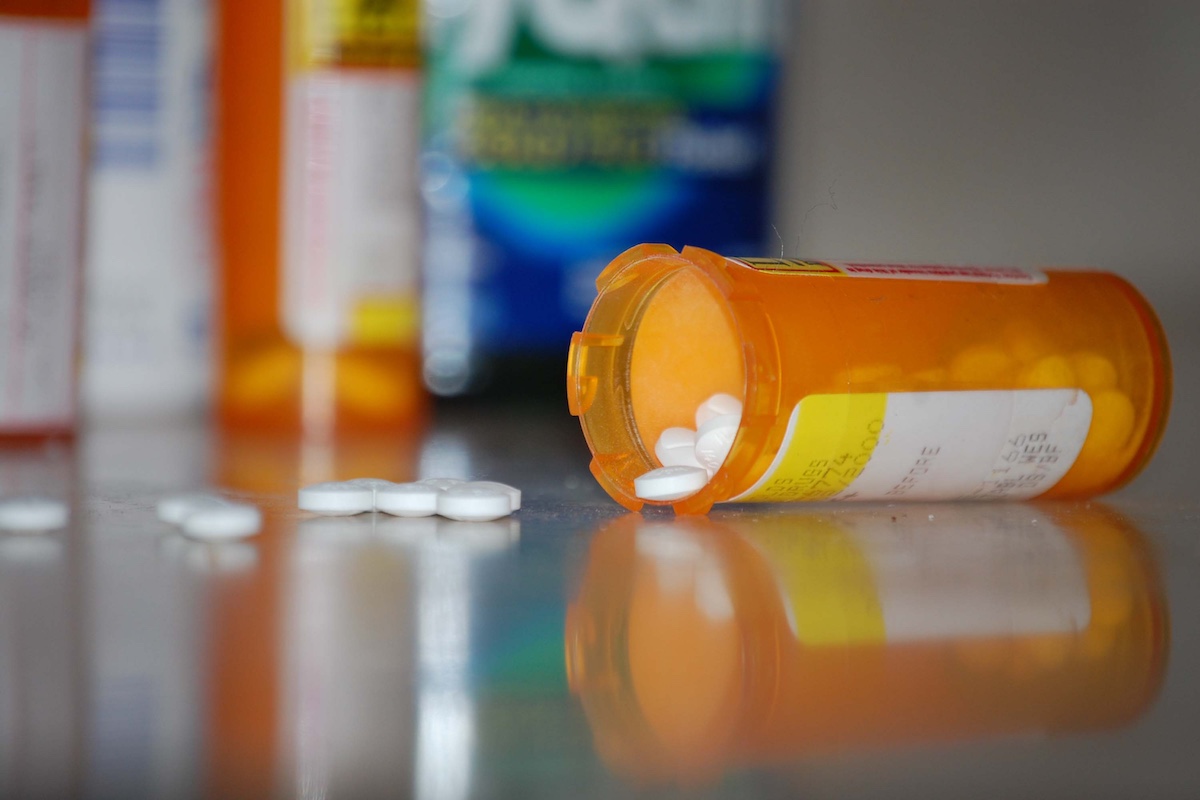
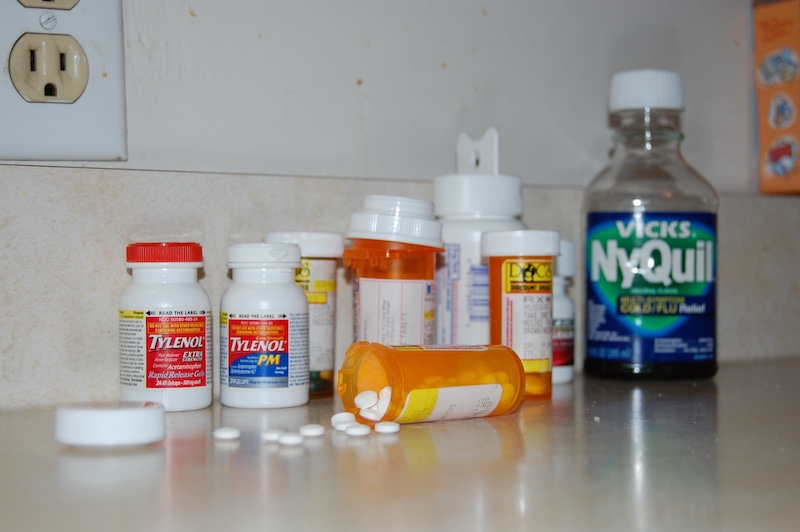
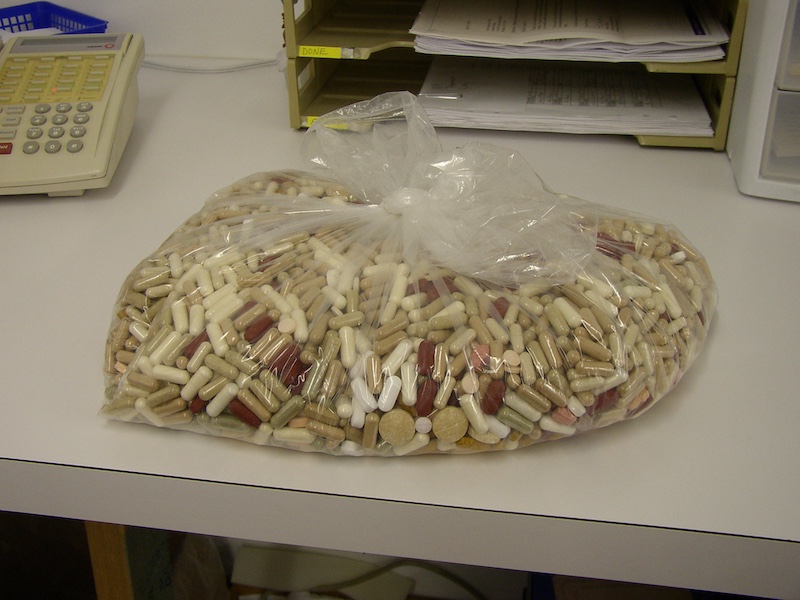
The numbers are staggering: the 107,941 drug overdose deaths reported in 2022 highlights just how severe the drug crisis has become in the United States (National Center for Drug Abuse Statistics). Many of these dangers are linked to unused or improperly stored medications sitting in homes, where they can be misused or disposed of incorrectly. In response to this issue, as of early 2026 the Prescription Pill and Drug Disposal program (P2D2) has removed more than 9.5 million pounds of pharmaceuticals worldwide, helping protect both people and the environment.
P2D2 was created in 2007 by high school students in Mr. Paul Ritter’s ecology class at Pontiac Township High School. The idea started when Mr. Ritter posed a question to his class: What should people do with unused prescription pills? The students realized there wasn’t a clear answer. As they researched the topic, they discovered that many people were flushing medications down the toilet or throwing them in the trash, which was harming waterways and soil. They reached out to local pharmacies and the police department to see how they handled unused or confiscated drugs and found that both sent them to an incinerator in Indiana. With help from these community partners, the students created the P2D2 program for the city of Pontiac. The program quickly gained attention, and other communities, states and countries soon asked for help starting their own programs. At one point, the federal government told them to stop and even threatened legal action, but later then Illinois Lieutenant Governor Pat Quinn encouraged Mr. Ritter and his students to continue their mission.
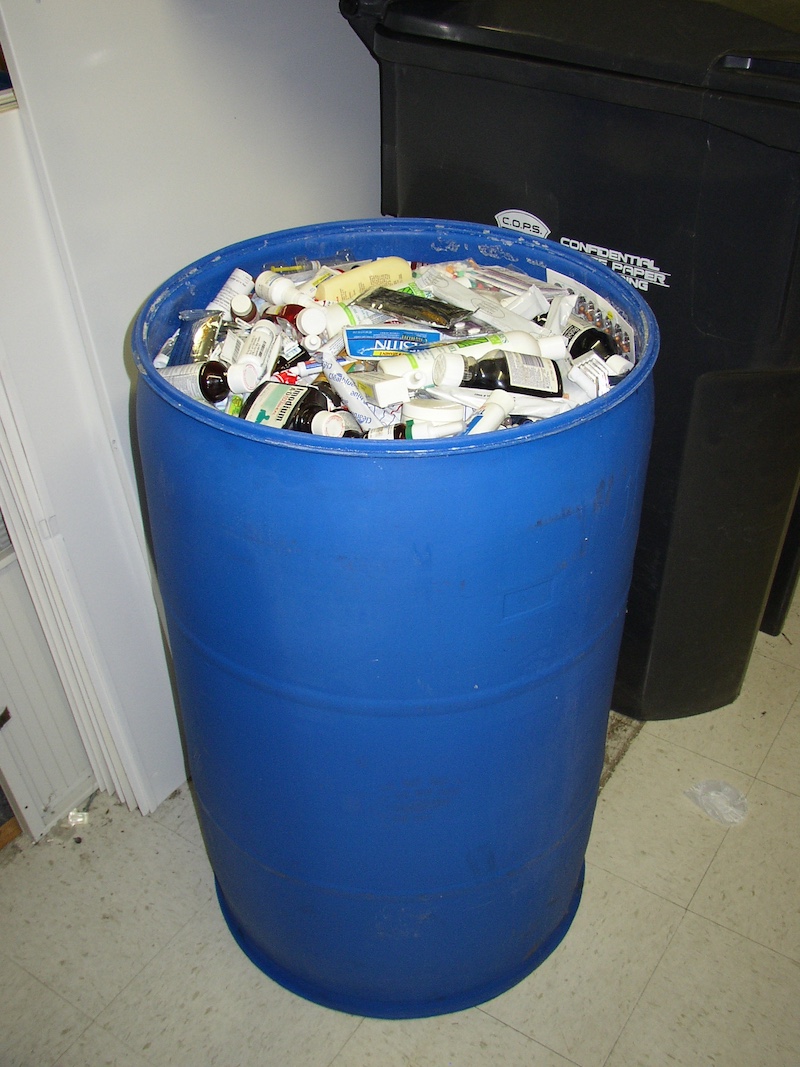
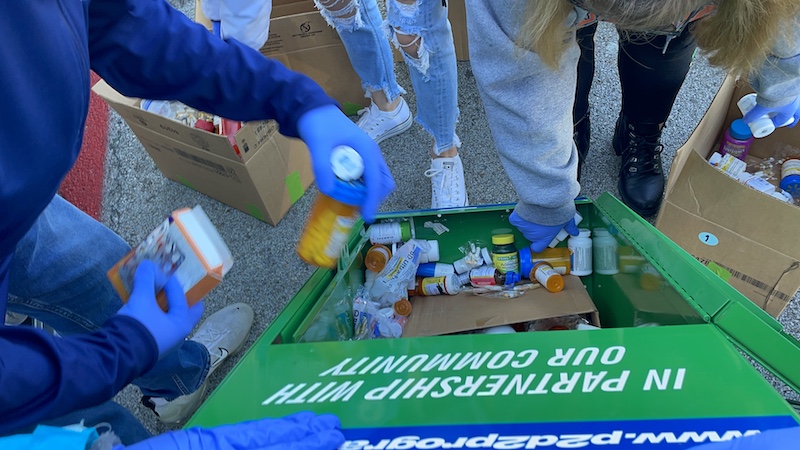
P2D2 provides a safe way to dispose of unused or expired medications. It helps prevent drug misuse and abuse, especially since pharmaceutical drugs are one of the most common substances young people experiment with. It also protects the environment by keeping medications out of water systems. For example, a study published by the Yale School of Medicine in 2023 reported that pharmaceuticals found in waterways are causing male fish and frogs to become feminized and develop intersex characteristics (Yeboah et al.). P2D2 provides assistance to create clean and safe water for all. The program is available for anyone in the community to use and includes local drop-off locations where people can safely dispose of pills, liquids, patches, syringes and more. For more on the safe use and disposal of medications visit the Illinois Environmental Protection Agency’s Medication Disposal website.
Initially, the student body and community had a strong desire for proper disposal due to concerns about people being harmed or harming themselves, and they were “overwhelmingly accepting” of the idea. Pharmacies and police departments accepted medications to ensure they were handled properly. Within the first few weeks of the program, thousands of pounds were collected. After a few months, other communities wanted to join, such as Bloomington-Normal, as they also saw a need for proper disposal. Just two months later, other countries recognized the positive impact P2D2 had made and began to join. By the end of the first year, the program had spread to half of Illinois, as well as Wisconsin, Missouri, Indiana, Michigan and more. It also gained momentum in Brazil, Turkey, China, Spain and Paraguay.
The work didn’t stop there. In 2009, the federal government began conversations with Mr. Ritter’s students about setting up a national program. To do so, they flew Mr. Ritter and four students to Maine to discuss work that had never been done before. In 2012, the United Nations ranked P2D2 as the #1 environmental project in the United States. To compete worldwide, Mr. Ritter and four students traveled to Sweden, where P2D2 ultimately ranked #3 in the world.
Growth means progression, and that’s exactly what the program did, it expanded. News spread quickly through word of mouth and numerous phone calls. This growth increased permanent drop-off locations in China, Paraguay, Brazil, Spain, 28 states in the U.S. and 54 counties in Illinois. P2D2 is now also partnering with the federal government to support daily take-back efforts in communities and bring the program to more people.
Local pharmacies and police departments involved with the program are now accepting pharmaceuticals 24 hours a day, every day of the week. All pharmaceuticals collected at these facilities are gathered and taken to Covanta Energy in Indianapolis. Today, Paul Ritter’s students continue to run P2D2 and believe they have achieved something magnificent. All achievements are tremendously overshadowed by the fact that they have saved lives and helped ensure the health of aquatic ecosystems.
Everything is up to the students. They see all possibilities for their community and think outside of the box. When it comes to improving the program, the students will decide. As P2D2 continues to move forward there is a hope that it will no longer be needed anymore. One day, everyone should have the opportunity to save themselves, others and the environment we live in because there will be at-home accessibility for the disposal of pharmaceuticals. Students are the power source because when they see an issue, they address it and don’t hold back.
Programs like P2D2 are important because they protect both the environment and public health. Properly disposing of prescription drugs helps prevent contamination of water systems, which can harm wildlife and drinking water sources. It also reduces the risk of accidental use, misuse, or overdose by removing unused medications that could otherwise be found, kept or sold. In addition, these programs raise awareness about the importance of safe medication disposal and make it easier for people to take action. Overall, P2D2 helps create safer communities while protecting the environment.
From a small high school ecology class to a worldwide movement, P2D2 shows how powerful student-driven ideas can be. What started as a simple question turned into a program that continues to make a real impact on both communities and the environment. Programs like this matter because they prevent harm before it begins, protecting both people and the world around them.
As Mr. Ritter said, “If we do our job right, we will never know who we truly helped,” reminding us of the quiet impact of prevention.
Ultimately, P2D2 represents the idea that even small actions can make the world a better place.
Addison Harms is a senior at Pontiac Township High School, taking Mr. Paul Ritter’s Heartland Dual Credit Environmental Earth Science class. Outside of school, she is a student, competitive dancer and student ambassador at her local dance studio. Her passion is sharing her kindness and going above and beyond in all her studies and extracurriculars.
Lyla Donovan is a senior at Pontiac Township High School and a student in Mr. Paul Ritter’s Heartland Dual Credit Environmental Earth Science class. She stays actively involved in her school through athletics and a variety of extracurricular activities. Outside of academics, she dedicates a large part of her time to giving back and staying engaged in her community to create a better place for all.







Envíe una pregunta para el autor