OutdoorIllinois Journal Newsletter

December 2025 Issue


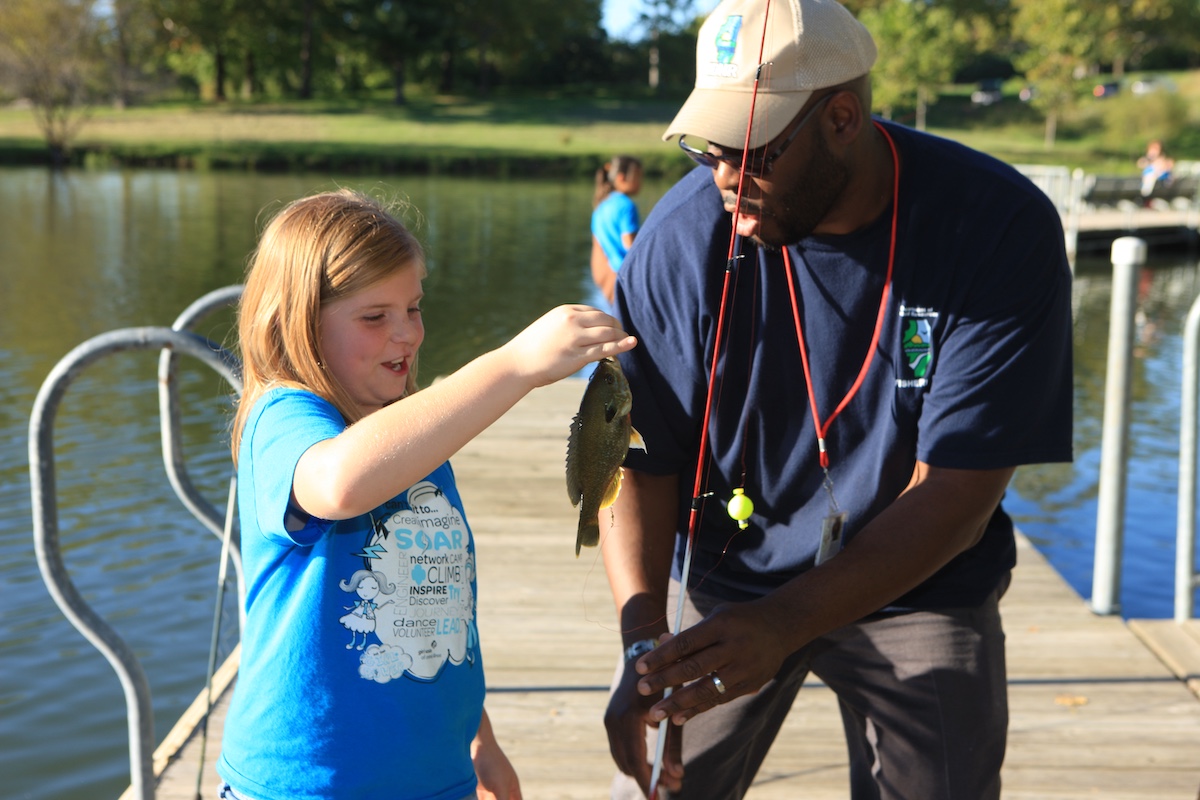
On a wooden dock over a freshwater pond, a biologist and a young girl who just caught a small green fish talk about taking the fish off the line. In the background are more people on the dock, and the green lawn beyond the shoreline.

IFishIllinois Website Redesigned

Since its launch in 2004, IFishIllinois has become an indispensable source of information for Illinois anglers, including valuable information and updates on fish and fish management in Illinois and links to important and timely information, such as the annual Fishing Digest and fishing licenses. The website had a major redesign 10 years after its initial introduction that included many enhanced features, and here we are today — another 10 years have gone by and it was definitely time for a fresh look with updated features. Read more to discover features of the newly updated IFishIllinois site.
Recreation | Fisheries Pick | Fishing | Other Outdoor Recreation


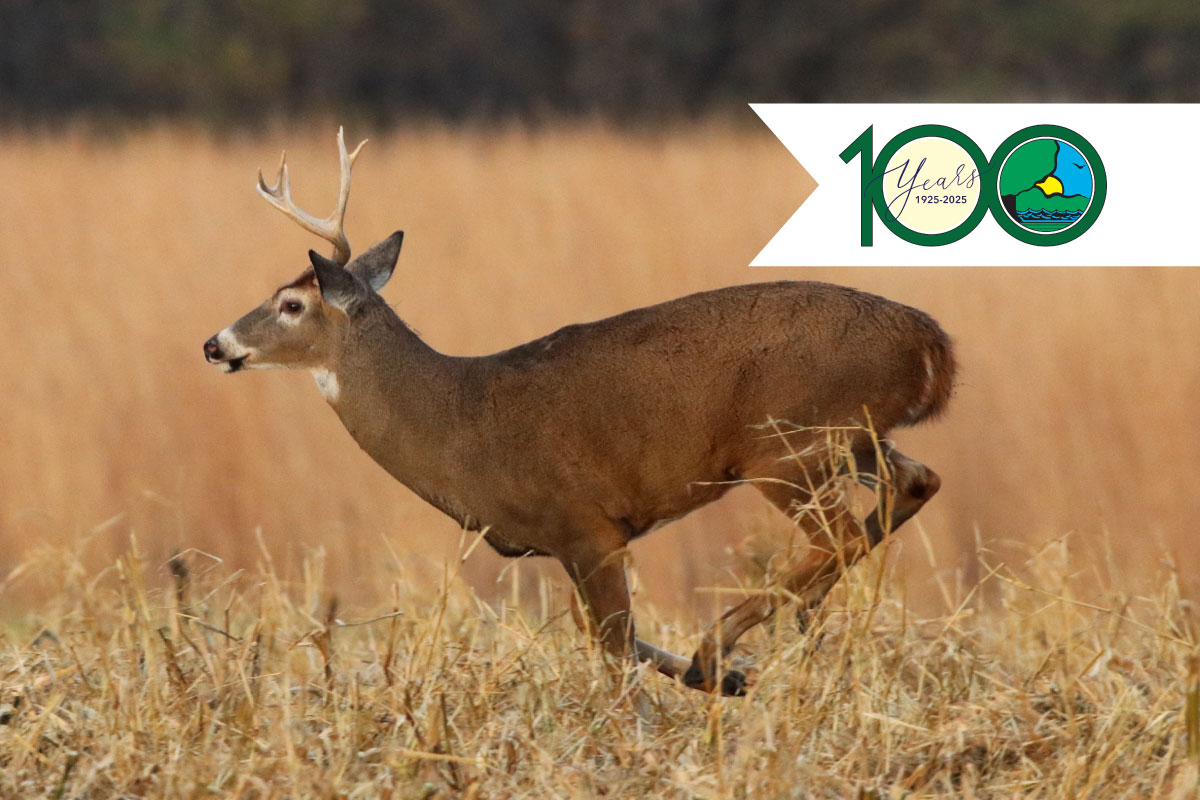
An adult male white-tailed deer runs through a harvested cornfield. In the background is a grassland. Overlapping the photo in the top right is the Illinois Department of Natural Resources 100th Anniversary Celebratory logo.

A Century of Conservation: How Illinois Brought Back the White-tailed Deer

The year 2025 marks the centennial anniversary of the Illinois Department of Natural Resources, formerly known as the Department of Conservation. Among its many achievements, one story stands out as both remarkable and enduring: the recovery of the white-tailed deer.

Wildlife | 100th Anniversary | Deer | Hunting | Mammals


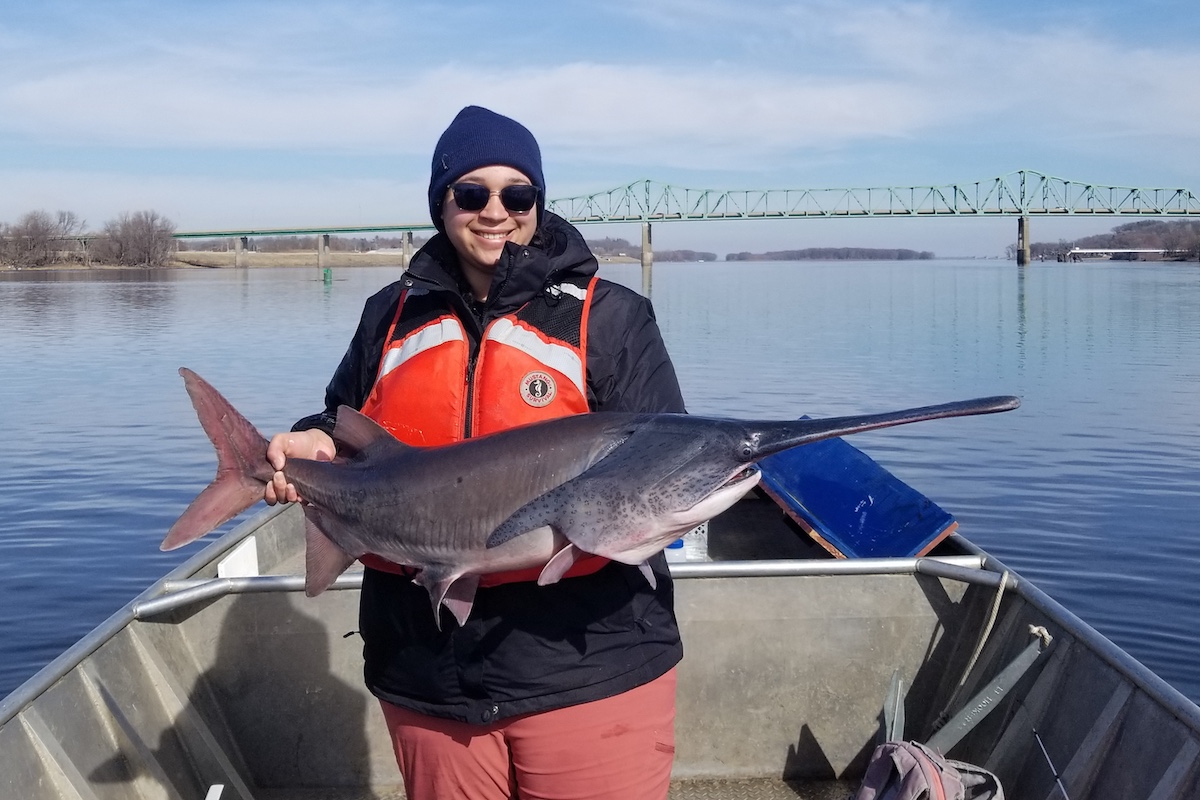
A researcher holds up a large fish with a long nose. She holds the fish with both hands while standing up in a boat on a large river. In the background a road crosses the river on a green bridge. A partly cloudy sky is overhead.

Why the Long Face: What is up with the big nose on paddlefish?

The American paddlefish is a unique fish, possessing a skeleton is made of cartilage, nearly scaleless body and a large spoon-shaped rostrum. That rostrum isn’t a nose but rather an extension of its head and serves numerous functions, all strategies to help the remarkable paddlefish survive in the muddy Mississippi River.

Aquatic Organisms | Fish | Regulations | Rivers and Lakes


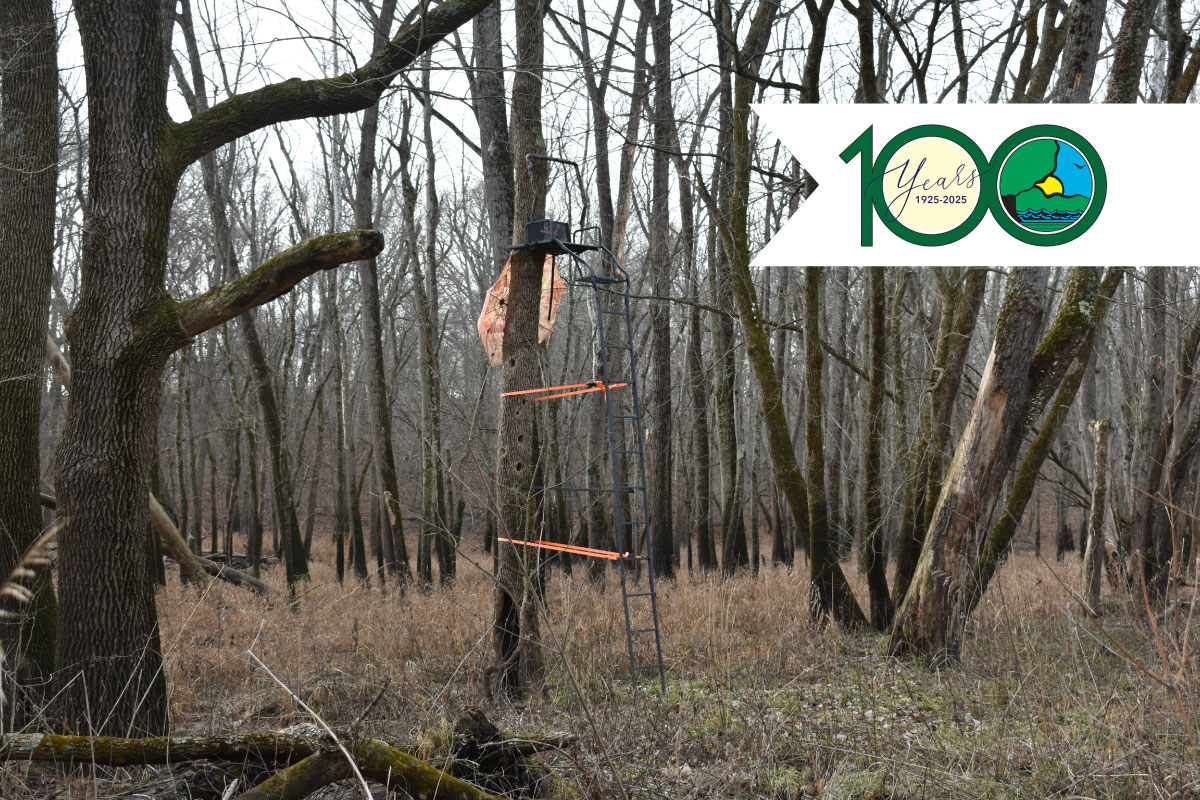
A wooded bottomland during winter. A tree-stand is installed a on a tree in the foreground. Overlapping the photo in the top right is the Illinois Department of Natural Resources 100th Anniversary Celebratory logo.

Public Lands Dedicated to Illinois’ Hunting Heritage for a Century

Thanks to financial contributions outdoors men and women made through the Pittman-Robertson Federal Aid in Wildlife Restoration, species including the wild turkey, the white-tailed deer, the river otter, the American beaver and the wood duck have recovered and are bountiful across the Illinois landscape. Today, hunters and trappers enjoy time outdoors pursuing these species, logging in more than 4.7 million days afield annually.

Recreation | 100th Anniversary | Hunting | Places to Visit | Trapping | Wildlife


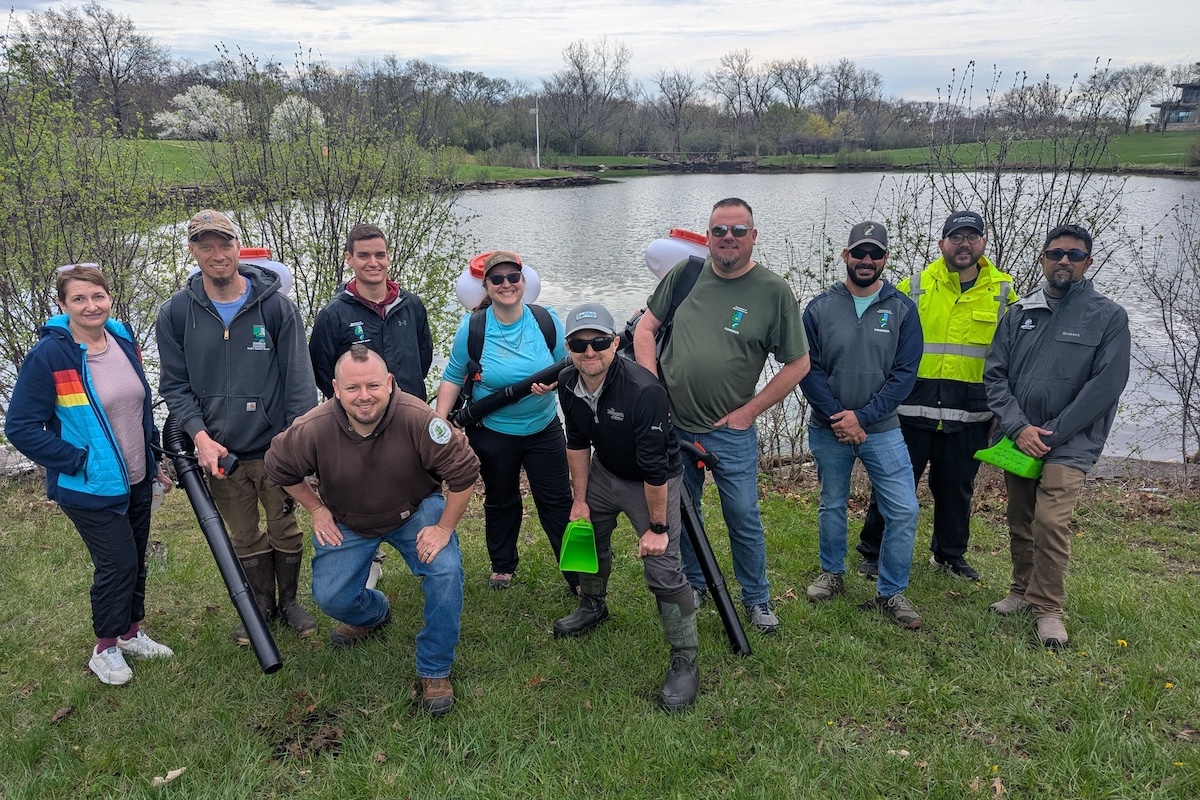
On an early spring day, a group of people stand in front of a pond.

Responding to an Insidious Invader: Tackling a hydrilla outbreak

Members of the Ginger Creek Homeowner’s Association in Oak Brook contacted staff of Illinois’ Aquatic Nuisance Species Program in the fall of 2024 to say that hydrilla had been detected in their lake. Hydrilla is both an Illinois Injurious Species and a Federal Noxious Weed. Enter the Hydrilla Task Force, an interdisciplinary technical advisory group working to mitigate the adverse impacts of hydrilla on aquatic ecosystems throughout the state.

Aquatic Organisms | Invasive Species | Rivers and Lakes


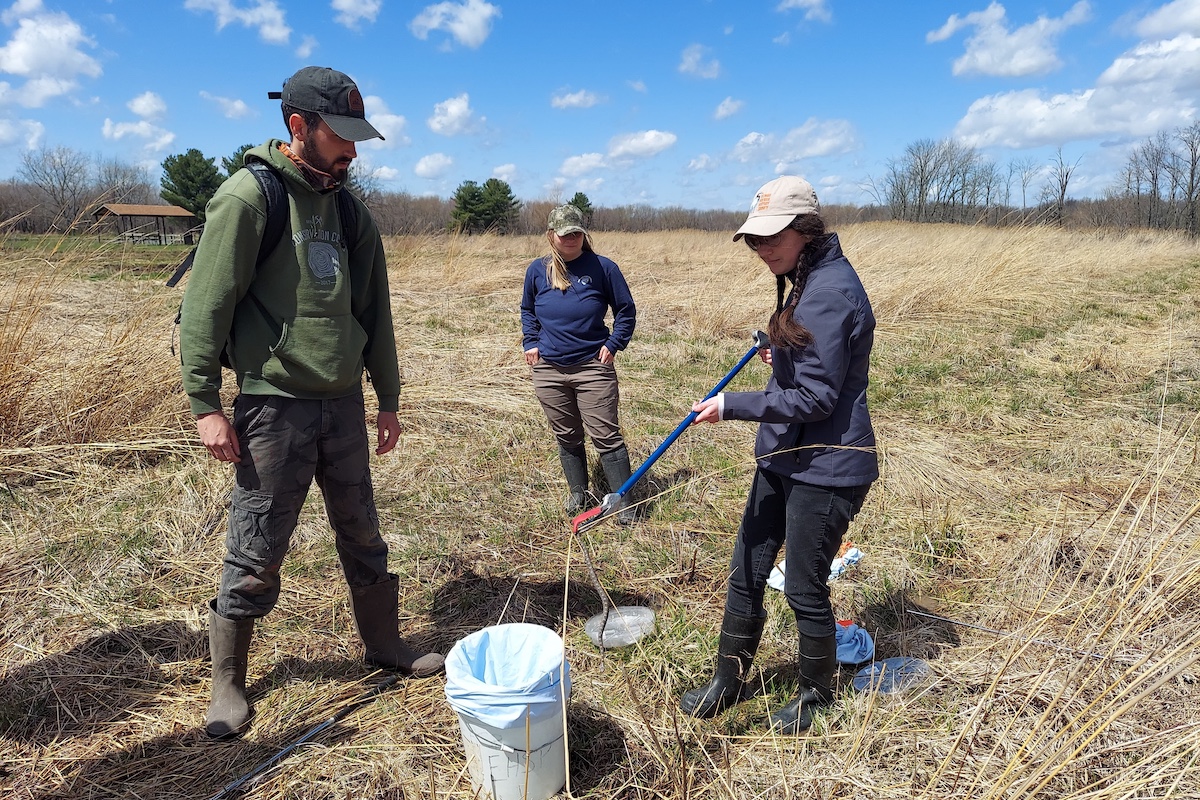
Three researchers stand in a grassland. One of the researchers uses a long handled pincher tool to pick up a small snake and place it carefully in a bucket. The other two researchers observe the process. Over head is bright partly cloudy sky. In the background is a horizon line of trees.

Snake Fungal Disease Imperils Illinois’ Smallest Rattlesnake

Wild snakes can become ill, though the symptoms typically go unknown when a snake is sighted. In 2010, Illinois Natural History Survey researchers discovered a snake, an Illinois endangered and federally threatened massasagua rattlesnake, infected by Ophidiomyces ophidiicola, a deadly fungus that is often named Snake Fungal Disease. That was the first time the disease had been found in a wild snake, but sampling has found that about 25 percent of the snakes located are infected.

Wildlife | Endangered and Threatened Species | Reptiles | Wildlife Health