
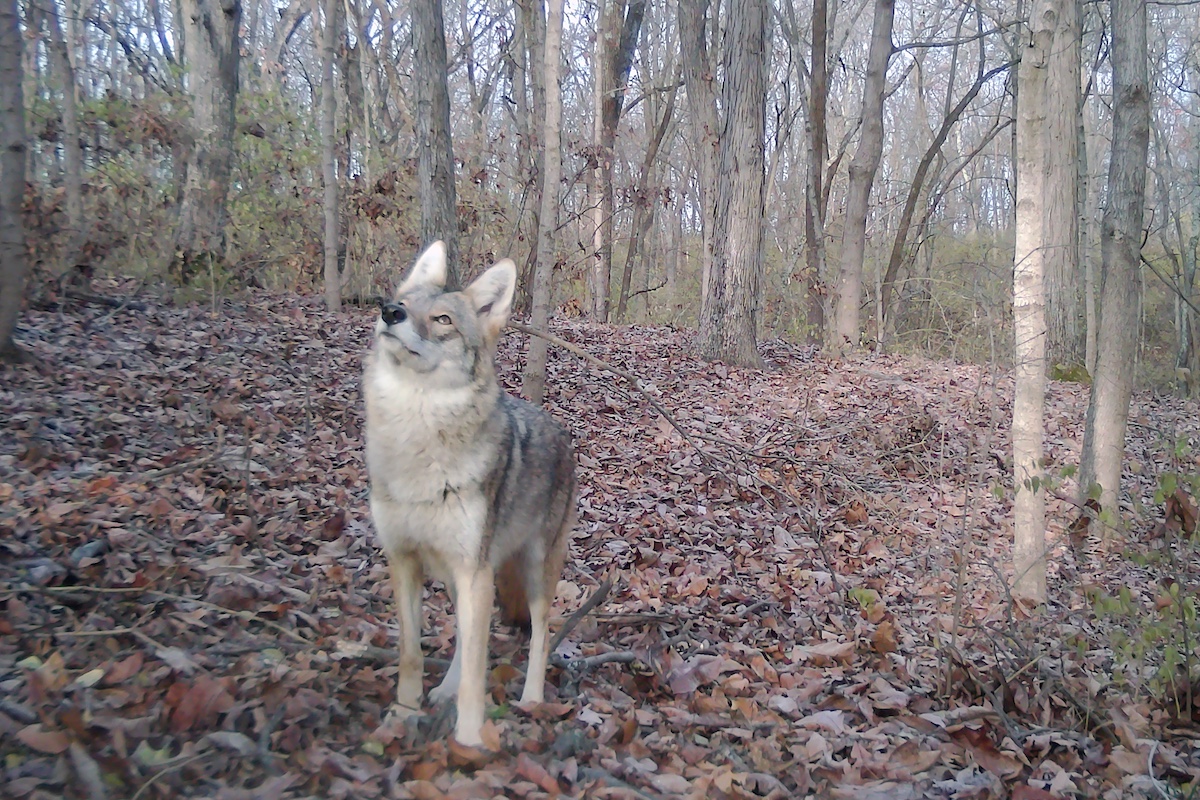
Photo 630796402 by Kyle Keenan (CC BY-NC) on iNaturalist.

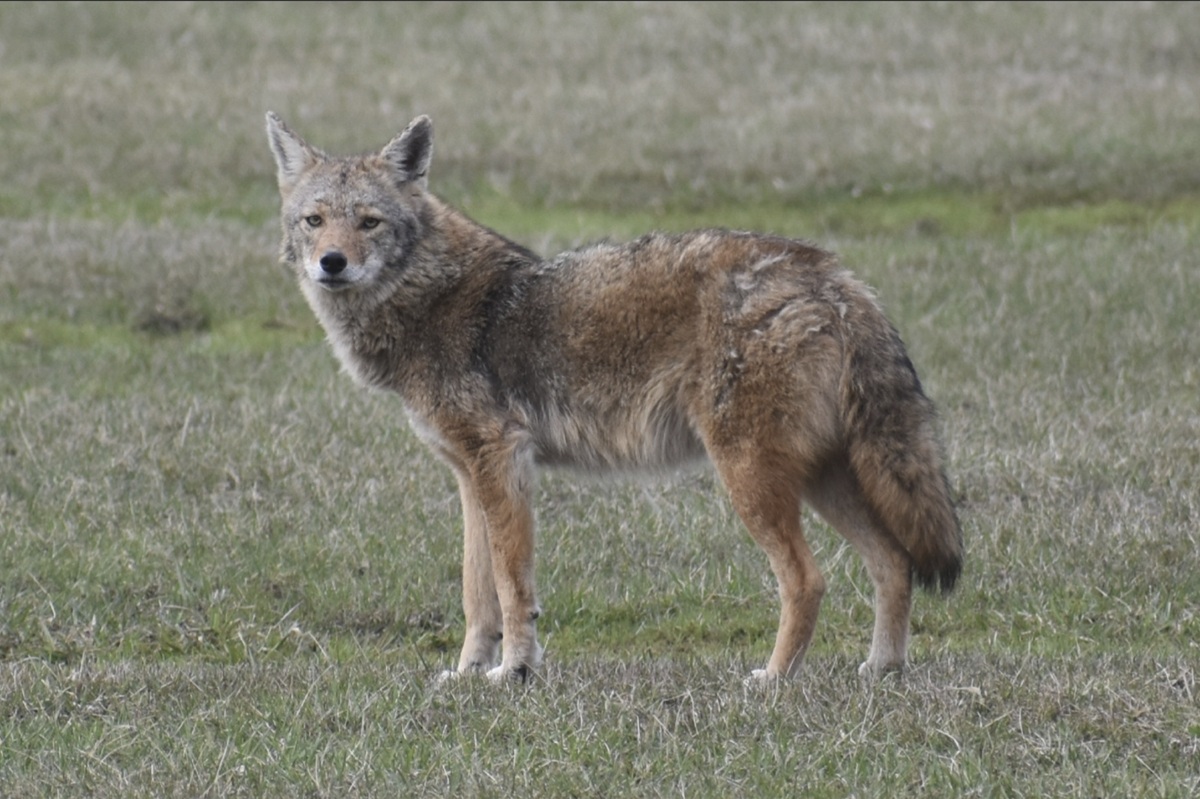
Photo 630796402 by Kyle Keenan (CC BY-NC) on iNaturalist.
There’s a certain cadence to the calls that come in about coyotes throughout the year. Inquiries from people who are anxious about their pet’s safety, or those who would like to know more about hunting or trapping regulations, or homeowners concerned about a nearly furless coyote tucked up against their fence on a frigid winter day. The Illinois Department of Natural Resources (IDNR) fields a lot of calls about coyotes, partly because there are a lot of coyotes.
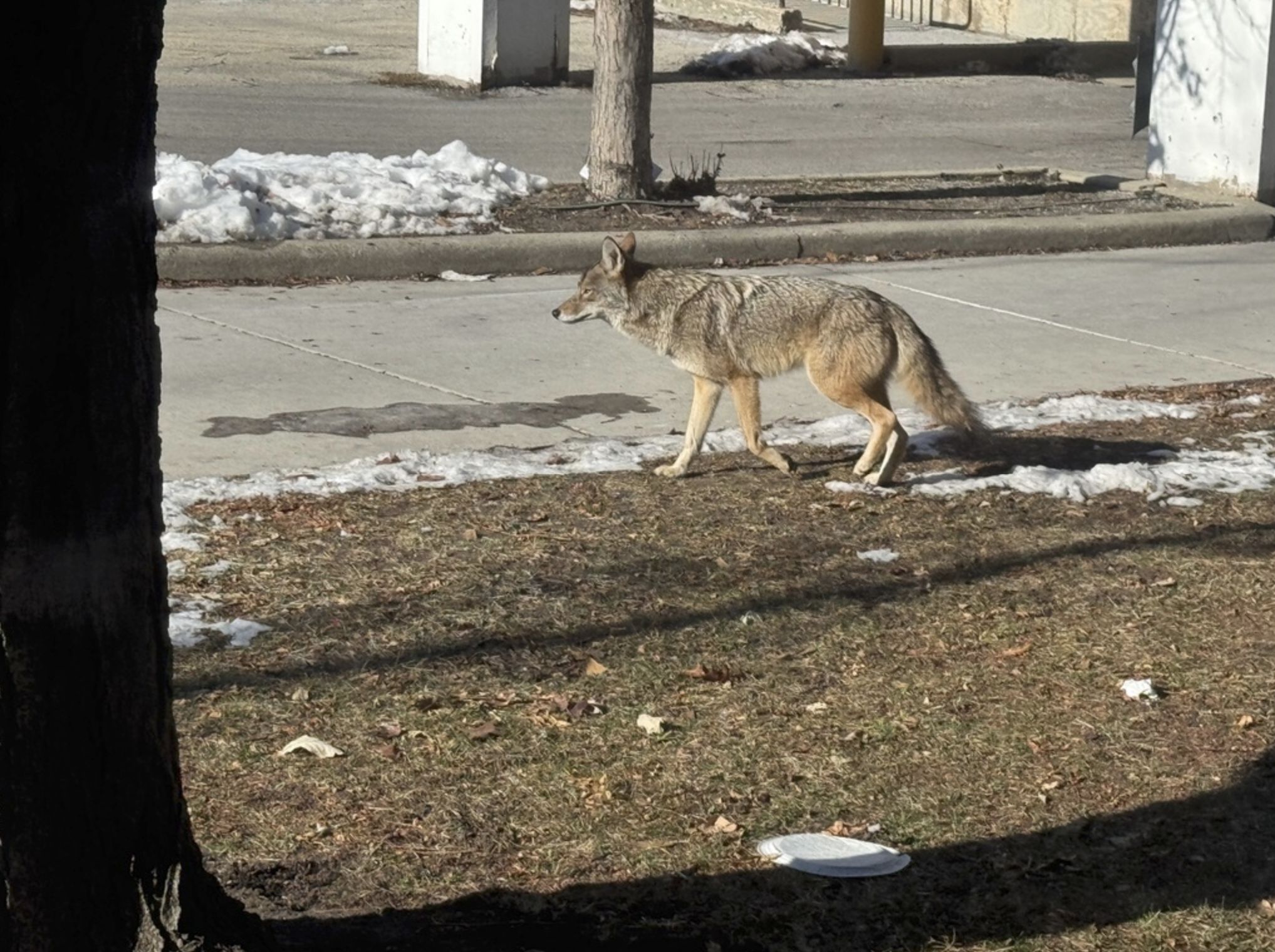
Coyotes are common and found throughout Illinois—in rural, suburban and highly urban areas. No matter where you live in Illinois, you are never very far from a coyote or two. These days it is normal to see a coyote resting in a backyard or crossing a golf course, park or field. And even though they are a nocturnal species, it is also common to see coyotes active during the day. A sighting doesn’t need to be a cause for concern. As long as coyotes are given their space, and they are not sick, injured or being fed by people, they do not typically pose a threat to people.
There are plenty of good resources available online that provide tips for peaceably living near coyotes such as Please Don’t Feed the Coyotes — And Other Useful Tips for Coyote Coexistence and Coexisting with Urban Wildlife. Additionally, the Wildlife Illinois website provides a wealth of information about their ecology, legal status, tips for preventing wildlife attacks on pets, and methods for managing issues with coyotes. The Urban Coyote Project is also a great source for information about coyotes in urban areas.
Even with these resources available, sometimes people struggle to understand coyote behavior or are dealing with an aggressive animal, and that’s when the calls tend to come in to the IDNR. Here’s a sample of some of the more common inquiries they receive as well as tips for coexisting with coyotes.
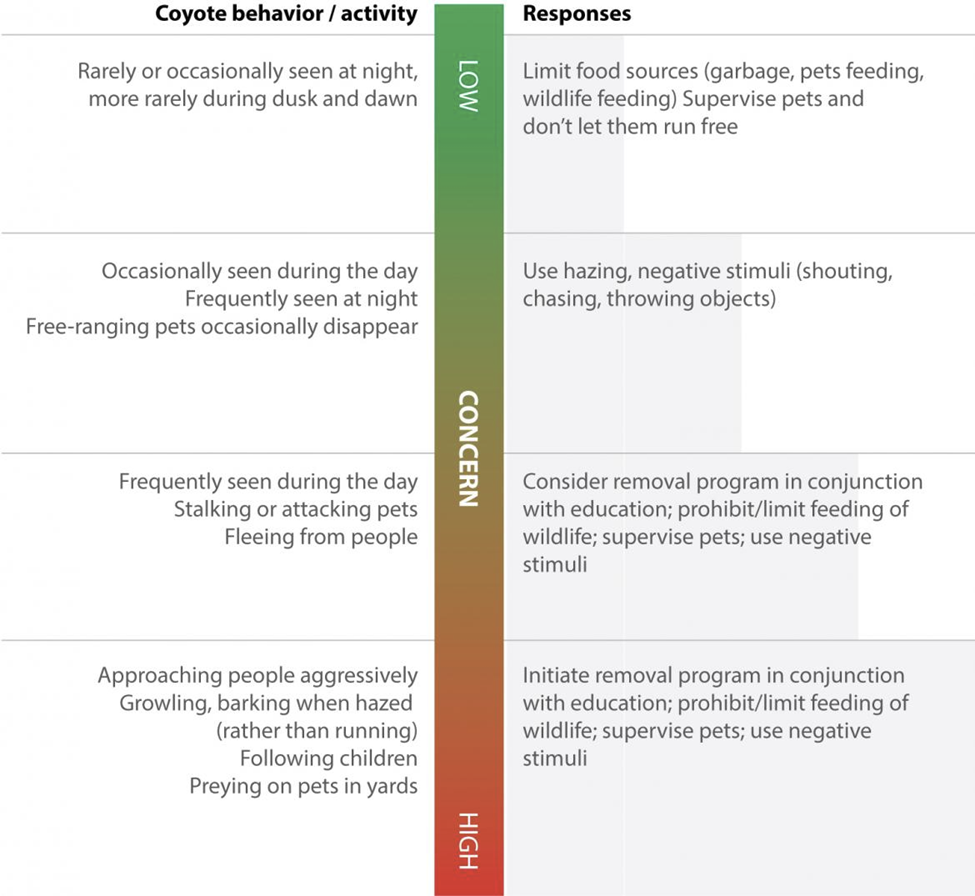
It is important to determine if a coyote is just being a regular coyote, or is exhibiting problem behaviors. The majority of coyotes do not cause problems and should not cause concern —just give them plenty of space. If an individual coyote does exhibit problematic behaviors, the IDNR does not have the staff or resources to handle removals. The Wildlife Illinois website has a list of Nuisance Wildlife Control Operators that may provide these services for a fee. The IDNR only recommends removal of individual problem coyotes.
Calls about these two scenarios are common, especially in the spring and summer months:
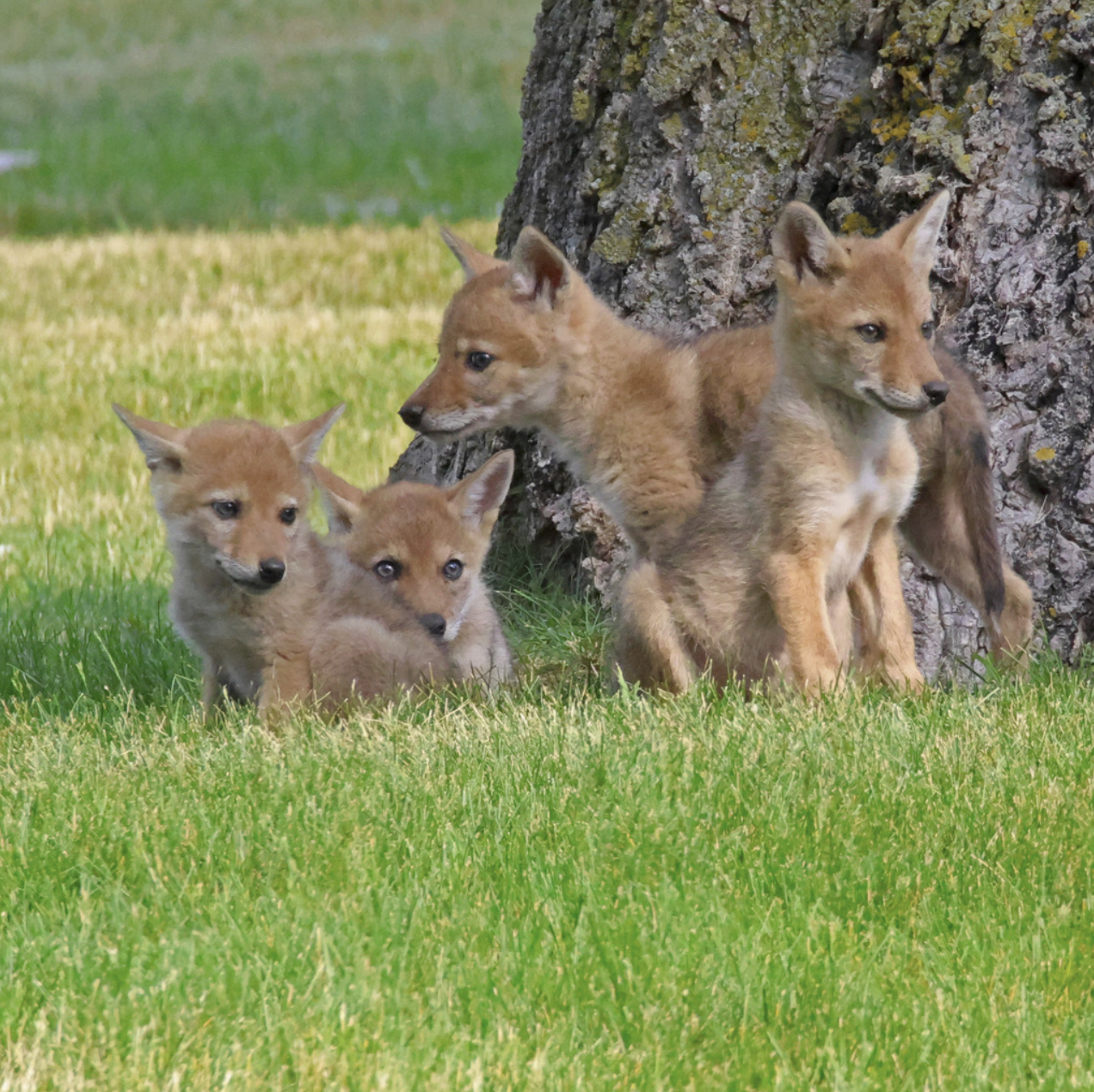
These are classic examples of territorial defense. Coyotes view dogs as potential competitors for their territory. And their interest in dogs can be particularly intense during the breeding season (January to March) and during the spring and summer, especially near den sites. If the coyotes have a den with pups nearby, they may perceive a dog as a threat and act defensively or display protective behaviors such as stalking.
Calls about coyotes taking poultry happen year-round. Free range chickens are an easy meal for a hungry coyote (and many other species of wildlife!), but even livestock housed in runs or pens can be taken. Coyotes are good at digging, hopping fences and finding holes to enlarge to get inside. Properly constructed chicken houses and enclosures help protect against predation.
Calls about a coyote on the porch, deck, or otherwise near the house typically come in from suburban or urban areas. It is important to determine what is attracting the coyote to the property. When coyotes are fed by people, either intentionally or unintentionally, it can cause them to lose their fear of humans and in some cases to become aggressive.
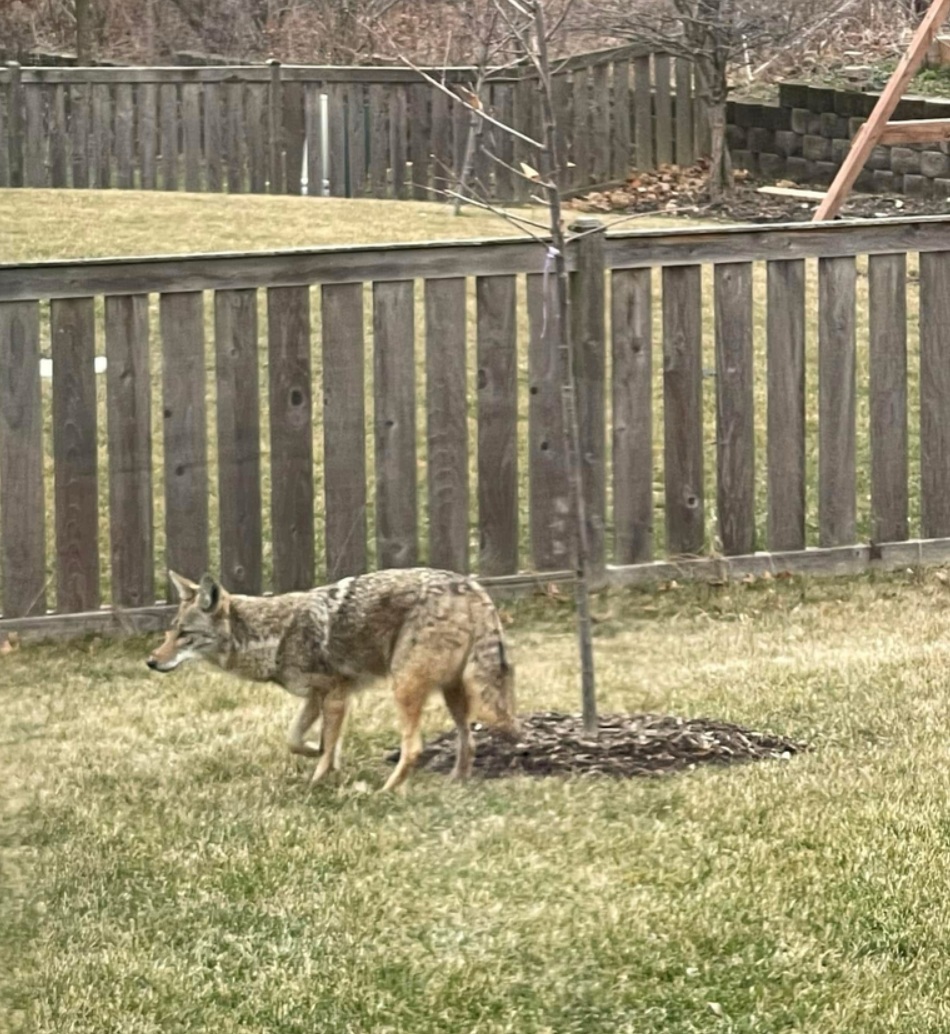
To prevent coyotes from feeling comfortable loafing in areas where they are not wanted, hazing techniques can be effective. Make noise to scare the coyote away by banging on a pot, yelling, or shaking a can filled with coins or rocks. Other deterrent techniques include raising and waving your arms, spraying the coyote with water from a hose or throwing small objects near (not at) the animal to encourage it to leave.
Healthy coyotes are generally wary of humans and usually avoid direct contact. However, if you encounter a coyote that seems sick or unusually bold or aggressive, it’s important to report it. Examples of aggressive behavior include unprovoked barking, raised hackles, snarling, growling and lunging. If a coyote is aggressive or doesn’t leave after hazing, keep your distance. Check out the When Prevention is Not Enough section below for more information.
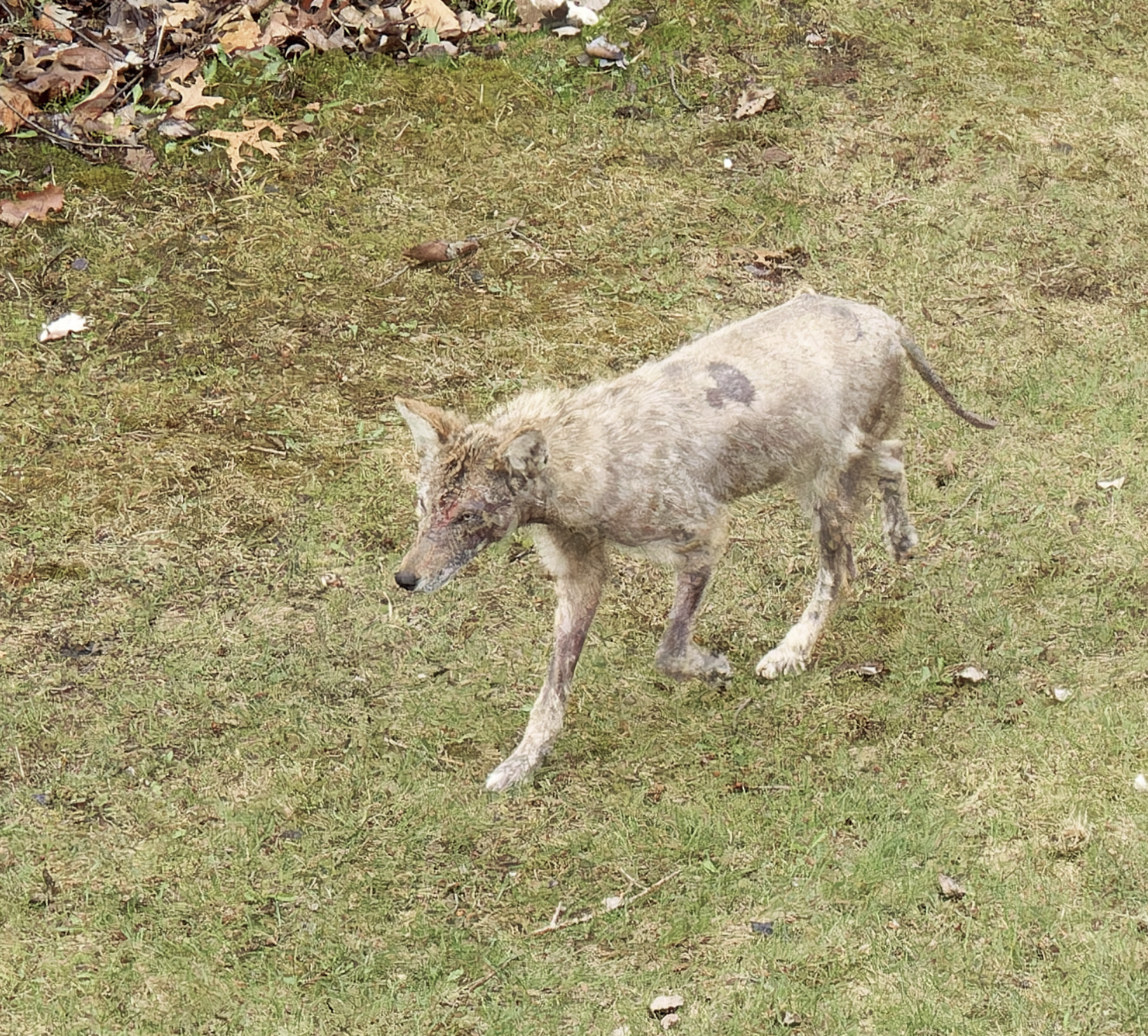
Another common call comes from people concerned about the survival of coyotes with fur loss, especially during the winter months. These are often cases of coyotes with mange. Sarcoptic mange is caused by mites that burrow into the skin. The burrowing of the mites causes severe itching, and fur loss occurs due to the coyotes’ intense scratching. Infected coyotes develop thickened and crusty skin and may appear lethargic or confused. These coyotes are often seen during the day because they are searching for food and a warm place to rest. The infection can also lead to blindness and in severe cases cause death from exposure to the cold.
While it is hard to see an animal suffer, it is best to avoid direct contact with a coyote. Individual animals may succumb to mange, but the coyote population in Illinois is robust.
Another common call during the fall and winter months is “wolf” sightings. In Illinois, gray wolves are currently listed as a state and federally endangered species. Gray wolves were eliminated from Illinois before 1860 due to unregulated hunting pressure and habitat loss. The IDNR is unaware of any self-sustaining populations or packs currently residing in the state. While rare occurrences, wolves originating from existing populations in Wisconsin, Michigan, or Minnesota have been documented moving through or temporarily residing in Illinois.
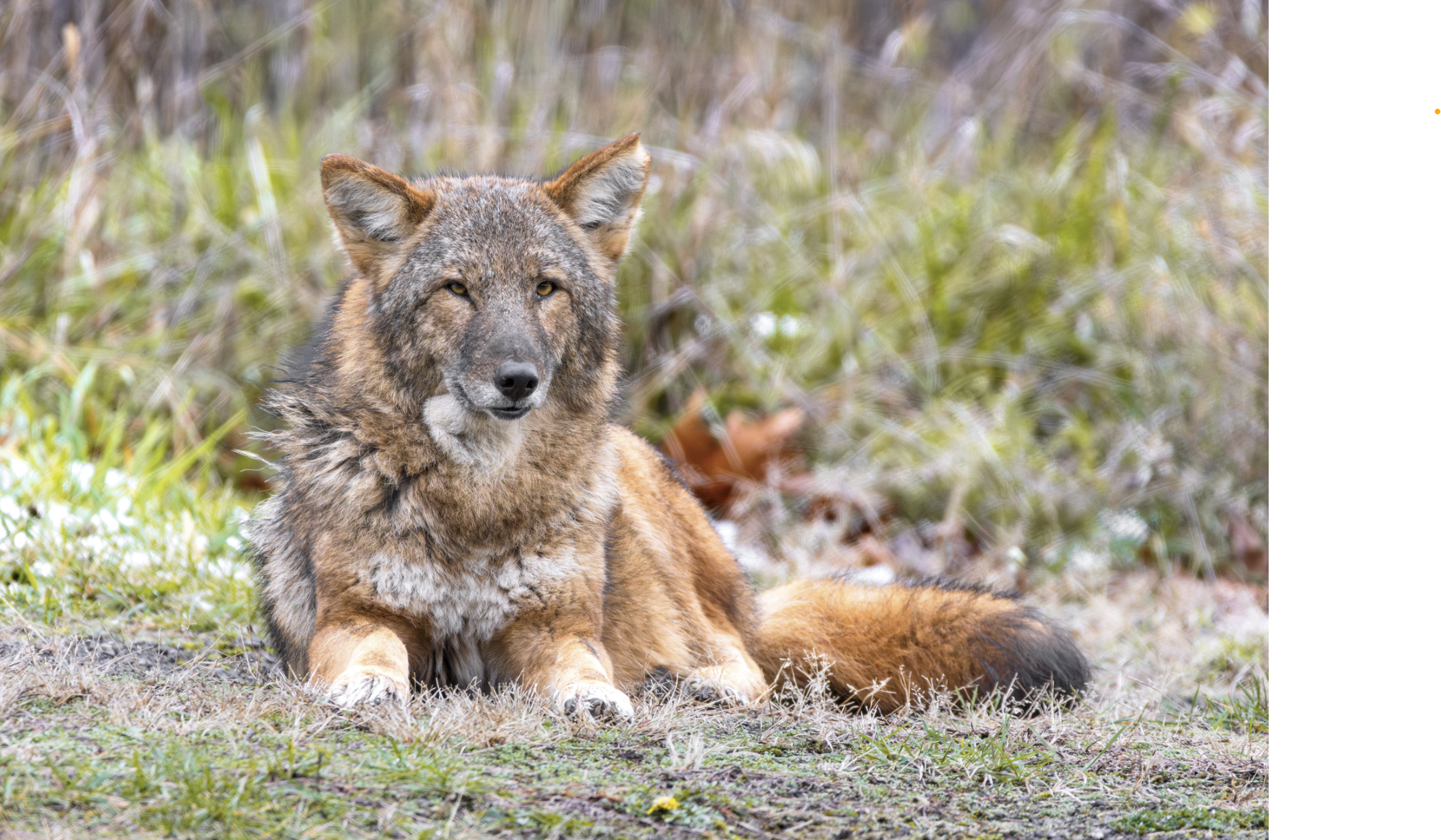
Visual identification of wolves can be difficult, and inexperienced observers can easily confuse a coyote for a wolf. This is especially true during the winter, when coyotes have thicker winter coats and thus appear larger. The majority of the wolf sightings in Illinois are actually coyote sightings. There have only been a handful of confirmed wolves in Illinois in the past 20 years.
The main takeaway message when it comes to coexisting with coyotes is to give them their space and do not feed them. When coyotes begin to associate people with food, it can lead to behaviors that end up forcing the removal of the coyotes.
Property owners should remove unintentional food sources, such as bird food, pet food, ripe fruit and trash. Research has shown that urban coyotes that eat a diet high in carbohydrate-rich foods provided by people (compost, food waste, etc.) have altered microbiomes which negatively affect their body condition, potentially increasing both their parasite susceptibility and conflict-prone behavior. For more on this topic read: An altered microbiome in urban coyotes mediates relationships between anthropogenic diet and poor health.
Despite best intentions, preventative measures do not always prevent conflicts. The Coyote page on Wildlife Illinois provides more detailed information about existing options for mitigation and coexisting with coyotes.
If a coyote is attacking domestic animals, livestock or is aggressive towards people, it will likely need to be removed. Once these concerning behaviors are established, they are not easily changed. When dealing with nuisance coyotes the IDNR strongly recommends to use the services of a professional nuisance wildlife control operator who has experience trapping and euthanizing coyotes.
Outside of urban areas, hunting and trapping are both proven methods to remove problem coyotes. The regular trapping season for coyotes is restricted to the fall and winter months (November 10 to February 15), while the hunting season is open year-round (except for the closure during firearm deer hunting season in counties open for firearm deer hunting). A liberal hunting season allows landowners in rural areas to remove nuisance coyotes without having to obtain a nuisance animal removal permit. Biologists monitor the coyote population to ensure that hunting and trapping do not negatively impact the population.

People and coyotes have always had a complicated relationship. In her article In Defense of Coyotes, author Carla Rich Montez wrote, “Rather, the coyote is a master adapter capable of adjusting to whatever the conditions demand. This is the behavior that has ensured its survival across thousands of years, and it is the behavior that will enable it to continue to co-exist alongside humans.”
We can help by striving to better understand and respect their ecology and by leaving them space to be wild and free.
Laura Kammin jest specjalistką ds. zasobów naturalnych w National Great Rivers Research and Education Center. Wcześniej pracowała w Illinois-Indiana Sea Grant, University of Illinois Extension, Prairie Rivers Network oraz Illinois Natural History Survey. Tytuł magistra ekologii dzikiej fauny uzyskała na University of Illinois w Urbana-Champaign.





Prześlij pytanie do autora