Spring woodland wildflowers. Photo by Carla Rich Montez.

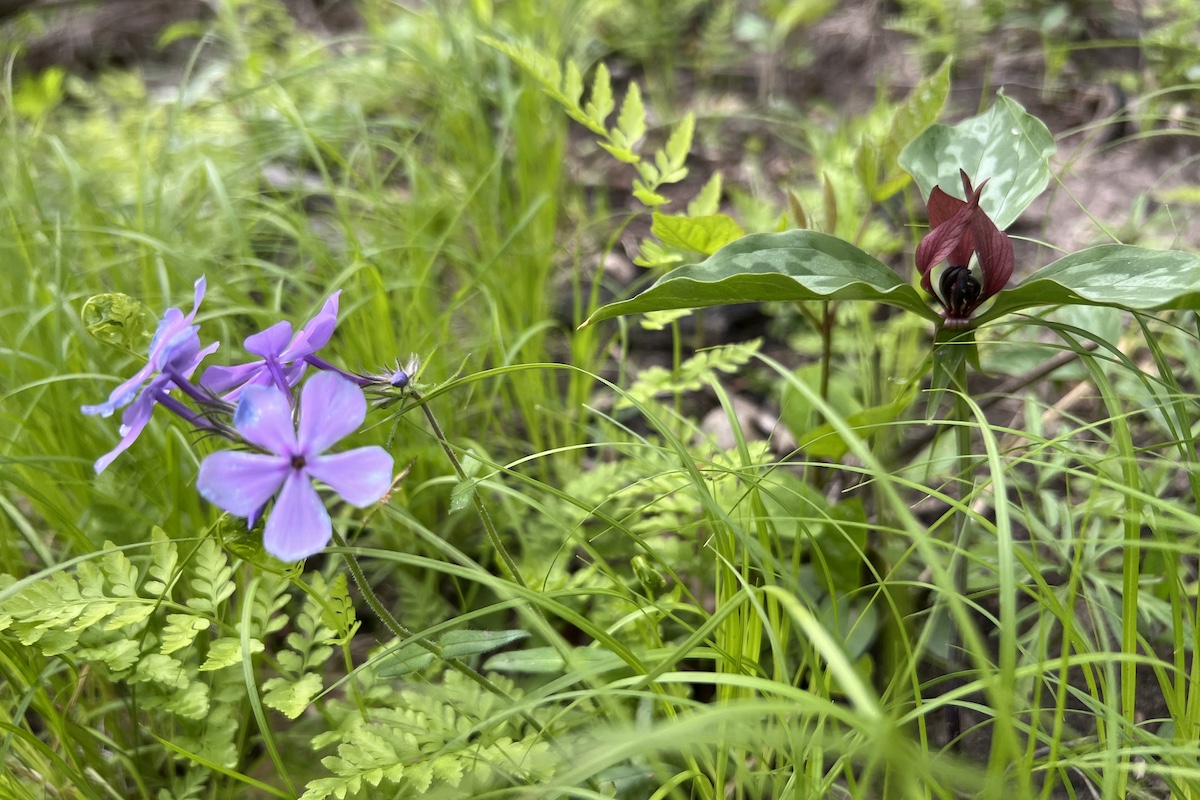
Spring woodland wildflowers. Photo by Carla Rich Montez.
Phenology may not be a familiar term, but we all know what it is.
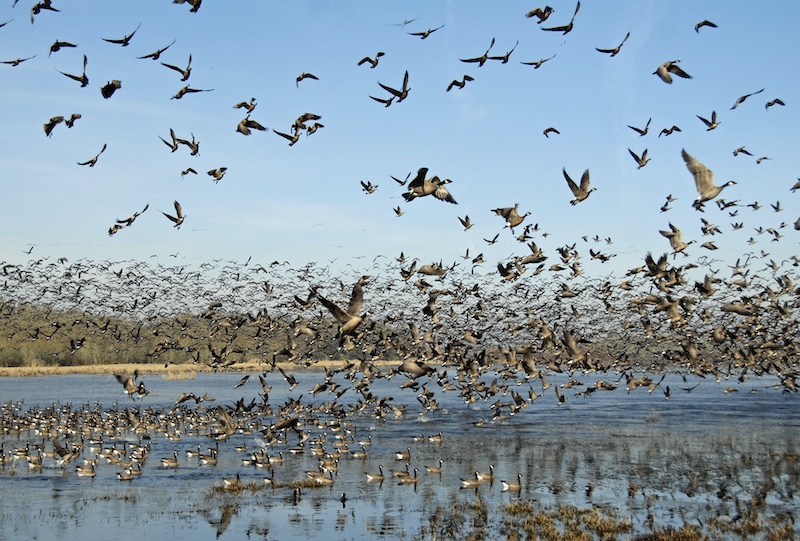
It’s our sense of the timing of natural events. For example, we look forward to the appearance of the first wildflowers of early spring or the blink of the firefly during the summer; we notice Canada geese migrating in the fall and anticipate the first snow of winter. In short, all of us have this intuitive understanding that there is a relationship between the timing of the seasons and the way living things respond to these seasonal shifts.
Phenology is the science that follows these conditions over time and then analyzes them in the context of climatic conditions like day length, temperature and precipitation. In short, phenology seeks to understand how a changing climate is impacting plants and animals.
Such records are vital in identifying shifts that could have serious consequences for wildlife. For instance:
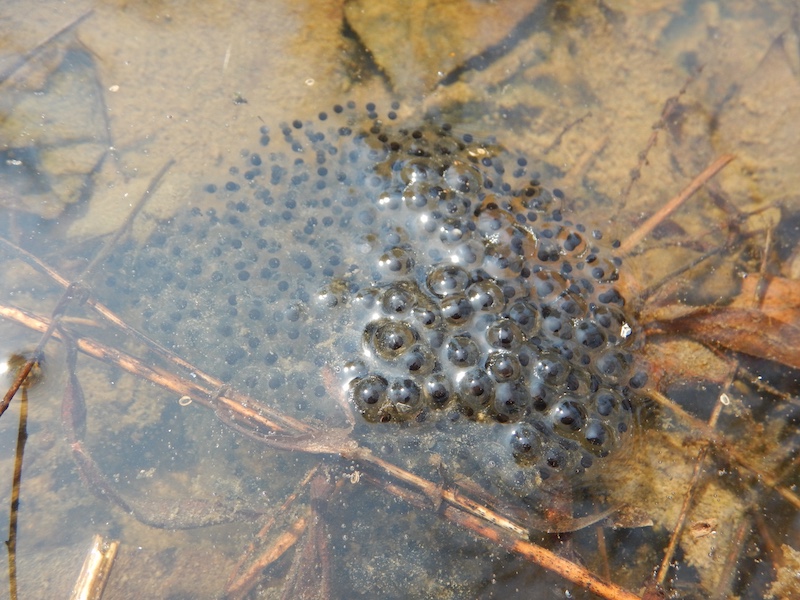
Questions like these should concern those who enjoy wildlife here in Illinois. According to a 2021 climate assessment by The Nature Conservancy in Illinois, we are experiencing an increase in the “frequency and intensity of extreme heat and heavy precipitation events.” Together with milder winters and extended dry spells, there’s little doubt that the climate in Illinois is changing. How will plants and animals respond? And what can be done to mitigate the possible impacts? Phenology can help address such questions.
Through our series, “Nature’s Seasonal Events,” we have offered you a calendar of wildlife activities over the course of a single year. We hope you have enjoyed learning about the ways some of our most iconic animals respond to the changing seasons.
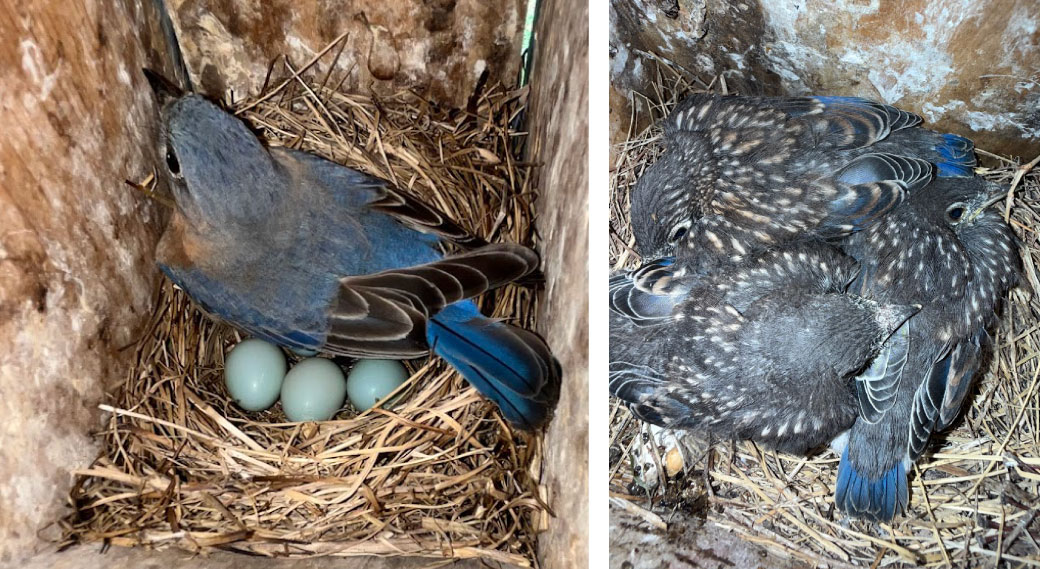
More importantly, we hope you will start tracking the seasonal activities of the wildlife right outside your window. By observing the plants and animals in your own backyard, you may begin to notice how they are being impacted by Illinois’ changing climate.
If you can also share your observations with phenology organizations like the USA Phenological Network and Budburst, you will be contributing data to a global network of community scientists who are helping phenologists better understand how climate change is impacting our planet.
Carla Rich Montez jest autorką tekstów o tematyce przyrodniczej mieszkającą w hrabstwie Peoria. Jest stałą współpracowniczką OutdoorIllinois Journal.



Prześlij pytanie do autora